Have you ever stepped out of the shower onto your bathroom rug, only to slip or slide unexpectedly? It’s not just annoying—it can be dangerous.
Making your bathroom rugs non-slip is one of the simplest ways to keep your space safe and comfortable. You’ll discover easy and effective tips to stop your rugs from moving around. By the end, you’ll feel confident knowing your bathroom is safer for you and everyone in your home.
Keep reading to find out how to make your bathroom rugs stay put every time.
Why Bathroom Rugs Slip
Bathroom rugs often slide on smooth floors. This creates a slipping hazard. Understanding why rugs slip helps to fix the problem. It makes bathrooms safer and more comfortable.
Common Causes Of Slipping
Many factors cause bathroom rugs to slip. One is the smooth surface of bathroom tiles or vinyl floors. Rugs have no grip on these slick surfaces. Another cause is the lack of a non-slip backing on rugs. Plain fabric rugs can easily move when stepped on. Water and moisture also reduce friction between the rug and floor. Wet floors make rugs slide more than dry ones. Rugs that are too thin or lightweight do not stay in place well. Dust or dirt under the rug can act like a lubricant. All these reasons make rugs slip easily in bathrooms.
Risks Of Slippery Rugs
Slippery rugs cause falls and injuries. Bathrooms often have hard floors, making falls serious. Children and elderly people face greater danger. Slips can lead to bruises, fractures, or worse. Slippery rugs also cause discomfort and fear. People may avoid using the bathroom freely. This lowers comfort and safety at home. Fixing rug slip reduces injury risks and improves safety. It creates a more secure bathroom space for all.
Choosing The Right Rug
Choosing the right rug is key to making your bathroom safer and slip-free. The rug must stay in place even on wet floors. Selecting the best material and size helps keep it steady and comfortable.
Materials That Stay Put
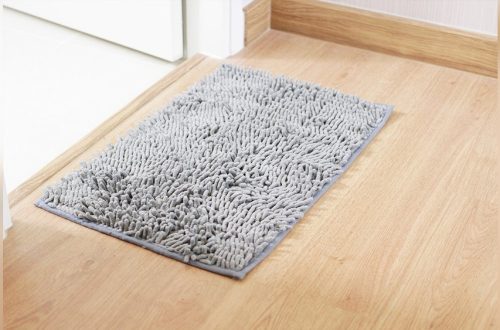
Some materials grip the floor better than others. Rubber-backed rugs prevent sliding easily. They create friction with the floor surface. Cotton rugs without backing can slip more often. Look for rugs with a non-slip backing or choose materials like microfiber combined with rubber.
Ideal Rug Size And Thickness
The size should match your bathroom space. Too small rugs move easily underfoot. Rugs that cover enough floor stay steady longer. Thickness matters too. Thin rugs lie flat and reduce tripping risk. Thick rugs can bunch up and cause slips. Aim for a moderate thickness that feels soft but stays secure.
Non-slip Rug Pads
Non-slip rug pads provide a simple way to keep bathroom rugs in place. They stop rugs from sliding on wet, smooth floors. Using the right pad can improve safety and comfort. These pads also protect the floor and extend the rug’s life.
Types Of Rug Pads
There are several types of rug pads for bathroom use. Rubber pads offer strong grip on tile and vinyl floors. Felt pads add cushioning but may slip more. Cork pads resist moisture and give moderate grip. PVC pads are flexible and water-resistant, ideal for damp spots. Choose a pad based on floor type and moisture level.
How To Attach Pads Properly
Start by cleaning the floor and rug bottom. Make sure both surfaces are dry and dust-free. Cut the rug pad slightly smaller than the rug size. Place the pad flat under the rug, avoiding wrinkles. Press down firmly to secure grip. Check edges to prevent curling or slipping. Replace the pad if it loses stickiness over time.
Diy Non-slip Solutions
Bathroom rugs often slip and slide on smooth floors. This can cause falls and accidents. Making rugs non-slip is simple with some easy DIY solutions. These methods use items you may already have at home. They keep rugs in place and add safety to your bathroom.
Using Double-sided Tape
Double-sided tape is a quick way to stop rugs from moving. Cut small strips and place them under the rug’s edges. Press the rug firmly to stick the tape to the floor. This method works well on tile and hardwood floors. It is easy to remove without damage.
Applying Silicone Caulk
Silicone caulk provides a strong grip under your rug. Flip the rug over and draw small dots or lines of caulk. Let the caulk dry completely before placing the rug back. This creates a non-slip surface that grips the floor. Silicone caulk lasts long and resists water.
Rubber Shelf Liner Method
Rubber shelf liners offer a reusable non-slip base. Cut the liner to fit your rug’s size. Place it underneath to keep the rug from sliding. The rubber texture grips both the floor and rug fibers. This method works on most floor types and is easy to clean.
Maintenance Tips For Safety
Maintaining bathroom rugs is key to keeping them safe and non-slip. Proper care helps rugs stay firmly in place and last longer. Regular attention avoids accidents caused by slipping.
Regular Cleaning Techniques
Clean bathroom rugs often to remove dirt and moisture. Use a vacuum or shake rugs outside to get rid of dust. For deeper cleaning, wash rugs based on their care label. Make sure rugs dry completely before placing them back. Wet rugs can become slippery and dangerous.
Checking For Wear And Tear
Inspect rugs regularly for signs of damage. Look for frayed edges, thinning fabric, or worn backing. Replace rugs showing these issues quickly. Worn rugs lose grip and increase slip risks. Fix small problems early to keep rugs safe.
Additional Safety Measures
Adding extra safety features in your bathroom helps prevent slips and falls. Non-slip rugs are great, but more steps improve your safety. Small changes can make a big difference in bathroom safety.
These measures also help everyone feel more secure and comfortable. Keep your bathroom safe for all family members with easy upgrades.
Installing Grab Bars
Grab bars provide stable support near the shower, tub, or toilet. They help you keep balance and reduce the risk of falling. Choose bars with a textured surface for a better grip.
Install them at a height that feels natural to hold. Make sure they are firmly attached to the wall studs. Proper placement and secure installation are key to their effectiveness.
Improving Bathroom Floor Traction
Slippery floors cause many bathroom accidents. Adding traction strips or mats on the floor helps prevent slips. Use non-slip tape or rubber mats in wet areas.
Keep the floor clean and dry to maintain good traction. Avoid smooth and shiny surfaces that increase slip risks. Improving floor grip creates a safer environment for everyone.
Frequently Asked Questions
How Can I Make Bathroom Rugs Non Slip Easily?
Use a non-slip rug pad or adhesive tape under the rug. These increase grip and prevent slipping effectively. Regularly check and replace pads to maintain safety.
What Materials Work Best For Non-slip Bathroom Rugs?
Rubber-backed or latex rugs provide excellent grip. Cotton rugs with non-slip pads also work well. Choose materials that resist moisture and stay firmly in place.
Can Homemade Solutions Make Bathroom Rugs Non Slip?
Yes, applying double-sided carpet tape or silicone caulk dots can help. These DIY methods create friction between the rug and floor, reducing slip risks.
How Often Should I Replace Non-slip Rug Pads?
Replace pads every 6 to 12 months or when they lose grip. Worn pads reduce safety and may cause the rug to slip.
Conclusion
Making bathroom rugs non slip keeps your space safe and cozy. Use simple tools like rug grippers or non-slip pads. These help rugs stay put on wet floors. Clean the floor and rug bottom first for best results. Check the rug often to keep it secure and dry.
Small steps like these prevent slips and falls. Enjoy a safer bathroom with minimal effort. Safety and comfort go hand in hand here. Keep your rugs steady and your mind at ease.