Are you looking to add more flexibility to your lighting without calling an electrician? Converting a pendant light to a plug-in can be a simple and cost-effective way to brighten up any room exactly where you want.
Imagine being able to move your light easily or avoid complex wiring—all while keeping your space stylish. In this guide, you’ll discover easy steps to transform your pendant light into a convenient plug-in fixture. Keep reading, and you’ll have your new setup ready in no time!
Tools And Materials Needed
Converting a pendant light to a plug-in style needs some basic tools and materials. Having the right items ready makes the process smoother and safer. This guide covers what you need to complete the task easily.
List Of Essential Tools
Start with a screwdriver, both flat-head and Phillips. Wire strippers are crucial for removing the insulation from wires. A voltage tester ensures the power is off before working. Pliers help bend and twist wires as needed. Electrical tape is useful to secure wire connections. A utility knife can trim cords or insulation carefully. A drill might be needed to mount the plug or secure cords.
Choosing The Right Plug And Cord
Pick a plug that fits your outlet type and meets safety standards. A cord with the right length and thickness is important for durability. Look for cords marked for indoor use and with proper insulation. Choose a cord with a grounded plug if your pendant light has a metal frame. A polarized plug adds an extra layer of safety. Avoid cheap, thin cords that may overheat or break.
Safety Precautions
Safety is the top priority when converting a pendant light to a plug-in style. Electrical work can be dangerous without the right precautions. Taking careful steps protects you and your home from accidents.
Always prepare your workspace with safety in mind. Use the correct tools and wear gloves if needed. Double-check your plan before starting any electrical task.
Turning Off Power
Always turn off the power at the circuit breaker. This stops electricity from flowing to the light fixture. Use a voltage tester to confirm the power is off. Do not rely only on the light switch. Cutting power reduces the risk of electric shock.
Handling Electrical Components Safely
Handle wires and connectors gently. Avoid touching bare wires with your hands. Use insulated tools to work on electrical parts. Keep the area dry to prevent shocks. Secure all wire connections tightly. Loose wires can cause shorts or fires.
Removing The Pendant Light
Removing the pendant light is the first step in converting it to a plug-in model. This process involves carefully detaching the fixture from the ceiling and safely disconnecting the wiring. Taking your time during these steps helps avoid damage and ensures a smooth conversion.
Detaching From Ceiling
Start by turning off the power at the circuit breaker. Use a ladder to reach the pendant light safely. Look for screws or clips holding the fixture to the ceiling. Unscrew or release these fasteners slowly. Support the light with one hand as you remove the last screw. Gently lower the pendant light to avoid breaking any parts.
Disconnecting Wiring
Check that the power is off using a voltage tester. Locate the wire nuts connecting the fixture wires to the house wiring. Twist off the wire nuts carefully to separate the wires. Untwist or cut the fixture wires if needed. Keep the house wires exposed but safe for the next steps. Cover the ends of the house wires with electrical tape to prevent shorts.
Preparing The Pendant For Plug-in
Preparing your pendant light for a plug-in setup is an important step. It ensures safety and functionality before you start using the light. This process involves checking the wiring carefully and making the right connections. Doing this right helps avoid electrical problems later.
Inspecting The Wiring
Start by turning off the power to the light. Use a tester to confirm no electricity flows in the wires. Look closely at the wires for any damage or wear. Make sure the wires are not frayed or broken. Good wiring is key for a safe connection.
Stripping And Connecting Wires
Use a wire stripper to remove about half an inch of insulation. Expose the copper wires without cutting them. Twist the copper strands gently to keep them tight. Attach the wires to the plug cord by matching colors. Use wire nuts or electrical tape to secure connections. This keeps wires from touching and causing shorts.
Installing The Plug
Installing the plug on your pendant light changes it from hardwired to a simple plug-in fixture. This allows easy placement and use without electrical work. The process is straightforward and safe when done carefully. Follow the steps below to attach the cord and secure the plug properly.
Attaching The Cord To The Pendant
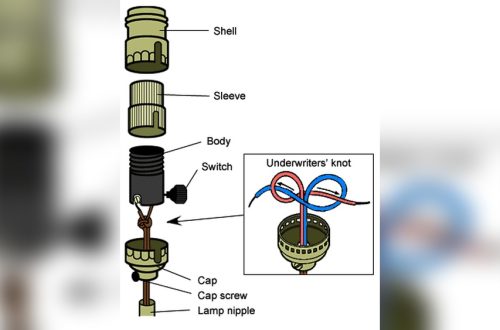
Start by removing the canopy from the pendant light. This exposes the wiring inside. Take the new cord with the plug and strip about half an inch of insulation from the wires. Match the wires from the cord to the wires on the pendant light. Usually, black or brown is the live wire, white or blue is neutral, and green or bare copper is ground.
Use wire connectors to join the matching wires tightly. Twist the connectors clockwise until secure. Make sure no bare wire is visible outside the connectors. Tuck the wires neatly inside the canopy. This step ensures a good electrical connection and safe operation.
Securing The Plug
After wiring, secure the plug at the cord end. Most plugs have a clamp that holds the cord firmly in place. Open the clamp and insert the cord. Tighten the screws to keep the cord from slipping out. Check that the plug’s prongs are clean and undamaged.
Finally, test the pendant light by plugging it in. The light should turn on without flickering or sparks. A well-secured plug keeps the cord safe and prevents electrical hazards.
Testing The Converted Light
Testing the converted pendant light is an important step. It ensures the light works well and is safe to use. This process helps avoid any electrical problems or damage. Follow these steps carefully to check your new plug-in light.
Plugging In Safely
Make sure the plug and cord are secure. Use an outlet that is in good condition. Avoid outlets with loose or broken sockets. Keep the cord away from water or wet areas. Plug the light in gently to prevent damage. Do not force the plug into the socket.
Checking For Proper Function
Turn on the switch to test the light. The bulb should light up without flickering. Listen for any buzzing or strange sounds. Check the cord for any heat or damage. If the light does not work, unplug it immediately. Double-check all connections and wiring before trying again.
Tips For Placement And Use
Converting a pendant light to plug-in style offers flexibility in placement and use. It lets you move the light without rewiring. Proper placement enhances room style and function. Safety is key when managing cords around your space.
Use these tips to find the best spots and keep cords neat and safe.
Best Locations For Plug-in Pendant Lights
Choose spots where light is needed most. Over a desk or reading chair works well. Kitchen counters benefit from focused lighting. Entryways gain charm and brightness with pendant lights. Avoid areas with too much moisture. Keep lights away from direct heat or water sources. Check for nearby outlets before placement. Use plug-in lights to brighten dark corners easily.
Managing Cord Safety
Keep cords out of walkways to prevent trips. Use cord clips or covers to secure loose wires. Avoid running cords under rugs or carpets. Check cords for damage regularly. Do not overload sockets with multiple plugs. Use extension cords with proper ratings. Make sure plugs fit tightly in outlets. Turn off lights when not in use to save energy and reduce hazards.
Frequently Asked Questions
How Do I Convert A Pendant Light To Plug-in?
To convert a pendant light, add a plug-in cord with a switch. Disconnect it from hardwiring first. Ensure safety by turning off power. Attach the cord securely and test the light before use.
What Tools Are Needed For Pendant Light Conversion?
You need wire cutters, a screwdriver, a plug-in cord with a switch, electrical tape, and a voltage tester. These tools help safely disconnect and reconnect the pendant light for plug-in use.
Is It Safe To Convert Pendant Lights To Plug-in?
Yes, it’s safe if you follow electrical safety rules. Turn off power before starting. Use proper insulated tools and secure all connections well. If unsure, consult a licensed electrician for help.
Can Any Pendant Light Be Converted To Plug-in?
Most pendant lights can be converted, but check the design and wiring first. Avoid lights with complex wiring or integrated fixtures. Simple hanging pendant lights are easier to convert safely.
Conclusion
Converting a pendant light to plug-in can save time and effort. It gives you more flexibility in where to place your light. The process is simple and does not need special tools. Always check safety rules before starting any electrical work.
With a few easy steps, your pendant light will be ready to use anywhere. Enjoy the new look and convenience of your plug-in light. This small change can brighten your room and your day.