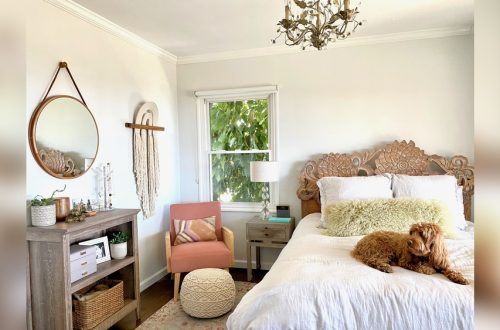
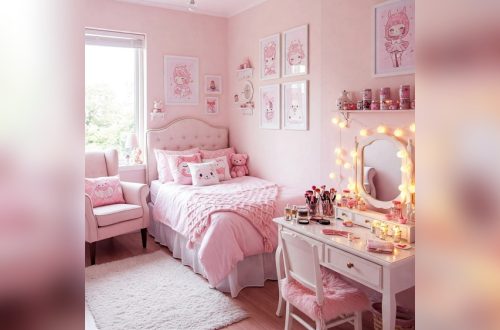
Are you looking to transform your bedroom into a stylish, calm, and inviting space? Decorating with a monochromatic color scheme might be exactly what you need.
Using different shades of a single color can create a beautiful, cohesive look that feels both modern and cozy. But how do you make sure your room doesn’t end up looking flat or boring? In this guide, you’ll discover simple yet powerful tips to decorate your monochromatic bedroom with depth, texture, and personality.
Keep reading to unlock the secrets that will turn your bedroom into a stunning retreat you’ll love spending time in.
Choosing The Right Color Shade
Choosing the right color shade is key for a beautiful monochromatic bedroom. The shade sets the mood and style of the room. Picking the right tone makes the space feel calm and balanced. The color should match your personality and the room’s purpose. Small changes in shade can create big effects in the design.
Selecting A Base Hue
Start by choosing a base hue for the room. This is the main color that guides the whole design. Soft colors like light blue or pale gray work well for calm spaces. Strong colors like navy or deep green add drama and depth. Think about the light in your room before you pick. Choose a color that feels right for you and the room size.
Exploring Light And Dark Variations
Use light and dark variations of your base hue to add interest. Lighter shades make the room feel bigger and airier. Darker shades add warmth and coziness. Mix different shades on walls, bedding, and furniture. This creates layers and stops the room from feeling flat. Test paint samples on your wall to see how shades change with light.
Balancing Warm And Cool Tones
Warm and cool tones affect the room’s feel. Warm tones like beige or soft pink make the room inviting. Cool tones like blue or green bring calmness and freshness. Combine warm and cool shades to create balance. Avoid too much of one tone or the room may feel off. Choose tones that match your mood and style.
Layering Textures And Fabrics
Layering textures and fabrics brings life to a monochromatic bedroom. It creates interest and comfort without changing the color scheme. Using different textures helps the room feel warm and inviting. It also gives the eyes many things to enjoy.
Mixing Soft And Rough Textures
Combine soft fabrics like velvet or cotton with rough ones like burlap or linen. Soft textures add coziness to the bed or pillows. Rough textures give a natural, earthy feel. This contrast makes the room feel balanced and alive.
Incorporating Different Materials
Use a mix of materials such as wood, metal, and fabric. Wooden furniture adds warmth and a natural touch. Metal lamps or frames bring a sleek, modern edge. Fabric items like curtains or rugs soften the space. Different materials create layers that make the room richer.
Using Patterns To Add Depth
Patterns break the flatness of one color. Choose subtle patterns like stripes, dots, or checks in the same color family. Patterned cushions, throws, or wallpaper add visual interest. They create depth without clashing with the monochrome look.
Furnishing With Monochrome In Mind
Furnishing a monochromatic bedroom means choosing pieces that blend smoothly with the color scheme. Every item should support the room’s tone and style. This careful selection helps create a calm and balanced space. The right furniture can enhance the mood and make the room feel inviting.
Picking Complementary Furniture
Select furniture that matches the main color but varies in shade. This adds depth without breaking the monochrome look. For example, if the room is blue, choose navy, sky blue, or pale blue pieces. Wood or metal finishes in neutral tones work well as accents. Keep shapes simple to maintain a clean, unified feel.
Choosing Statement Pieces
Include one or two bold items to catch the eye. A unique chair, bed frame, or dresser can serve this role. Pick pieces with interesting texture or design in the same color family. This creates focus without introducing new colors. Statement pieces add personality while staying true to the monochrome scheme.
Maintaining Visual Harmony
Balance the furniture sizes and styles for a smooth flow. Avoid overcrowding the space with too many items. Use similar materials or finishes to tie the look together. Keep the room uncluttered to highlight the color theme. Soft fabrics and simple lines help keep the atmosphere peaceful.
Accents And Accessories
Accents and accessories bring life to a monochromatic bedroom. They add texture, shine, and interest without breaking the color theme. Small touches can make a big difference. Choose pieces that enhance the room’s mood and style.
Adding Metallic Or Glossy Elements
Metallic accents add shine and depth to a simple color scheme. Think gold, silver, or copper lamps and picture frames. Glossy items like vases or trays reflect light and create a sleek look. These touches prevent the room from feeling flat or dull.
Using Artwork And Decorative Items
Artwork introduces shapes and patterns that catch the eye. Select pieces in varying shades of the same color for harmony. Decorative items like cushions, throws, or ceramics add layers and texture. Keep decorations minimal to maintain a calm, unified space.
Playing With Lighting Effects
Lighting changes how colors appear and feel. Use warm or cool lights to highlight different moods. Lamps with soft shades create a cozy atmosphere. String lights or LED strips add subtle glow and modern flair. Light placement can transform the room’s look.
Creating Visual Interest
Creating visual interest in a monochromatic bedroom keeps the space lively and inviting. Using different methods adds depth without breaking the color harmony. Simple tricks help the room feel balanced and stylish.
Using Contrast Within The Color Palette
Choose shades from light to dark within one color. Light walls with dark furniture create a striking look. Mix soft tones with bold ones for balance. This contrast adds layers and keeps the room from feeling flat.
Incorporating Shapes And Lines
Use furniture and decor with varied shapes and lines. Round lamps soften sharp edges from square tables. Vertical lines on curtains add height to the room. Different shapes create movement and keep eyes interested.
Highlighting Key Features
Pick one or two features to stand out. A textured bedspread or patterned rug draws attention. Use lighting to spotlight artwork or a unique headboard. Highlighting adds focus and creates a cozy vibe.
Frequently Asked Questions
What Colors Work Best In A Monochromatic Bedroom?
Shades and tints of a single color work best. Use varying lightness and saturation for depth and interest. This approach keeps the room cohesive and visually appealing without overwhelming the space.
How To Add Texture To A Monochromatic Bedroom?
Incorporate different materials like velvet, linen, and wood. Use textured pillows, rugs, and curtains. Texture adds dimension and prevents the room from looking flat or boring.
Can I Mix Patterns In A Monochromatic Bedroom?
Yes, mix subtle patterns in the same color family. Stripes, dots, or geometric designs add personality without disrupting harmony. Keep patterns simple to maintain a calm, unified look.
How Do Lighting Choices Affect Monochromatic Bedrooms?
Lighting enhances the color’s depth and mood. Use layered lighting—ambient, task, and accent—for versatility. Warm or cool bulbs can subtly shift the room’s tone and feel.
Conclusion
A monochromatic bedroom creates calm and style with simple colors. Choose different shades and textures to add depth and interest. Soft lighting and cozy fabrics make the room warm and inviting. Keep decorations minimal to maintain a clean, peaceful space.
This approach helps you build a relaxing bedroom without stress or fuss. Try these ideas and enjoy your beautiful, restful room every day.