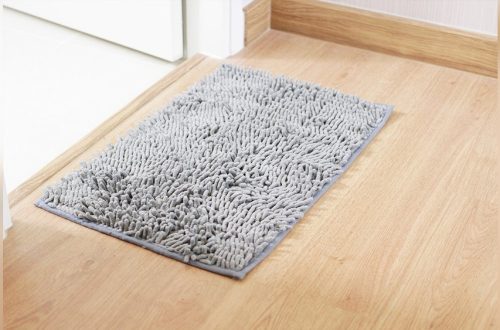
Have you ever stood there, staring at a ruined bathroom rug, wondering if you should toss it in the trash or find a way to recycle it? It’s a small decision, but it can make a big difference for your home and the environment.
You might feel unsure about what’s the right choice or worried about making a mistake. Keep reading, because by the end of this article, you’ll know exactly what to do with that worn-out rug—saving you time, money, and guilt. Let’s dive in and clear up the confusion for good.
Bathroom Rug Materials
Bathroom rugs come in many materials. Each type affects how you recycle or throw them away. Knowing the fabric helps decide the best way to handle a ruined rug. Some materials break down easily, while others do not. Understanding these differences saves the environment and reduces waste.
Common Fabrics Used
Most bathroom rugs use cotton, polyester, or microfiber. Cotton is soft and absorbs water well. Polyester is strong and dries quickly but is less eco-friendly. Microfiber feels smooth and dries fast but often contains plastic fibers. These fabrics are common but can be hard to recycle. Many end up in landfills because they mix with other materials.
Eco-friendly Options
Some rugs use natural fibers like bamboo or hemp. These materials break down faster in nature. They are better for the environment and easier to recycle. Organic cotton rugs also offer a greener choice. Choosing eco-friendly rugs helps reduce pollution. Look for rugs labeled as biodegradable or made from recycled materials.
Signs To Replace Your Rug
Knowing when to replace a bathroom rug saves money and keeps your space fresh. Old rugs can hide dirt and germs that affect your health. Spotting the signs early helps you decide whether to recycle or throw away the rug. Here are clear signs that your bathroom rug needs replacing.
Wear And Tear Indicators
Frayed edges and loose threads show the rug is breaking down. Thin, worn spots lose their softness and comfort. Faded colors make the rug look old and tired. Stains that won’t come out after washing tell you it’s time to replace. Check the backing; if it peels or crumbles, the rug won’t stay in place.
Hygiene Concerns
Bathroom rugs absorb moisture, making them a home for mold and bacteria. A musty smell that remains after washing means germs stay trapped inside. Allergies or skin irritation after using the rug may signal poor cleanliness. If the rug stays damp for long periods, it becomes unsafe to keep. Clean rugs protect your health better than worn-out ones.
Recycling Possibilities
Ruined bathroom rugs do not have to end up in the trash. Many options exist to recycle them properly. Recycling helps reduce waste and saves resources. Understanding where to recycle these rugs is key. This section explores places that accept old bathroom rugs for recycling.
Local Recycling Programs
Many towns run local recycling programs. These programs accept various household items. Some include textiles like bathroom rugs. Contact your local waste management or city hall. Ask if they collect rugs or textiles. Drop-off days might be scheduled for these items. Some programs recycle rugs into new products. This keeps the material out of landfills. It also supports community recycling efforts.
Textile Recycling Centers
Textile recycling centers specialize in fabrics and fibers. They accept old rugs made of cloth or synthetic materials. These centers sort and process textiles for reuse. Some turn old rugs into cleaning rags or insulation. Others shred them for stuffing or new fabric. Textile recycling centers help reduce environmental impact. Find a nearby center online or through local listings. Remember to clean your rug before dropping it off. Clean items are easier to recycle and reuse.
Creative Reuse Ideas
Creative reuse ideas give old bathroom rugs a second life. Instead of throwing them away, you can transform these rugs into useful items. This approach saves money and helps the environment. Small changes like these reduce waste and add value to your home.
Diy Projects
Cut the rug into smaller pieces for crafting. Use them as coasters or placemats. Rug material works well for making door mats. You can also sew pieces together to create a patchwork cushion cover. These projects are simple and require few tools. They add a cozy touch to your living space.
Pet Bedding Alternatives
Old bathroom rugs make soft beds for pets. Cut the rug to fit a pet crate or bed frame. The thick material keeps pets warm and comfortable. Wash the rug before use to keep it clean. Pets love the texture and softness under their paws. This reuse method extends the rug’s life in a practical way.
Proper Disposal Methods
Proper disposal methods for a ruined bathroom rug help protect the environment. Rugs often contain different materials that need special care. Throwing them away without thinking can cause pollution and waste valuable resources. Understanding how to dispose of these rugs correctly makes a big difference.
Waste Management Guidelines
Check local waste rules before discarding your bathroom rug. Some places accept rugs in regular trash. Others require special drop-off points or recycling centers. Separate any parts made from different materials, like rubber backing or fabric. Clean the rug as much as possible to avoid contamination. Follow your area’s instructions to prevent fines and help the environment.
Avoiding Environmental Harm
Bathroom rugs can release harmful chemicals if burned or dumped. These chemicals pollute air, water, and soil. Avoid throwing rugs in natural places like forests or rivers. Recycle parts of the rug when possible to save resources. Choose disposal methods that reduce waste and protect nature. Small efforts add up to big benefits for the planet.
Buying Sustainable Rugs
Choosing a sustainable bathroom rug helps reduce waste and pollution. Sustainable rugs last longer and use eco-friendly materials. They protect the environment and make your home healthier. Here are some tips on buying rugs that do good for the planet.
Materials To Choose
Natural fibers like cotton, jute, and bamboo are good choices. These materials break down easily and do not harm the earth. Wool is another option; it is durable and biodegradable. Avoid synthetic materials like nylon or polyester. They come from fossil fuels and take many years to decompose.
Look for rugs made with organic or recycled fibers. These use less water and chemicals during production. Rugs dyed with natural colors reduce pollution. Choose rugs that feel soft but are also strong.
Brands With Green Initiatives
Many companies work hard to protect the environment. They use sustainable materials and fair labor practices. Some brands recycle old rugs or donate unsold products. Others focus on reducing waste in their factories.
Check if the brand has certifications like Global Organic Textile Standard (GOTS) or OEKO-TEX. These labels show the rug meets strict environmental rules. Support brands that share their green goals openly. This helps ensure your rug is kind to the planet.
Frequently Asked Questions
Can You Recycle A Ruined Bathroom Rug?
Most bathroom rugs are made of mixed materials, making recycling difficult. Check local recycling guidelines. If not recyclable, consider repurposing or donating if still usable.
How To Dispose Of A Moldy Bathroom Rug?
Moldy rugs should not be reused or donated. Seal them in a plastic bag to prevent spores spreading. Dispose of them with regular trash following local waste rules.
Are Bathroom Rugs Compostable Or Eco-friendly?
Most bathroom rugs are synthetic and non-compostable. Natural fiber rugs like cotton or bamboo may be composted if untreated. Always confirm material type before composting.
Can You Donate A Used Bathroom Rug?
Only donate clean, undamaged rugs. Ruined or heavily soiled rugs are unsuitable for donation. Instead, recycle or dispose of them responsibly.
Conclusion
Deciding what to do with a ruined bathroom rug matters for the planet. Recycling helps reduce waste and saves resources. Throwing it away adds to landfill problems. Some rugs can be repurposed or donated if still usable. Always check local recycling rules before disposal.
Small efforts make a big difference over time. Choose wisely to help protect our environment. Your choice impacts the world around you. Easy steps lead to better habits. Keep your bathroom clean and green.