Is your bathroom rug wet again, and you’re left wondering why your cat keeps peeing there? It’s frustrating, confusing, and maybe even a little gross.
You love your cat, but this behavior can feel like a mystery you just can’t solve. The good news is, you’re not alone—and there are clear reasons behind this problem. Understanding why your furry friend is choosing your bathroom rugs over the litter box is the first step to stopping it.
Keep reading, because by the end of this article, you’ll have the answers and practical solutions to protect your home and keep your cat happy.
Common Causes Of Cat Urination On Rugs
Cats peeing on bathroom rugs is a common problem. Understanding why this happens helps solve it. Many reasons can cause cats to urinate outside the litter box. Some are related to health, while others come from behavior or stress. Knowing these causes guides you to the right solution.
Medical Issues To Consider
Health problems often cause cats to urinate in unusual places. Urinary tract infections make peeing painful. Cats may avoid the litter box to escape pain. Kidney disease can increase urination frequency. Diabetes also causes more trips to the litter box. A vet visit is important to rule out medical issues.
Stress And Anxiety Factors
Stress affects cats deeply. Moving to a new home can upset them. Loud noises or new pets increase anxiety. Stress may cause cats to pee on rugs. They seek comfort in soft places. Reducing stress and creating a calm space helps.
Territorial Marking Behavior
Cats mark territory by urinating. This is common in unneutered males but can occur in any cat. Marking warns other animals to stay away. Bathroom rugs may smell like other pets. Cats mark there to claim the space. Neutering and cleaning the rugs reduce marking behavior.
Bathroom Rugs As A Target
Bathroom rugs often become the favorite spot for cats to pee. Understanding why these rugs attract cats helps solve the problem. Cats choose places based on texture, smell, and habit. Bathroom rugs meet many of these needs, making them a common target.
Texture And Smell Attraction
Bathroom rugs have a soft, absorbent texture that feels comfortable for cats. This texture holds their scent longer than hard floors. Cats use smell to mark territory. The rug’s fibers trap odors, inviting cats to return. The smell of urine on the rug encourages repeated peeing.
Location And Accessibility
Bathroom rugs are easy for cats to access. Bathrooms are quiet and private spaces. Cats prefer calm places to relieve themselves. The rug lies close to the litter box or main living areas. This convenience makes the rug a practical choice for cats.
Routine And Habit Formation
Cats learn by routine and repetition. Once a cat pees on a rug, it remembers the spot. The smell and feel reinforce the habit. Cats return to the same place to pee again. Breaking this habit requires cleaning and changing the environment.
Addressing Medical Concerns
When your cat starts peeing on bathroom rugs, medical issues might be the cause. Cats often hide pain or discomfort, so watching their behavior helps. Addressing medical concerns early can prevent bigger health problems and stop unwanted accidents.
When To Visit The Vet
Visit the vet if your cat pees outside the litter box more than once. Sudden changes in urination habits need attention. Also, look for signs like straining, blood in urine, or frequent trips to the box. These signs point to urgent health issues.
Common Urinary Tract Problems
Urinary tract infections (UTIs) are common in cats and cause discomfort. Bladder stones can block urine flow, making peeing painful or impossible. Another issue is feline lower urinary tract disease (FLUTD), which irritates the bladder and urethra. These problems often lead to accidents on rugs or carpets.
Treatment Options
Treatment depends on the diagnosis. Vets may prescribe antibiotics for infections. Special diets help dissolve bladder stones or prevent them from forming. In severe cases, surgery might be needed. Pain relief and increased water intake support healing. Follow the vet’s instructions closely for the best results.
Reducing Stress For Your Cat
Stress can cause cats to pee outside their litter box. Your cat may feel anxious or scared. Reducing stress helps your cat feel safe and calm. A calm cat is less likely to pee on bathroom rugs. Try these ways to lower your cat’s stress.
Environmental Enrichment
Give your cat toys and places to climb. Cats love to explore and play. Scratching posts and cozy beds help them relax. Hide treats around the house for fun. A busy cat feels less stress and stays happy.
Routine And Predictability
Cats like knowing what will happen next. Feed your cat at the same times daily. Clean the litter box regularly and keep it in one place. A steady routine helps your cat feel safe. This lowers anxiety and unwanted peeing.
Use Of Calming Products
Try sprays or diffusers made for cats. These products release calming scents. They help reduce fear and stress at home. Use them near your cat’s favorite spots. Calming products can help stop bathroom rug peeing.
Behavioral Solutions
Behavioral solutions can help stop your cat from peeing on bathroom rugs. Cats often act out because of stress or confusion. Changing their habits and environment can guide them back to the litter box. Patience and consistency are key. Small changes can make a big difference in their behavior.
Litter Box Management
Keep the litter box clean and in a quiet place. Scoop it daily and change the litter regularly. Use a litter your cat likes. Add another box if you have multiple cats. Make sure the box is easy for your cat to enter and exit. A clean and accessible litter box reduces accidents.
Cleaning And Odor Removal
Clean the bathroom rugs with an enzyme cleaner. Ordinary cleaners do not remove cat urine smell fully. The smell can attract your cat back to the same spot. Wash rugs often and dry them well. Remove all traces of odor to break the habit loop.
Redirecting Behavior
Give your cat more attention and playtime. Stress and boredom cause many unwanted behaviors. Use toys and treats to keep your cat busy. Place a new rug or mat near the litter box. Reward your cat for using the litter box. Positive reinforcement helps change habits faster.
Preventing Future Incidents
Stopping your cat from peeing on bathroom rugs takes careful steps. Prevention helps protect your home and keeps your cat happy. Small changes can make a big difference.
Focus on the environment and your cat’s habits. Make the bathroom less tempting and provide better options. Training and control play key roles in prevention.
Choosing The Right Rugs
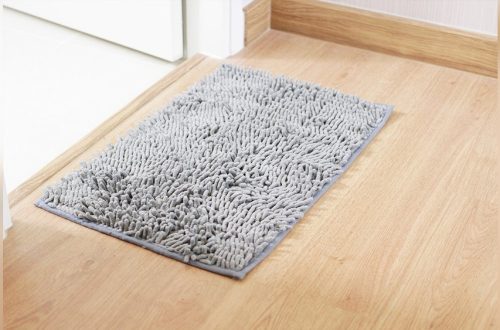
Pick rugs that are easy to clean and dry fast. Avoid thick, fluffy rugs that hold moisture and smell. Use rugs made from synthetic fibers or rubber-backed mats.
These rugs help reduce stains and odors. Your cat will not find a soft spot to mark. Clean rugs regularly to keep them fresh and less inviting.
Bathroom Access Control
Limit your cat’s access to the bathroom. Keep the door closed or use a baby gate. This stops your cat from reaching the rugs easily.
Provide other cozy resting spots outside the bathroom. Cats like soft places but must learn where to go. Control reduces accidents and teaches boundaries.
Consistent Training Techniques
Use gentle, steady training to change your cat’s behavior. Reward your cat for using the litter box. Ignore accidents without punishment to avoid stress.
Clean accidents with enzyme cleaners to remove smells. Replace the rug if the smell stays. Consistency helps your cat understand what is okay.
Frequently Asked Questions
Why Does My Cat Pee On Bathroom Rugs Specifically?
Cats may pee on bathroom rugs due to stress, marking territory, or litter box issues. Rugs often trap smells, attracting cats. Bathrooms also offer privacy, making them appealing spots. Check for health problems or litter box cleanliness to resolve this behavior.
How Can I Stop My Cat From Peeing On Rugs?
Clean rugs thoroughly with enzyme cleaners to remove odor. Ensure the litter box is clean and accessible. Provide multiple litter boxes in quiet locations. Reduce stress by maintaining routine and offering playtime. Consult a vet if issues persist for medical causes.
Is My Cat Peeing On Rugs A Sign Of Illness?
Yes, inappropriate urination can signal urinary tract infections or bladder problems. Cats often hide pain by changing behavior. A vet checkup is vital if your cat suddenly starts peeing outside the litter box. Early diagnosis prevents complications and helps recovery.
Can Changing The Litter Box Prevent Rug Peeing?
Yes, cats prefer clean, odor-free litter boxes. Using unscented, clumping litter and cleaning daily encourages proper use. Also, try different box types and locations to find what your cat likes. This reduces rug peeing by addressing litter box aversion.
Conclusion
Cats pee on bathroom rugs for many reasons. Stress, health issues, or dirty litter boxes often cause this behavior. Watch your cat closely and check for any signs of illness. Keep the litter box clean and in a quiet spot.
Try using a rug that is easy to wash or avoid rugs in the bathroom. Patience and care help your cat feel safe and comfortable. You can stop this problem with time and attention. Your cat will thank you with happy, clean habits.