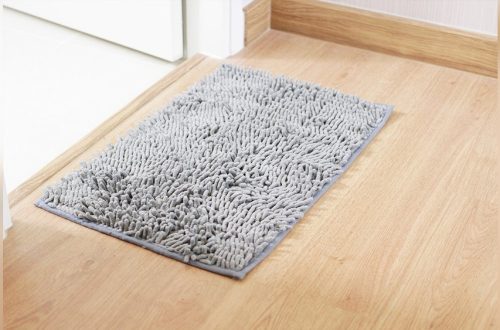
Your bathroom rug might seem like a small detail, but it plays a big role in your daily comfort and hygiene. Have you ever wondered how often you should change it?
If you’re like most people, you probably don’t think about it until it looks worn out or starts to smell. But waiting too long can affect your health and the freshness of your bathroom. You’ll discover the simple steps to keep your bathroom rug clean, fresh, and inviting.
Keep reading to find out how often you really need to change it—and why it matters more than you think.
Bathroom Rug Basics
Bathroom rugs add comfort and style to your space. They help keep your feet warm and dry after a shower. Changing your bathroom rug regularly keeps your bathroom fresh and clean. Understanding the basics of bathroom rugs helps you pick the right one and know when to replace it.
Bathroom rugs come in different styles and materials. Each type affects how long the rug lasts and how often you should change it. Knowing these details makes bathroom care easier and more effective.
Types Of Bathroom Rugs
There are many types of bathroom rugs. Some have non-slip backs to keep them in place. Others are plush and soft for extra comfort. Some rugs are designed to absorb water quickly. Choose a rug that fits your bathroom size and style. The type affects how often you need to clean or replace it.
Materials And Durability
Bathroom rugs come in cotton, microfiber, bamboo, and more. Cotton rugs are soft and absorbent but may wear out faster. Microfiber rugs dry quickly and resist mold well. Bamboo rugs are durable and easy to clean but less soft. The material impacts the rug’s lifespan and care needs. Rugs made with durable materials last longer and stay fresh.
Factors Affecting Replacement Frequency
Several factors influence how often you should change your bathroom rug. These elements affect the rug’s condition and hygiene. Understanding these helps keep your bathroom clean and fresh.
Usage And Foot Traffic
Rugs in busy bathrooms wear out faster. More people walking on the rug means quicker damage. High traffic areas need more frequent replacement. Low traffic bathrooms allow rugs to last longer.
Moisture And Mold Risks
Bathrooms are humid places. Moisture can cause rugs to stay wet longer. Wet rugs grow mold and mildew quickly. Mold damages the rug and creates bad smells. Rugs exposed to lots of moisture need faster changing.
Cleaning Routine
Regular cleaning keeps rugs fresh and lasts longer. Washing removes dirt and bacteria. Rugs cleaned often stay in good shape. Neglecting cleaning shortens rug life. A proper cleaning routine helps decide when to replace your rug.
Signs It’s Time To Replace
Bathroom rugs face constant use and moisture. Over time, they show clear signs that tell you it’s time for a change. Recognizing these signs helps keep your bathroom fresh and clean. Check your rug regularly for these common issues.
Fading And Wear
Colors on bathroom rugs fade after many washes. The fabric also starts to thin or fray. Worn-out rugs look old and tired. They lose their charm and do not brighten the bathroom anymore. Replace rugs showing heavy wear to keep your space inviting.
Persistent Odors
Rugs absorb moisture, dirt, and bacteria. This can cause bad smells that won’t go away. Even after washing, odors may linger. A smelly rug signals that germs and mildew have built up inside. Changing the rug stops the smell and improves bathroom hygiene.
Loss Of Absorbency
Bathroom rugs must soak up water quickly. Over time, they lose this ability. Water stays on the surface, making the floor slippery and unsafe. A rug that no longer absorbs well needs replacing. This keeps your bathroom dry and prevents accidents.
Maintenance Tips To Extend Lifespan
Keeping your bathroom rug fresh and clean helps it last longer. Proper care stops damage and wear. Small habits make a big difference. Follow these simple tips to keep your rug in good shape.
Proper Washing Techniques
Wash your bathroom rug regularly to remove dirt and germs. Use cold water with mild detergent. Avoid bleach or harsh chemicals. Wash on a gentle cycle to protect the fibers. Check the care label for specific instructions. Hand washing works well for delicate rugs.
Drying And Storage
Dry your rug completely after washing to prevent mold. Air dry flat or hang in a well-ventilated area. Avoid direct sunlight as it can fade colors. Do not use a high heat dryer setting. Store rugs in a dry place when not in use. Roll them instead of folding to avoid creases.
Using Rug Pads
Place a rug pad under your bathroom rug to add grip. Pads stop slipping and reduce wear on the rug’s underside. They help absorb moisture and prevent mold growth. Choose a non-slip pad made for bathroom use. Replace pads regularly to maintain their effectiveness.
Choosing The Right Replacement
Choosing the right replacement for your bathroom rug is important. It affects comfort, safety, and the look of your bathroom. A good rug can last long and stay fresh. Think about the material, size, style, budget, and quality before buying. These factors help you pick a rug that fits your needs and space well.
Material Considerations
Bathroom rugs face water and moisture daily. Choose materials that dry fast and resist mold. Cotton rugs are soft and easy to wash. Microfiber dries quickly and feels plush. Avoid materials that stay wet and smell bad. Check if the rug has a non-slip backing for safety.
Size And Style
Pick a rug size that fits your bathroom space. A small rug may not cover enough floor. A large rug can crowd the room. Match the rug color and design with your bathroom decor. Simple patterns and neutral colors suit most bathrooms. Bright colors add a fresh, lively touch.
Budget And Quality
Set a budget before choosing a rug. Cheap rugs may wear out fast or lose color. Higher quality rugs last longer and stay soft. Look for durable stitching and fabric. Investing in a good rug saves money over time. Balance cost and quality to find the best option.
Frequently Asked Questions
How Often Should Bathroom Rugs Be Washed?
Bathroom rugs should be washed every one to two weeks. This prevents mold, bacteria, and odors. Frequent washing keeps rugs fresh and hygienic. If heavily used, wash more often to maintain cleanliness and safety.
When Is It Time To Replace A Bathroom Rug?
Replace bathroom rugs when they show wear, stains, or persistent odors. Worn rugs lose absorbency and can harbor germs. Regular inspection helps decide when to replace for hygiene and aesthetics.
Can Bathroom Rugs Cause Mold Or Mildew?
Yes, damp bathroom rugs can cause mold and mildew growth. Proper drying and frequent washing reduce this risk. Ventilation and using washable rugs also help prevent mold buildup.
What Material Is Best For Bathroom Rugs?
Cotton and microfiber rugs are best for bathrooms. They absorb water well and dry quickly. These materials resist mold and are easy to clean, making them ideal for bathroom use.
Conclusion
Changing your bathroom rug regularly keeps your space fresh and clean. Rugs can hold dirt and germs that affect your health. A good rule is to wash or replace rugs every few months. This habit helps prevent mold and bad smells.
Choose rugs that dry quickly and are easy to clean. Small steps like this make a big difference in your bathroom’s comfort. Keep your bathroom safe and inviting with fresh rugs often. Clean rugs mean a happier, healthier home.