Is your bathroom rug constantly wet and smelling like cat pee? If you’ve been wondering, “Why does my cat keep peeing on the bathroom rug?” you’re not alone.
It can be frustrating and confusing when your furry friend ignores their litter box. But don’t worry—there are reasons behind this behavior, and understanding them can help you fix the problem quickly. Keep reading to discover why your cat is acting this way and what you can do to stop it for good.
Common Causes Of Bathroom Rug Peeing
Finding your cat peeing on the bathroom rug can be frustrating. Understanding why this happens helps solve the problem fast. Cats have reasons for choosing spots outside their litter box. These reasons often relate to health, emotions, or their environment. Let’s explore the common causes behind this behavior.
Medical Issues To Consider
Health problems often cause cats to pee outside the litter box. Urinary tract infections make peeing painful and urgent. Kidney disease and bladder stones also affect bathroom habits. If your cat pees frequently or with discomfort, visit a vet. Early treatment stops the problem from getting worse.
Stress And Anxiety Factors
Cats feel stress from many changes at home. New pets, moving furniture, or loud noises can upset them. Anxiety makes cats mark spots with urine for comfort. The bathroom rug may seem safe and familiar. Reducing stress helps your cat feel secure and stop peeing outside the box.
Litter Box Problems
Cats dislike dirty or small litter boxes. The type of litter also matters to them. Some cats avoid boxes near noisy or busy places. A box that is hard to reach can cause accidents. Keeping the litter box clean and easy to access encourages proper use.
Behavioral Reasons Behind The Habit
Cats often pee on bathroom rugs due to behavioral reasons. These actions tell us about their feelings and needs. Understanding these reasons helps fix the problem faster. Cats use urination to communicate and react to their surroundings. The bathroom rug might seem like a perfect spot to them for many reasons.
Marking Territory
Cats mark territory to show ownership. Urine contains scent markers unique to each cat. This helps them feel safe in their space. If your cat feels threatened, it may mark the rug. This behavior says, “This is mine.” Marking is more common in multi-cat homes. Neutering or spaying can reduce this urge.
Seeking Attention
Some cats pee on rugs to get your attention. They may feel lonely or ignored. This is their way to say, “Notice me.” Changes in your schedule can trigger this behavior. Responding calmly can help reduce accidents. Give your cat more playtime and affection.
Changes In Environment
Cats dislike sudden changes around them. New furniture, cleaning products, or guests can stress cats. Stress causes some cats to urinate outside their litter box. The bathroom rug might seem like a safe spot. Keeping the litter box clean helps. Provide a quiet and stable environment for your cat.
How Bathroom Rugs Attract Cats
Cats often choose unusual spots to pee, like bathroom rugs. Understanding why these rugs attract cats can help solve this problem. Cats respond to specific textures, smells, and warmth. These factors make bathroom rugs very inviting. Let’s explore what draws cats to these rugs.
Texture And Smell Appeal
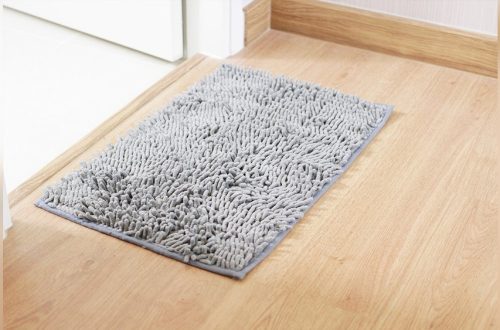
Bathroom rugs have a soft, fuzzy texture cats love. Cats enjoy kneading and resting on soft surfaces. The material feels comforting under their paws. Rugs also hold scents from people and pets. These smells attract cats, making the rug feel familiar. Cats mark spots with their scent. The rug’s texture and smell make it a favorite place.
Warmth And Comfort
Bathroom rugs stay warm longer than hard floors. Cats seek warm spots to relax and nap. The rug’s warmth offers a cozy place for cats. Bathrooms often have quiet, low-traffic areas too. This adds to the comfort and safety cats want. Warmth and calm combine to make rugs ideal resting spots.
Steps To Stop The Behavior
Stopping your cat from peeing on the bathroom rug takes patience and care. Understanding the reasons behind this behavior helps you find the right solution. The next steps focus on key areas to change your cat’s habits.
Improving Litter Box Setup
Check your cat’s litter box. It should be clean and easy to access. Scoop waste daily and change litter weekly. Use a litter type your cat likes. Place the box in a quiet, low-traffic area. Avoid placing it near food or water bowls. Add more boxes if you have multiple cats. A good setup encourages your cat to use the box regularly.
Addressing Medical Concerns
Visit the vet to rule out health problems. Urinary tract infections can cause accidents. Kidney issues or bladder stones also affect behavior. Early diagnosis helps your cat feel better. Treating medical issues stops unwanted urination. Keep an eye on any changes in your cat’s bathroom habits.
Reducing Stress Triggers
Stress makes cats act out. Loud noises, new pets, or changes in routine can upset them. Create a calm environment with hiding spots and safe spaces. Play with your cat daily to reduce anxiety. Use calming sprays or diffusers if needed. A relaxed cat is less likely to mark outside the litter box.
Cleaning Tips For Affected Rugs
Cleaning rugs that your cat has peed on requires care and the right methods. Rugs can hold strong smells and stains. These odors can make your cat return to the same spot. Quick and proper cleaning helps keep your home fresh. It also helps stop your cat from peeing again on the rug.
Removing Odors Effectively
Start by soaking up the urine with paper towels. Press firmly to remove as much liquid as possible. Avoid rubbing; it spreads the stain. Use a mixture of white vinegar and water to clean the area. Vinegar breaks down urine crystals and neutralizes odor. Let it sit for 10 minutes, then blot dry. Baking soda helps absorb lingering smells. Sprinkle a generous layer on the damp spot. Leave it for a few hours or overnight. Vacuum the baking soda thoroughly afterward.
Preventing Recurrence
Clean the rug as soon as you notice an accident. The smell fades faster and is less likely to attract your cat. Use an enzyme cleaner designed for pet urine. These cleaners break down odor-causing molecules completely. Keep your cat’s litter box clean and in a quiet place. Try placing a fresh rug or mat in the bathroom. This may distract your cat from the old rug. Regularly wash rugs and mats to remove odors fully. Consider using a pet deterrent spray on the rug edges. These sprays discourage your cat from returning to the same spot.
Frequently Asked Questions
Why Does My Cat Pee On The Bathroom Rug?
Cats may pee on bathroom rugs due to stress, medical issues, or litter box problems. Rugs absorb scent, attracting repeated urination. Ensuring a clean litter box and consulting a vet can help resolve this behavior.
How Can I Stop My Cat Peeing On Rugs?
Clean rugs with enzyme-based cleaners to remove odor. Provide multiple clean litter boxes in quiet areas. Reduce stressors and consult a vet if peeing persists. Positive reinforcement helps encourage proper litter box use.
Could Medical Issues Cause My Cat’s Rug Peeing?
Yes, urinary tract infections, bladder stones, or kidney problems can cause inappropriate urination. A veterinary checkup is essential to diagnose and treat any health issues behind this behavior.
Does Litter Box Placement Affect My Cat’s Urination Habits?
Absolutely. Cats prefer quiet, private, and accessible litter box locations. Poor placement can lead to avoidance and rug urination. Ensure boxes are placed in calm, low-traffic areas for best results.
Conclusion
Cats pee on bathroom rugs for many reasons. Stress, health issues, or dirty litter boxes often cause this. Watch your cat’s behavior closely. Clean the rug regularly to remove smells. Give your cat a calm, clean space. Visit the vet to rule out health problems.
Patience and care can help stop this habit. Small changes make a big difference. Your cat will feel better and so will you.