Have you ever wondered if you can use a normal rug in your bathroom? It sounds like a simple question, but the answer can affect your comfort, safety, and even the look of your space.
You want your bathroom to feel cozy and stylish, but you also need to make sure it stays dry and mold-free. Keep reading to discover what really happens when you bring a regular rug into your bathroom and how to choose the best option for your home.
This could save you from costly mistakes and help you create a bathroom you love.
Bathroom Rug Types
Bathroom rugs come in many types. Each type suits different needs and styles. Choosing the right rug can make your bathroom safer and more comfortable. Some rugs focus on water resistance, while others prioritize softness and absorbency. Understanding these types helps you pick the best rug for your space.
Below are common bathroom rug types based on their material and function. This guide helps you decide which rug works best for your bathroom.
Common Rug Materials
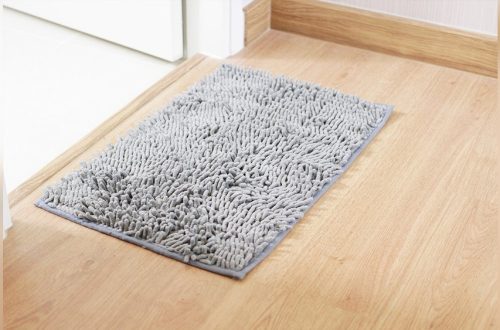
Bathroom rugs often use cotton, polyester, or microfiber. Cotton rugs feel soft and natural. Polyester rugs dry quickly and resist stains. Microfiber rugs are lightweight and easy to clean. Each material offers different comfort and durability. Choose a material that fits your bathroom’s moisture level.
Water-resistant Options
Water-resistant rugs prevent mold and mildew growth. Materials like memory foam with a vinyl backing are popular. These rugs dry fast and stay in place. Rubber-backed rugs help avoid slips on wet floors. Water resistance is key for wet bathroom areas.
Absorbent Fabrics
Absorbent rugs soak up water after showers or baths. Cotton and bamboo rugs absorb moisture well. They help keep your floor dry and safe. These rugs need frequent washing to avoid odors. Absorbent fabrics add comfort and cleanliness.
Challenges With Normal Rugs
Using a normal rug in the bathroom can cause several problems. Bathrooms have high moisture and water spills. Normal rugs are not made to handle wet conditions. This can lead to damage and safety issues. Knowing these challenges helps you decide if a normal rug fits your bathroom needs.
Moisture Damage Risks
Normal rugs absorb water quickly. This makes the rug wet and heavy. Wet rugs dry very slowly in bathrooms. Constant moisture damages the rug fibers. Over time, the rug can start to break down and lose its shape. This shortens the rug’s life span and makes it look old fast.
Mold And Mildew Concerns
Wet rugs create a perfect place for mold and mildew. These fungi grow easily in damp and dark areas. Mold smells bad and can cause health problems. It is hard to remove once it grows inside the rug. Mold can spread to other parts of the bathroom too.
Slipping Hazards
Normal rugs often lack a non-slip backing. This makes them move on wet bathroom floors. Moving rugs increase the chance of slipping and falling. Wet bathroom floors are already slippery. A moving rug adds extra risk of injury for kids and older adults.
Choosing The Right Rug
Choosing the right rug for your bathroom is important. A rug adds comfort and style but must also handle moisture well. Picking the wrong rug can lead to mold, slips, or damage. Consider key factors to make a smart choice.
Focus on materials that resist water and dry quickly. Safety is key, so non-slip backing is a must. Size and placement affect both safety and look. These details make your bathroom safe and cozy.
Material Durability
Bathroom rugs face water and frequent use. Choose materials that dry fast and resist mold. Cotton and microfiber are soft but may stay damp longer. Synthetic fibers like nylon or polyester dry quickly and last longer. Avoid wool or heavy fabrics that hold water. A durable rug keeps its shape and color despite wet floors.
Non-slip Backing Importance
Bathroom floors get wet and slippery. A rug with non-slip backing prevents falls. Rubber or latex backing grips the floor firmly. Without this, rugs can slide and cause accidents. Always check if your rug has a safe, anti-slip bottom. Safety should never be overlooked in wet areas.
Size And Placement Tips
Choose a rug size that fits your bathroom space well. It should cover areas where water drips, like in front of the sink or tub. Avoid rugs that are too large or too small. A rug too big can bunch up, causing trips. Place rugs flat and near bathroom fixtures for best use. Proper size and placement keep the floor dry and reduce hazards.
Maintenance And Care
Using a normal rug in the bathroom means extra care to keep it fresh and clean. Bathrooms are damp places. Rugs here need special attention to avoid mold, mildew, and bad smells. Simple steps help your rug last longer and look good.
Cleaning Frequency
Wash your rug at least once a week. More often if it gets wet or dirty. Small rugs might need daily shaking or spot cleaning. Use mild detergent to protect the fabric. Avoid harsh chemicals that can damage fibers.
Drying Techniques
After washing, dry the rug completely. Hang it outside or in a well-ventilated room. Avoid leaving it on the floor while wet. Damp rugs breed bacteria and mold quickly. Use a fan or open windows to speed drying.
Preventing Odors
Keep your rug smelling fresh by drying it fast. Sprinkle baking soda on it before vacuuming. Baking soda absorbs moisture and odors. Regular cleaning stops bacteria buildup. Replace the rug if smells persist despite care.
Expert Recommendations
Choosing the right rug for your bathroom needs care. Bathrooms have high moisture and water spills. Normal rugs may not hold up well here. Experts suggest picking materials and designs made for wet spaces. This keeps your bathroom safe and fresh.
Best Rug Types For Bathrooms
Look for rugs made of quick-drying fabrics. Cotton and microfiber rugs absorb water and dry fast. Rubber-backed rugs prevent slipping on wet floors. Memory foam rugs add comfort and resist water damage. Avoid thick, heavy rugs that trap moisture.
Alternatives To Normal Rugs
Consider bath mats designed for bathrooms. They dry quickly and resist mold. Bamboo mats offer natural water resistance. Vinyl or plastic mats are easy to clean and waterproof. These options last longer than regular rugs.
Safety Enhancements
Slip resistance is key in bathrooms. Use rugs with non-slip backing or add a rubber pad underneath. Make sure the rug stays flat to avoid tripping. Regular cleaning prevents mold and mildew buildup. These steps keep your bathroom safe and hygienic.
Frequently Asked Questions
Can I Use A Normal Rug In A Bathroom?
Using a normal rug in a bathroom is not ideal. Regular rugs lack water resistance and dry slowly. This can lead to mold, mildew, and damage. Bathroom rugs should be quick-drying and moisture-resistant for safety and durability.
What Makes Bathroom Rugs Different From Normal Rugs?
Bathroom rugs are designed with water-resistant materials. They dry quickly and prevent mold growth. They also have non-slip backings for safety on wet floors. Normal rugs lack these features, making them unsuitable for bathroom use.
How To Prevent Mold On Rugs In Bathrooms?
To prevent mold, use quick-drying, water-resistant rugs. Wash rugs regularly and ensure good bathroom ventilation. Avoid using thick or absorbent rugs that stay damp for long periods.
Are Cotton Rugs Suitable For Bathroom Use?
Cotton rugs absorb water quickly but dry slower than synthetic ones. They can become damp and develop mold if not dried properly. Synthetic, quick-drying rugs are generally better for bathrooms.
Conclusion
Using a normal rug in the bathroom can work with care. Choose rugs that dry quickly and resist water damage. Clean them often to avoid mold and bad smells. Rugs with non-slip backing improve safety on wet floors. Think about the material and size before placing it.
A simple rug can make your bathroom cozy and warm. Just remember to keep it dry and clean for best results. Small changes make a big difference in bathroom comfort.