Are you tired of cold, plain floors in your bathroom? Making your own bathroom rugs can change that quickly and easily.
Imagine stepping onto a soft, cozy rug that matches your style perfectly—without spending a fortune. In this guide, you’ll discover simple steps to create beautiful, custom rugs that bring comfort and charm to your space. Ready to transform your bathroom into a warm, inviting retreat?
Let’s get started!
Choosing The Right Materials
Choosing the right materials is important for making bathroom rugs. The materials affect how the rug feels, looks, and lasts. Picking good fabrics, yarns, and tools helps you create a rug that is soft, strong, and easy to clean.
This section guides you through selecting the best fabric types, yarn or thread, and the tools needed for your project.
Selecting Fabric Types
Cotton is soft and absorbs water well. It dries quickly, making it good for bathroom rugs. Polyester resists stains and dries fast. It works well in damp areas. Wool feels warm and thick. It can absorb water but takes longer to dry. Choose fabric that feels comfortable under your feet and handles moisture well.
Picking Suitable Yarn Or Thread
Look for yarn that is strong and easy to clean. Cotton yarn is soft and dries fast. Acrylic yarn resists mold and dries quickly. Avoid yarns that hold water or lose color. Choose thread that matches your fabric and yarn. It should be strong enough to hold the rug together tightly.
Tools And Supplies Needed
You need a sturdy rug canvas or backing. It holds the yarn or fabric in place. A latch hook or rug hook helps pull yarn through the backing. Scissors cut fabric and yarn cleanly. Measuring tape keeps your rug size accurate. A frame or hoop can keep the backing tight while you work.
Preparing Your Workspace
Preparing your workspace is the first step to making beautiful bathroom rugs. A clean, organized area helps you work better. It keeps all your tools and materials within reach. This saves time and reduces stress. Setting up the right space makes the process smooth and fun.
Setting Up A Comfortable Area
Choose a flat surface with enough room to spread your materials. A table or floor space works well. Make sure the area has good light. Natural light is best, but a bright lamp also helps. Sit on a comfortable chair or cushion. Comfort helps you focus and work longer without pain. Keep the space neat to avoid losing small items.
Gathering Necessary Equipment
Collect all tools before you start. You will need scissors, fabric glue, or a sewing kit. Choose soft, absorbent fabric like cotton or microfiber. A measuring tape helps make accurate cuts. Keep a bowl or bucket nearby for water if needed. Having everything ready stops interruptions. It makes your rug-making process faster and smoother.
Basic Techniques For Rug Making
Making your own bathroom rugs can be fun and relaxing. Basic techniques help you create rugs that look great and feel soft. Learning simple methods saves money and lets you add personal style. These easy ways work well for beginners and give nice results.
Simple Knotting Methods
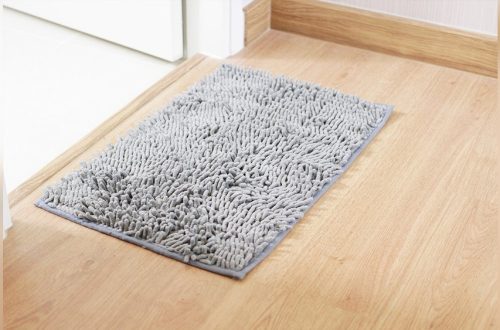
Knotting is one of the easiest ways to start rug making. Use thick yarn or fabric strips. Tie knots tightly around a frame or base. The knots create a fluffy, textured surface. Repeat the knots in rows until the rug is full. This method works fast and needs little equipment.
Weaving Basics
Weaving involves crossing threads over and under each other. Use a small loom or a cardboard frame. Stretch warp threads lengthwise. Weave weft threads across the warp threads. Change colors or yarn types for patterns. Weaving makes a flat, smooth rug surface. It is strong and durable for bathroom use.
Using A Rug Hook
A rug hook pulls yarn through a fabric base. Use a special hook tool and a canvas mesh. Push the hook through the mesh, grab the yarn, and pull it back. This makes small loops on the surface. Fill the rug area with loops in different colors. Rug hooking is creative and allows detailed designs.
Step-by-step Rug Creation
Creating your own bathroom rug can be fun and rewarding. This step-by-step guide helps you make a rug that fits your space perfectly. Follow the simple steps below to design a rug that feels soft and looks great.
Measuring And Cutting Materials
Start by measuring the bathroom floor space. Note the length and width where you want the rug. Use these numbers to decide your rug size.
Choose fabric or old towels for the rug base. Mark the material using your measurements. Cut the fabric carefully with sharp scissors. Keep edges neat for a clean finish.
Starting The Base
Lay the cut fabric flat on a clean surface. Fold edges slightly to prevent fraying. Sew or glue the edges if needed. This step makes the base strong and long-lasting.
Add a non-slip backing for safety. Use a non-slip rug pad or spray. Stick it well to avoid slipping on wet floors.
Adding Texture And Patterns
Use yarn, fabric scraps, or old clothes for texture. Cut them into strips or shapes. Attach them to the base by sewing or gluing.
Create patterns with colors and shapes. Simple stripes or dots work well. This makes the rug attractive and unique.
Finishing Touches
Check all edges and attachments. Reinforce any loose parts with extra stitches or glue. Trim any uneven threads or fabric bits.
Wash your rug gently before use. Dry it completely to keep it fresh. Your handmade bathroom rug is ready to brighten your space.
Customizing Your Rug
Customizing your bathroom rug makes it unique and perfect for your space. You control every detail, from colors to safety features. This way, your rug fits your style and needs.
Choosing Colors And Designs
Pick colors that match your bathroom walls and tiles. Soft blues or greens create a calm feel. Bright colors like red or yellow add energy. Simple patterns work well in small bathrooms. Larger spaces can handle bold, busy designs. Choose shapes that fit your bathroom layout. Round rugs soften sharp corners. Rectangular rugs fit long, narrow spaces.
Incorporating Non-slip Backing
Non-slip backing keeps your rug from sliding on wet floors. It adds safety and comfort. Use rubber or silicone sheets under the rug. You can buy non-slip mats at craft stores. Cut them to fit your rug’s size. Attach the backing with fabric glue or sew it on. Test the rug on your bathroom floor. Make sure it stays in place with movement.
Care And Maintenance Tips
Proper care keeps your bathroom rugs fresh and lasting longer. Simple steps maintain their look and feel. Clean rugs prevent dirt buildup and bad smells. Regular care saves money by avoiding early replacements.
Cleaning Your Rug
Shake your rug outside to remove loose dirt. Wash it gently with mild soap and cold water. Avoid harsh chemicals that can damage fibers. Use a soft brush to clean stubborn spots. Rinse thoroughly to remove all soap. Hang the rug to air dry completely before use.
Extending Durability
Place rugs away from direct sunlight to stop fading. Rotate rugs regularly to distribute wear evenly. Use a non-slip mat underneath to prevent movement. Avoid stepping on rugs with wet or dirty feet. Store rugs flat in a dry place when not in use. Follow care instructions to keep your rug strong and soft.
Creative Ideas For Bathroom Rugs
Creative ideas can make bathroom rugs stand out and feel special. A simple rug can turn into a fun and cozy part of your bathroom. Try new shapes and mix materials for a fresh look. These ideas bring life and comfort to your space.
Bathroom rugs do not have to be plain or boring. Unique designs can add charm and personality. Use simple methods to create rugs that fit your style and space perfectly.
Unique Shapes And Sizes
Choose shapes beyond the usual rectangle. Circles, ovals, or irregular shapes catch the eye. They fit well in small or awkward spaces. A round rug under a sink looks soft and inviting. Small rugs in front of the toilet add function and style. Play with sizes to balance the room. Large rugs create warmth, while small ones add pops of color. Cut old rugs into fun shapes for a custom look.
Mixing Materials For Style
Combine different materials for texture and interest. Cotton, bamboo, and jute bring natural warmth. Soft microfiber feels gentle on tired feet. Layer thin rugs over thicker ones for depth. Mix rough and smooth surfaces to add style. Use waterproof bases for safety and durability. Try sewing fabric strips or yarn into a mat. Mixing materials makes rugs unique and eye-catching.
Frequently Asked Questions
What Materials Are Best For Bathroom Rugs?
The best materials are cotton, microfiber, and memory foam. These absorb water well and dry quickly. They provide comfort and prevent slips in wet areas.
How Do You Make A Non-slip Bathroom Rug?
Use a rubber or silicone backing on your rug. You can attach a non-slip mat underneath for extra grip. This prevents slipping on wet bathroom floors.
Can I Customize Bathroom Rugs With Designs?
Yes, you can customize rugs using fabric paint or embroidery. Choose waterproof materials to ensure durability. Custom designs add a personal touch and style to your bathroom.
How Often Should Bathroom Rugs Be Washed?
Wash bathroom rugs every one to two weeks to prevent mold. Use warm water and mild detergent for best results. Regular washing keeps rugs fresh and hygienic.
Conclusion
Making your own bathroom rugs can be simple and fun. Choose soft, absorbent materials for comfort and safety. Cut and sew carefully to fit your space well. Personal touches can add charm and style. Handmade rugs save money and let you customize colors and shapes.
Enjoy a cozy bathroom with your unique creation. Try it today and see the difference!