Are you tired of bathroom rugs that don’t match your style or feel uncomfortable under your feet? Imagine stepping out of the shower onto a soft, cozy rug you made yourself—designed exactly how you want it.
Making your own bathroom rug is easier than you think, and it lets you add a personal touch to your space. In this guide, you’ll discover simple steps and insider tips to create a rug that’s not just beautiful but also practical.
Ready to transform your bathroom and enjoy that fresh, handmade feeling every day? Let’s get started!
Choosing The Right Materials
Choosing the right materials is key to making a great bathroom rug. The right fabric keeps your feet warm and dry. The backing stops slipping, making your rug safe. Tools help you put everything together easily. This section covers what you need to pick and prepare.
Fabric Options For Comfort
Soft cotton feels nice on your feet. It absorbs water well and dries fast. Terry cloth is another good choice. It is thick and very absorbent. Microfiber rugs dry quickly and resist stains. Choose fabric that is easy to clean and feels good.
Non-slip Backing Choices
Slip-resistant backing keeps your rug in place. Rubber backing works well on tile floors. Felt with a rubber layer can also help. You can buy non-slip mats to cut and attach. Make sure the backing covers the whole rug bottom. This stops accidents in wet areas.
Tools You’ll Need
Scissors or a rotary cutter helps cut fabric smoothly. A sewing machine or needle and thread joins pieces. Fabric glue works if you don’t want to sew. Measuring tape ensures the right rug size. Pins or clips keep fabric steady while working. These tools make your rug sturdy and neat.
Measuring And Cutting Fabric
Measuring and cutting fabric is the first step to create your own bathroom rug. This part sets the base for a perfect rug size and shape. Taking accurate measurements and cutting the fabric carefully ensures your rug fits well and looks neat. Preparing the fabric well makes sewing or gluing easier later.
Determining The Rug Size
Decide where you want to place your rug in the bathroom. Measure the space around the bathtub, sink, or toilet. Use a tape measure for exact dimensions. Add a few inches to each side for comfort and style. Choose a size that fits the space without crowding it. Remember, a rug too big can block doors or drawers.
Marking And Cutting Tips
Lay your fabric flat on a clean surface. Use a ruler or straight edge to draw lines where you will cut. Mark the fabric lightly with a pencil or tailor’s chalk. Cut slowly along the marked lines using sharp fabric scissors. Keep your hand steady for straight edges. Avoid cutting too close to the mark to allow small adjustments later.
Creating The Rug Base
Creating the rug base is an important step in making your bathroom rug. It gives the rug strength and helps it last longer. A strong base stops the rug from slipping on the floor. It also keeps the shape neat and tidy.
Use materials like non-slip rug pads or thick fabric for the base. Cut the base to the size and shape you want for your rug. Make sure the base fits well under your rug top layer. This will make the rug comfortable and safe to use.
Attaching The Backing
Choose a backing material that stops slipping, like rubber or felt. Place the backing under your rug fabric. Use a strong glue or fabric adhesive to join them. Press firmly to make sure the backing sticks well. Let it dry completely before moving on.
Sewing the backing can add extra strength. Use a sewing machine or hand stitch around the edges. This keeps the backing in place even after washing. A well-attached backing helps your rug stay flat on the floor.
Securing Edges Neatly
Trim any loose threads or fabric around the edges. Fold the edges under to hide raw fabric. Use a needle and thread to sew the edges. Choose a thread color that matches your rug fabric.
Use small, even stitches for a clean look. This prevents fraying and keeps the rug looking new. You can also add a fabric trim for decoration and extra strength. Neat edges give your rug a finished and professional look.
Adding Texture And Design
Adding texture and design to your bathroom rug makes it unique and cozy. It transforms a plain rug into a stylish piece. Different textures and patterns can create a special feel under your feet. It also helps your rug fit your bathroom’s style.
Techniques For A Plush Feel
Use thick yarns or fabrics to make the rug soft and fluffy. Looping or tufting methods create a raised surface that feels nice. You can sew multiple layers of fabric for extra padding. Another way is to add a soft backing for comfort.
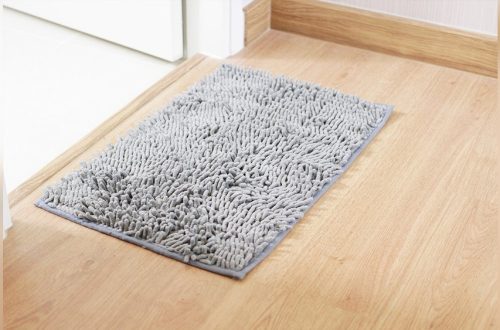
Cotton, chenille, and microfiber are good choices for plush rugs. These materials absorb water well and dry quickly. They keep your feet warm and prevent slipping.
Incorporating Patterns Or Colors
Choose colors that match your bathroom decor. You can mix light and dark shades to create contrast. Simple geometric shapes or stripes add style without clutter.
Try dyeing the fabric or using colored yarns for patterns. Painting designs on the rug fabric works too. Use stencils for clean and even shapes.
Patterns can guide the eye and make your bathroom look larger. Bright colors bring energy, while soft hues create calmness.
Finishing Touches
Finishing touches bring your bathroom rug to life. They make it look neat and last longer. Small details matter. Take time to perfect these steps for a beautiful result.
Trimming Loose Threads
Check the rug for loose threads. Use sharp scissors to cut them close to the surface. Avoid pulling on threads; this can damage the rug. Trim carefully around edges and corners. This step keeps your rug tidy and safe.
Washing And Care Instructions
Wash your rug gently to keep colors bright and fibers strong. Use cold water and mild detergent. Hand wash or use a delicate cycle in the machine. Avoid bleach or harsh chemicals. Let the rug air dry flat to keep its shape. Regular care keeps your rug soft and fresh for bathroom use.
Tips For Long-lasting Rugs
Making your own bathroom rug is fun and rewarding. Keeping it fresh and strong takes some care. These tips help your rug last longer. Follow simple steps to keep it clean and in good shape.
Maintenance Practices
Wash your rug regularly to remove dirt and germs. Use mild soap and cold water for gentle cleaning. Avoid harsh chemicals that can damage the fabric. Dry the rug completely to stop mold and bad smells. Shake or vacuum the rug often to keep dust away. Spot clean spills right after they happen. Rotate the rug to spread wear evenly. Check the edges for loose threads and fix them fast.
Storage Suggestions
Store your rug in a dry, cool place when not in use. Roll the rug instead of folding to avoid creases. Keep it away from direct sunlight to prevent fading. Use breathable storage bags to stop moisture build-up. Avoid stacking heavy items on top of the rug. Clean the rug before storing to prevent stains from setting. Air the rug outside occasionally to keep it fresh. Proper storage helps keep the rug soft and strong.
Frequently Asked Questions
What Materials Do I Need For A Diy Bathroom Rug?
You need absorbent fabric like cotton or microfiber, non-slip backing, scissors, fabric glue, and a sewing kit. These materials ensure your rug is soft, durable, and safe for bathroom use.
How Do I Make A Bathroom Rug Non-slip?
Attach a non-slip rug pad or fabric backing to the underside. This prevents slipping and keeps the rug securely in place on wet floors.
What Is The Best Size For A Bathroom Rug?
Choose a rug size that fits comfortably in front of your sink or bathtub. Common sizes range from 20×30 inches to 24×36 inches for optimal coverage.
Can I Wash My Homemade Bathroom Rug?
Yes, most DIY bathroom rugs made from cotton or microfiber are machine washable. Use gentle cycle and air dry to maintain softness and durability.
Conclusion
Making your own bathroom rug can be fun and simple. It saves money and lets you choose colors and style. You control the size and shape to fit your space. Plus, it feels good to use something you made yourself.
Try different materials and patterns to find what you like best. Enjoy the process and add a personal touch to your bathroom. This small project can brighten your room and make it cozy. Give it a try and see how easy it can be!