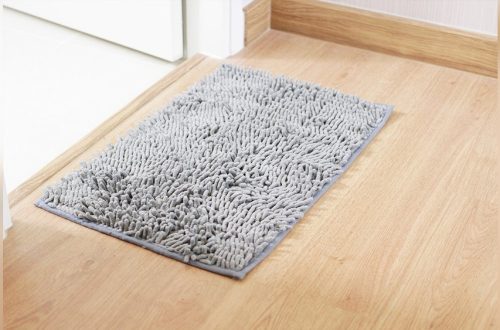
Your bathroom rug sees a lot more action than you might think. It absorbs water, traps dust, and even holds onto germs.
But how often do you actually wash it? If you’re unsure, you’re not alone. Washing your bathroom rug regularly isn’t just about keeping it looking fresh—it’s about protecting your health and making your bathroom a cleaner, more comfortable space. Keep reading to discover the simple routine that will keep your bathroom rugs spotless and your home healthier.
Bathroom Rug Cleaning Frequency
Bathroom rugs collect dirt, moisture, and germs fast. Cleaning them often keeps your bathroom fresh and safe. Knowing how often to wash bathroom rugs helps maintain a clean space. It also stops bad smells and mold growth. Follow a simple cleaning schedule to keep rugs in good shape.
Daily Maintenance Tips
Shake out your bathroom rug every day. This removes dust and small debris. After showering, hang the rug to dry quickly. Dry rugs prevent mold and mildew. Avoid stepping on wet rugs with bare feet.
Weekly Washing Schedule
Wash bathroom rugs once a week. Use warm water and mild detergent. Check the care label before washing. Machine-washable rugs are easy to clean this way. Air dry or tumble dry on low heat. This routine controls bacteria and keeps rugs soft.
Monthly Deep Cleaning
Deep clean bathroom rugs every month. Soak them in a mixture of water and white vinegar. This kills germs and removes odors. Scrub stubborn stains gently with a soft brush. Rinse well and dry completely in sunlight if possible. Deep cleaning extends the life of your rugs.
Factors Affecting Cleaning Needs
Bathroom rugs need cleaning at different times. The right schedule depends on several factors. These factors affect how often dirt, moisture, and germs build up. Knowing these helps keep rugs fresh and safe.
Household Size And Usage
More people mean more foot traffic on rugs. Rugs in busy bathrooms get dirty faster. Daily use causes quicker wear and stains. Smaller families may clean rugs less often. High usage calls for frequent washing to stay clean.
Humidity And Mold Risk
Bathrooms usually have high humidity. Wet rugs dry slowly and trap moisture. Moist rugs can grow mold and mildew. Mold causes bad smells and health issues. Wash rugs more often in humid bathrooms. Use quick-drying rugs to reduce mold risk.
Material Type And Care Instructions
Different materials need different care. Cotton rugs usually wash well in machines. Wool or delicate rugs may need gentle cleaning. Check care labels before washing. Some materials dry faster than others. Choose rugs that match your cleaning habits.
Washing Methods For Bathroom Rugs
Bathroom rugs collect dirt, water, and bacteria every day. Cleaning them often keeps your bathroom fresh and safe. Different rugs need different washing methods. Choosing the right method helps keep your rug soft and long-lasting.
Below are common washing methods for bathroom rugs. Each method fits certain rug types and care labels.
Machine Washing Guidelines
Many bathroom rugs can go in the washing machine. Use cold or warm water to avoid damage. Select a gentle cycle to protect the rug fibers. Use mild detergent without bleach to keep colors bright. Avoid overloading the machine to clean the rug well. After washing, air dry the rug or use a low heat setting.
Hand Washing Techniques
Hand washing works well for delicate or small rugs. Fill a basin with warm water and mild detergent. Soak the rug for 10 to 15 minutes. Gently scrub with a soft brush or cloth. Rinse thoroughly with clean water to remove soap. Press out water without wringing to avoid damage. Lay flat or hang to dry in a well-ventilated area.
Dry Cleaning Options
Some bathroom rugs require dry cleaning. This method suits rugs with special materials or labels. Take your rug to a professional cleaner for safe treatment. Dry cleaning removes stains and dirt without water. It helps keep the rug’s shape and color intact. Use this option when machine or hand washing is not safe.
Drying And Maintenance Tips
Keeping bathroom rugs clean and dry is key to lasting freshness. Proper drying and regular upkeep stop odors and damage. Follow simple steps to maintain your rugs well. This saves money and keeps your bathroom nice.
Proper Drying Methods
After washing, shake out excess water. Hang rugs in a sunny, airy place. Avoid folding or bunching while drying. Use a drying rack or clothesline for best airflow. Make sure rugs dry completely to stop damp smells.
Preventing Mold And Mildew
Wet rugs can grow mold fast. Always dry rugs right after use or washing. Avoid leaving rugs on a wet floor. Spray rugs lightly with a vinegar-water mix to kill germs. Regular drying keeps mold and mildew away.
Regular Vacuuming And Spot Cleaning
Vacuum rugs weekly to remove dust and hair. Clean spills and stains immediately with mild soap. Avoid harsh chemicals that can damage rug fibers. Spot cleaning keeps rugs looking fresh longer. This simple step saves deep washing time.
Choosing The Right Bathroom Rug
Choosing the right bathroom rug is important for comfort and cleanliness. A good rug fits your bathroom’s style and stays fresh longer. Picking the right material helps keep dirt away. Quick-drying rugs prevent mold and bad smells. Rugs with non-slip backing keep you safe after a shower.
Materials That Resist Dirt
Some materials are better at staying clean. Synthetic fibers like nylon and polyester resist dirt well. They dry quickly and do not hold stains easily. Natural fibers like cotton absorb water and dirt faster. Choose rugs with tight weaves to stop dirt from settling. This makes washing easier and less frequent.
Quick-drying Options
Quick-drying rugs help prevent mold and mildew growth. Look for rugs made from microfiber or memory foam. These dry faster than cotton or wool. Fast drying rugs reduce bad smells. They stay fresh longer and need washing less often. A dry rug feels nice under your feet too.
Non-slip Features
Safety is important in a wet bathroom. Non-slip backing stops rugs from sliding on tile or wood floors. Rubber or latex backs hold the rug in place. Some rugs have textured bottoms for extra grip. A secure rug helps avoid slips and falls. Always check the rug’s grip before buying.
Frequently Asked Questions
How Often Should Bathroom Rugs Be Washed?
Bathroom rugs should be washed every one to two weeks. Frequent washing prevents bacteria, mold, and unpleasant odors. Regular cleaning maintains hygiene and freshness in your bathroom space.
Can Bathroom Rugs Be Washed In A Washing Machine?
Yes, most bathroom rugs are machine washable. Use gentle cycle and cold water to avoid damage. Always check the care label for specific washing instructions.
What Happens If Bathroom Rugs Are Not Washed Regularly?
Unwashed bathroom rugs can harbor bacteria, mold, and mildew. This leads to unpleasant odors and potential health risks. Regular washing keeps your bathroom clean and safe.
How To Dry Bathroom Rugs After Washing?
Air drying is best to maintain rug quality. Hang the rug in a well-ventilated area away from direct sunlight. Avoid high heat to prevent shrinking or damage.
Conclusion
Bathroom rugs need regular washing to stay clean and fresh. Washing them every one to two weeks helps remove dirt and germs. This habit keeps your bathroom safe and smelling nice. Choose the right detergent and follow care instructions. Dry the rugs completely before use to avoid mold.
Clean rugs also look better and last longer. Taking small steps like this improves your home’s hygiene easily. Simple care makes a big difference. Keep your bathroom rugs clean for a healthier space.