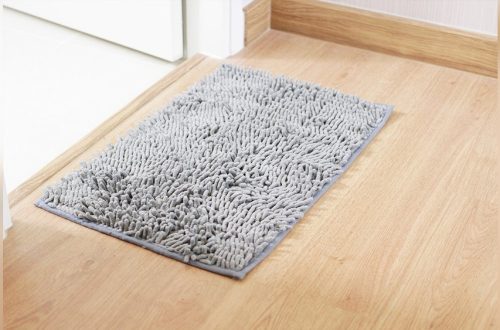
Your bathroom rug takes a lot of daily wear and tear—from water splashes to dirt and dust. But do you know the best way to clean it without damaging the fabric or losing its softness?
Choosing the right wash cycle can make all the difference in keeping your bathroom rug fresh, fluffy, and long-lasting. You’ll discover exactly which wash cycle works best for your bathroom rugs and some simple tips to get the most out of every wash.
Keep reading—you’ll never look at laundry day the same way again.
Choosing The Right Wash Cycle
Choosing the right wash cycle is key to keeping bathroom rugs clean and lasting longer. The wash cycle affects how well the rug gets cleaned and how much wear it takes. Picking the correct cycle can protect the fibers and colors of your rug. It also helps avoid damage or shrinking. Understanding the differences between wash cycles can guide you to better care for your bathroom rugs.
Delicate Vs. Regular Cycles
Delicate cycles use slower spin speeds and gentler motions. They reduce stress on rug fibers. Regular cycles are faster and more intense. They remove dirt more quickly but can be rough on rugs. For bathroom rugs with soft or loose fibers, delicate cycles are safer. Sturdy rugs can handle regular cycles without much risk. Choose based on the rug’s material and how dirty it is.
Benefits Of Gentle Cycles For Rugs
Gentle cycles protect the rug’s texture and shape. They lower the chance of fraying and color fading. These cycles use less water and energy, saving resources. Rugs stay soft and look newer for longer. Gentle cycles also prevent shrinking and stretching. They are ideal for maintaining rug quality over many washes.
Material Matters
Choosing the right wash cycle depends largely on the rug’s material. Different materials need different care to stay fresh and last longer. Understanding your bathroom rug’s fabric helps avoid damage and keeps it clean.
Cotton Rugs
Cotton rugs handle machine washing well. Use a gentle cycle with cold water to protect fibers. Avoid hot water to prevent shrinking. Use mild detergent and skip bleach. Air dry or tumble dry on low heat to keep softness.
Synthetic Rugs
Synthetic rugs like polyester or nylon resist stains and dry quickly. Wash them on a gentle cycle with cold water. Use mild detergent to preserve colors and texture. Avoid high heat drying to prevent melting or warping.
Memory Foam And Rubber Backed Rugs
Memory foam and rubber-backed rugs need special care. Hand wash or use a delicate cycle with cold water. Avoid machine drying to protect the backing. Lay flat to air dry and keep the shape intact.
Preparing Rugs For Washing
Preparing bathroom rugs for washing is a key step to keep them clean and fresh. It helps remove loose dirt and prevents damage during the wash. Proper preparation also targets stubborn stains before the full wash cycle. Follow these simple steps to get your rugs ready.
Shaking And Vacuuming
Start by taking the rug outside. Give it a good shake to remove dust and loose dirt. Shaking helps clear debris trapped deep in the fibers. After shaking, use a vacuum cleaner. Vacuum both sides of the rug carefully. This step removes smaller particles and dust. It prepares the rug for a thorough wash.
Spot Cleaning Stains
Check the rug for any visible stains. Treat these spots before washing. Use a mild detergent or a stain remover. Apply it gently on the stain. Let it sit for a few minutes. Then, blot the area with a clean cloth. This step prevents stains from setting deeper during washing. Spot cleaning improves overall rug cleanliness.
Water Temperature Tips
Choosing the right water temperature is key to washing bathroom rugs well. Water temperature affects cleaning power and rug care. Different temperatures work best depending on the rug’s material and color.
Using the correct temperature helps keep rugs fresh and in good shape. It also prevents damage like fading or shrinking. Below are simple tips for water temperature settings.
Cold Water For Color Protection
Cold water is gentle on colors. It stops bright colors from bleeding or fading. Use cold water for rugs with bright or dark colors. It helps rugs keep their look longer.
Cold water also saves energy. It cleans dirt and dust well enough for daily use. Choose cold water for light cleaning or delicate rugs.
Warm Water For Deep Cleaning
Warm water cleans better for tough dirt and oils. It is good for rugs with heavy stains or buildup. Warm water helps remove grime without harsh scrubbing.
Use warm water for white or light-colored rugs. It brightens the rug and removes dirt effectively. Avoid warm water on delicate or colored rugs to prevent damage.
Detergent Selection
Choosing the right detergent is key to washing bathroom rugs well. The detergent cleans the rug without damaging the fibers or colors. It also helps remove dirt, oils, and bacteria that build up in the bathroom environment.
Using the wrong detergent can make rugs stiff or cause colors to fade. It can also leave residues that attract more dirt. Selecting the best detergent keeps rugs fresh, soft, and long-lasting.
Choosing Mild Detergents
Pick detergents labeled as gentle or mild. These have fewer harsh ingredients and protect delicate rug fibers. Mild detergents clean effectively without stripping natural oils or colors.
Look for products free from strong scents and dyes. These reduce the risk of skin irritation and allergic reactions. Mild detergents help maintain the rug’s softness and appearance.
Avoiding Harsh Chemicals
Harsh chemicals can damage bathroom rugs quickly. Avoid detergents with bleach, strong acids, or heavy fragrances. These substances weaken fibers and fade colors over time.
Steer clear of detergents with optical brighteners. They may make rugs look good briefly but cause damage later. Choosing chemical-free or eco-friendly detergents supports rug health and the environment.
Drying Bathroom Rugs
Drying bathroom rugs properly keeps them fresh and long-lasting. It also stops bad smells and damage. Choosing the right drying method depends on the rug type and care instructions. Some rugs do better with air drying, while others can handle machine drying. Understanding these methods helps protect your rugs.
Air Drying Vs. Machine Drying
Air drying is gentle and safe for most bathroom rugs. It uses natural air to remove moisture. Place rugs flat or hang them in a well-ventilated area. Avoid direct sunlight to prevent color fading. Air drying takes longer but protects fibers and backing.
Machine drying is faster and works well for durable rugs. Use a low heat or delicate setting to avoid damage. High heat can shrink or weaken rugs. Always check the care label before using a dryer. Some rugs have rubber or latex backs that can melt in high heat.
Preventing Mold And Mildew
Bathroom rugs stay damp after use, creating mold risks. Dry rugs quickly to stop mold growth. Shake rugs out to remove water before drying. Make sure rugs are completely dry before placing them back on the floor.
Good air circulation helps reduce mold chances. Avoid folding or stacking wet rugs. Wash rugs regularly to kill mold spores and bacteria. Clean rugs keep your bathroom healthier and smell better.
Frequency Of Washing
Bathroom rugs collect dirt, moisture, and germs quickly. Washing them often keeps your bathroom fresh and clean. The right washing frequency depends on use and rug type. Regular cleaning helps avoid bad smells and mold growth.
Regular Maintenance Schedule
Wash bathroom rugs at least once every two weeks. For busy bathrooms, wash once a week. Rugs with non-slip backing need gentle washing to keep grip. Use cold water and mild detergent for best care.
Spot clean small stains immediately. Shake rugs outside to remove dust and hair. Let them dry fully before placing back in the bathroom. This prevents mildew and damage.
Signs Your Rug Needs Cleaning
Look for visible dirt or stains on the rug surface. A musty or sour smell means germs and moisture have built up. If the rug feels damp or sticky, wash it right away. Also, check for any fading or color change.
Frequent foot traffic and pets increase the need for washing. Allergies or sensitive skin are signs to clean rugs more often. Clean rugs improve bathroom hygiene and comfort.
Frequently Asked Questions
What Is The Best Wash Cycle For Bathroom Rugs?
Use a gentle or delicate cycle for bathroom rugs. This prevents damage and maintains softness. Avoid harsh cycles to extend rug life.
Can I Use Hot Water To Wash Bathroom Rugs?
It’s best to use cold or warm water. Hot water can shrink or fade the rug. Always check the care label for specific instructions.
How Often Should Bathroom Rugs Be Washed?
Wash bathroom rugs every 1-2 weeks to prevent bacteria buildup. Frequent washing keeps them fresh and hygienic. Adjust based on usage and moisture levels.
Should I Use Fabric Softener On Bathroom Rugs?
Avoid fabric softeners as they can reduce rug absorbency. Use mild detergent instead. This keeps the rug soft without affecting its water absorption.
Conclusion
Choosing the right wash cycle keeps bathroom rugs clean and fresh. Gentle or delicate cycles work best for most rugs. Use cold water to protect colors and fibers. Avoid harsh detergents that can damage the material. Dry rugs thoroughly to prevent mold and mildew.
Regular washing helps maintain hygiene and extends rug life. Clean rugs make your bathroom look neat and inviting. Simple care steps bring lasting comfort underfoot. Follow these tips for the best results every time.