Are you tired of cold, plain bathroom floors? Imagine stepping out of the shower onto a soft, cozy rug that you made yourself.
Sewing your own bathroom rug is easier than you think, and it lets you add a personal touch to your space. In this guide, you’ll discover simple steps to create a stylish, comfortable rug that fits perfectly in your bathroom.
Ready to transform your bathroom and impress yourself with a fun DIY project? Keep reading, and let’s get started!
Choosing The Right Fabric
Choosing the right fabric is key to making a bathroom rug that lasts long and feels good. The fabric must handle water and dry fast. It should also stay soft and look nice over time. Picking the right fabric makes your rug safe and comfy for daily use.
Best Fabrics For Bathroom Rugs
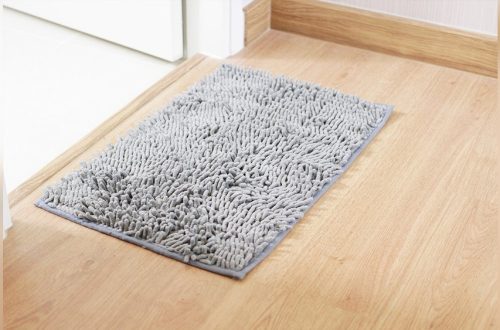
Cotton is a top choice. It is soft, easy to clean, and absorbs water well. Microfiber is another good option. It dries quickly and feels smooth underfoot. Chenille has a plush texture and works well in damp areas. Avoid slippery fabrics like silk or satin.
Fabric Durability And Absorbency
Bathroom rugs face water and heavy foot traffic. Choose fabrics that resist wear and tear. High absorbency helps keep floors dry and safe. Thick fibers trap water and dry fast. Durable fabric prevents holes and thinning from use.
Color And Pattern Selection
Pick colors that hide stains and dirt easily. Dark or patterned fabrics work well for this. Light colors show water marks and dirt quickly. Patterns add style and can match your bathroom decor. Choose colors that make the room feel fresh and clean.
Gathering Essential Supplies
Before starting to sew your bathroom rug, gather all essential supplies. Having everything ready saves time and avoids frustration. It also helps you work smoothly and enjoy the process. Here is a simple list of what you need.
Required Sewing Tools
First, get your sewing machine or needle for hand sewing. Use sharp fabric scissors to cut materials cleanly. A measuring tape or ruler ensures accurate sizing. Pins or clips hold fabric pieces together. Thread matching your fabric color is important. A seam ripper helps fix mistakes easily.
Additional Materials
Choose thick, absorbent fabric for comfort and durability. Terry cloth or cotton works well. Non-slip rug backing keeps the rug safe on the floor. Foam or batting adds extra softness. Make sure all fabrics are washable for easy cleaning.
Optional Decorative Items
Add style with decorative trim, like lace or ribbon. Fabric paint or markers create fun designs. Buttons or appliques add texture and interest. These extras make your rug unique and personal.
Measuring And Cutting Fabric
Measuring and cutting fabric is the first step in sewing a bathroom rug. It helps you get the right size and shape. Accurate measuring and cutting save fabric and make your rug look neat. Follow simple steps to measure and cut fabric easily and correctly.
Determining Rug Size
Start by deciding where the rug will go. Measure the space carefully with a tape measure. Add a few extra inches for the edges and seams. Think about the rug’s shape: square, rectangle, or circle. Write down the exact measurements before cutting the fabric. This step ensures your rug fits well in your bathroom.
Marking And Cutting Techniques
Lay the fabric flat on a clean surface. Use a ruler or measuring tape to mark the fabric. Draw straight lines with a fabric marker or chalk. Cut slowly along the lines with sharp fabric scissors. Keep your hands steady for clean edges. Avoid cutting too fast to prevent uneven shapes. Proper marking and cutting make sewing easier later.
Sewing The Rug Layers
Sewing the rug layers is a key step in making a bathroom rug. It helps give the rug strength, comfort, and shape. The layers include fabric and padding, which combine to make the rug soft and sturdy. Sewing these layers well keeps the rug flat and durable. Here are some tips on layering fabric and padding, stitching methods, and finishing edges.
Layering Fabric And Padding
Start by cutting your fabric pieces to the same size. Use a soft fabric for the top layer, like cotton or terry cloth. For the middle, add padding such as foam or batting. This makes the rug soft and absorbent. The bottom layer should be a non-slip fabric to keep the rug safe on the floor. Stack the layers carefully, aligning all edges neatly.
Stitching Methods
Choose a strong stitch to hold the layers together. A straight stitch works well for simple rugs. For extra strength, use a zigzag stitch along the edges. Sew slowly to keep the fabric from shifting. Start sewing from one corner and move around the rug evenly. Backstitch at the start and end to secure the thread.
Finishing Edges
Trim any excess fabric or padding after sewing. Fold the edges inward to hide raw fabric. Use a topstitch or binding tape to keep the edges neat. This step protects the rug from fraying. Smooth, finished edges give the rug a clean look and longer life.
Adding Non-slip Backing
Adding a non-slip backing is important for bathroom rugs. It keeps the rug in place on wet floors. This prevents slipping accidents and adds safety. The backing also helps the rug last longer by protecting its underside. Choosing the right backing and attaching it properly makes a big difference.
Types Of Backing Materials
Many materials work well as non-slip backing. Rubber is one of the best options. It grips the floor tightly and stops sliding. Felt with a rubberized coating is softer but still prevents movement. Silicone mats also provide good traction and are easy to clean. Some people use adhesive shelf liner for a budget-friendly choice. Pick a backing that suits your floor type and rug size.
Attaching Backing Safely
Attach the backing with care to avoid damage. Use fabric glue designed for bathroom use. It should be waterproof and strong. Spread glue evenly on the backing side of the rug. Press the backing firmly onto the rug fabric. Let it dry flat under weight to stop bubbles. Sewing the edges can add extra hold. Avoid sharp tools that might tear the rug or backing.
Personalizing Your Rug
Personalizing your bathroom rug makes it unique and special. You can add simple touches to match your style and bathroom decor. Small changes can create a big impact. This section shows easy ways to decorate your rug with personal flair.
Embellishments And Embroidery
Adding embellishments like buttons or beads can brighten your rug. Choose colors that match your bathroom theme. Embroidery adds a delicate, handmade touch. Use simple patterns like flowers or initials. This makes the rug feel cozy and inviting.
Adding Fringe Or Tassels
Fringe or tassels add texture and charm to your rug edges. Pick yarn or fabric strips that suit your rug’s color. Attach them evenly along the sides for balance. This detail gives your rug a stylish, finished look. It also adds softness underfoot.
Care And Maintenance Tips
Taking good care of your handmade bathroom rug keeps it fresh and lasts longer. Proper care stops dirt build-up and keeps colors bright. Follow easy steps for washing, drying, and storing your rug.
Washing Instructions
Wash your bathroom rug gently to avoid damage. Use cold water and mild detergent for best results. Avoid bleach or harsh chemicals that can weaken fabric. Hand wash or use a gentle machine cycle. Rinse well to remove all soap. Do not wring the rug to keep its shape.
Drying And Storage
Air drying is best for bathroom rugs. Lay flat on a clean surface or hang in shade. Avoid direct sunlight to prevent fading. Never use a dryer as heat can shrink the fabric. Store rugs in a dry, cool place when not in use. Roll, don’t fold, to avoid creases. Keep them away from damp areas to stop mold growth.
Frequently Asked Questions
What Materials Are Best For Sewing A Bathroom Rug?
Cotton and microfiber fabrics are ideal for bathroom rugs. They absorb water well and dry quickly. Non-slip backing is essential for safety. Choose durable, washable materials to ensure longevity and ease of cleaning.
How Do I Make A Non-slip Bathroom Rug?
Attach a non-slip mat or adhesive backing to the rug’s underside. This prevents slipping on wet bathroom floors. Alternatively, use rubberized fabric or spray-on non-slip coatings for added grip and safety.
What Sewing Tools Do I Need For A Bathroom Rug?
Basic tools include fabric scissors, sewing machine, pins, and measuring tape. Thread should be strong and water-resistant. A rotary cutter helps with precise cuts. These tools streamline the sewing process and improve the rug’s durability.
How Can I Customize My Bathroom Rug Design?
Choose fabrics with colors and patterns matching your bathroom decor. Add decorative stitching, appliques, or embroidery. Customize the size and shape to fit your space perfectly. Personal touches make your rug unique and stylish.
Conclusion
Sewing your own bathroom rug saves money and adds a personal touch. You control the size, color, and fabric choice. The process is simple and fun to try at home. A handmade rug can make your bathroom feel cozy and fresh.
Give yourself time and enjoy each step carefully. Soon, you will have a unique rug that fits your style perfectly. This small project brings big satisfaction and comfort. Why not start today?