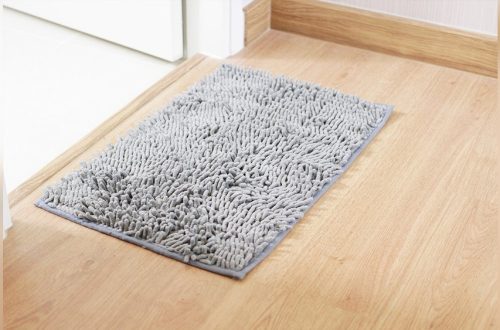
Have you ever stopped to wonder if your bathroom rug is truly clean? You use it every day, but does it harbor germs you can’t see?
Bathroom rugs often soak up moisture and dirt, making them a perfect place for bacteria and mold to grow. If you care about your health and want to keep your home fresh, understanding whether bathroom rugs are sanitary is crucial.
Keep reading, because what you learn here might just change how you think about your bathroom routine—and your rug.
Bathroom Rugs And Hygiene
Bathroom rugs add comfort and style to any bathroom. They feel soft underfoot and help keep floors dry. But their hygiene is a common concern. Rugs can collect dirt, germs, and moisture over time. Understanding how these factors affect bathroom rugs helps maintain a cleaner space.
Keeping bathroom rugs clean is key to preventing bacteria growth. Regular washing and drying reduce health risks. Knowing what germs live on rugs and how moisture plays a role improves bathroom hygiene.
Common Germs On Bathroom Rugs
Bathroom rugs often carry germs from feet and air. These include bacteria like E. coli and Staphylococcus. Fungi and mold spores also settle on damp rugs. Germs thrive in warm, moist environments found in bathrooms.
These microbes can cause skin infections and allergic reactions. Children and people with weak immune systems are more at risk. Regular cleaning helps remove harmful bacteria and fungi.
How Moisture Affects Cleanliness
Bathroom rugs absorb water from wet feet and spills. Constant moisture creates a perfect place for germs to grow. Damp rugs stay wet for hours, allowing bacteria to multiply rapidly.
Dry rugs dry faster and reduce the chance of germs spreading. Using rugs made from quick-dry materials can help. Washing rugs often and letting them dry completely is important to keep them sanitary.
Material Matters
Choosing the right material for bathroom rugs affects cleanliness and comfort. Some materials hold water and germs, while others dry fast and stay fresh. Understanding different fabric types helps keep your bathroom cleaner and safer.
Absorbent Vs. Quick-dry Fabrics
Absorbent rugs soak up water quickly, preventing slippery floors. Cotton and microfiber are common absorbent materials. They feel soft but can stay wet longer. This moisture can cause mold and bacteria growth.
Quick-dry fabrics, like polyester or nylon, dry faster. They reduce dampness, lowering the chance of germs. These rugs are less soft but help keep the bathroom fresh. Choosing between absorbent and quick-dry depends on your bathroom’s humidity and use.
Antimicrobial Rug Options
Some rugs have antimicrobial treatments to fight bacteria and fungi. These treatments stop germs from growing on the rug surface. Materials like bamboo or rugs with special coatings offer this feature.
Antimicrobial rugs are better for hygiene, especially in moist bathrooms. They need regular cleaning to work well. Picking rugs with these features helps keep your bathroom healthier and reduces odors.
Cleaning Bathroom Rugs
Bathroom rugs collect dirt, moisture, and germs daily. Cleaning them keeps your bathroom safe and fresh. Proper care stops bacteria and mold from growing. It also extends the life of your rug. Follow these steps for a clean and healthy bathroom rug.
Effective Washing Techniques
Check the rug’s label for washing instructions. Most bathroom rugs wash well in a machine. Use warm water and mild detergent for best results. Avoid bleach, as it can damage the rug fibers. For delicate rugs, hand wash gently with soap and water. Always rinse thoroughly to remove all soap. Dry the rug completely to prevent mildew.
Frequency Of Cleaning
Wash bathroom rugs at least once a week. Rugs in high-moisture areas may need more frequent cleaning. If the rug feels damp or smells bad, wash it right away. Regular cleaning stops germs and keeps the rug fresh. Frequent washing also prevents stains and buildup.
Dealing With Mold And Mildew
Mold and mildew appear in damp, warm spaces. To stop mold, dry the rug quickly after use. Sunlight kills mold spores and helps dry the rug. Use a vinegar solution to remove mild mold stains. For heavy mold, soak the rug in bleach water briefly. Always wear gloves and ventilate the area when using bleach. Prevent mold by keeping your bathroom well-ventilated.
Preventing Bacteria Build-up
Bathroom rugs can trap moisture and create a perfect spot for bacteria. Preventing bacteria build-up helps keep your bathroom clean and safe. Small changes can reduce germs on your rugs.
Air and dry rugs quickly after use. Keep rugs clean by washing often. Proper care stops bacteria from growing and spreading.
Proper Ventilation Tips
Good airflow dries rugs faster. Open windows or use exhaust fans during showers. Ventilation lowers moisture in the bathroom air.
Keep the bathroom door open after use. This helps air move and dries wet surfaces. Avoid damp spaces where bacteria thrive.
Using Rug Pads And Liners
Place pads under rugs to improve air circulation. Pads help rugs dry faster and reduce dampness. Choose pads made of breathable materials.
Liners protect the floor and keep rugs stable. They also prevent water from staying trapped. This limits places where bacteria can grow.
Alternatives To Traditional Rugs
Traditional bathroom rugs can hold moisture and germs. Alternatives offer cleaner, safer options. These choices keep your bathroom dry and fresh. They also reduce mold and bacteria growth.
Bath Mats With Quick-dry Features
Quick-dry bath mats use special fibers to drain water fast. They dry within minutes after use. This stops moisture buildup and mildew growth. These mats often have a non-slip backing for safety. Easy to wash and maintain, they stay fresh longer.
Non-fabric Floor Coverings
Non-fabric coverings include bamboo, rubber, and vinyl mats. These materials do not absorb water. They dry quickly and resist mold and bacteria. Easy to clean with a simple wipe or rinse. They provide a stable, slip-resistant surface for wet floors.
Maintaining Overall Bathroom Cleanliness
Maintaining overall bathroom cleanliness is key to a healthy home. A clean bathroom reduces germs and keeps the space fresh. It also helps prevent bad odors and mold growth. Taking simple steps daily can make a big difference. Clean floors, fresh towels, and tidy accessories all play a part. These habits help keep bathroom rugs sanitary and safe for use.
Regular Floor Cleaning
Clean bathroom floors stop dirt and bacteria from spreading. Sweeping or vacuuming removes loose debris. Mopping with a mild cleaner kills germs on the surface. Focus on high-traffic areas and corners. Allow floors to dry completely before placing rugs back. This prevents moisture buildup under the rug. Clean floors support a fresh and healthy bathroom environment.
Keeping Towels And Accessories Fresh
Towels and bathroom accessories can hold germs if not cleaned often. Wash towels at least once a week in hot water. Replace worn or damp towels quickly. Store accessories in dry, clean places. Avoid leaving wet items on rugs or floors. Fresh towels and clean accessories reduce bacteria and keep the bathroom smelling nice. This care helps bathroom rugs stay hygienic too.
Frequently Asked Questions
Are Bathroom Rugs A Breeding Ground For Bacteria?
Yes, bathroom rugs can harbor bacteria due to moisture and warmth. Regular washing and drying reduce bacterial growth and keep rugs sanitary.
How Often Should Bathroom Rugs Be Cleaned?
Bathroom rugs should be washed at least once every one to two weeks. Frequent cleaning prevents mold, mildew, and bacteria buildup.
Can Bathroom Rugs Cause Allergies Or Mold?
Yes, damp bathroom rugs can develop mold and dust mites. This can trigger allergies or respiratory issues if not cleaned properly.
What Materials Are Best For Sanitary Bathroom Rugs?
Choose rugs made of quick-drying, antimicrobial materials like microfiber or cotton blends. These materials reduce bacteria and mildew buildup effectively.
Conclusion
Bathroom rugs can be safe if cleaned often and chosen well. Wet rugs hold germs and dirt, so drying is key. Pick rugs made from quick-dry materials to stay fresh. Wash them regularly to keep bacteria away. A clean rug adds comfort without risking health.
Taking simple care steps helps your bathroom stay clean. Remember, small habits make a big difference in hygiene. Choose wisely, clean often, and enjoy a cozy bathroom space.