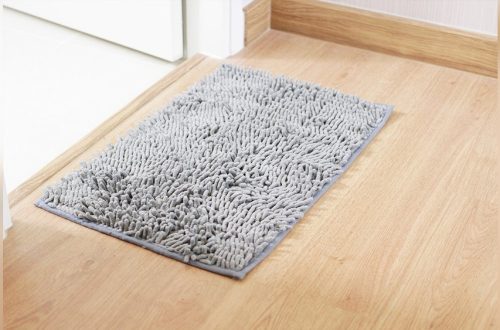
Have you ever wondered if you can wash your bathroom mats and rugs without ruining them? These everyday items collect dirt, moisture, and germs, making them a hotspot for bacteria.
But cleaning them can feel tricky—what if they shrink, fade, or lose their softness? You’re not alone in this. You’ll discover simple, effective ways to keep your bathroom mats and rugs fresh and clean. By the end, you’ll know exactly how to care for them so they look great and last longer.
Keep reading—you won’t want to miss these easy tips!
Types Of Bathroom Mats And Rugs
Bathroom mats and rugs come in various types. Each type offers different comfort, style, and care needs. Choosing the right one depends on your bathroom’s style and your cleaning routine. Understanding these types helps you keep them clean and fresh.
Cotton Mats
Cotton mats are soft and absorbent. They dry quickly and feel gentle underfoot. Cotton is easy to wash in a machine, making it a popular choice. These mats suit bathrooms with moderate moisture.
Memory Foam Rugs
Memory foam rugs offer extra comfort and cushioning. They mold to your feet and provide warmth. These rugs often have a fabric cover that needs gentle washing. Avoid heavy water exposure to keep foam intact.
Microfiber And Synthetic Options
Microfiber and synthetic rugs dry fast and resist stains. They are lightweight and easy to clean. These materials often come with vibrant colors and patterns. Machine washing works well but follow care labels carefully.
Non-slip Backed Mats
Non-slip backed mats prevent slips and falls in wet areas. They have rubber or latex backing. Washing requires care to avoid damaging the grip. Spot cleaning or gentle cycles keep the backing effective and safe.
Washing Methods For Bathroom Mats
Bathroom mats and rugs collect dirt, dust, and moisture every day. Cleaning them regularly keeps your bathroom fresh and safe. Different mats need different washing methods. Choose the right one to protect your mat and remove stains well.
Machine Washing Guidelines
Most cotton and synthetic mats work well in machines. Use cold or warm water to avoid shrinking. Pick a gentle cycle to protect the fibers. Use mild detergent without bleach. Avoid fabric softeners as they reduce absorbency. Dry mats flat or hang them to air dry. Do not use high heat in the dryer to prevent damage.
Hand Washing Techniques
Hand washing suits delicate or rubber-backed mats. Fill a tub with warm water and mild soap. Soak the mat for 10 to 15 minutes. Gently scrub with a soft brush or cloth. Rinse thoroughly to remove all soap. Squeeze out water carefully without wringing. Lay flat to dry in a well-ventilated area.
Spot Cleaning Tips
Spot cleaning is quick for small stains or spills. Blot the spot with a clean cloth to remove moisture. Use a mixture of water and mild detergent on the area. Dab gently and avoid rubbing hard. Rinse the spot with clean water using a cloth. Let the mat air dry completely before use.
Drying Bathroom Mats Safely
Drying bathroom mats safely is important to keep them fresh and long-lasting. Wet mats can develop bad smells and damage their fibers. Proper drying helps avoid these problems and keeps your bathroom clean and healthy.
Air Drying Vs. Machine Drying
Air drying is gentle on bathroom mats. Lay the mat flat or hang it in a well-ventilated area. Sunlight helps kill bacteria and speeds up drying. Machine drying is faster but can harm some mats. Use low heat settings to protect the fabric and backing. Check the care label before using a dryer.
Avoiding Mold And Mildew
Mold and mildew grow in damp, dark places. Dry mats quickly to stop their growth. After washing, remove excess water by shaking or pressing the mat. Avoid folding wet mats. Keep your bathroom well-ventilated to reduce moisture. Regularly dry mats help maintain a healthy bathroom environment.
Frequency Of Cleaning Bathroom Mats
Bathroom mats and rugs catch a lot of dirt and moisture every day. Cleaning them often keeps your bathroom fresh and safe. A good cleaning routine stops mold and bacteria growth. It also helps your mats last longer and look better. How often should you clean bathroom mats? The answer depends on daily use and type of mat.
Daily Maintenance
Shake out bathroom mats every day to remove dust and hair. Let them dry completely after use to avoid damp smells. Hang mats in a sunny spot if possible. Wiping the floor underneath mats keeps germs away. These small steps help keep mats cleaner longer.
Deep Cleaning Schedule
Wash bathroom mats at least once a week for deep cleaning. Use warm water and mild detergent to kill bacteria. Machine washable mats are easy to clean regularly. For non-washable mats, hand wash or spot clean thoroughly. Dry mats fully before placing them back on the floor.
Preventing Damage During Cleaning
Cleaning bathroom mats and rugs keeps your space fresh and hygienic. Careful cleaning prevents damage and extends their life. Knowing how to protect these items is important for every home. Follow simple steps to avoid wear and tear during washing.
Choosing The Right Detergents
Use mild detergents for bathroom mats and rugs. Harsh chemicals can break down fibers and colors. Look for detergents labeled safe for delicate fabrics. Avoid bleach and strong stain removers. These can cause fading or fabric weakening. Test detergent on a small area first. This helps check for any adverse reactions.
Handling Delicate Materials
Some mats have delicate materials like memory foam or silk. Handle these with extra care. Avoid heavy scrubbing or twisting during cleaning. Use gentle hand washing or a soft cycle on machines. Air dry mats flat to keep their shape. Avoid direct sunlight that can fade colors. Proper handling keeps delicate rugs looking new longer.
Additional Tips For Fresh Bathroom Mats
Keeping bathroom mats fresh is important for a clean and healthy space. Regular washing helps, but some extra care keeps mats smelling nice and looking good longer. These tips will help your bathroom mats stay fresh and inviting.
Deodorizing Techniques
Sprinkle baking soda on your mat before washing. Let it sit for 15 minutes. Baking soda absorbs bad smells effectively. You can also add a few drops of essential oil for a fresh scent. Lavender or eucalyptus works well. For quick freshness, spray a mix of water and vinegar. This kills germs and neutralizes odors.
Storage Between Uses
Always hang mats to dry after use. Avoid folding or leaving them wet on the floor. Dry mats prevent mold and mildew growth. Use a hook or towel rack to air them out. Store mats in a dry, ventilated place when not in use. Proper storage keeps mats clean and fresh longer.
Frequently Asked Questions
Can Bathroom Mats And Rugs Be Machine Washed?
Yes, most bathroom mats and rugs can be machine washed. Always check the care label first. Use cold water and mild detergent to protect fibers and colors.
How Often Should You Wash Bathroom Mats?
Washing bathroom mats every one to two weeks is ideal. Frequent washing removes bacteria, dirt, and moisture buildup, keeping your bathroom hygienic and fresh.
Can Washing Bathroom Rugs Damage Their Backing?
Some rugs with rubber or latex backing may get damaged in the wash. To avoid this, wash on a gentle cycle or hand wash when possible.
What Is The Best Drying Method For Bathroom Mats?
Air drying is best to prevent shrinking and damage. Avoid high heat in dryers, which can weaken fibers and ruin backing materials.
Conclusion
Bathroom mats and rugs need regular cleaning to stay fresh and safe. Washing them removes dirt, dust, and germs that build up over time. Always check the care label to choose the best washing method. Some mats can go in the washing machine, while others need gentle hand washing.
Dry them completely before placing them back to avoid mold. Clean mats keep your bathroom hygienic and cozy. Simple care steps help your mats last longer and look good. Keep your bathroom mats clean for a healthier home environment.