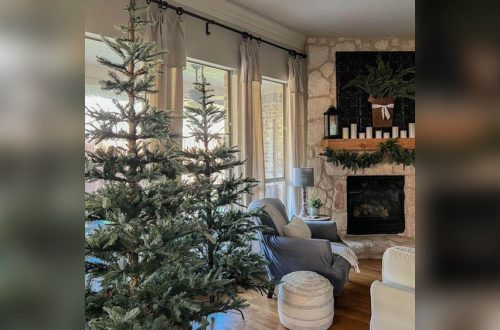
Decorating your artificial Christmas tree with lights can transform your home into a cozy holiday wonderland. But if you’ve ever felt overwhelmed by tangled cords or uneven lighting, you’re not alone.
Imagine your tree glowing perfectly, with lights wrapped just right to make every branch shine. In this guide, you’ll discover simple, step-by-step tips to string your Christmas lights like a pro. By the end, you’ll have a beautifully lit tree that brings warmth and joy to your space—without the hassle.
Ready to make your tree sparkle? Let’s get started!
Choosing The Right Lights
Choosing the right lights for your artificial Christmas tree is important. The lights create the mood and bring the tree to life. Picking the right type, color, and style helps your tree look its best. Energy use also matters for safety and cost. Let’s explore key points to consider before you start stringing your tree.
Types Of Christmas Lights
There are many types of Christmas lights. The most common are incandescent and LED lights. Incandescent lights are bright but use more energy. LED lights use less power and last longer. Some lights are mini bulbs, while others are larger globe bulbs. Choose lights that fit your tree size and style.
Color And Style Options
Lights come in many colors and styles. You can pick single-color lights like white or multicolor strands. Warm white lights give a soft, cozy feel. Cool white lights look modern and bright. Some lights flash or change colors, adding fun effects. Decide what mood you want before choosing the color and style.
Energy Efficiency Considerations
Energy use is important for safety and bills. LED lights use less electricity and stay cool. This reduces fire risk and lowers costs. Look for lights labeled energy-efficient or LED. Check the wattage and number of bulbs on the strand. Use timers to control how long lights stay on. This saves energy and keeps your tree safe.
Preparing The Tree
Preparing your artificial Christmas tree is a key step before stringing the lights. A well-prepared tree looks fuller and holds the lights better. Taking time now makes decorating easier and more enjoyable. Follow these simple steps to get your tree ready.
Fluffing The Branches
Start by spreading out each branch. Pull the tips gently to shape the tree. Fluffing creates space between branches. This helps lights and ornaments fit nicely. A full tree looks natural and bright.
Checking Tree Stability
Place your tree on a flat surface. Check if it stands straight and firm. Tighten screws or fasten parts if needed. A stable tree keeps decorations safe. Avoid leaning or wobbling to prevent accidents.
Organizing Light Strings
Untangle light strings before hanging. Check for broken bulbs or damaged wires. Arrange lights by length or color if you have many. Organized lights save time and reduce frustration. Ready strings make the next step smooth.
Planning The Light Layout
Planning the light layout on your artificial Christmas tree is key to a bright and beautiful display. Thoughtful planning saves time and ensures even light coverage. It helps avoid tangled wires and dark spots on your tree. Follow these steps to create a well-lit tree that shines from top to bottom.
Starting Point Selection
Begin by choosing where to start stringing your lights. Most people start at the base of the tree near an electrical outlet. This choice reduces visible cords and keeps plugs hidden. Starting at the bottom also lets you wrap lights upward smoothly. Make sure the plug end of the lights faces downward for easy connection.
Wrapping Techniques
Wrap the lights around the tree branches, not just the trunk. Weave lights in and out, going from the inside branches to the outer tips. This method creates depth and a fuller glow. Keep the light string snug but not too tight to avoid breaking bulbs. Use gentle loops and avoid bunching lights together.
Spacing And Coverage Tips
Space the lights evenly across the tree for balanced brightness. Avoid clustering too many bulbs in one spot. Step back occasionally to check for dark areas. Add more lights where needed to fill gaps. Count bulbs or use pre-lit trees for an easier spacing guide. Even coverage gives the tree a professional look.
Stringing The Lights
Stringing lights on an artificial Christmas tree brings it to life. It creates a warm, festive glow. The process is simple with the right steps. Start by planning your light layout. This helps avoid mistakes and saves time. Use lights that suit your tree size and style. Follow these tips for a neat, bright display.
Securing Lights To Branches
Begin at the tree base. Wrap lights gently around each branch. Use small clips or twist ties to hold lights in place. Avoid tight wrapping that can damage wires. Push lights slightly inside branches for a natural look. Check the lights are secure but easy to adjust. This keeps your tree safe and tidy.
Avoiding Tangling
Unroll each light string before starting. Keep cords separate to prevent knots. Work slowly and carefully around branches. Use your hands to guide wires smoothly. Store unused lights properly on a spool or hanger. This prevents future tangles and saves time next year.
Connecting Multiple Strings
Match the plug and socket ends correctly. Connect strings one at a time. Test lights after adding each string. Use extension cords if needed, but avoid overloading outlets. Keep connections off the floor to stay dry and safe. Proper connections keep your lights shining bright all season.
Testing And Adjusting
Testing and adjusting the lights is a key step after stringing them on your artificial Christmas tree. This step ensures your tree looks bright and festive. It also helps catch any issues before the decorations are complete.
By carefully checking the lights, you create a safer and more beautiful display. Small fixes now save frustration later. Follow these simple steps to test and adjust your Christmas tree lights.
Powering On The Lights
Start by plugging in the light strand. Watch closely to see if all bulbs turn on. If some bulbs stay dark, try gently adjusting them. Sometimes a loose bulb causes the problem.
Use a working power outlet to avoid false issues. Check the plug and wiring for visible damage. A steady glow means your lights are ready for the next step.
Fixing Dark Spots
Dark spots ruin the tree’s overall look. Look for bulbs that flicker or stay off. Swap out burned-out bulbs with spares from your kit.
For stubborn dark areas, check the wiring connections. A loose wire can stop power flow. Tighten any loose sockets carefully. This will brighten those dull spots quickly.
Ensuring Safety
Safety matters most when using electric lights. Avoid overloading power strips or outlets. Keep cords away from water and heat sources.
Inspect wires for cracks or frays before use. Replace damaged strands immediately. Turn off lights when leaving the house or going to bed. This lowers fire risks and keeps your home safe.
Maintaining Lights Throughout The Season
Keeping your Christmas tree lights bright and working well throughout the holiday season is important. Proper care helps the lights last longer and keeps your tree looking festive. Simple habits make a big difference.
Check the lights regularly for any bulbs that are out. Fixing small issues early stops bigger problems. Handle the lights gently to avoid damage. Store them carefully after the season to keep them safe for next year.
Handling Bulb Replacements
Replace burnt-out bulbs quickly to keep the string glowing. Use bulbs that match the size and voltage of your original lights. Turn off the lights before changing bulbs. Handle bulbs with care to avoid breaking them. Keep extra bulbs handy for quick fixes.
Storing Lights After Use
Remove lights carefully from the tree to avoid tangles. Wrap them around a spool or a piece of cardboard. Store lights in a dry, cool place to prevent damage. Avoid placing heavy items on top of stored lights. Label the storage box for easy finding next year.
Preventing Damage
Keep lights away from pets and small children. Avoid pulling or stretching the light strings. Use clips or hooks designed for lights to hold them in place. Check the wires for cracks or frays before use. Do not overload electrical outlets to prevent short circuits.
Frequently Asked Questions
How Do I Start Stringing Lights On An Artificial Tree?
Begin by untangling your light strands fully. Start at the tree’s base and wrap lights evenly around each branch. Secure lights with twist ties if needed for stability.
What Type Of Lights Work Best For Artificial Trees?
LED string lights are ideal. They are energy-efficient, produce less heat, and last longer. Choose warm white or multicolor based on your decor preference.
How Many Lights Are Needed For A 6-foot Artificial Tree?
For a 6-foot tree, use about 400 to 600 lights. This range provides even coverage and a vibrant glow without overpowering the tree.
Can I Use Extension Cords Safely With Tree Lights?
Yes, use outdoor-rated extension cords if placing the tree outside. Keep cords away from water and avoid overloading outlets to ensure safety.
Conclusion
Stringing lights on your artificial tree brings holiday joy to life. Start at the bottom and work your way up for even coverage. Tuck lights into branches to hide wires and add sparkle. Take your time to avoid tangles and bright spots.
Step back often to check your progress and adjust as needed. A well-lit tree creates a warm, festive home atmosphere. Enjoy the glow and the smiles it brings all season.