Are you ready to make your tree the shining star of your holiday decorations? Stringing Christmas lights in a tree can transform your outdoor space into a magical wonderland that everyone will admire.
But if you’re not sure where to start or worried about getting tangled in wires, you’re not alone. This guide will walk you through simple, clear steps to help you hang your lights like a pro. By the end, you’ll have a beautifully lit tree that lights up your home and spreads festive cheer.
Let’s get your tree glowing!
Choosing The Right Lights
Choosing the right Christmas lights for your tree is important. The right lights make your tree look magical. They also keep your home safe. This section explains how to pick lights that fit your needs.
Types Of Christmas Lights
There are many types of Christmas lights. The most common are string lights, net lights, and icicle lights. String lights wrap well around branches. Net lights cover large areas quickly. Icicle lights hang from branches for a dripping effect. Choose the type that matches your tree size and shape.
Led Vs. Incandescent
LED lights use less energy and last longer. They stay cool to touch and are brighter. Incandescent lights are cheaper but use more power. They can get hot and burn out faster. For safety and savings, LED lights are a better choice for trees.
Considerations For Outdoor Use
Outdoor lights must be weatherproof. Check the packaging for outdoor or waterproof labels. Use lights with a good safety rating. Avoid lights with damaged wires or bulbs. Secure lights firmly to avoid damage from wind or rain. Outdoor-rated lights will keep your tree shining safely all night.
Preparing The Tree
Preparing the tree is the first step to string Christmas lights beautifully. It helps the lights look neat and last longer. Taking time now saves problems later. A clean, safe tree makes your decorations shine bright.
Inspecting The Tree
Start by checking the tree carefully. Look for broken or weak branches. Remove any dead or dry parts. These can break and cause lights to fall. Check the tree’s shape and size. Make sure it fits your space and lights.
Cleaning Branches
Dust and dirt stop lights from shining well. Use a soft cloth or brush to clean branches. Remove spider webs and leaves. Clean branches hold lights better and look nicer. A clean tree makes your decorations stand out.
Safety Precautions
Safety is very important before you hang lights. Wear gloves to protect your hands from sharp twigs. Use a stable ladder if the tree is tall. Check your lights for damaged wires or bulbs. Avoid overloading electrical outlets to prevent fire risk.
Planning Your Design
Planning your design is the first step to string Christmas lights in a tree. It helps you create a beautiful and safe display. Careful planning saves time and avoids frustration.
Think about how you want the tree to look. Consider the size, shape, and style. Planning also helps you buy the right amount of lights and equipment.
Deciding On Light Patterns
Choose a light pattern that fits your tree’s shape. Wrap lights around branches for a classic look. You can also drape lights from top to bottom for a modern style.
Think about using a mix of steady and blinking lights. Patterns can highlight the tree’s best features. Keep your pattern simple for easy setup.
Estimating Light Length
Measure the tree’s height and width. Use these numbers to estimate how many lights you need. A good rule is 100 lights per vertical foot of tree.
Add extra length for wrapping branches and gaps. Too few lights make the tree look dull. Too many lights can cause tangles and waste electricity.
Selecting Power Source Location
Find a power source near the tree. It should be dry and safe from weather. Extension cords must be rated for outdoor use.
Plan the path for cords to avoid tripping hazards. Keep plugs off the ground to prevent water damage. Choose a location that allows easy plug access.
Stringing The Lights
Stringing Christmas lights in a tree is a fun way to add holiday cheer. It takes some planning and patience. The goal is to make the lights look even and bright. This part of decorating can make your tree stand out beautifully at night.
Focus on how to start, how to wrap, and how to secure the lights. These steps help the lights stay in place all season long. Let’s explore each step to make your tree shine perfectly.
Starting From The Bottom Or Top
Begin at the tree’s base or at the top. Starting at the bottom lets you plug in lights easily. You can work your way up the tree. Starting at the top gives a neat, finished look quickly. Choose the way that feels easiest for you.
Wrapping Techniques
Wrap lights around branches gently. Use a spiral motion from trunk to branch tips. Keep lights tight but not too tight. This prevents damage to the wires and tree. Spread the lights evenly for a balanced glow. Avoid bunching lights in one spot.
Securing Lights On Branches
Use green twist ties or floral wire to hold lights. Attach lights where branches are strong. This stops lights from slipping or falling. Check all connections before turning on the lights. Secure lights at intervals for steady placement.
Testing And Adjusting
Testing and adjusting your Christmas lights is key for a bright, beautiful display. This step helps catch any issues before nightfall. It also ensures the lights look their best on your tree. Take your time to check and fix problems early.
Checking For Burned Out Bulbs
Start by plugging in the lights. Look closely for bulbs that do not shine. Replace any burned out bulbs with new ones from the package. Burned out bulbs can cause parts of the string to go dark. Fixing these bulbs keeps your lights glowing evenly.
Adjusting Light Placement
Step back and observe how the lights wrap the tree. Move any lights that bunch up or hang loosely. Spread the lights to cover branches well without clumps. Adjust placement to highlight the tree’s shape and size clearly.
Ensuring Even Coverage
Check the tree from all sides to spot dark areas. Add more lights or shift existing ones to fill gaps. Even coverage gives a full, festive look. Balance the lights so every branch sparkles in the dark.
Maintaining Your Display
Maintaining your Christmas light display keeps it bright and safe all season. Proper care helps your lights last longer and shine better. Small efforts protect your investment and reduce frustration.
Protecting Lights From Weather
Use outdoor-rated lights to resist rain and snow. Secure lights tightly to avoid wind damage. Cover plugs with plastic or tape to keep moisture out. Turn off lights during storms to prevent electrical problems.
Storing Lights After Use
Unplug and remove lights carefully to avoid tangles. Wrap lights around a spool or cardboard to keep them neat. Store lights in a dry, cool place away from sunlight. Check for damage before storing to fix any broken bulbs or wires.
Troubleshooting Common Issues
Test lights before hanging to find faulty bulbs early. Replace broken bulbs with the correct type to keep the string working. Check connections for loose plugs or damaged wires. Use a tester to find problems quickly and save time.
Frequently Asked Questions
How Do I Safely String Christmas Lights In A Tree?
Start by using a sturdy ladder and wear gloves to avoid cuts. Unplug lights before handling. Secure lights with clips or twist ties, not nails or staples, to protect wires. Keep connections off the ground to prevent water damage.
What Type Of Lights Work Best For Trees?
LED string lights are ideal as they are energy-efficient and long-lasting. Choose outdoor-rated lights for weather resistance. Warm white or multicolor options enhance the festive look. Ensure the light strings are the right length for your tree size.
How Many Lights Do I Need For One Tree?
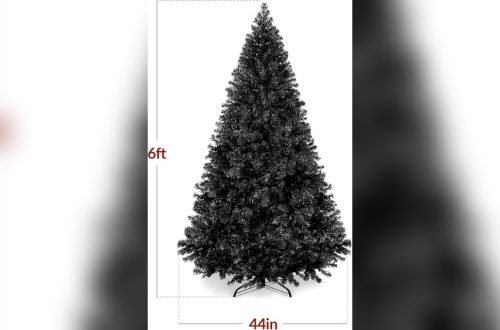
A good rule is 100 lights per vertical foot of tree. For example, a 6-foot tree needs about 600 lights. This density creates a bright, balanced effect without overloading the tree or power source.
Can I Use Extension Cords For Outdoor Tree Lights?
Yes, use outdoor-rated extension cords designed for weather exposure. Keep all connections elevated and protected from moisture. Avoid overloading circuits by checking the power capacity of cords and lights.
Conclusion
Stringing Christmas lights in a tree brings joy and warmth to any space. Start with a plan and check your lights for safety. Wrap lights evenly around branches for a bright, balanced look. Take your time and enjoy the process.
A well-lit tree creates a festive, cozy feeling for everyone. Simple steps lead to beautiful results. Celebrate the season with glowing lights that shine through the night.