Imagine having a home office desk that fits perfectly with your style, space, and work needs—built by you, for you. You don’t have to settle for generic, expensive furniture that doesn’t inspire creativity or comfort.
A DIY home office desk lets you take control, making a workspace that motivates productivity and feels uniquely yours. Whether you’re tight on space, budget-conscious, or simply love crafting, this guide will show you how easy and rewarding it is to build your own desk.
Ready to transform your work area with a project that’s both practical and personal? Keep reading to discover simple steps, smart tips, and creative ideas that will help you create your dream home office desk from scratch.
Materials And Tools
Building your own home office desk requires careful selection of materials and tools. These choices affect the durability, appearance, and cost of your desk. Knowing what to use helps you create a desk that fits your needs perfectly.
Start with quality materials and gather the right tools. This ensures a smooth building process and a sturdy final product.
Choosing Wood Types
Wood is the main material for most DIY desks. Solid hardwoods like oak and maple offer strength and a classic look. Softwoods such as pine are easier to cut and more affordable. Plywood provides a smooth, stable surface and resists warping. Consider the wood’s finish and durability based on your workspace style.
Essential Tools List
Basic tools make building easier and safer. A saw helps cut wood pieces to size. A drill is needed for screws and holes. Sandpaper smooths rough edges. Measuring tape and a square ensure accurate dimensions. Clamps hold pieces steady while assembling. A screwdriver and hammer complete the list for most projects.
Budget-friendly Options
Affordable materials help keep costs low. Choose pine or reclaimed wood for cheaper options. Renting tools saves money if you lack equipment. Look for sales or second-hand supplies in local stores. Using simple hand tools reduces expenses. Plan your project to avoid waste and extra costs.
Credit: www.tomsguide.com
Design Ideas
Designing a DIY home office desk lets you tailor your workspace to fit your needs. Choosing the right style can boost comfort and productivity. Explore styles that match your room and personal taste. Consider desks that save space or offer flexibility for standing work. Each design idea has unique benefits for your home office setup.
Modern Minimalist Styles
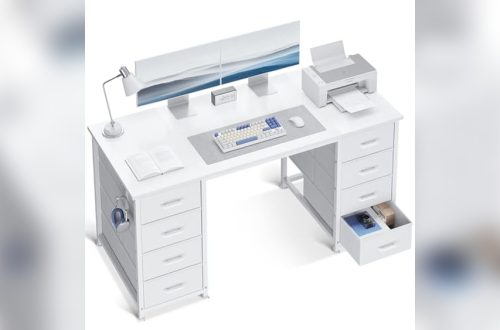
Modern minimalist desks focus on clean lines and simple shapes. They often use light colors and smooth surfaces. This style reduces clutter and creates a calm workspace. Materials like metal and glass work well here. Minimalist desks fit small or large rooms easily. They keep your office looking neat and stylish.
Rustic And Vintage Looks
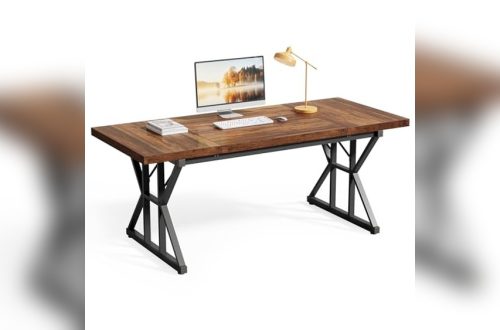
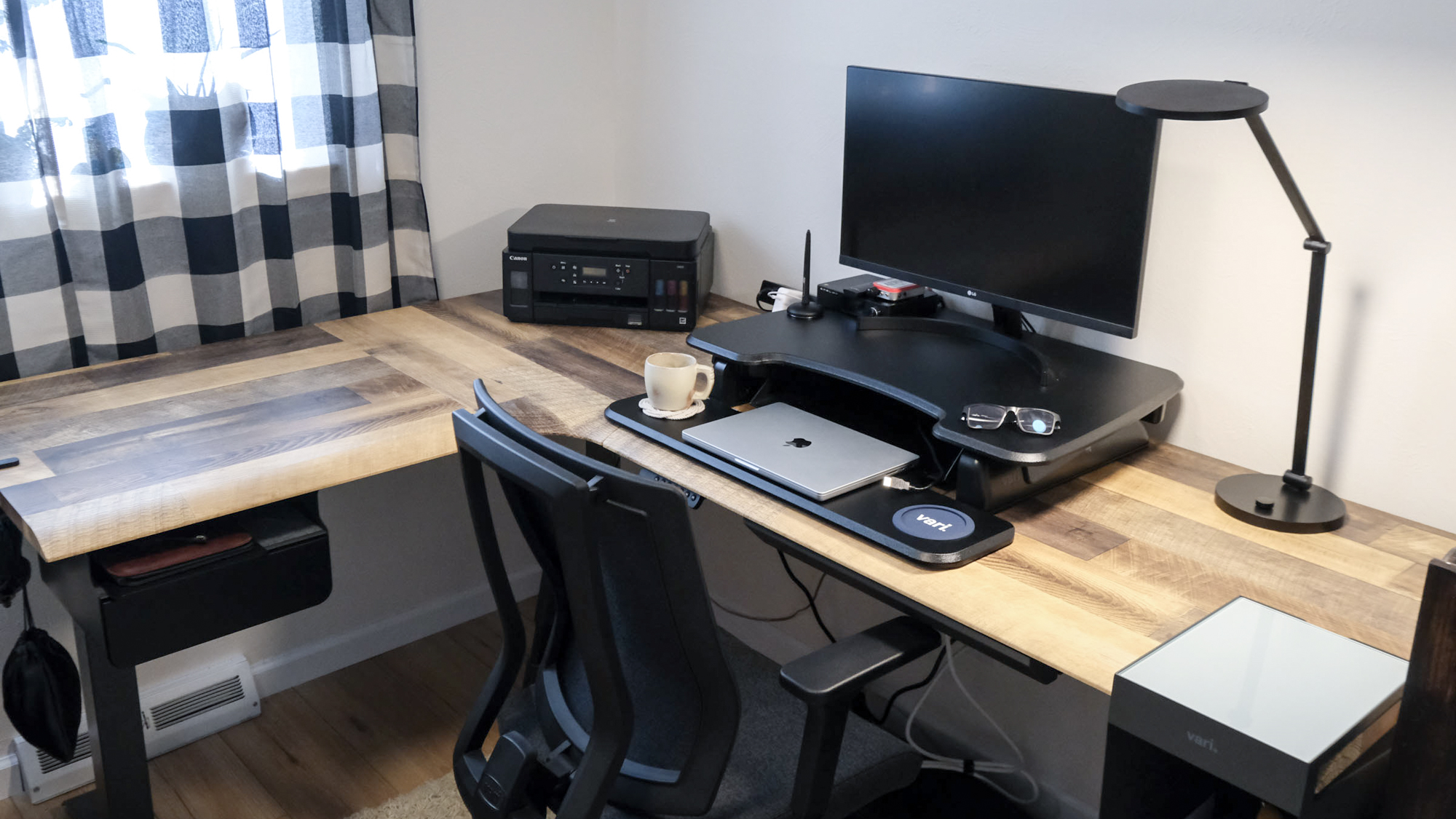
Rustic desks bring warmth with natural wood and rough textures. Vintage styles add charm with classic designs and aged finishes. These desks often show wood grain and knots. They create a cozy, inviting workspace. Perfect for those who love a traditional feel. Rustic desks can blend old and new elements smoothly.
Space-saving Solutions
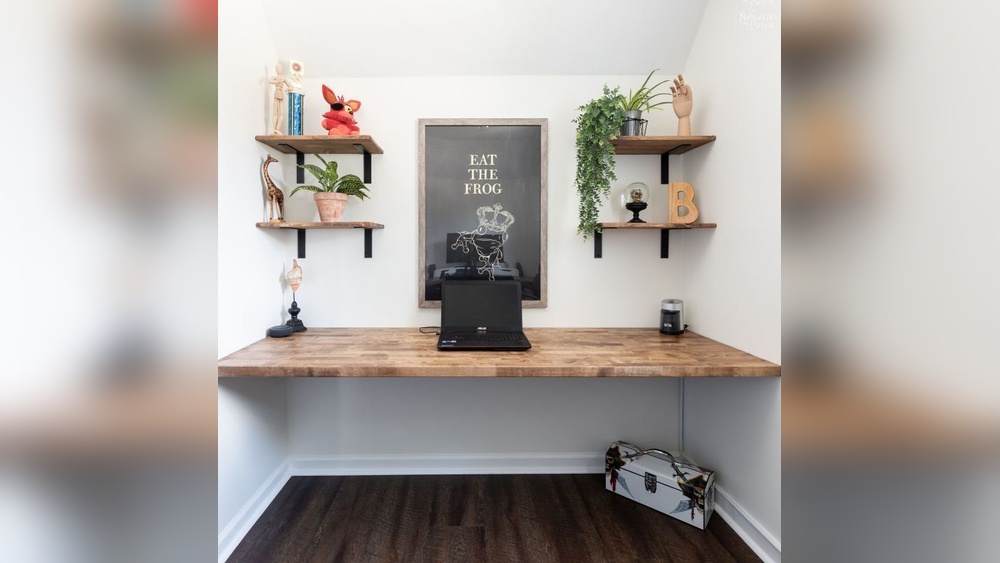
Space-saving desks maximize small areas without losing function. Foldable or wall-mounted desks free up floor space. Desks with built-in shelves or drawers keep essentials close. These designs help keep rooms open and organized. Ideal for apartments or rooms with limited space. Smart storage and compact designs work hand in hand.
Adjustable And Standing Desks
Adjustable desks let you change height for sitting or standing. Standing desks improve posture and reduce sitting time. Some DIY desks use simple mechanisms to raise or lower the surface. These desks support better health and focus. They adapt to different tasks and users easily. Adjustable desks bring flexibility to your home office.
Building Steps
Building your own home office desk can be a rewarding project. It allows you to customize the size and style to fit your space perfectly. The process involves a few clear steps that anyone can follow. This guide breaks down the main building steps into simple parts.
Preparing The Workspace
Start by clearing a large, clean area. Make sure you have enough room to move around comfortably. Gather all your tools and materials in one place. Good lighting helps you see measurements and cuts clearly. Safety gear like gloves and goggles is important too.
Measuring And Cutting
Measure your wood pieces carefully before cutting. Use a tape measure and mark the wood with a pencil. Double-check each measurement to avoid mistakes. Cut the wood with a saw, following the marks precisely. Smooth the edges with sandpaper to avoid splinters.
Assembling The Frame
Begin by joining the legs and supports of the desk. Use screws or nails to secure the pieces tightly. Check that the frame is square and level as you assemble. Add cross braces if needed for extra strength. Tight connections make the desk stable and durable.
Finishing Touches
Once the frame is built, attach the desktop surface. Secure it firmly with screws from underneath. Sand the entire desk to smooth rough spots and edges. Apply paint, stain, or sealant to protect the wood. Let it dry fully before using your new desk.
:max_bytes(150000):strip_icc()/themerrythought2-0d72bbab5881466d837f226c06ebdca0.jpg)
Credit: www.thespruce.com
Customization Tips
Customizing your DIY home office desk makes it truly yours. It improves function and style. Small changes can create a big impact. Focus on features that suit your work habits and space.
Adding Drawers And Shelves
Drawers keep your desk neat and organized. They hold office supplies and documents. Shelves add extra storage without taking floor space. Use adjustable shelves to fit different items. Choose drawer sizes that match what you store most.
Incorporating Cable Management
Cables can clutter your workspace and cause frustration. Add cable trays or clips under the desk to keep wires hidden. Use grommets to route cables through the desk surface. This keeps cords tidy and easy to reach. Good cable management improves safety and looks cleaner.
Personalizing With Paint And Stain
Paint or stain changes the desk’s look to match your room. Use colors that inspire focus and calm. Light stains show wood grain for a natural feel. Matte paint reduces glare from lights. Seal the finish to protect the surface from spills and scratches.
Ergonomics And Comfort
Creating a DIY home office desk requires more than just style. Ergonomics and comfort play a key role in productivity and health. A well-designed workspace reduces strain and keeps you focused longer. Paying attention to desk height, layout, and seating can make a big difference.
Desk Height Recommendations
The desk height should match your body size. A common guideline is 28 to 30 inches from the floor. Your elbows should rest at a 90-degree angle when typing. This position helps avoid wrist and shoulder pain. Adjustable desks work well for different users. Standing desks offer flexibility and promote movement.
Optimizing Workspace Layout
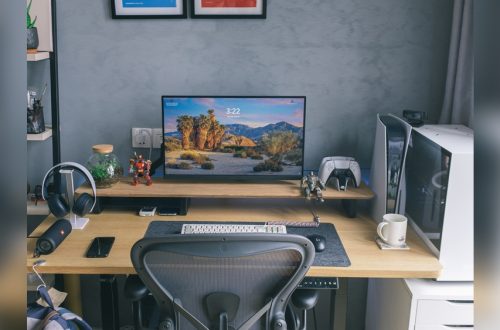
Arrange your desk to keep essentials within easy reach. Place your monitor at eye level to reduce neck strain. Keep your keyboard and mouse close to your body. Avoid clutter to maintain a clean, efficient workspace. Good lighting reduces eye fatigue and improves focus. Natural light is best, but task lighting also helps.
Choosing Comfortable Seating
Choose a chair that supports your lower back. Adjustable height and tilt features improve comfort. Seat cushions with good padding prevent soreness. Your feet should rest flat on the floor or a footrest. Armrests help reduce shoulder tension. Take breaks to stretch and change positions often.
Maintenance And Durability
Maintaining your DIY home office desk ensures it stays strong and looks great for years. Proper care protects your investment and keeps your workspace neat. Simple steps help extend the desk’s life and avoid costly repairs.
Cleaning And Care
Dust your desk regularly with a soft cloth. Use mild soap and water for stains. Avoid harsh chemicals that can damage the surface. Dry the desk thoroughly after cleaning to prevent water marks. Keep liquids away to reduce the risk of spills.
Protecting Against Wear
Use coasters for cups and bottles to prevent rings and stains. Add felt pads under items to stop scratches. Place a desk mat under your keyboard and mouse for extra protection. Avoid placing hot objects directly on the desk surface.
Repairing Common Issues
Fix scratches by lightly sanding and applying matching wood finish. Tighten loose screws and joints to keep stability. Use wood filler for small dents and holes. Replace damaged parts quickly to prevent further wear and tear.
Inspirational Projects
Inspirational projects spark creativity for your DIY home office desk. They show how simple materials transform into functional and stylish desks. These projects fit various needs and spaces. They guide you from basic builds to complex designs. Explore ideas that suit your taste and room size. Each project inspires confidence to build your perfect workspace.
Diy Desk Plans And Kits
DIY desk plans provide clear instructions for building desks step-by-step. Many plans include material lists and measurements. Kits offer pre-cut pieces that save time and reduce errors. They are perfect for beginners and busy people. Plans range from simple tables to desks with drawers and shelves. Choose a plan or kit that matches your skills and style.
Creative Small Space Desks
Small space desks use limited room efficiently. Wall-mounted desks fold away when not in use. Corner desks fit snugly into tight spaces. Some designs combine shelves and desks in one unit. These desks keep your area organized and open. Find creative ideas that make your small office feel roomy and neat.
Unique Multi-functional Designs
Multi-functional desks combine work surfaces with storage and tech features. Some include hidden compartments for cables and supplies. Others transform into standing desks or craft tables. These designs adapt to different tasks and needs. They help keep your office tidy and practical. Choose unique desks that boost your productivity and comfort.

Credit: www.amazon.com
Frequently Asked Questions
What Materials Are Best For A Diy Home Office Desk?
Wood like pine, oak, or plywood is ideal for DIY desks. These materials are sturdy, affordable, and easy to work with. Choose based on your desired style and budget for a durable and attractive home office desk.
How Long Does It Take To Build A Diy Desk?
Building a DIY home office desk typically takes 4 to 8 hours. The time depends on complexity, materials, and your skill level. Simple designs may take less time, while elaborate desks require more planning and assembly.
Can I Customize The Size Of My Diy Desk?
Yes, you can customize your DIY desk to fit your space. Measure your available area before building. Adjust the desk dimensions to ensure it fits comfortably and meets your work needs.
What Tools Are Needed For A Diy Office Desk?
Basic tools include a saw, drill, screwdriver, measuring tape, and sandpaper. Additional tools like clamps and a level improve precision. Having the right tools ensures a smooth and safe building process.
Conclusion
Building your own home office desk saves money and fits your style. You control the size, shape, and materials used. Simple tools and plans make the process easy and fun. Enjoy a workspace that boosts focus and comfort every day.
Start small, learn as you go, and watch your desk come alive. A DIY desk adds pride to your work routine. It’s not just furniture; it’s a personal project that lasts. Give it a try and create a space you love.