Choosing the right width for your home office desk is more than just picking a number—it shapes how productive and comfortable you feel every day. Are you wondering if your current desk feels cramped or if a bigger one might just add clutter?
Finding the perfect desk width helps you work smarter, not harder, giving you enough space for your laptop, notes, and maybe even a cup of coffee without feeling overwhelmed. You’ll discover exactly how wide your home office desk should be to fit your space, your work style, and your comfort needs—so you can create a workspace that truly works for you.
Keep reading to unlock simple tips that make all the difference.
Desk Width Basics
Choosing the right desk width is essential for a comfortable and efficient home office. The desk width affects how much space you have for your computer, paperwork, and other tools. It also influences your posture and how freely you can move while working. Understanding the basics of desk width helps you pick the best size for your needs and room.
Standard Desk Widths
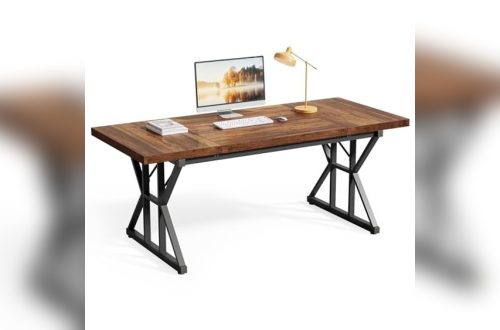
Most home office desks have a width between 48 and 72 inches. A 48-inch desk fits well in small spaces and suits basic computer use. Desks around 60 inches wide offer more room for dual monitors or extra paperwork. Larger desks, 72 inches or more, give plenty of surface area for multiple devices and creative work. Choosing a standard width depends on your room size and work style.
Factors Influencing Desk Width
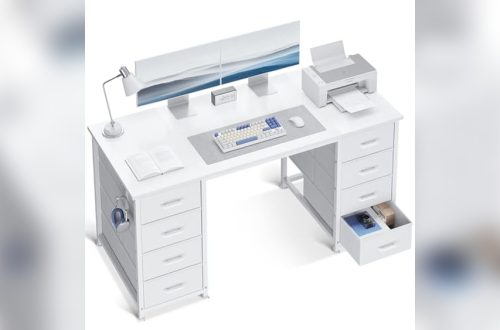
Several factors affect the ideal desk width. First, the available space in your office sets limits. A narrow room needs a smaller desk to avoid crowding. Second, your work type matters. Tasks needing multiple screens or large documents require wider desks. Third, personal comfort and posture play a role. A wider desk can prevent strain by allowing better arm and wrist placement. Finally, storage needs impact desk size if you want built-in drawers or shelves.
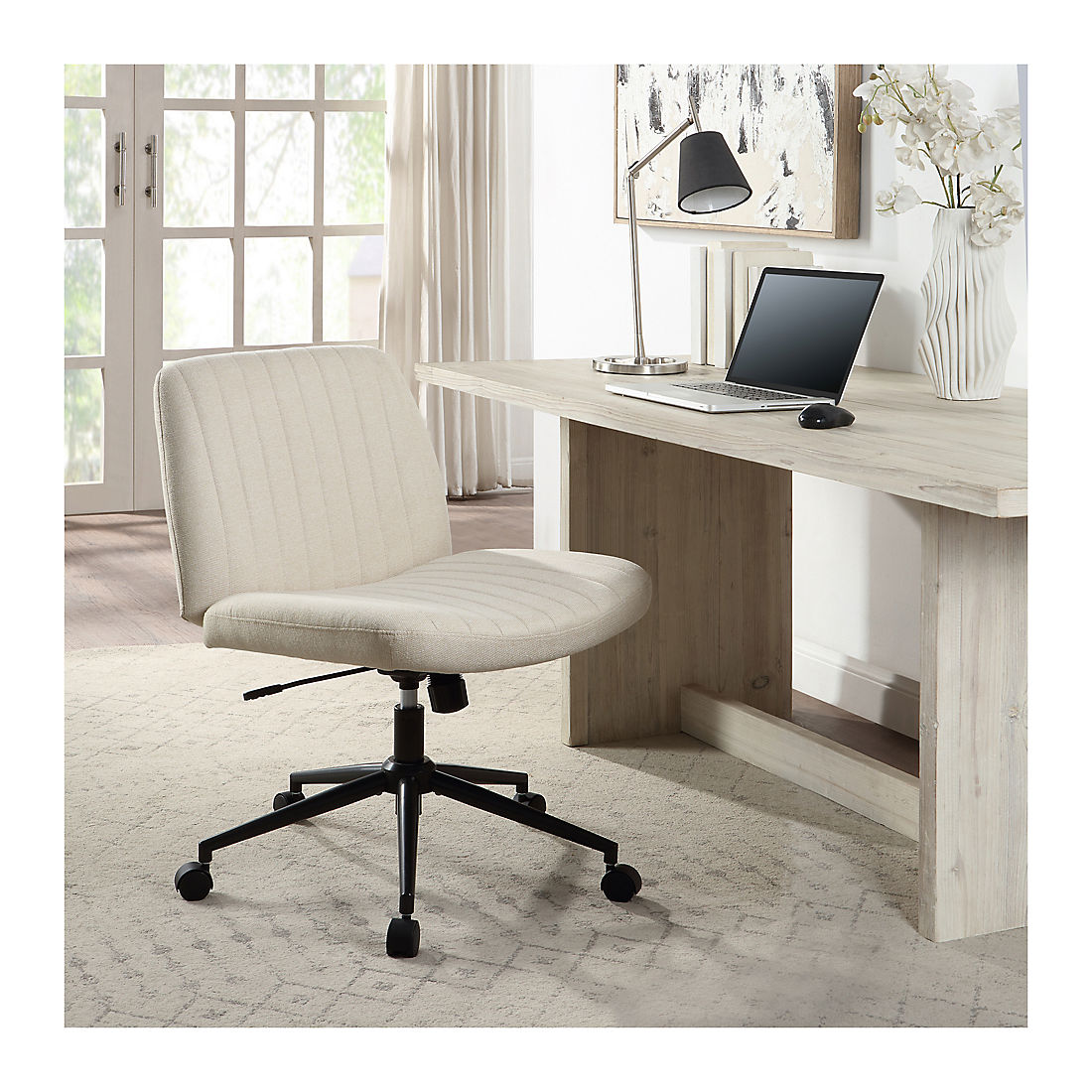
Credit: www.bjs.com
Space Considerations
Choosing the right width for a home office desk depends heavily on space considerations. Understanding your room’s size and layout helps select a desk that fits well. Also, providing enough clearance around the desk supports comfortable movement and use. These factors ensure your workspace feels open, not cramped.
Room Size And Layout
Measure the room before choosing a desk width. A small room needs a compact desk to avoid crowding. Larger rooms allow wider desks, offering more workspace. Consider where doors and windows are placed. Also, think about other furniture in the room. Arrange the desk so it does not block paths or light sources. Planning the layout helps you find a desk size that suits your space perfectly.
Clearance And Movement
Leave enough space around the desk for easy movement. At least 30 inches of clearance behind the chair is ideal. This space allows you to stand up and move without bumping into walls or furniture. Check the space on each side of the desk too. Ensure you can reach drawers and shelves comfortably. Good clearance improves comfort and prevents accidents. It also makes the room feel less crowded and more inviting.
Work Needs And Activities
Understanding your work needs and activities helps determine the ideal desk width. Different tasks require different amounts of space. Some jobs demand more room for gadgets and papers. Others need just enough space for a laptop and a notebook. Assessing these needs ensures comfort and productivity.
Single Vs Multiple Monitors
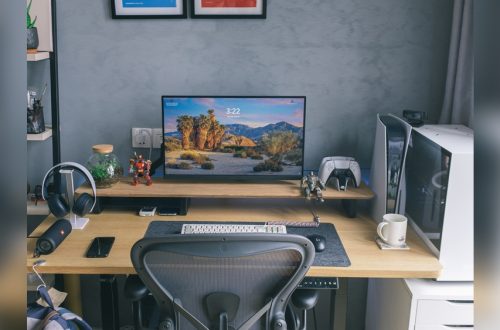
Using one monitor requires less desk width. A desk around 48 inches wide often fits well. Multiple monitors need more space to avoid crowding. A desk 60 to 72 inches wide works better here. This extra space allows easy viewing and movement between screens.
Writing And Paperwork Space
Writing or handling paperwork needs clear, flat areas. A wider desk offers room to spread documents without clutter. Around 60 inches wide gives enough space for notebooks, files, and a laptop. This setup helps keep things organized and accessible.
Tech And Gadget Placement
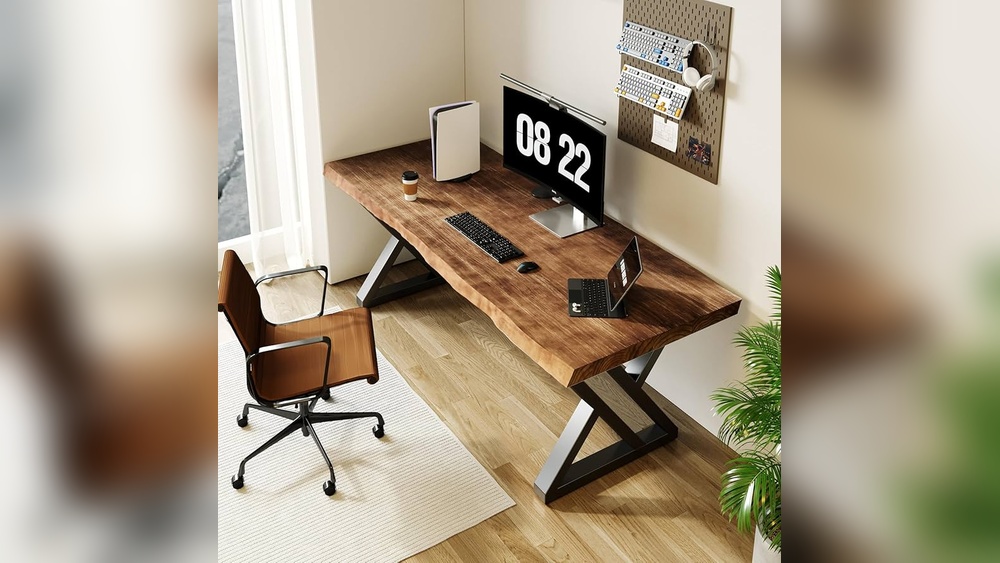
Many use keyboards, mice, printers, and phones at their desk. These gadgets need enough surface to sit comfortably. A wider desk prevents crowding and allows easy reach. At least 55 to 65 inches wide is good for tech setups. Proper placement reduces stress and boosts efficiency.

Credit: www.walmart.com
Ergonomics And Comfort
Ergonomics and comfort are essential when choosing the right width for a home office desk. A desk that fits your body and work style helps reduce strain and improve focus. Proper desk width supports healthy posture and prevents discomfort during long work hours.
Optimal Sitting Distance
Maintain a comfortable distance between your eyes and the screen. The ideal sitting distance is about 20 to 30 inches. This space reduces eye strain and allows you to see the entire screen without leaning forward. A wider desk can help keep this distance while still providing space for other items.
Arm And Wrist Support
Your arms should rest naturally on the desk without reaching or bending. A desk width of 48 to 60 inches often provides enough room for keyboard, mouse, and arm support. Proper support prevents wrist pain and reduces the risk of repetitive strain injuries. Keep your wrists straight and relaxed while typing or using a mouse.
Adjusting Desk Width For Posture
A desk that is too narrow forces you to hunch or twist your body. This can lead to back and shoulder pain. Adjust the desk width to allow comfortable arm movement and good posture. Ensure you can sit with your back straight and feet flat on the floor. A wider desk improves your ability to maintain a healthy posture throughout the day.
Types Of Home Office Desks
Choosing the right type of home office desk affects your comfort and productivity. Each desk style offers different space and functionality. Understanding these types helps you select a desk that fits your room and work habits.
Compact Desks
Compact desks are small and fit tight spaces. They work well in bedrooms or small apartments. These desks usually have a simple design with minimal storage. They provide just enough space for a laptop and a few essentials. Ideal for light work and limited room.
L-shaped And Corner Desks
L-shaped desks use corner space efficiently. They offer more surface area for multiple monitors or paperwork. These desks create a dedicated work zone separate from the rest of the room. Good for multitasking and organizing different tasks in one place. They fit nicely in corners to save floor space.
Standing And Adjustable Desks
Standing desks let you change your posture while working. Adjustable desks can switch from sitting to standing height. This flexibility improves comfort and reduces health risks. Many models include electric motors for easy height changes. Perfect for people who want movement during work hours.
Custom Vs Standard Sizes
Choosing the right width for a home office desk depends on whether you select a custom or a standard size. Both options have clear advantages depending on your space and work needs. Understanding the difference helps you make a better choice for comfort and productivity.
Benefits Of Custom Desks
Custom desks fit perfectly in your available space. They match your exact width, height, and depth needs. You can design them to hold all your equipment comfortably. This prevents clutter and improves work flow. Custom desks also suit unique room shapes or sizes. They offer flexibility in materials and style. This creates a workspace that feels personal and efficient.
When To Choose Standard Sizes
Standard desks come in common widths like 48, 60, or 72 inches. They are easy to find and usually cost less. Standard sizes work well in regular room layouts. They suit people with typical office needs and equipment. These desks come ready to use, saving time. If your space is limited, standard desks offer simple, practical solutions. They also allow easy replacement or additions later on.
Tips To Maximize Desk Space
Maximizing desk space is essential for a productive home office. A tidy desk helps you focus and reduces stress. Smart use of space lets you keep everything you need close without clutter. Here are some practical tips to get the most from your desk area.
Decluttering Strategies
Start by removing items you do not use daily. Keep only essentials on your desk surface. Sort papers and files regularly to avoid piles. Use digital tools to reduce paper clutter. Clear space makes your desk feel larger and more inviting.
Organizational Tools
Use trays or small boxes to group similar items. Pen holders keep writing tools neat and easy to find. Drawer dividers separate items and prevent mixing. Label containers for quick access. Organizing tools save time and keep your desk orderly.
Multi-functional Desk Accessories
Choose accessories that serve more than one purpose. A desk lamp with built-in USB ports saves space and adds light. Monitor stands create extra room underneath for storage. Use foldable or stackable items to adjust space as needed. Multi-functional accessories help you work smarter, not harder.

Credit: www.amazon.com
Common Mistakes To Avoid
Choosing the right width for your home office desk is crucial. Mistakes in sizing can cause discomfort and reduce productivity. Avoid common errors that many make when selecting desk width. Understand how these mistakes affect your workspace and work habits.
Choosing Too Narrow Or Too Wide
A desk that is too narrow limits your workspace and feels cramped. It can make it hard to arrange your computer, documents, and other tools. On the other hand, a desk that is too wide wastes space and may overwhelm a small room. Large desks can also increase distractions and make it difficult to reach everything easily.
Ignoring Room Flow
Failing to consider the room’s layout can block walkways or create awkward angles. The desk should fit well without crowding other furniture. Good room flow helps you move freely and feel comfortable. Think about doorways, windows, and other furniture before choosing desk size.
Overcrowding Desk Surface
Piling too many items on your desk leads to clutter and stress. A wide desk might tempt you to fill it with unnecessary things. Keep only essential items on the surface to stay focused. Overcrowding reduces work efficiency and makes cleaning difficult.
Frequently Asked Questions
What Is A Good Size For A Home Office Desk?
A good home office desk size is typically 48-60 inches wide and 24-30 inches deep. This provides enough space for a computer, documents, and comfort. Choose dimensions that fit your room and work needs to enhance productivity and maintain organization.
Is A 70 Inch Desk Too Big?
A 70-inch desk suits medium to large spaces, offering ample workspace without overwhelming the room. Measure your space before buying.
Is A 40 Inch Desk Big Enough?
A 40-inch desk suits compact spaces and basic tasks. It fits a laptop and minimal accessories but limits multitasking and large setups.
How Narrow Is Too Narrow For A Desk?
A desk narrower than 20 inches limits workspace and comfort. Ideal depth ranges from 24 to 30 inches for efficient use.
Conclusion
Choosing the right width for your home office desk matters a lot. A desk too narrow limits your work and storage space. A desk too wide may crowd your room and feel overwhelming. Aim for a size that fits your tasks and room comfortably.
Think about your computer, paperwork, and any extra items you use daily. Measure your space before buying to avoid problems later. The right desk width helps you stay organized and focused. It makes working from home easier and more pleasant.
Your workspace should support productivity without feeling cramped or empty.