Looking to create the perfect workspace right in your own home? Making your own office desk lets you design something that fits your style, space, and needs perfectly—without breaking the bank.
Imagine having a desk tailored just for you, one that boosts your focus and makes working from home a breeze. Whether you’re tight on space or want a unique setup, this guide will walk you through easy steps to build your ideal office desk.
Ready to transform your work area and feel more productive every day? Let’s dive in and start crafting your custom desk!
Planning Your Desk
Planning your office desk at home sets the foundation for a productive workspace. Thoughtful preparation helps you create a desk that fits your needs and space perfectly. It saves time and avoids costly mistakes during building. Consider your daily tasks and how you use your desk before starting.
Choosing The Right Location
Select a quiet spot with good natural light if possible. Avoid areas with heavy foot traffic or distractions. Near a window is ideal for fresh air and daylight. Ensure you have access to power outlets for your devices. The location should inspire focus and comfort.
Measuring Your Space
Measure the width, depth, and height of your chosen area carefully. Note any obstacles like doors, radiators, or vents nearby. Leave extra room for movement and chair space. Accurate measurements help you design a desk that fits well. Use a tape measure and write down all dimensions.
Selecting Desk Dimensions
Choose desk dimensions based on your activities and space size. A typical desk height is about 28 to 30 inches for comfort. Depth should allow for a monitor and writing space, usually 24 to 30 inches. Width depends on your workspace needs, ranging from 40 to 60 inches. Keep enough legroom and space for accessories.
Materials And Tools
Building an office desk at home starts with selecting the right materials and tools. These are the foundation of a sturdy, functional workspace. Choosing quality wood and affordable surfaces ensures durability and style. Having the essential tools makes the process smooth and enjoyable.
Best Wood Types For Durability
Hardwoods like oak, maple, and walnut are strong and long-lasting. They resist dents and scratches well. Pine is softer but easier to work with and budget-friendly. Choose wood that can support your work equipment without warping. Properly sealed wood lasts longer and looks better.
Affordable Countertop Options
Laminate countertops offer a smooth finish at a low cost. They resist stains and are easy to clean. MDF boards with veneer can mimic real wood while saving money. Plywood is another budget-friendly choice, especially with a nice finish. These options balance cost and appearance nicely.
Essential Tools For Diy Desk
You need a saw to cut wood to size. A drill helps to make holes and attach parts. Sandpaper or an electric sander smooths rough edges. Measuring tape and a level ensure accurate and even assembly. Clamps hold pieces in place while gluing or screwing. Having these tools makes building easier and safer.
Design Ideas
Design ideas shape your home office desk to fit your space and style. The right design makes work easier and more comfortable. Choose a desk that matches your needs and available room. Think about how you use your desk daily. This helps pick the best design and features.
Simple Desk Designs
Simple desks offer clean lines and easy assembly. Use a flat tabletop with sturdy legs. Materials like wood or metal work well. These desks save space and look neat. They fit small rooms or minimal setups. Keep the design functional with enough surface area. Avoid clutter by limiting extra parts.
Standing Desk Options
Standing desks help reduce sitting time and improve focus. Build a desk tall enough to stand at comfortably. Adjustable desks allow switching between sitting and standing. Use crates or blocks to raise a tabletop for standing. This option encourages better posture and movement. You can DIY a standing desk from simple materials.
Storage-integrated Desks
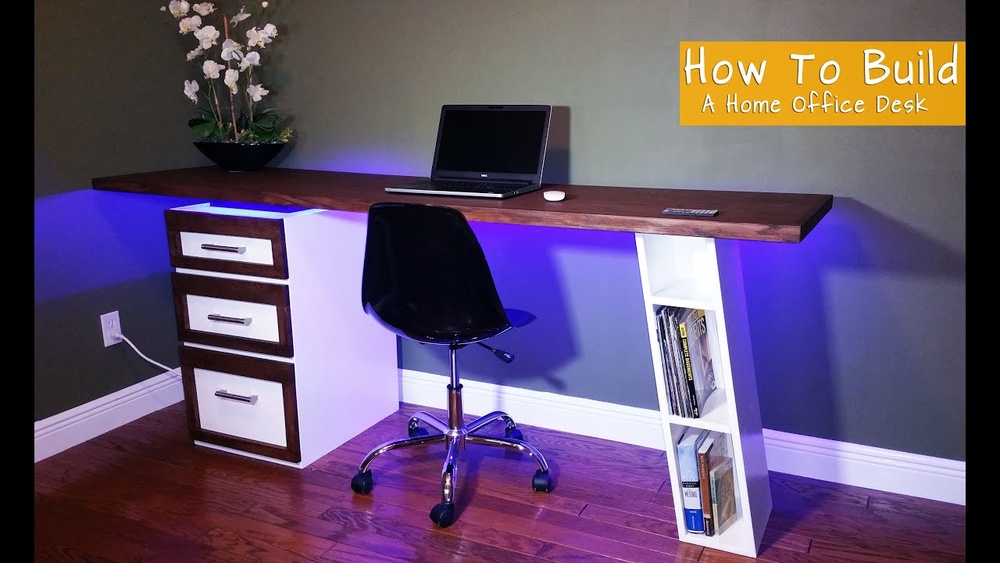
Storage-integrated desks combine workspace and organization. Add shelves, drawers, or cubbies under or above the desk. This keeps supplies handy and the desktop clear. Use boxes or baskets inside the storage spaces. These desks help keep paperwork and tools in order. Perfect for busy work areas or small rooms.
Credit: thecommondesk.com
Building Steps
Building your office desk at home involves clear, simple steps. These steps ensure your desk is sturdy and fits your space perfectly. Follow each stage carefully for the best results.
Cutting Wood To Size
Start by measuring the space for your desk. Mark the wood according to your measurements. Use a saw to cut the wood pieces. Always wear safety gear while cutting. Make sure the cuts are straight and smooth.
Sanding And Surface Preparation
Sand each wood piece to remove rough edges. Use fine-grit sandpaper for a smooth finish. Clean the dust from the wood after sanding. This step helps the paint or stain stick better. It also prevents splinters and gives a neat look.
Assembling Desk Components
Arrange the wood pieces as planned for your desk. Use screws and wood glue to join parts securely. Check that all joints are tight and the desk is stable. Attach legs or supports last for balance. Test the desk for sturdiness before use.
Finishing Touches
Finishing touches make your home office desk look complete and polished. They protect the wood and add style. Small details can improve your desk’s function and comfort. Focus on painting, sealing, and useful accessories.
Painting And Staining Techniques
Choose paint or stain that suits your room’s decor. Use smooth, even strokes for a clean finish. Light sanding between coats helps the surface stay smooth. Stains bring out the natural wood grain and add warmth. Paint offers many color options for a fresh look.
Adding Protective Coatings
Apply a protective coat to keep your desk safe from spills and scratches. Polyurethane is a popular choice for durability and shine. Let each coat dry fully before adding the next. Wax finishes give a soft, natural feel but need more care. Protecting your desk extends its life and keeps it looking new.
Installing Accessories
Add practical accessories to boost your desk’s usability. Cable organizers keep wires neat and tangle-free. Drawer handles or knobs improve drawer use and add style. Desk mats protect the surface and give a smooth writing area. Small shelves or hooks can hold supplies within easy reach.

Credit: oakodenmark.dk
Maximizing Productivity
Creating a home office desk is only the first step. To truly benefit from your workspace, focus on maximizing productivity. A well-planned desk setup can reduce distractions and boost your work output. Simple changes in your desk area make a big difference in how much you get done.
Ergonomic Setup Tips
Start with a chair that supports your back. Keep your feet flat on the floor. Position your monitor at eye level to avoid neck strain. Use a keyboard and mouse that fit comfortably in your hands. Take short breaks to stretch and avoid sitting too long. These small changes help maintain focus and reduce fatigue.
Cable Management Solutions
Tidy cables create a clean workspace and prevent accidents. Use cable clips or ties to bundle wires neatly. Attach power strips under your desk to keep them out of sight. Label cables for easy identification. This keeps your desk clutter-free and makes cleaning easier. Organized cables reduce stress and distractions.
Organizing Your Workspace
Keep only essential items on your desk. Use trays or small boxes to store stationery. Arrange documents in folders or file holders. Clear your desk daily to maintain order. A tidy desk helps your mind stay clear and focused. Organized spaces encourage productivity and creativity.
Budget-friendly Tips
Creating a home office desk does not have to be expensive. Simple ideas can save money and still look great. The key is to plan smart and use resources wisely. Here are some budget-friendly tips to help you build your desk without overspending.
Using Recycled Materials
Recycled materials cut costs and reduce waste. Old wood, pallets, or unused furniture parts work well. Sand and paint these materials to refresh their look. This approach gives your desk a unique style. It also helps the environment by reusing resources.
Finding Deals On Supplies
Check local stores for sales or clearance items. Online marketplaces often have discounted tools and materials. Buying in bulk can lower prices if you need several items. Coupons and discount codes offer additional savings. Keep an eye out for secondhand supplies in good condition.
Diy Vs. Ready-made Comparison
Building a desk yourself saves money on labor costs. DIY lets you choose size and style freely. Ready-made desks save time and may have warranty support. However, they can be pricier and less customizable. Consider your skills, time, and budget before deciding.
Maintenance And Care
Maintaining your homemade office desk keeps it looking fresh and working well. Simple care routines stop damage and wear. This helps your desk last longer and stay attractive.
Follow easy steps to keep your workspace clean and strong. Small fixes can prevent bigger problems. Good care saves money and effort over time.
Cleaning Your Desk Properly
Dust your desk often with a soft cloth. Use a damp cloth for sticky spots. Avoid harsh chemicals that can damage the surface. Mild soap and water work well for most desks. Dry the desk after cleaning to prevent water marks.
Keep food and drinks away from your desk to avoid stains. Clean spills quickly to stop damage. Use coasters to protect the wood or paint. Regular cleaning makes your desk look new and neat.
Repairing Common Damages
Scratches and dents are common on desks. Use wood filler or putty for small dents. Sand the area gently after it dries. Touch up scratches with matching paint or stain. Loose screws can make your desk unstable. Tighten screws regularly to keep it steady.
For chipped edges, use wood glue and clamps to fix them. Avoid heavy impacts that can cause cracks. Quick repairs stop damage from getting worse over time.
Extending Desk Lifespan
Place your desk away from direct sunlight to prevent fading. Avoid placing it near heaters or damp areas. Use a desk mat to protect the surface from scratches. Organize cables and tools to reduce clutter and damage. Rotate items on the desk to avoid uneven wear.
Check your desk monthly for any signs of damage. Regular maintenance keeps it strong and functional. A well-cared desk remains a great workspace for years.
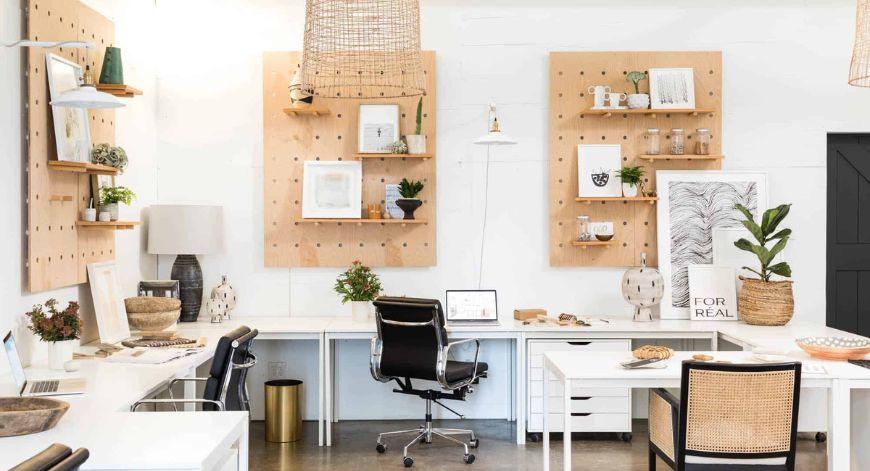
Credit: haywoodofficeservices.co.uk
Frequently Asked Questions
How To Create An Office Desk?
Measure your space and choose desk size. Cut and sand wood pieces. Assemble with glue or screws. Finish by painting or staining.
Can I Build A Desk By Myself?
Yes, you can build a desk by yourself using basic tools and materials. It’s a beginner-friendly, budget-friendly DIY project.
What Is The Best Material For A Diy Desk?
Hardwoods like oak and maple offer durability and strength for DIY desks. Engineered wood and metal also provide sturdy options. Choose based on your budget and style preferences for the best results.
What Is The Best Cheap Countertop For A Desk?
Laminate countertops offer the best cheap option for desks. They are affordable, low-maintenance, and come in many styles that mimic expensive materials.
Conclusion
Creating your own office desk at home is simple and rewarding. Measure your space carefully before starting. Choose materials that fit your style and budget. Take your time cutting and assembling pieces neatly. Sand and finish the desk for a smooth, clean look.
A homemade desk saves money and matches your needs perfectly. Enjoy a workspace that feels just right and helps you stay productive. Start building today and make your home office comfortable and practical.