Choosing the right home office desk can transform the way you work every day. Imagine having a workspace that fits your style, boosts your productivity, and keeps you comfortable from morning to evening.
But how do you pick the perfect desk when there are so many options and details to consider? This guide will help you find a desk that matches your space, supports your work habits, and feels just right for you.
Keep reading, and you’ll discover simple steps to create a home office setup that truly works.
Desk Types
Choosing the right desk type shapes your home office comfort and efficiency. Different desks offer unique benefits and fit various spaces. Understanding these types helps pick one that matches your work habits and room size.
Standing Desks
Standing desks let you work while standing or sitting. They improve posture and reduce back pain. Many models adjust height easily. These desks encourage movement and keep you active during work hours.
L-shaped Desks
L-shaped desks maximize corner space. They provide ample surface area for multiple monitors or paperwork. Ideal for multitasking, they separate work zones. These desks suit larger rooms and create a professional look.
Executive Desks
Executive desks offer a classic, elegant design. They have large surfaces and storage options. Perfect for organizing documents and office tools. These desks add a formal touch to your workspace.
Compact And Space-saving Options
Compact desks fit small rooms or tight corners. They save space without sacrificing function. Look for desks with built-in shelves or drawers. These options keep your workspace neat and efficient.
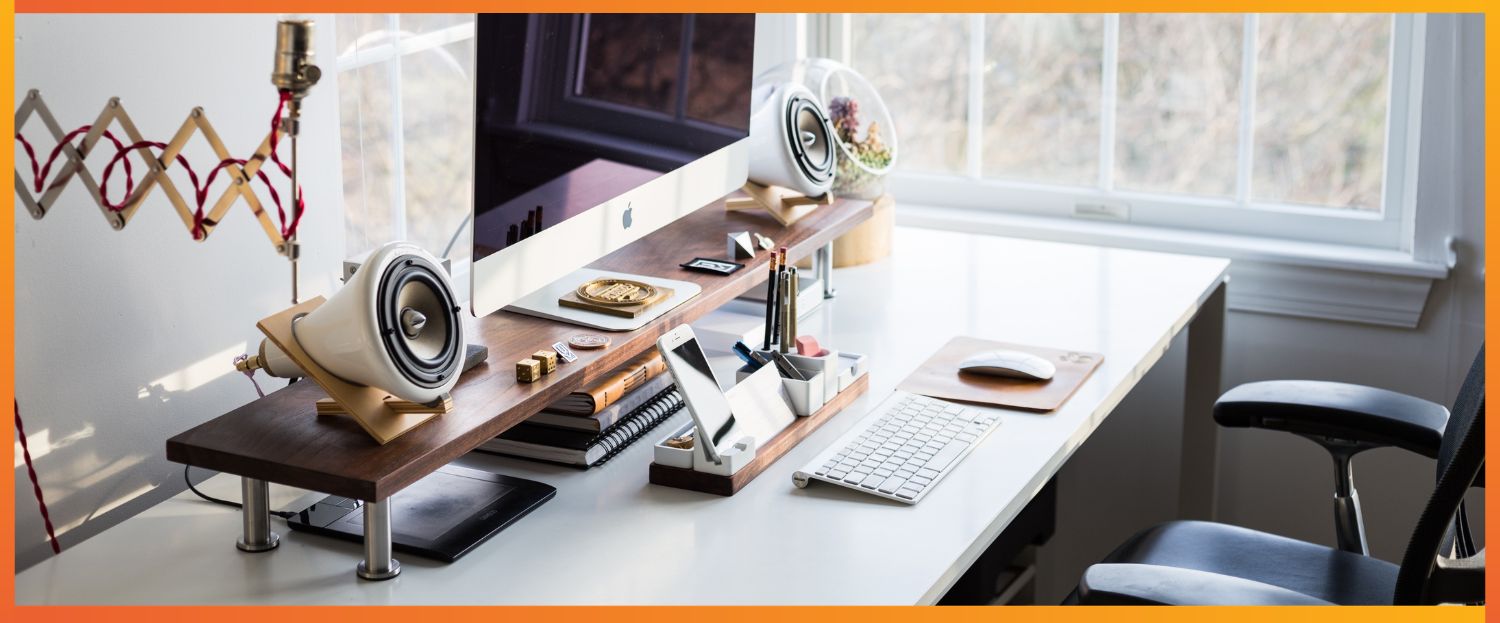
Credit: www.chairoffice.co.uk
Measuring Your Space
Measuring your space is the first step to finding the perfect home office desk. It helps avoid buying a desk that does not fit well or feels cramped. Take time to measure carefully and think about how much room you really have.
Knowing your space size also guides your choice in desk style and shape. A well-measured area leads to a comfortable and productive workspace. Start with these key points to measure your space right.
Desk Dimensions
Measure the width, depth, and height of the area for your desk. Standard desk width ranges from 40 to 60 inches. Depth usually falls between 20 and 30 inches. Height is often around 29 to 30 inches for most desks.
Choose a desk size that fits your space but leaves room for work tools. Check if the desk height matches your chair for good posture. Write down these dimensions for quick reference when shopping.
Allowing Room For Movement
Leave space around the desk to move freely. A minimum of 3 feet in front of the desk allows your chair to slide back easily. Also, keep 2 to 3 feet of walking space on each side if possible.
This space helps you avoid feeling stuck or cramped during work. It also keeps your work area safe and easy to navigate. Measure the clearance area to plan for these needs.
Considering Other Furniture
Think about other furniture near your desk, like shelves or filing cabinets. Measure their size and location before choosing your desk. This avoids overcrowding and keeps your space organized.
Ensure there is enough room to open drawers or cabinet doors fully. Plan for power outlets and cable management too. A well-planned layout makes your home office more efficient and comfortable.
Material Choices
Choosing the right material for your home office desk shapes its look and feel. It also affects durability and upkeep. Different materials offer unique benefits and styles. Understanding these options helps you pick the best desk for your needs and space.
Wood And Veneer
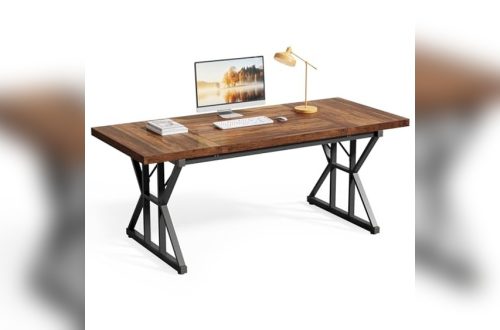
Wood desks bring warmth and classic style to your office. Solid wood is sturdy and lasts many years. Veneer desks use thin wood layers over cheaper materials. They look like solid wood but cost less. Wood surfaces can be stained or painted in many colors. They suit traditional and modern rooms well.
Metal Frames
Metal frames add strength and a sleek look to desks. They support heavier items without bending or breaking. Metal desks often have an industrial or minimalist style. They pair well with wood or glass tops. Metal resists scratches and dents better than wood. You can find metal desks in various finishes like black, silver, or white.
Glass Surfaces
Glass desks create an open, light feeling in any space. Tempered glass is strong and safe for daily use. Glass tops make rooms appear bigger and brighter. They are easy to clean with a simple wipe. Glass surfaces show fingerprints and dust more easily. Pair glass with metal or wood frames for stability and style.
Durability And Maintenance
Each material has different care needs and life spans. Solid wood may scratch but can be sanded and refinished. Veneer is less durable and can chip if handled roughly. Metal frames resist damage but may rust if exposed to moisture. Glass is scratch-resistant but can crack on impact. Choose a material that fits your lifestyle and cleaning habits.
Credit: www.theparentspot.com
Ergonomic Features
Ergonomic features are essential when choosing a home office desk. They help reduce strain and improve comfort during long work hours. A desk with good ergonomic design supports your posture and keeps your body aligned. This prevents pain and fatigue, allowing you to focus better. Key ergonomic features include adjustable height, proper desk height, and cable management.
Adjustable Height
An adjustable height desk lets you change the desk’s level. This flexibility helps you switch between sitting and standing positions. Standing desks improve circulation and reduce back pain. Adjustable desks suit different users and tasks. Choose a desk that adjusts smoothly and locks securely at various heights.
Proper Desk Height For Comfort
The right desk height keeps your arms and wrists relaxed. Your elbows should form a 90-degree angle when typing. Your feet need to rest flat on the floor. A desk that is too high or low causes discomfort and strain. Measure your height and chair before buying a desk to find the ideal height.
Cable Management Solutions
Cable management keeps wires neat and out of the way. Cluttered cables can cause distractions and accidents. Look for desks with built-in cable trays or holes for wires. Use clips or sleeves to bundle cables together. Good cable management creates a clean workspace and protects your equipment.
Style And Design
Choosing the right style and design for your home office desk sets the tone for your workspace. The desk should reflect your personality and fit your daily needs. It also impacts your mood and productivity. Focus on style that balances beauty with function.
Modern Vs Traditional
Modern desks have clean lines and minimal details. They often use metal, glass, or light wood. These desks suit simple, open spaces well. Traditional desks feature classic shapes and rich wood tones. They provide a warm and formal feel. Choose modern for a fresh, sleek look. Pick traditional for a cozy, timeless vibe.
Color Coordination
Color affects how your office feels. Light colors make a room feel bigger and brighter. Dark colors add depth and richness. Neutral shades like white, gray, or beige fit most rooms. Bright colors bring energy but may distract. Match desk color with your overall workspace palette for harmony.
Matching Existing Decor
Your desk should blend with current furniture and decor. Look at materials and finishes around your room. Wooden desks pair well with natural textures like rugs or plants. Metal desks fit industrial or modern interiors. Choose a desk that complements your style to create a balanced look.

Credit: effydesk.com
Functionality And Storage
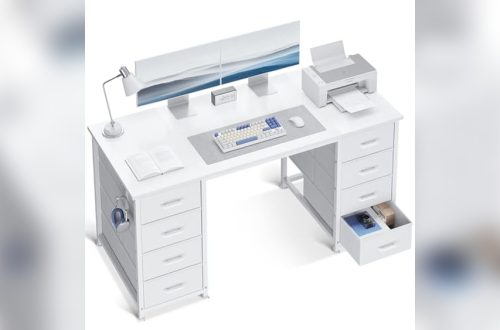
Functionality and storage are key for an effective home office desk. Your workspace should help keep you organized and productive. Choosing a desk with the right features can reduce clutter. It also creates a comfortable place for work tasks.
Consider how much storage you need. Think about what items you use daily. A desk with proper storage can hold supplies close by. It saves time and keeps your space neat.
Built-in Drawers
Drawers offer easy access to office essentials. They keep pens, papers, and small devices out of sight. Built-in drawers save space by reducing the need for extra storage. Look for desks with multiple drawer sizes for different items. Soft-close drawers add a quiet, smooth touch to your desk.
Shelving Options
Shelves provide extra room for books, files, and decor. Open shelves keep important items visible and within reach. Closed shelves hide clutter and protect items from dust. Some desks have adjustable shelving for flexible storage. Shelving can also add style and personality to your workspace.
Surface Area For Equipment
The desk surface should fit your computer, monitor, and other gear. Enough space helps you work without feeling cramped. A larger surface area allows room for writing and using accessories. Desks with cable management features keep wires tidy. Choose a desk that matches the size of your equipment and work habits.
Budget Considerations
Setting a budget is a key step in choosing your home office desk. It helps narrow down options and prevents overspending. A clear budget guides you toward desks that fit both your needs and wallet. Balancing cost with quality ensures you get good value.
Consider how often and how long you will use the desk. A daily workspace may need a sturdier desk than an occasional use area. Planning ahead helps you decide how much to invest in your desk.
Affordable Choices
Many desks offer good quality at low prices. Look for desks made from durable materials like laminated wood or metal frames. Simple designs usually cost less but can still be stylish and functional. Check online stores and local shops for sales and discounts. Secondhand desks can also be a budget-friendly option.
Investing In Quality
Spending more on a desk can mean better comfort and durability. High-quality desks often last longer and resist wear and tear. Features like adjustable height and cable management add value. A strong desk supports heavy equipment and helps maintain good posture. Think of a quality desk as a long-term investment in your health and productivity.
Brands To Consider
Some brands balance price and quality well. IKEA offers affordable desks with simple designs. Fully and Autonomous provide ergonomic desks with adjustable features. Sauder has budget-friendly options that look classic. Check customer reviews to find trusted brands. Choose a brand that offers good warranty and customer support.
Setup Tips
Setting up your home office desk properly makes work easier and more comfortable. Good setup tips improve your focus and reduce strain.
Focus on arranging your desk to fit your tasks and body needs. Small changes can boost productivity and mood.
Optimizing Workflow
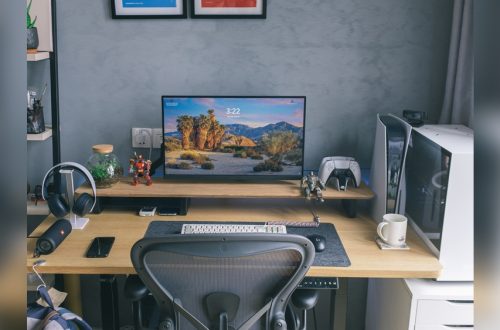
Place frequently used items within arm’s reach. Keep your desk clutter-free to avoid distractions. Use organizers to separate papers and tools. Position your computer screen at eye level for better posture. Arrange cables neatly to prevent tangling and mess.
Chair Compatibility
Choose a chair that fits under your desk easily. Your chair should support your lower back well. Adjust the chair height so feet rest flat on the floor. Allow enough space to move your legs freely. Test chair and desk height together for comfort.
Lighting And Accessories
Use natural light to brighten your workspace. Add a desk lamp for focused lighting in the evening. Avoid glare on your screen by adjusting light sources. Include essential accessories like a mouse pad and pen holder. Keep a small plant or photo for a pleasant touch.
Frequently Asked Questions
What Size Home Office Desk Fits Small Spaces Best?
Choose a compact desk with enough surface area for essentials. Consider corner or wall-mounted desks to save space. Measure your room carefully before buying to ensure a perfect fit.
How To Select A Desk For Ergonomic Comfort?
Pick a desk height that suits your chair and posture. Adjustable desks or standing desks promote better ergonomics. Prioritize legroom and space for movement to avoid strain.
Which Material Is Best For A Durable Home Office Desk?
Wood desks offer durability and classic style. Metal desks provide strength and modern appeal. Choose materials based on your style, maintenance preference, and longevity needs.
Are Standing Desks Better Than Traditional Desks?
Standing desks improve circulation and reduce sitting time. They help increase energy and focus during work. However, comfort varies, so choose based on your workflow and health needs.
Conclusion
Choosing the right home office desk boosts comfort and productivity. Consider your space, work habits, and style. A good desk supports your posture and keeps essentials organized. Prioritize durability and functionality over flashy designs. Take time to measure your area carefully.
Select a desk that fits your daily tasks well. Your workspace should feel inviting and practical. With these tips, you can create a workspace you enjoy every day.