Creating your own home office desk might sound challenging, but it’s easier than you think—and completely worth it. Imagine having a workspace perfectly tailored to your style and needs, boosting your focus and productivity every day.
Whether you have a small corner or a large room, this guide will walk you through simple steps to build a sturdy, stylish desk without breaking the bank. Ready to transform your work area with a desk made just for you?
Keep reading, and let’s get started!
Planning Your Desk Space
Planning your desk space is the first step in creating a functional home office desk. Proper planning helps you use your area efficiently and ensures comfort while working. Take time to consider your room size, work habits, and style preferences. This way, you build a desk that fits well and meets your daily needs.
Measure Your Area
Start by measuring the space where the desk will sit. Use a tape measure to get the width, depth, and height available. Note any obstacles like doors, windows, or vents. Accurate measurements prevent buying or building a desk that is too big or too small.
Measure twice to avoid mistakes. Mark the area on the floor with tape if needed. This visual guide helps you understand how much room you have for your desk and chair.
Choose Desk Dimensions
Decide the size of your desk based on your measurements and work needs. Standard desk height is about 29 to 30 inches. The width and depth depend on your equipment and space. A wider desk offers more workspace but requires more room.
Consider your computer, monitor, keyboard, and other tools. Leave extra space for writing or other tasks. Make sure there is enough legroom underneath for comfort.
Select Desk Style
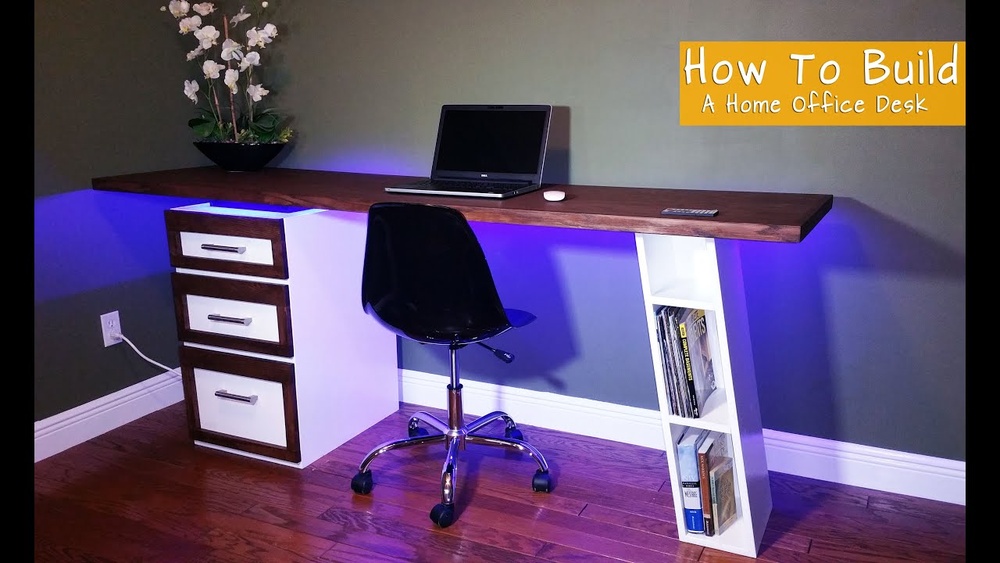
Pick a desk style that fits your room’s look and your work habits. Simple tables work well for small spaces. Desks with drawers add storage for supplies. Corner desks save space and create a cozy work nook.
Think about materials too. Wood offers warmth and durability. Metal looks modern and is easy to clean. Choose a style and material that match your home decor and personal taste.

Credit: www.tlcinteriors.com.au
Choosing Materials
Choosing the right materials is key to building a sturdy home office desk. The material affects the desk’s look, strength, and cost. Selecting the best option depends on your style, budget, and how you plan to use the desk.
Wood Options
Wood is a popular choice for desks. Solid hardwoods like oak and maple offer great strength and a classic look. Softwoods such as pine are easier to work with and cost less. Wood surfaces can be sanded and stained to match your room decor. They also provide a warm, natural feel that many prefer.
Metal And Engineered Alternatives
Metal frames add durability and a modern style to your desk. Steel and aluminum resist wear and support heavy loads well. Engineered woods, like plywood and MDF, are made from layers of wood fibers. These materials are stable, smooth, and less prone to warping. They often come with a laminate finish for easy cleaning.
Budget-friendly Surfaces
For a cost-effective desk, consider laminate or melamine surfaces. These materials mimic wood or stone but cost less. They resist scratches and stains, making them practical for daily use. Another option is reclaimed wood, which can add character and save money. These surfaces balance affordability with durability and style.
Preparing Your Materials
Preparing your materials is the first important step in building a home office desk. This stage sets the foundation for a sturdy and attractive desk. Take time to gather the right wood and tools. Organize everything before you start cutting or joining.
Good preparation helps avoid mistakes and saves time. It also ensures your desk will look professional and last long. Follow each step carefully to prepare your wood and parts well.
Cutting Wood To Size
Begin by measuring the wood pieces for your desk. Use a tape measure and mark the exact lengths. Cut the wood with a saw, keeping the cuts straight and clean. Double-check each piece after cutting to confirm the size. Proper cutting makes assembly easier and the desk stronger.
Sanding For Smooth Finish
Sanding smooths the wood surface and removes rough spots. Use sandpaper or an electric sander for best results. Start with coarse grit to remove large imperfections. Follow with finer grit to create a smooth finish. Sand all edges and surfaces you will see or touch.
Joining Boards
Join the wood boards to form the desktop and frame. Apply wood glue on the edges for a strong bond. Use clamps to hold boards together while glue dries. Add screws or nails for extra support if needed. Make sure joints are tight and flush for a neat look.

Credit: oakodenmark.dk
Building The Desk Base
Building the desk base is the first step in creating a sturdy home office desk. The base holds the entire desk and supports the weight of your equipment. Choose the right design and materials to ensure durability. A strong base means a stable workspace for daily tasks.
Focus on selecting the style of legs and supports that match your needs. Then, attach the base securely to the desktop. Finally, add extra stability to prevent wobbling or shaking.
Leg Styles And Supports
Desk legs come in many styles. Common options include straight legs, angled legs, and trestle designs. Straight legs offer a classic look and simple construction. Angled legs add a modern touch and can improve stability. Trestle supports create a strong frame and offer open space beneath the desk. Choose legs made from wood or metal for strength. Consider the height and width to fit your workspace.
Attaching The Base
Secure the legs to the desktop using screws or brackets. Pre-drill holes to avoid splitting the wood. Use corner brackets for extra support at each joint. Make sure the base sits flat on the floor. Align the legs evenly to keep the desk balanced. Tighten all fasteners firmly but avoid overtightening. Check that the base is square by measuring diagonals.
Adding Stability
Add cross braces or support beams between the legs. These help prevent side-to-side movement. Use metal braces or wooden slats depending on your style. Attach the braces near the bottom of the legs for best support. Level the desk by adding adjustable feet or pads under each leg. Test the desk by applying pressure to different areas. Reinforce any weak points before finishing your project.
Finishing Touches
Finishing touches give your home office desk a polished and professional look. These final steps protect your work and add style. Proper finishing makes your desk durable and easy to clean. It also reflects your personal taste and workspace needs. Focus on painting or staining, sealing the surface, and adding hardware or accessories.
Painting And Staining
Painting or staining enhances the wood’s natural beauty. Choose paint for a colorful, modern look. Stain keeps the wood grain visible and adds warmth. Apply thin, even coats with a brush or cloth. Let each coat dry fully before adding another. Sand lightly between coats for a smooth finish.
Sealing The Surface
Sealing protects your desk from spills and scratches. Use a clear polyurethane or varnish for a strong finish. Apply with a brush in long, even strokes. Allow the sealer to dry completely before use. Multiple coats add extra protection and shine. Sand gently between coats for best results.
Adding Hardware And Accessories
Hardware and accessories improve function and style. Add drawer handles, cable organizers, or a keyboard tray. Choose pieces that match your desk’s design and color. Secure hardware tightly for stability. Accessories help keep your workspace neat and comfortable. Small touches make a big difference in usability.
Credit: www.bestar.com
Styling Your Home Office Desk
Styling your home office desk transforms a simple workspace into an inspiring area. A well-styled desk boosts focus and comfort. It also reflects your personality and work habits. Create a space that feels good and works well. Below are key tips for styling your desk effectively.
Organizing Desk Essentials
Keep only necessary items on your desk. Use trays or small containers to group pens, paper, and tools. Store cables neatly to avoid clutter. Arrange items so you can reach them easily. Clear organization saves time and reduces stress.
Incorporating Decor
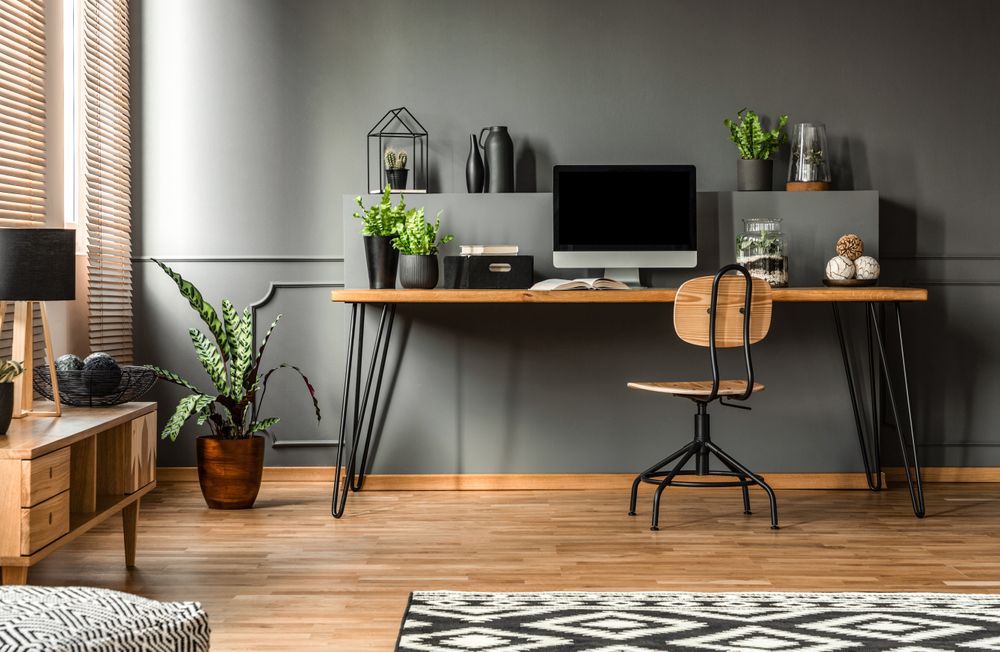
Choose decor that motivates and calms you. A small plant adds freshness and color. Personal photos or artwork create a pleasant atmosphere. Use simple, clean designs to avoid distractions. Balance beauty with function to enhance your workspace.
Optimizing Ergonomics
Set your desk height so your arms rest comfortably. Place your monitor at eye level to prevent neck strain. Use a supportive chair to maintain good posture. Keep your feet flat on the floor or a footrest. Ergonomic setup helps avoid pain and boosts productivity.
Frequently Asked Questions
How To Create An Office Desk?
Measure your space and choose a desk size. Cut and sand wood pieces smoothly. Assemble parts and finish with paint or stain for durability.
What Is The Best Material For A Diy Desk?
The best material for a DIY desk is hardwood like oak or maple for durability. Plywood and engineered wood also work well. Choose based on strength needs and budget. Laminate offers a cost-effective, low-maintenance option with various styles.
Is Plywood Strong Enough For A Desk?
Plywood is strong and durable enough for a desk. Its layered construction provides excellent rigidity and support. Choose thicker plywood for added strength.
What Is The Best Cheap Countertop For A Desk?
Laminate countertops offer the best cheap option for desks. They are affordable, durable, low-maintenance, and mimic expensive surfaces well.
Conclusion
Building your own home office desk saves money and fits your space well. Choose sturdy wood and measure carefully for the best results. Sand and finish your desk to make it smooth and durable. A custom desk creates a comfortable work area that motivates you daily.
Try this simple project to enjoy a workspace made just for you.