Are you struggling to find the perfect desk for your home office? Choosing the right desk can make a huge difference in your comfort and productivity.
Corner desks are gaining popularity, but are they really the best option for your workspace? Imagine a desk that fits snugly into your room’s corner, giving you more room to move and organize your tasks efficiently. Before you decide, it’s important to understand how corner desks can impact your daily work, space usage, and overall comfort.
Let’s explore whether a corner desk is the right fit for your home office and how it might transform the way you work. Keep reading to discover the pros and cons that could change your work-from-home experience.
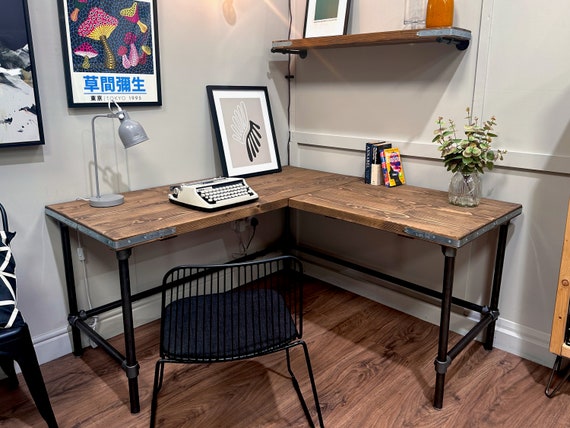
Credit: www.etsy.com
Benefits Of Corner Desks
Corner desks offer practical solutions for home offices. They fit snugly into room corners, making good use of space that often stays empty. This design helps create a dedicated work area without crowding the room. Many users find corner desks improve their workflow and comfort.
These desks combine space efficiency with better organization and multitasking. They also provide ergonomic benefits that support long work hours. Choosing a corner desk can enhance your home office experience in several ways.
Maximizing Small Spaces
Corner desks fit neatly into unused corners. They free up the center of the room for movement. This makes small rooms feel more open and less cluttered. You gain a large work surface without taking extra floor space. Ideal for apartments and compact home offices.
Improved Organization
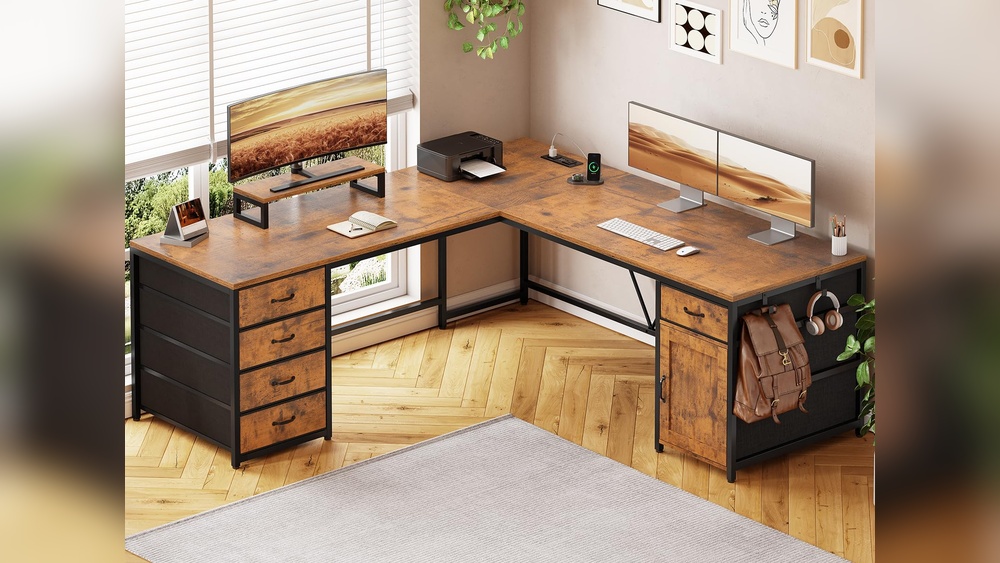
The L-shape creates separate zones for different tasks. You can keep your computer on one side and paperwork on the other. This separation helps reduce clutter and confusion. Many corner desks come with shelves and drawers. These features keep supplies and documents neatly stored.
Enhanced Multitasking
The dual surfaces allow easy switching between tasks. You can view multiple screens or documents at once. This setup supports productivity and focus. It suits people who handle several projects in a day. Less time spent rearranging items means more time working.
Ergonomic Advantages
Corner desks promote better posture by positioning your body correctly. You can place your keyboard and mouse within comfortable reach. This reduces strain on your neck and shoulders. The desk’s shape allows for more legroom and movement. These factors lower the risk of fatigue and discomfort.
Drawbacks Of Corner Desks
Corner desks offer unique advantages but come with notable drawbacks. Understanding these issues helps in deciding if a corner desk fits your home office needs. Some challenges could affect comfort and productivity over time.
Limited Layout Flexibility
Corner desks must be placed in a room corner. This limits your options for rearranging furniture. Moving the desk often means moving other items too. You cannot place it in the center of the room. This restriction reduces your freedom to change your workspace setup.
Potential Clutter Issues
Corner desks have multiple surfaces that can attract clutter. It is easy to pile papers or devices on different sections. Without regular cleaning, the space quickly looks messy. Clutter distracts and reduces your work efficiency. Keeping the area organized requires extra effort.
Higher Cost Considerations
Corner desks tend to cost more than straight desks. Their design uses more materials and is harder to manufacture. If you want quality wood or finishes, the price can rise further. Budget-conscious buyers might find straight desks more affordable. Weigh the cost against the benefits before buying.
Restricted Legroom
Some corner desks have limited space for your legs. The shape can create tight areas under the desk. Sitting comfortably for long hours might be difficult. You may feel cramped or unable to stretch fully. Check dimensions carefully to ensure enough legroom before purchase.
Corner Desks Vs Straight Desks
Choosing between corner desks and straight desks shapes your home office experience. Both options bring different benefits and challenges. Understanding these can help pick the best fit for your space and work needs.
Space Usage Comparison
Corner desks fit snugly into room corners, saving valuable floor space. They use areas that often stay empty, making small rooms feel larger. Straight desks need more wall length and open space. This can limit room layout choices. Corner desks often offer more surface area for work materials. Straight desks provide a simpler, linear workspace.
Suitability For Different Workstyles
Corner desks suit multitaskers who need separate zones for tasks. You can set up a computer on one side and paperwork on the other. Straight desks work well for focused, single-task work. They keep everything within easy reach and reduce distractions. People who move around often might prefer straight desks. Those who stay seated and organized may like corner desks better.
Aesthetic And Design Differences
Corner desks create a modern, built-in look that fits well in many rooms. Their L-shape adds visual interest and can frame a workspace nicely. Straight desks offer a classic, clean design that matches various styles. They are easier to decorate and place against any wall. Corner desks can make a room feel cozy, while straight desks keep it open and simple.
Cost And Versatility
Corner desks usually cost more due to their size and shape. They may require more careful room planning. Straight desks tend to be less expensive and easier to move. They fit many room sizes and layouts. Corner desks offer less flexibility if you change your room setup. Straight desks adapt well to different spaces and uses.

Credit: www.amazon.com
Choosing The Right Corner Desk
Choosing the right corner desk matters for a productive home office. The desk should fit your space and work style. It must also be durable and offer useful features. Careful selection helps create a comfortable workspace. Here are key points to consider before buying a corner desk.
Assessing Room Dimensions
Measure the corner space where the desk will go. Check for enough room to move around comfortably. Consider doorways, windows, and other furniture nearby. A desk too big or small can disrupt your workflow. Choose a desk that fits well without crowding your room.
Considering Work Habits
Think about how you use your desk daily. Do you need space for multiple screens or paperwork? Some people prefer a wide surface for creative projects. Others need a simple setup for a laptop and notes. Match the desk size and shape to your usual tasks for better focus.
Material And Build Quality
Look for sturdy materials like solid wood or metal frames. A strong desk lasts longer and supports your equipment safely. Avoid cheap particleboard that can break easily. Smooth surfaces resist stains and scratches. Good build quality ensures stability and comfort.
Additional Features To Look For
Extra shelves or drawers help keep your desk tidy. Cable management options prevent wire clutter. Adjustable height desks support better posture. Rounded edges add safety and comfort. Choose features that enhance your work experience and organization.
Optimizing Your Corner Desk Setup
Optimizing your corner desk setup can greatly improve your home office experience. A well-organized corner desk creates a productive and comfortable workspace. Focus on key elements like cable management, ergonomics, lighting, and storage. Each factor helps you work efficiently and reduces stress.
Effective Cable Management
Keep cables neat to avoid clutter and distractions. Use cable clips or sleeves to group wires together. Attach power strips under the desk for easy access. Label cords to identify devices quickly. This keeps your workspace clean and safer.
Ergonomic Chair Pairing
Select a chair that supports your back and posture. Adjustable height and lumbar support are essential. Ensure your feet rest flat on the floor or a footrest. The chair should allow easy movement around the corner desk. Comfort reduces fatigue and boosts focus.
Lighting Solutions
Proper lighting reduces eye strain and improves mood. Place a desk lamp with adjustable brightness on your corner desk. Natural light is ideal, so position your desk near a window if possible. Use soft, warm light to create a cozy atmosphere.
Storage And Accessory Placement
Organize supplies within arm’s reach to save time. Use drawer units or shelves under or beside the desk. Keep frequently used items like pens and notebooks on top. Use organizers to separate small accessories. This arrangement keeps your desk tidy and efficient.
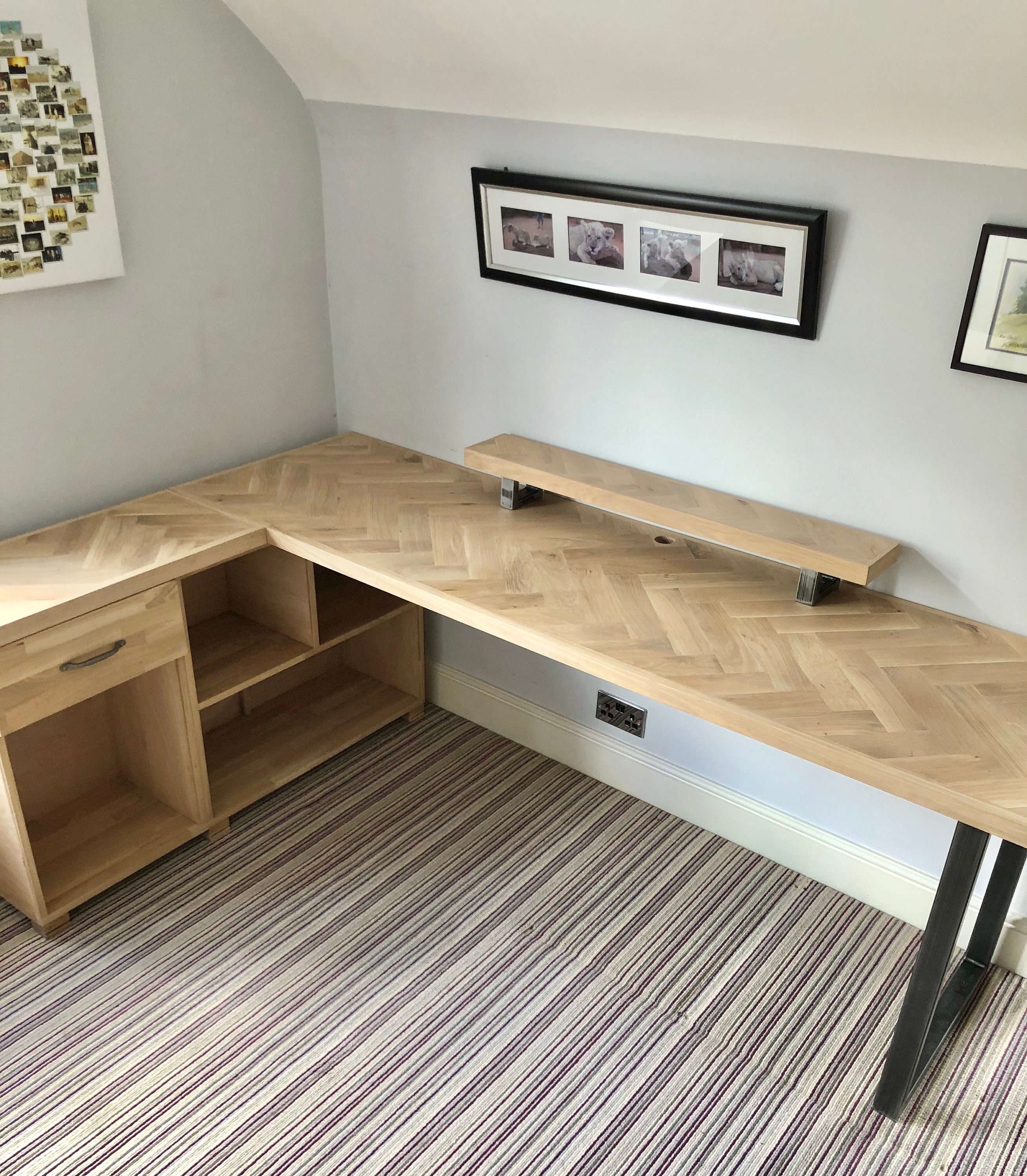
Credit: www.etsy.com
Frequently Asked Questions
What Are The Disadvantages Of A Corner Office?
Corner offices may limit natural light and view angles. They can feel isolated and reduce team interaction. Furniture arrangement might be challenging, and cleaning corners is harder. These offices sometimes create a perception of exclusivity, affecting team dynamics negatively.
Is A Corner Desk A Good Idea?
A corner desk maximizes space, improves organization, and supports multitasking. It suits small rooms but may limit layout flexibility.
What Are The Disadvantages Of An L-shaped Desk?
An L-shaped desk can limit room layout flexibility and may feel bulky in small spaces. It often reduces legroom and requires chair adjustments to move between surfaces. It also tends to be more expensive and can encourage clutter buildup.
Do Corner Desks Take Up Less Space?
Corner desks often save space by fitting into unused corners, optimizing room layout efficiently. They suit small areas but may feel bulky in very tight rooms.
Conclusion
Corner desks fit well in small rooms and use space smartly. They offer separate zones for different tasks, helping you stay organized. Some may find them a bit tight for movement or legroom. Choosing the right desk depends on your work habits and room size.
Think about comfort and how you move while working. Corner desks can boost focus and productivity if they match your needs. Consider these points before picking the best desk for your home office.