Can a home office be just a desk? You might think it takes an entire room or fancy setup, but the truth is simpler—and more flexible—than you expect.
If you’re working from home, the question isn’t just about space; it’s about how you use that space. Imagine turning a single desk into your productivity powerhouse, without needing a separate room or expensive furniture. But does just having a desk count as a legitimate home office?
And how does that affect your work and even your taxes? Keep reading to uncover what truly defines a home office, how to make the most out of your desk area, and why this matters for your work life and finances. Your perfect home office might be closer than you think.
Home Office Basics
Creating a home office may seem simple. Many wonder if a desk alone counts as a home office. Understanding the basics helps clarify what qualifies as a home office. This includes how space is defined and the rules set by the IRS.
Knowing these basics helps you set up a proper workspace. It also guides you if you want to claim tax deductions. Let’s explore the key elements of a home office.
Defining A Home Office Space
A home office is a specific area used for work inside your home. It can be a whole room or a dedicated corner. The space must be set aside mainly for business tasks. Using this space regularly for work is important. Simply placing a desk in a living room does not always count.
Irs Criteria For Home Offices
The IRS has clear rules for home office deductions. The space must be used regularly and exclusively for business. It should be your main place of work. This means you conduct most of your work activities there. Occasional or incidental use does not qualify.
Exclusive Use Requirement
Exclusive use means the space is only for work. It cannot serve other purposes like sleeping or watching TV. The IRS requires this to avoid confusion with personal use. A desk in a shared room often does not meet this rule. Your workspace should be separate and private for business tasks.

Credit: www.lorddecor.com
Desk As A Home Office
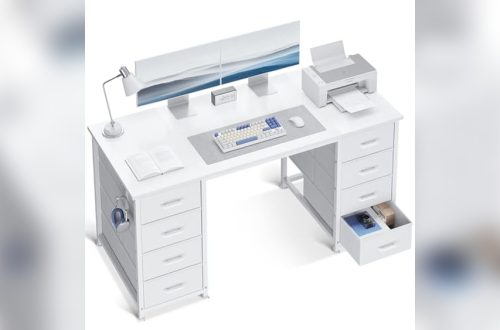
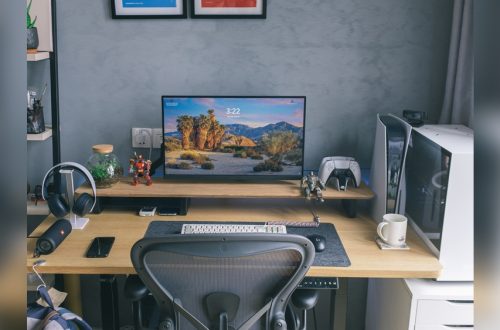
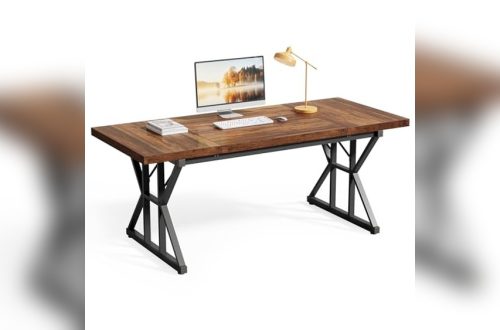
Setting up a home office does not always mean having a large room or expensive equipment. A simple desk can serve as the heart of your workspace. It provides a dedicated spot for work tasks, helping to separate personal life from professional duties. Understanding how a desk alone can function as a home office helps many find practical solutions in small spaces.
Is A Desk Enough?
A desk can be enough for many people, especially those with light work needs. It offers a surface for a computer, notebooks, and other essentials. For tasks like writing, calls, or online meetings, a desk provides the necessary space. The key is to keep the area organized and free from distractions. However, some may need more than just a desk for storage or equipment.
Examples Of Desk-only Offices
Many freelancers and remote workers use just a desk as their home office. For instance, a writer may have a laptop and a lamp on a small desk in a quiet corner. Another example is a graphic designer using a desk with a computer and drawing tools. Students often turn a simple desk into a study area. These setups show that a desk alone can support productivity.
Pros And Cons
Using only a desk has clear advantages. It saves space and costs less than a full office setup. A desk-only office is easy to maintain and move if needed. On the downside, limited storage can cause clutter. Some work tasks may require additional equipment or privacy. Without extra furniture, comfort and ergonomics might suffer.
Productivity Tips For Desk Offices
Creating a productive home office with just a desk is possible. Small spaces can still support focused work. The right setup makes a big difference in daily output. Simple changes improve concentration and comfort. Here are some tips for desk offices to boost productivity.
Optimizing Desk Setup
Keep your desk clear of clutter. Only essential items should stay on the surface. Organize supplies in drawers or containers nearby. Place your computer screen at eye level. This reduces neck strain and helps you focus. Use a desk that fits your space and work style. A tidy workspace encourages clear thinking and faster task completion.
Ergonomics And Comfort
Choose a chair that supports your back well. Sit with your feet flat on the floor. Keep your elbows close to your body at a 90-degree angle. Take short breaks to stretch every hour. Good posture prevents pain and fatigue. Comfortable seating lets you work longer without discomfort. Small ergonomic improvements lead to better health and productivity.
Lighting And Ambiance
Natural light is best for your desk area. Position your desk near a window if possible. Use soft, warm light bulbs to reduce eye strain. Avoid harsh overhead lighting or glare on screens. Add plants or personal items to create a pleasant environment. A calm space helps maintain focus and reduces stress. Proper lighting enhances your mood and energy levels.
Maximizing Small Spaces
Maximizing small spaces is key for a functional home office. Many homes have limited room for work areas. Creating an efficient workspace in a small spot improves focus and comfort. Smart choices help you use every inch wisely. Small spaces can still hold a complete office setup.
Compact Desk Options
Choose desks designed for tight spaces. Wall-mounted desks fold up when not in use. Small writing desks offer enough surface without crowding the room. Desks with built-in drawers save extra space. Look for lightweight and portable models for flexibility.
Using Vertical Storage
Vertical storage frees up floor space effectively. Shelves above the desk keep supplies within reach. Pegboards organize tools and stationery on the wall. Tall bookcases hold files and books without taking much ground area. Hooks and wall-mounted organizers help keep clutter off the desk.
Creative Space Solutions
Think beyond traditional setups to save space. Use corners for desks or shelves to utilize often-unused areas. Multi-purpose furniture, like storage ottomans, adds function. Sliding doors or curtains can separate the office without walls. Mirrors reflect light and make the space feel larger.
Tax Benefits And Deductions
Tax benefits and deductions make having a home office appealing. Even a simple desk can qualify for deductions. Understanding the rules helps you save money on your taxes. Claiming these expenses reduces your taxable income. This section explains how to deduct desk expenses, the rules to follow, and tips for keeping good records.
Deducting Desk Expenses
You can deduct part of the cost of your desk if used for work. The desk must be used only for your home office. Expenses include buying, repairing, or improving the desk. If you rent, a portion of your rent related to the desk space may also be deducted. Keep receipts and proof of purchase to support your claim.
Home Office Deduction Rules
The IRS requires the space to be used regularly and exclusively for business. The desk area must be your main place of work. A desk in a shared room may qualify if you use it only for work. The deduction applies to both employees (under certain conditions) and self-employed workers. The space should not be used for personal activities.
Record Keeping Tips
Good records make claiming deductions easier and safer. Keep all receipts for desk purchases and related expenses. Track the time and purpose of desk use for work. Use a dedicated notebook or digital app for records. Save utility bills and rent agreements if you claim part of these costs. Accurate records help avoid problems if the IRS asks for proof.
Common Challenges
Setting up a home office sounds simple, but many face common challenges. These obstacles can affect productivity and work quality. Knowing them helps to prepare better and create a more effective workspace.
Even if the home office is just a desk, issues can arise. Managing distractions, balancing work and life, and handling legal rules are key hurdles.
Distractions At Home
Home life brings many distractions. Family members, pets, and household chores compete for attention. Noise from TV, phone, or neighbors can interrupt focus. Without a dedicated space, distractions grow. This makes it hard to stay on task and meet deadlines.
Maintaining Work-life Balance
Work and personal life can blend too much at home. It becomes difficult to switch off after work hours. This blurs boundaries and increases stress. Without clear separation, productivity suffers. A simple desk might not create that mental divide needed for balance.
Legal And Tax Pitfalls
Using a home desk as an office raises legal and tax questions. The IRS requires exclusive and regular use of the space for business. Just having a desk in a shared room may not qualify. Incorrect claims can cause audits or penalties. Understanding these rules is essential for tax deductions.
Enhancing Your Desk Office
Creating a functional home office does not require a large room. A simple desk can serve as the base. Enhancing that desk office boosts your productivity and comfort. Small changes make a big difference in your workday. Focus on tools, storage, and personal touches.
Adding Technology Tools
Technology helps you work faster and easier. A good computer or laptop is essential. Add a quality keyboard and mouse for comfort. Use a monitor to reduce eye strain and improve focus. A webcam and microphone support video calls. Keep cables organized to avoid clutter. Consider a desk lamp with adjustable brightness.
Incorporating Storage Solutions
Storage keeps your desk tidy and your mind clear. Use small drawers or trays for papers and supplies. Vertical shelves save space and hold books or files. A filing box under the desk keeps documents safe. Hooks or holders can hang headphones or bags. Label storage to find items quickly. Clean storage areas regularly to maintain order.
Personalizing Your Space
Personal touches make your office inviting and motivating. Place photos or artwork that inspire you. Use a plant to add a touch of nature and freshness. Choose a comfortable chair that supports good posture. Add a small clock or calendar to keep track of time. Keep the area neat but add items that make you happy. Personalization helps you feel relaxed and focused.

Credit: www.amazon.com

Credit: www.burkefurniture.com
Frequently Asked Questions
What Qualifies As A Home Office?
A home office is a specific area in your home used regularly and exclusively for business activities. It must serve as your primary work space.
Can I Deduct A Desk For A Home Office?
You can deduct a desk for a home office if you use the space regularly and exclusively for business. The desk must be part of your primary work area. Keep receipts and records to support your deduction claim.
What Are The Irs Rules For Home Office Deduction?
The IRS allows home office deductions if you use a specific area exclusively and regularly for business. It must be your principal place of work. Deductible expenses include a portion of rent, utilities, and office furniture costs related to that space.
How To Have A Home Office With No Space?
Create a home office by using a fold-down desk, vertical shelves, mirrors, and compact furniture. Utilize wall space and layered lighting. Choose built-in storage and multi-functional seating to maximize limited areas efficiently.
Conclusion
A home office can be more than just a desk. It needs a dedicated space used only for work. This helps focus and keeps work separate from home life. Even a small desk area can qualify if used regularly for business.
Proper setup supports productivity and may offer tax benefits. Creating a clear boundary between work and rest improves balance. So, a desk alone can start your home office journey. But adding organization and routine makes it truly effective.