Where you place your desk in your home office can make a huge difference in how productive and comfortable you feel throughout the day. Imagine sitting in a spot that energizes you, reduces distractions, and even boosts your mood—all simply by changing where your desk faces.
But how do you find that perfect spot? Should your desk face the window to soak in natural light, or is it better to turn away to avoid glare and distractions? You’ll discover simple yet powerful tips to help you choose the best desk placement for your unique space and work style.
Keep reading to transform your home office into a place where focus and creativity come naturally.
Desk Facing The Window
Placing your desk facing the window can transform your home office experience. This setup brings natural light and an outdoor view right to your workspace. It helps create a bright and uplifting atmosphere. Many people find it refreshing and motivating to work while looking outside.
This position connects you with nature and the world beyond your room. It can improve mood and make work feel less confined. Still, it requires some thought to manage light and distractions well.
Benefits Of Natural Light
Natural light boosts energy and helps keep you alert. It reduces the need for artificial lighting during the day. This saves electricity and creates a pleasant work environment. Exposure to sunlight also supports healthy sleep patterns. It improves focus and productivity over time. A well-lit room feels more open and welcoming.
Stress Reduction And Mental Breaks
Looking out the window offers a quick mental escape. It helps reduce stress and refresh your mind. Brief breaks to gaze outside can prevent burnout. Natural views calm nerves and lower anxiety levels. This simple act can improve creativity and problem-solving skills. Your workspace becomes a place to recharge, not just work.
Challenges With Glare And Distractions
Direct sunlight can cause glare on your computer screen. This makes it hard to see and may strain your eyes. You might need blinds or curtains to control light levels. Outdoor activity can also distract your focus. Noise from outside may interrupt concentration. Finding balance between light and distraction is key for this setup.
Desk Facing Away From The Window
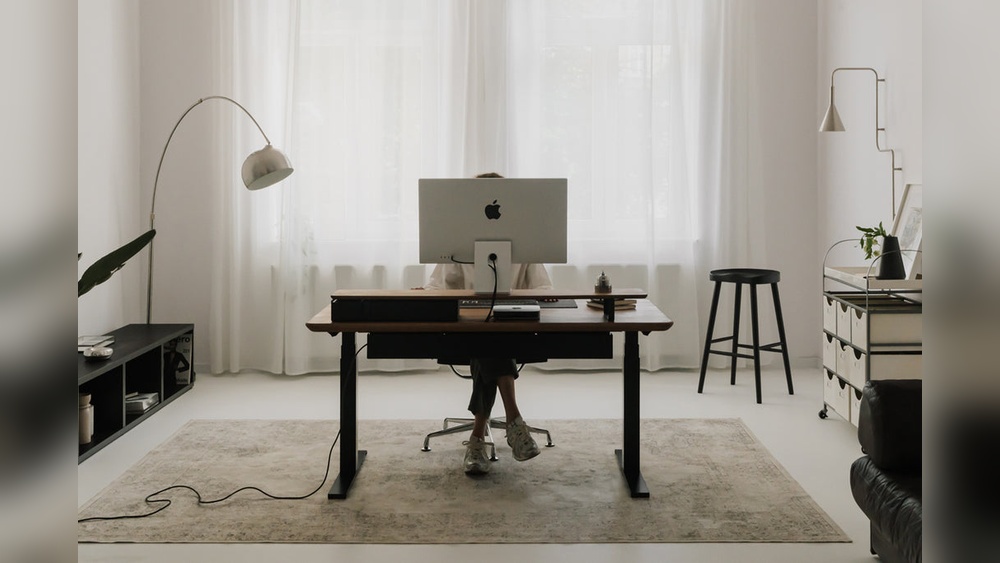
Placing your desk facing away from the window creates a calm and controlled workspace. This setup minimizes distractions from outside activity. It also helps protect your screen from harsh sunlight, making it easier to see your work.
This position suits those who need a focused and secure environment. You work with your back to the window, so you avoid sudden surprises. It creates a sense of stability and command in your home office.
Reducing Screen Glare
Facing away from the window stops bright sunlight from hitting your screen. This reduces annoying reflections that make it hard to read. You can work longer without straining your eyes. The screen stays clear and easy to view throughout the day.
Enhancing Focus And Security
With your back to the window, distractions lessen. You avoid seeing people or cars passing by. This helps your mind stay on tasks. Feeling secure with a wall behind you can improve concentration. It offers a quiet, stable background that supports deep work.
Need For Artificial Lighting
Since natural light is behind you, the front of your desk may be darker. You need good artificial lighting to brighten your workspace. Desk lamps and overhead lights become important. Choose soft, even lighting to avoid creating new glare or shadows.
Desk Positioned Perpendicular To The Window
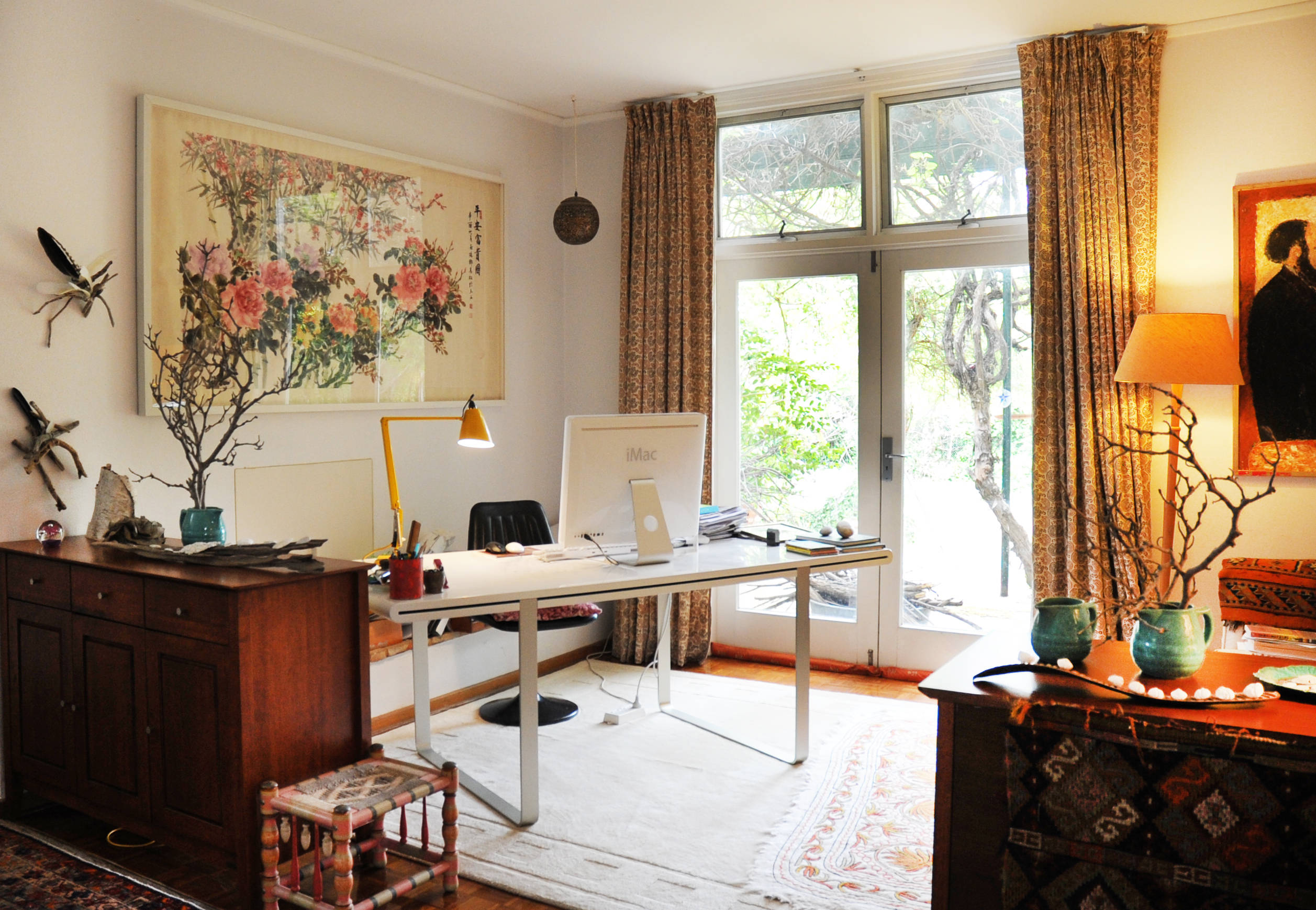
Positioning your desk perpendicular to the window is a smart choice for many home office setups. This arrangement lets natural light fill the room without shining directly on your screen. It offers a balance between brightness and comfort, reducing eye strain during long work hours.
You can enjoy sunlight and the outside view without harsh glare blocking your work. This setup helps maintain focus while keeping the workspace bright and inviting. It suits different room sizes and window types, making it a versatile option.
Balancing Light And Glare
Placing the desk perpendicular to the window controls how light enters your workspace. Sunlight hits the desk side, not the front, preventing strong reflections on your monitor. This placement reduces screen glare and avoids dark shadows on your work surface.
Natural light boosts mood and energy but must not cause discomfort. This setup creates a well-lit area that feels open and fresh. You can add blinds or curtains to adjust light levels further.
Flexible View Options
This desk position allows easy shifts between work and rest. You can turn slightly to glance outside without losing focus. The view provides a mental break, helping to refresh your mind during tasks.
It also offers privacy, as you do not face the window directly. This reduces distractions from outside activity. The setup combines productivity with comfort, making your home office a pleasant place to work.
Credit: www.houzz.co.nz
Feng Shui Desk Placement Tips
Feng Shui desk placement tips can improve your work focus and energy. The right desk position creates balance and calm in your home office. You feel more confident and productive when your workspace supports you. Simple adjustments in desk placement can bring big benefits.
Command Position And Control
Place your desk where you can see most of the room. This spot is called the command position. It helps you feel in control and less stressed. Avoid sitting with your back to the room or door. Being in command boosts your focus and decision-making power.
Facing The Door
Your desk should face the door but not be directly in line with it. This allows you to see who enters without feeling overwhelmed. Facing the door invites positive energy and opportunities. It also reduces surprise distractions and creates a safe work zone.
Wall Behind For Support
Keep a solid wall behind your desk. This provides a strong sense of support and stability. Avoid sitting with windows or empty space behind you. A wall behind helps you feel grounded and secure in your work. It also prevents energy from flowing away too quickly.
Choosing Desk Direction For Productivity
Choosing the right desk direction can greatly impact your productivity in a home office. The way your desk faces influences your focus, energy, and mood. A well-placed desk can reduce distractions and encourage a better work flow. Consider how different directions affect your work habits and creativity.
Avoiding Direct Door Alignment
Placing your desk directly in line with the door can cause distractions. People entering the room might catch your attention easily. This setup can make you feel exposed and less secure. Instead, position your desk so you see the door from the side. This way, you remain aware of your surroundings without being directly in the path of incoming traffic.
Directions To Boost Creativity And Growth
Facing east or north often supports creativity and calmness. East-facing desks allow morning light to energize you. North-facing desks offer consistent, soft light that reduces glare. Avoid facing south, as intense sunlight may cause discomfort. Experiment with desk direction until you find what feels best for your focus and inspiration.
Dealing With Distractions
Distractions can break your focus and reduce work quality. Choosing the right desk placement helps control these interruptions. A calm workspace supports better concentration and productivity. Think about what pulls your attention and plan your desk position to avoid these triggers.
Minimizing Outside Activity Views
Sitting with your back to windows or busy areas limits outside distractions. Avoid placing your desk where you see street traffic or neighbors. Use blinds or curtains to block sudden movements. This reduces the chance of your eyes wandering away from work. A view of nature or quiet spaces works best if you want a window nearby.
Creating A Focus-friendly Environment
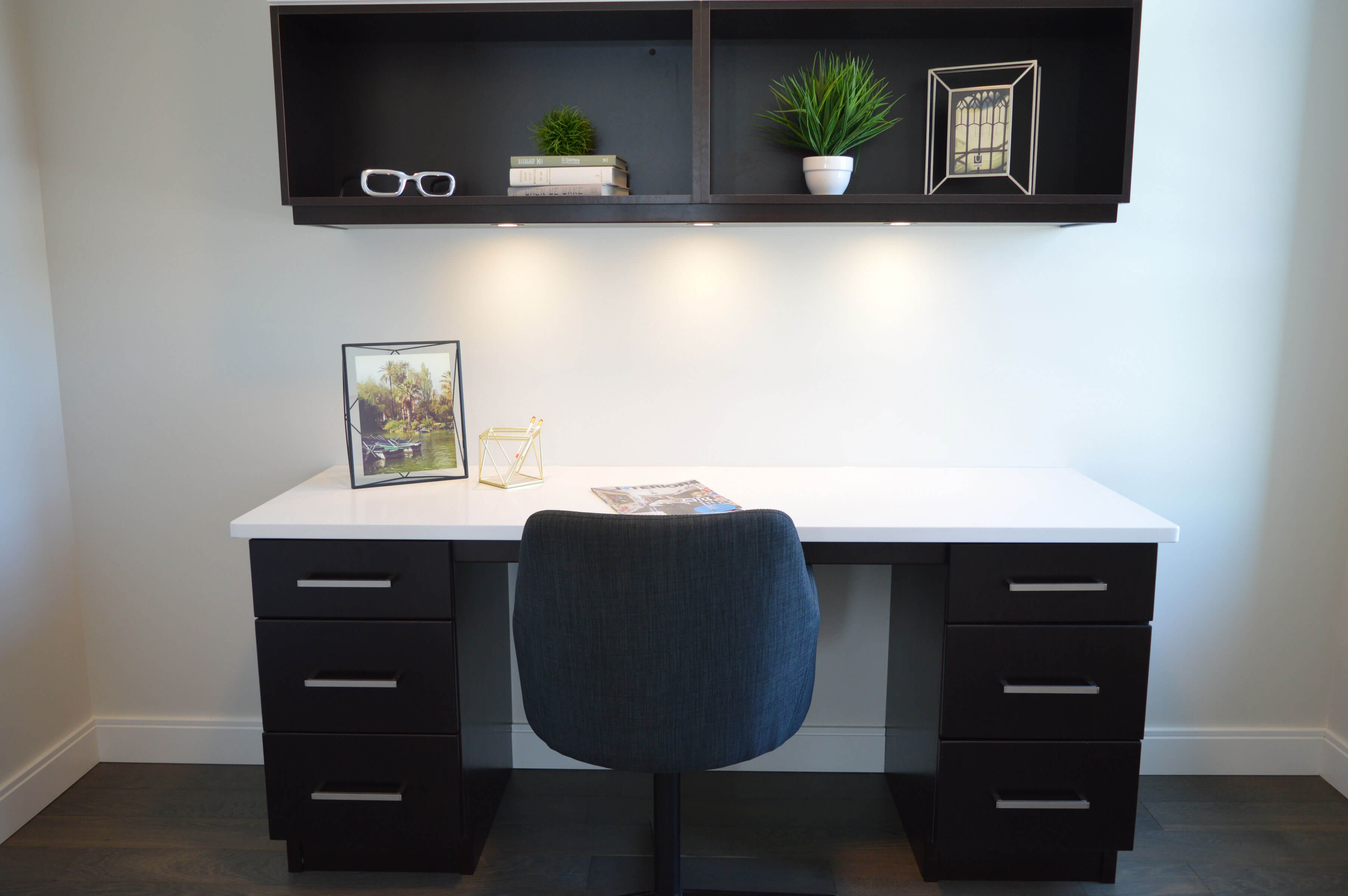
Arrange your desk facing a solid wall or a calm corner. This setup cuts down visual noise and keeps your mind on tasks. Keep your desk tidy and remove items not related to work. Soft lighting and noise-canceling headphones help maintain focus. Personalize your space with simple decor that motivates without distracting.
Lighting Considerations
Lighting plays a key role in choosing the best spot for your desk. Good lighting reduces eye strain and keeps you alert. It also creates a comfortable work environment. Paying attention to lighting helps you stay productive and focused.
Maximizing Natural Light
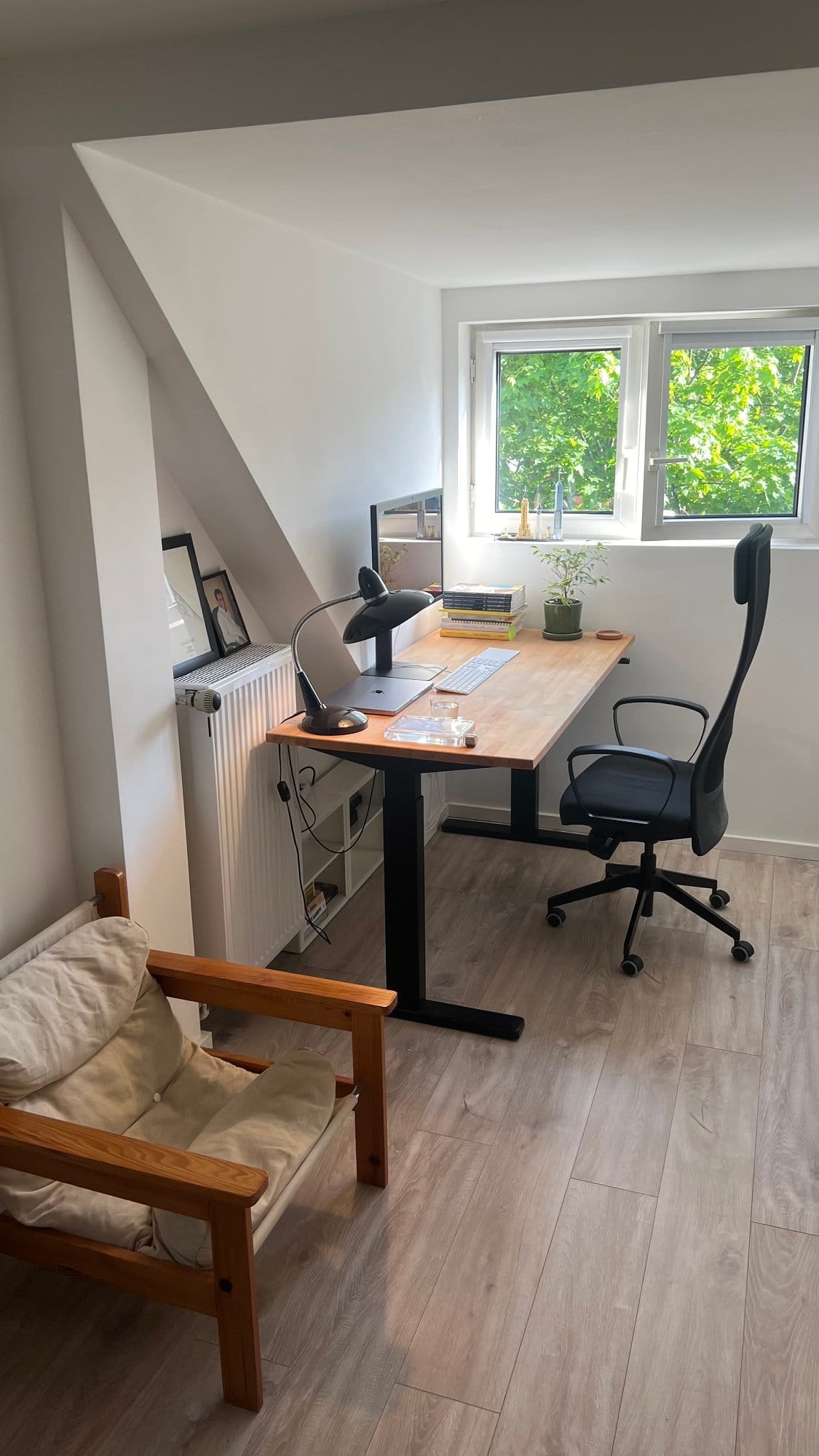
Place your desk near a window to use natural light. Natural light boosts mood and energy levels. Keep the desk at a side angle to the window. This reduces glare on your computer screen. Avoid direct sunlight that can cause harsh shadows and reflections. Use light curtains to soften bright daylight. Natural light also makes the room feel larger and more welcoming.
Supplementing With Artificial Lighting
Artificial lighting is essential for work after dark or on cloudy days. Choose a desk lamp with adjustable brightness and color temperature. Position the lamp to avoid shadows on your work area. Overhead lights can brighten the whole room but may cause glare. Combine different light sources for even illumination. Warm light helps create a cozy atmosphere, while cool light improves focus. Proper artificial lighting supports your eyes and keeps you comfortable.
Credit: www.makerstations.io
Room Layout And Desk Placement
Choosing the right spot for your desk shapes your home office experience. The room layout plays a key role in desk placement. It affects your comfort, focus, and productivity. Consider the room’s size, shape, and natural light sources. Planning well helps you create a balanced workspace that feels good and works well.
Utilizing Space Efficiently
Place your desk to maximize free space in the room. Avoid blocking doorways or windows. Use corners to save space and create a cozy work area. Select a desk size that fits well without crowding the room. Keep pathways clear to move easily. Use vertical storage near your desk to keep supplies organized. Efficient use of space reduces clutter and distraction.
Balancing Style And Functionality
Choose a desk spot that blends style with work needs. Let natural light brighten your desk without causing glare on your screen. Position your desk so you can see the door, creating a secure feeling. Match your desk placement with the room’s decor for a pleasing look. Ensure easy access to power outlets and internet connections. A well-placed desk supports comfort and a professional atmosphere.
Credit: www.officechairsunlimited.com
Frequently Asked Questions
Should A Desk Face The Window Or Away?
Place your desk perpendicular to the window for natural light without glare. Facing away reduces distractions but may feel isolating. Choose based on your focus and comfort needs.
Which Direction Is Best For A Work Table At Home?
Place your work table perpendicular to a window for natural light without glare. Ensure a solid wall behind for focus and security. This setup boosts productivity and reduces distractions effectively.
Which Direction Should I Keep My Desk?
Place your desk perpendicular to a window to enjoy natural light without glare. Ensure a solid wall behind for security and focus. Facing the door boosts control and productivity. Avoid direct window-facing to reduce distractions and screen glare.
Which Direction Should You Face When Sitting In Office?
Face your desk perpendicular to a window to enjoy natural light without glare. Ensure a wall is behind you for security and focus. This setup boosts productivity and reduces distractions.
Conclusion
Placing your desk in the right spot can boost focus and comfort. Natural light helps mood, but glare can distract you. Positioning the desk at a right angle to a window offers balance. Having a solid wall behind gives a sense of security.
Try to see the door for better control. Small changes in desk placement can improve your workday. Choose the setup that fits your space and needs best. A thoughtful desk position supports productivity and well-being.