Is your bedroom long and narrow, making it hard to create a cozy, stylish space? You’re not alone—and the good news is, you don’t have to settle for a cramped, awkward room.
With the right tricks, you can transform your long narrow bedroom into a comfortable haven that feels wider, brighter, and perfectly balanced. In this guide, you’ll discover simple, effective decorating tips tailored just for your unique space. Ready to make your bedroom look bigger and more inviting?
Keep reading to unlock the secrets that will change the way you see your room forever.
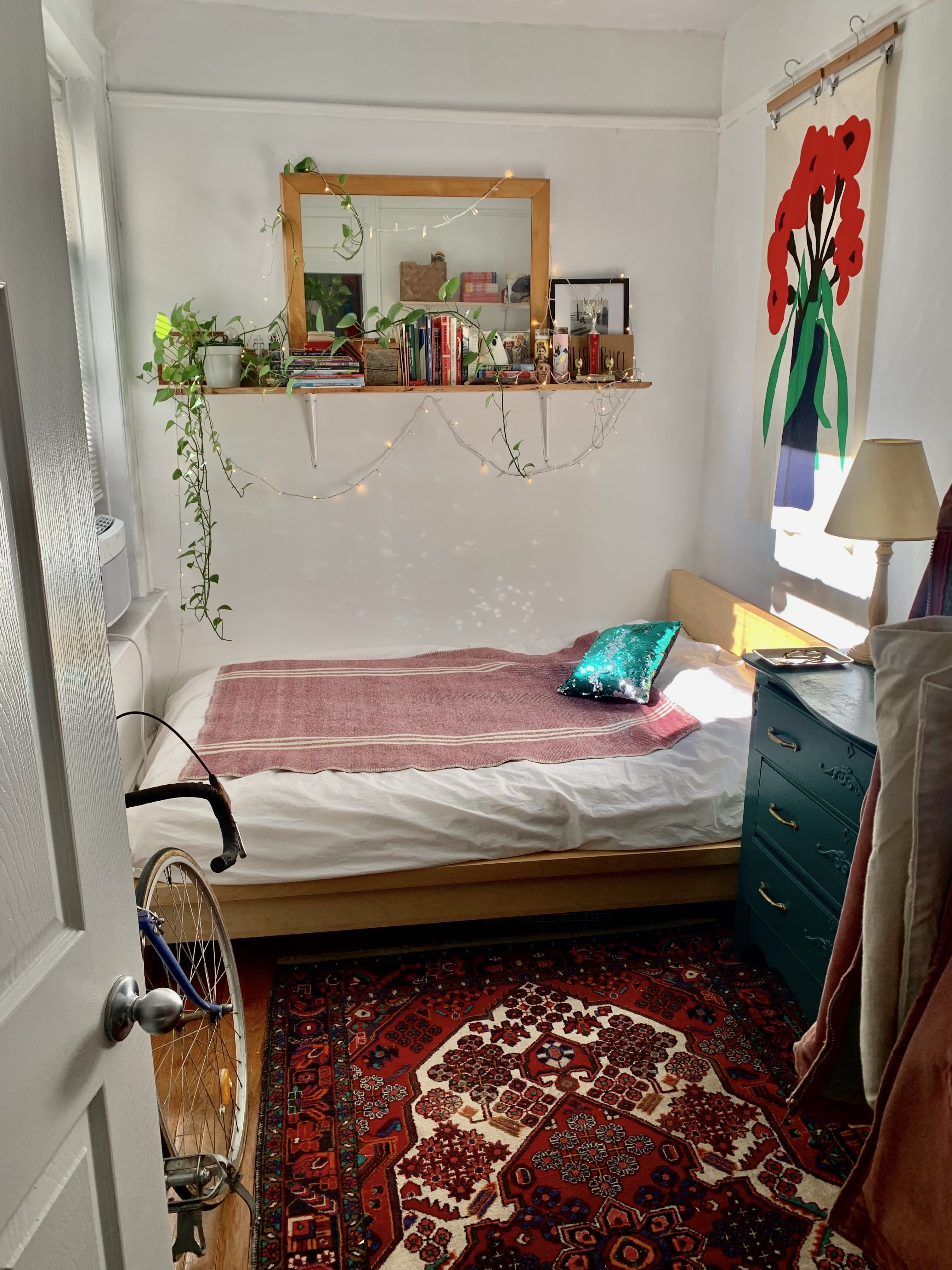
Credit: www.apartmenttherapy.com
Layout Tips
Designing the layout of a long narrow bedroom requires smart planning. Proper arrangement can make the space feel larger and more comfortable. It helps to balance the room’s length and width. Focus on where to place the bed, how to keep walkways clear, and clever furniture placement. These tips improve flow and create a cozy atmosphere.
Positioning The Bed
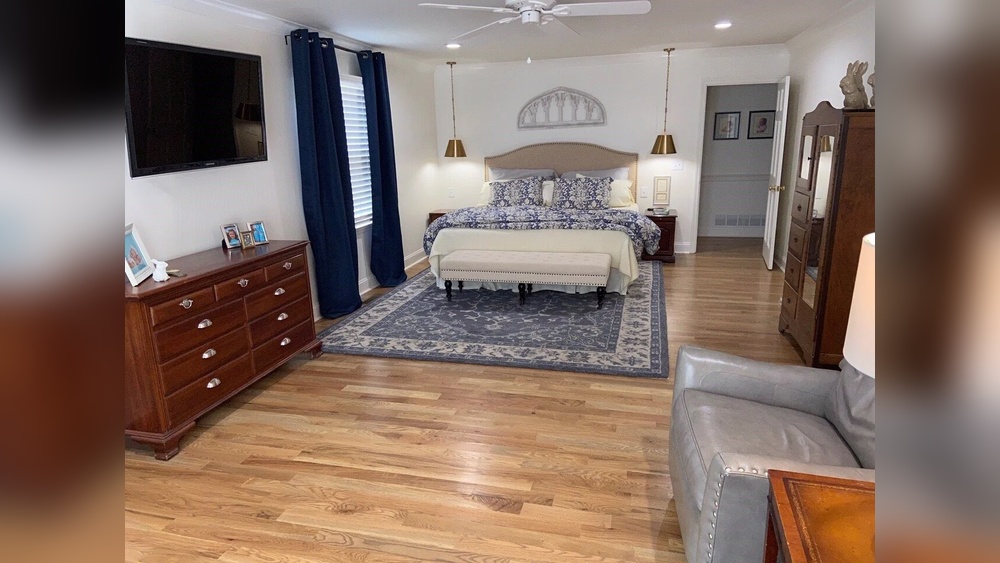
Place the bed against one of the shorter walls. This uses the room’s length better. Avoid putting the bed along the long wall. It can make the room feel even narrower. Aligning the headboard with the short wall helps open up space. It also draws attention to the room’s depth. This makes the bedroom seem bigger and less cramped.
Optimizing Walkways
Keep pathways clear and wide enough for easy movement. Avoid blocking walkways with large furniture. Leave at least two feet of space to walk comfortably. Arrange furniture so it does not interrupt the natural flow. Clear walkways help the room feel open and inviting. This reduces any sense of confinement in a narrow room.
Furniture Placement Tricks
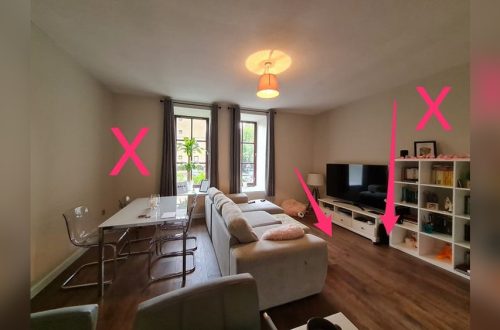
Use slim and multi-functional furniture to save space. Position pieces across the width to create balance. Floating furniture away from walls can add depth. Consider vertical storage to keep the floor free. Group smaller furniture rather than one large piece. This breaks up the room and adds interest without crowding. Choose light-colored furniture to enhance brightness and openness.
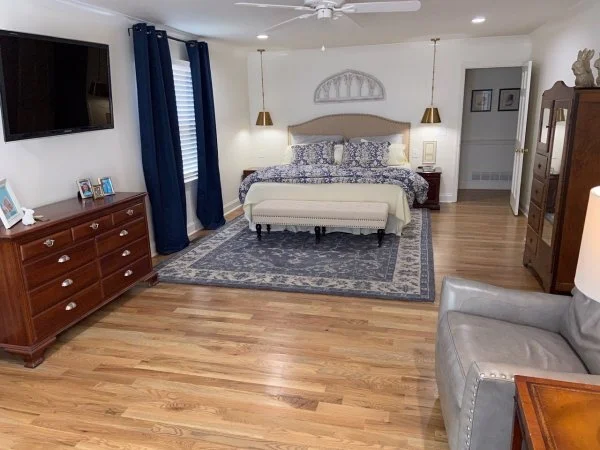
Credit: carlaaston.com
Space-saving Furniture
Space-saving furniture is essential for decorating a long narrow bedroom. It helps keep the room open and functional. Choosing the right pieces can make the space feel larger and more comfortable. Smart furniture choices also add style without clutter.
Multipurpose Pieces
Multipurpose furniture offers more than one function. A bed with drawers underneath provides storage without extra space. A fold-out desk can be used for work and folded away when not needed. These pieces reduce the need for extra furniture, saving valuable floor space.
Wall-mounted Storage
Wall-mounted storage frees up floor space. Floating shelves hold books, decor, and essentials without bulky furniture. Hooks and racks keep clothes and bags off the floor. Using vertical space helps maintain a clean, open look in a narrow room.
Compact Dressers And Nightstands
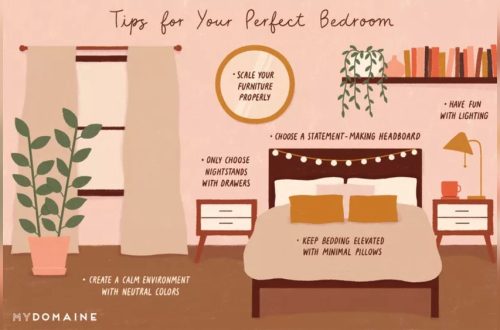
Choose dressers and nightstands with a small footprint. Slim, tall dressers offer plenty of storage without taking much width. Nightstands with drawers or shelves keep bedside items organized. Compact furniture fits well and keeps pathways clear in a narrow bedroom.
Color Choices
Choosing the right colors can change how a long narrow bedroom feels. Colors affect light, space, and mood. Picking smart colors makes the room look bigger and more inviting. You can use light shades, accent walls, or matching color themes to improve your space.
Light Tones For Openness
Light colors make a room feel open and airy. Whites, pale blues, soft grays, and creams reflect natural light well. This reflection brightens the space and reduces shadows. In a narrow bedroom, light tones help the walls seem farther apart. They create a fresh, calm atmosphere that feels larger than it is.
Accent Walls
An accent wall adds character without crowding the room. Choose one wall to paint in a bold or darker color. This draws the eye and breaks up the long shape. Use colors like deep blues, greens, or warm earth tones. Keep other walls light to balance the effect. Accent walls create depth and add personality to narrow spaces.
Coordinated Color Schemes
Using a coordinated color scheme ties the room together. Pick two or three colors that work well together. Use these colors on walls, furniture, and decor. For example, soft beige, muted green, and white blend nicely. Coordinated schemes prevent the room from feeling busy or cramped. They make the space feel more harmonious and comfortable.
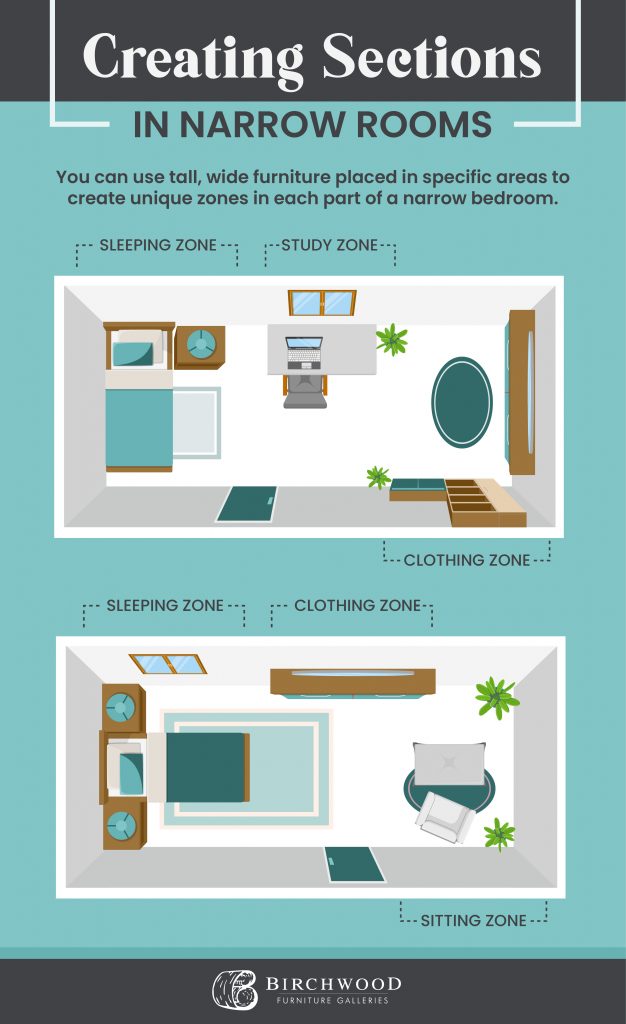
Credit: birchwoodfurniture.ca
Lighting Ideas
Proper lighting transforms a long narrow bedroom. It shapes the mood and adds depth. Good lighting balances the room’s length and width. It prevents the space from feeling cramped or tunnel-like. Use different lighting sources for a bright, welcoming feel. Consider options that soften edges and highlight key areas.
Layered Lighting
Layered lighting uses multiple light sources. Combine overhead lights, task lamps, and accent lights. This mix adds dimension and warmth to the room. Overhead fixtures provide general light. Task lamps focus on reading or work zones. Accent lights highlight art or decor. Together, they create a balanced, flexible environment.
Warm Lamps
Choose lamps with warm light bulbs. Warm light feels cozy and inviting. It softens harsh shadows in narrow spaces. Place lamps on nightstands or shelves. This adds pockets of light throughout the room. Use dimmers to adjust brightness easily. Warm lamps help the bedroom feel comfortable and calm.
Natural Light Enhancement
Maximize natural light to open the room. Keep window treatments light and sheer. Avoid heavy curtains that block sunlight. Use mirrors to reflect daylight deeper inside. Position reflective surfaces opposite windows. Natural light makes the space feel larger and fresher. It also improves mood and energy.
Textiles And Rugs
Textiles and rugs play a key role in making a long narrow bedroom feel warm and inviting. They add color, texture, and softness to the space. Thoughtful use of these elements can visually break up the room and create cozy areas.
Choosing the right rugs and fabrics can also help balance the room’s proportions. Fabrics soften hard surfaces, while rugs provide comfort and style. Below are practical ideas for using textiles and rugs in such bedrooms.
Area Rugs To Define Zones
Use area rugs to separate different parts of the bedroom. A rug under the bed anchors the sleeping zone. Another rug near a chair or dresser creates a distinct seating or dressing area.
Choose rugs with horizontal patterns or wider shapes. They help widen the room visually. Avoid long, narrow rugs that emphasize the room’s length too much. Layering rugs can add texture and interest.
Curtain Styles
Curtains soften the walls and bring warmth to the room. Hang curtains wider than the window to make it appear larger. Light, airy fabrics allow natural light to flow in and open up the space.
Floor-length curtains draw the eye upward, adding height. Avoid heavy, dark curtains that make the room feel closed in. Sheer or linen curtains suit narrow bedrooms well.
Cozy Bedding Options
Select bedding that adds comfort and visual appeal. Soft, textured blankets and throws invite relaxation. Layer different fabrics like cotton, wool, and velvet for a rich feel.
Neutral or light colors keep the room bright and open. Add pillows with simple patterns or soft colors. Avoid bulky bedding that crowds the bed area and shrinks the room.
Decor And Accessories
Decor and accessories play a key role in making a long narrow bedroom feel inviting and spacious. The right elements can balance the room’s shape and add personality. Small details, like mirrors and plants, can transform the space without cluttering it.
Choosing decor wisely helps create a cozy yet open atmosphere. Each accessory should enhance the room’s length and width visually. Thoughtful placement of items ensures the space feels comfortable and stylish.
Mirrors To Add Depth
Mirrors reflect light and create an illusion of space. Place a large mirror on one long wall to widen the room visually. A tall mirror near the window can bounce natural light across the room. Choose simple frames to keep the look clean. Avoid bulky or ornate mirrors that overwhelm the narrow space.
Artwork Placement
Artwork can draw the eye and break up long walls. Hang art horizontally to emphasize width over length. Use a series of small pieces or one large piece centered on the wall. Keep the color palette light to avoid making the room feel cramped. Position artwork at eye level to create balance and interest.
Greenery And Plants
Plants add life and freshness to a long narrow bedroom. Use tall, slim plants in corners to fill vertical space without crowding. Small potted plants on shelves or nightstands bring softness to the room. Avoid large, wide plants that block pathways. Choose easy-care plants for low maintenance and lasting beauty.
Maximizing Vertical Space
Maximizing vertical space is key in a long narrow bedroom. Using the walls upwards frees up floor space. It also makes the room feel taller and more open. Vertical storage and decor keep things organized without clutter. This approach works well for small, tight spaces.
Tall Shelving Units
Tall shelving units take full advantage of height. They provide storage without using much floor space. Choose slim designs to keep the room feeling open. Use shelves for books, decor, or baskets with small items. Open shelves create an airy look compared to bulky cabinets.
Hooks And Hangers
Hooks and hangers on walls or doors add extra storage. Hang bags, hats, scarves, or clothes to save closet space. Use decorative hooks to add style and function. Group hooks at different heights for more storage options. They keep the room tidy and items easy to reach.
Floating Shelves
Floating shelves create storage without bulky furniture. Mount them high to draw eyes upward and open the room. Use them for plants, books, or small decor pieces. They add personality without crowding the floor. Arrange shelves in groups for a balanced look.
Creating Focal Points
Creating focal points in a long narrow bedroom helps break the space visually. Focal points draw the eye and add personality. They make the room feel balanced and inviting. Use design elements to highlight certain areas. Focus on key spots like the bed or a wall. This approach makes the room look wider and more cozy.
Statement Headboards
A large, bold headboard acts as a strong focal point. Choose one with color, texture, or pattern. It anchors the bed and draws attention. Tall headboards add height and fill vertical space. Upholstered or wooden headboards offer different styles. This feature makes the bed stand out in the narrow room. It gives the bedroom a clear center of interest.
Feature Walls
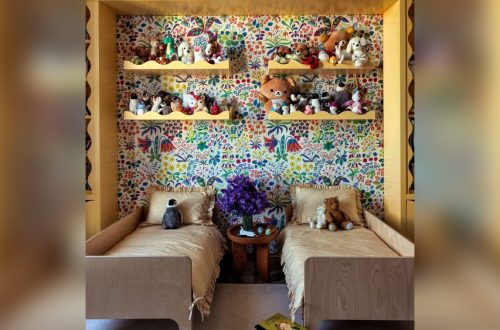
Paint or wallpaper one wall to create a feature wall. Pick the wall behind the bed or opposite the door. Use colors that contrast with the rest of the room. Patterns or textured finishes add depth and interest. A feature wall breaks the length and adds dimension. This design trick helps the room feel less boxy and more inviting.
Decorative Lighting
Lighting can create strong focal points in any bedroom. Use wall sconces or pendant lights near the bed. Choose fixtures with unique shapes or interesting details. Lamps with warm light add comfort and style. Lighting highlights design features and creates mood. It guides the eye and makes the room feel cozy. Layer lighting to enhance the room’s shape and feel.
Frequently Asked Questions
What To Do With A Narrow Bedroom?
Place the bed with its headboard against the narrow end wall to lengthen the space. Use slim, multifunctional furniture to avoid clutter. Add light colors and mirrors to create openness. Keep pathways clear to enhance flow and make the narrow bedroom feel larger and cozy.
How To Make A Long, Narrow Room Appear Wider?
Place furniture, like sofas, across the room’s width to break long lines. Use light colors and mirrors to visually widen space. Keep décor minimal and choose horizontal patterns to enhance width perception.
What Makes A Bedroom Look Tacky?
A bedroom looks tacky with oversized furniture, cluttered decor, mismatched colors, poor lighting, and blocked natural walkways.
How To Make A Long Bedroom Cozy?
Use warm lighting, soft rugs, and natural textures to add comfort. Paint a cozy feature wall and layer curtains for warmth. Arrange furniture to create intimate zones and add candles for ambiance.
Conclusion
Decorating a long narrow bedroom takes simple, smart steps. Use light colors to open the space. Place furniture to break the room’s length. Add mirrors to create a wider feel. Keep clutter low for a clean look. Choose multi-use pieces to save space.
Soft lighting helps create warmth and comfort. With these ideas, your room feels cozy and roomy. Small changes can make a big difference. Enjoy your stylish, well-arranged bedroom every day.