Your dining table is more than just a place to eat—it’s a centerpiece of your home’s style and personality. But what happens when it’s not in use?
Leaving it empty can make your space feel unfinished or dull. You want your dining area to look inviting and polished every day, even when you’re not entertaining. The good news is, decorating your dining table when it’s not in use is easier than you think.
With simple ideas like layering textures, adding natural elements, or creating a stylish centerpiece, you can transform your table into a stunning focal point that reflects your taste. Ready to discover how to make your dining table work for you all the time? Let’s dive into easy and beautiful decorating tips that will keep your space looking fresh and inspiring.
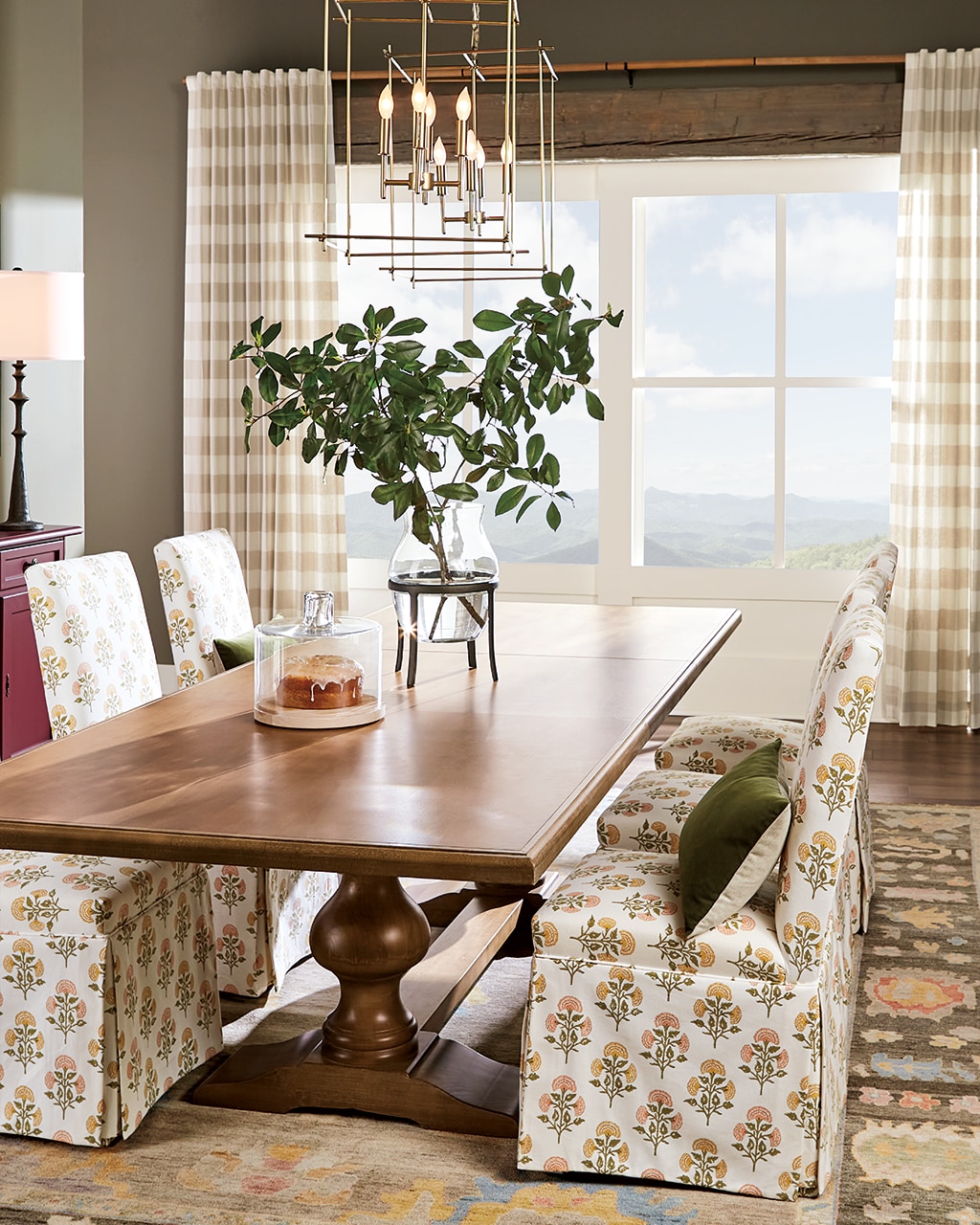
Credit: www.ballarddesigns.com
Centerpiece Collections
Centerpiece collections transform an unused dining table into a stylish focal point. They bring life and personality to your space. A well-curated collection adds color, texture, and interest without clutter.
Choose items that speak to your style and complement your room. Mixing different objects creates a layered, inviting look. The key is to balance variety with harmony for a pleasing effect.
Use Trays And Baskets
Trays and baskets keep small items organized and tidy. They create a base for your collection, making it look intentional. Use a wooden tray for warmth or a metal basket for a modern touch.
Place candles, small plants, or decorative objects inside. Grouping items on a tray adds structure and prevents a scattered look. It also makes cleaning easier when you want to clear the table.
Group Similar Items
Gather items with the same color, material, or theme. For example, cluster ceramic vases or glass candle holders together. This creates unity and a more polished display.
Vary the heights within the group to add depth. Use taller pieces in the back and shorter ones in front. This layering technique draws the eye and keeps the arrangement dynamic.
Feature Statement Pieces
Highlight one or two large pieces to anchor your centerpiece. A bold bowl, an artistic sculpture, or a unique planter can serve as a focal point. These statement pieces add character and catch attention.
Surround them with smaller, simpler items to avoid overcrowding. The contrast between big and small creates balance. Statement pieces help the table look curated, not cluttered.
Natural Elements
Natural elements bring warmth and life to any dining table. They create a calm and inviting atmosphere. Using items from nature adds texture and color without clutter. These elements are easy to change with the seasons. They keep your table fresh and interesting, even when not in use.
Add Greenery And Plants
Greenery adds a fresh, vibrant feel to your dining table. Use small potted plants or simple leafy branches in a vase. Succulents or herbs also work well and are easy to care for. Green plants bring a sense of calm and connect your space to nature. They brighten the table without overwhelming it.
Display Fresh Fruit
A bowl of fresh fruit adds color and texture naturally. Choose fruits with different shapes and colors, like lemons, oranges, or apples. Fruit bowls are simple and can be refilled or changed often. They also add a healthy, inviting touch to your dining area. Fruit makes the table look lively and welcoming.
Incorporate Seasonal Items
Seasonal items keep your table decoration current and interesting. Use pinecones, dried flowers, or small pumpkins in autumn. In spring, add fresh blossoms or pastel-colored objects. Winter can include evergreen branches or cinnamon sticks. Changing these items makes your table feel connected to the time of year. It adds charm and a natural rhythm to your decor.
Texture And Layers
Adding texture and layers to your dining table instantly enhances its charm. These elements create a cozy, inviting space even when the table is not in use. Layers add depth and interest by combining different fabrics and materials. Texture invites touch and gives the table a rich, dynamic look. Use simple tricks to build this effect with runners, placemats, and a mix of materials.
Start With Runners
Begin with a table runner as the base layer. Choose one with a soft fabric like linen or cotton for a natural feel. A runner breaks up the flat surface and adds color or pattern. It also guides the eye along the table’s length. Pick a runner that fits your style but keeps the look balanced and neat. This simple piece sets the stage for adding more layers.
Use Placemats For Depth
Placemats add another layer of texture and dimension. They create small zones on the table, which helps organize the space. Use placemats made from woven straw, rattan, or fabric to contrast with your runner. Mixing placemats with a runner builds visual interest and depth. Keep placemats evenly spaced to keep the table looking tidy and intentional.
Mix Different Materials
Combine different materials to add richness to your display. Try pairing natural fibers with metal or glass accents. For example, a wooden bowl on a linen runner looks warm and inviting. Add ceramic or glass vases for a smooth, glossy contrast. This mix of textures creates balance and keeps the table from looking flat. Layering materials makes your table feel styled but still casual.
:max_bytes(150000):strip_icc()/326447454_504376131828222_1846825767774706669_n-5b34cd9d127f4d62a359b10ced7fe4ee.jpg)
Credit: www.thespruce.com
Minimalist Styling
Minimalist styling turns a dining table into a simple, elegant space. It avoids clutter and focuses on clean lines and calm colors. This style uses only a few carefully chosen pieces. The goal is to create a peaceful and inviting look that fits everyday life.
Choose Few Key Items
Pick just a few items that stand out. A single vase with fresh flowers works well. Or a sleek bowl with fruit adds color and life. Keep the colors soft and neutral. Avoid too many patterns or bright colors. This keeps the table looking calm and tidy. Each item should have space to breathe. The empty space around objects is just as important.
Combine Decor With Function
Select items that look good and serve a purpose. A beautiful tray can hold coasters or napkins. A set of candles adds warmth and light. Choose pieces you use often, like salt and pepper shakers or a small plant. This way, your table looks styled even when not in use. Function meets style easily in minimalist design.
Personal Touches
Personal touches make your dining table feel unique and inviting. They show your personality and style clearly. Decorating with items you love turns a simple table into a charming display.
Choose pieces that reflect your interests or memories. This approach adds warmth and character to your space. It also keeps the table interesting even when not in use.
Include Books And Sculptures
Books add color and height to your table decor. Use coffee table books with beautiful covers or topics you enjoy. Stack them neatly to create layers and visual interest.
Sculptures bring an artistic element to the setup. Pick small statues or art pieces that match your room’s style. Place them beside books or on a decorative tray for a polished look.
Swap Items Regularly
Change your table decor often to keep it fresh. Swap books, sculptures, or other decorations every few weeks. Seasonal items like flowers or fruits add variety and color.
Rotating items prevents the space from feeling boring. It also lets you showcase different parts of your collection. This simple habit refreshes your dining area without extra cost.
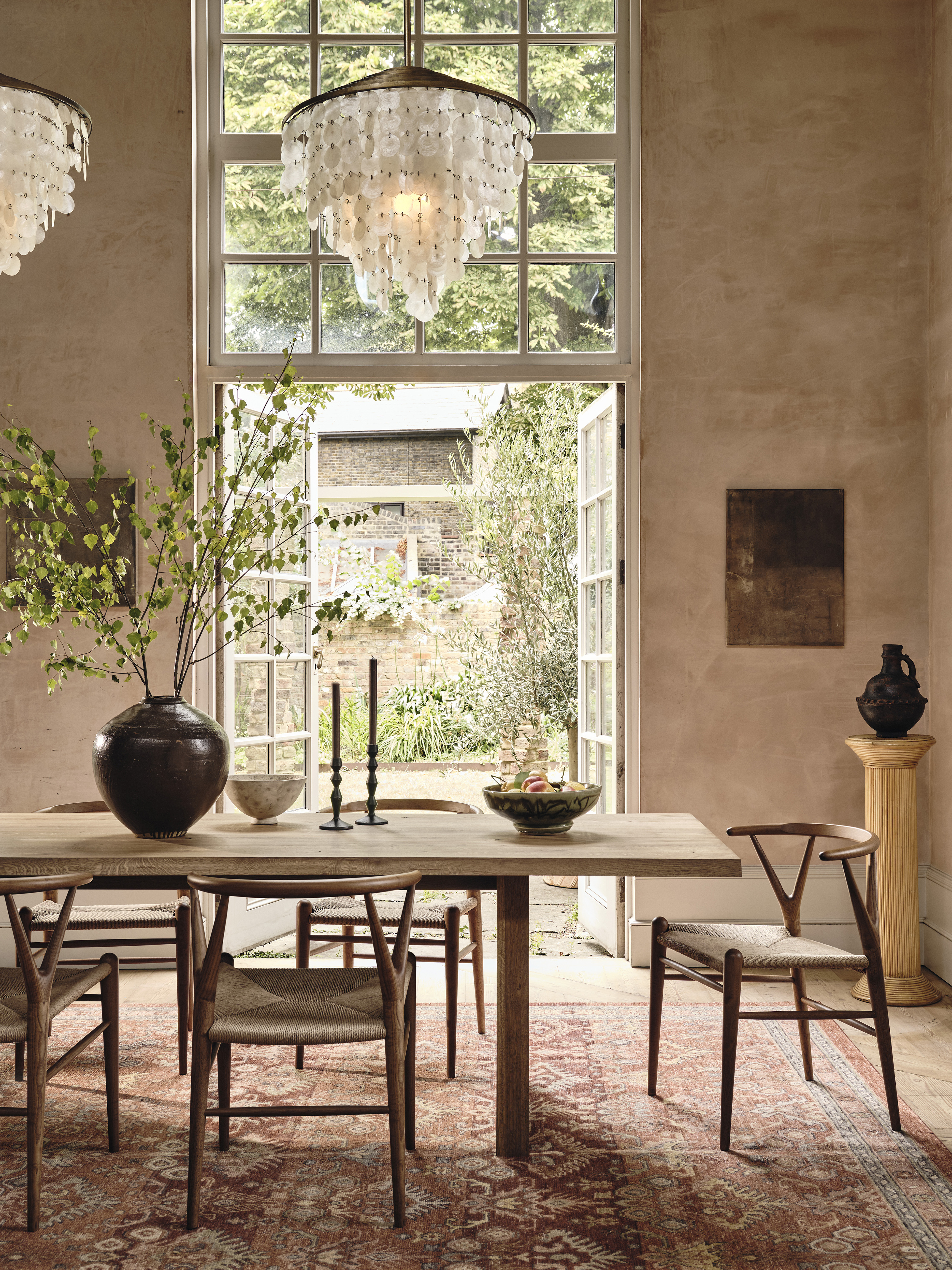
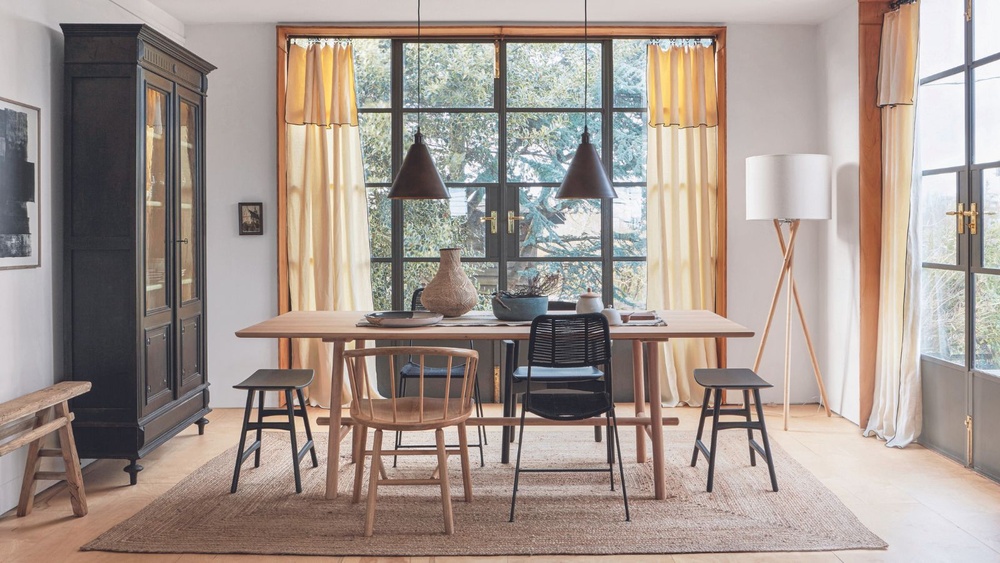
Credit: www.livingetc.com
Frequently Asked Questions
How To Decorate An Unused Dining Table?
Create a centerpiece using vases, candles, or plants. Use a tray to group books, fruit, or sculptures. Add a runner or placemats for texture. Incorporate greenery and seasonal items for freshness. Keep decor balanced with varied heights and materials for visual interest.
What Do You Put In The Middle Of A Table?
Place a centerpiece like a vase, candles, or a decorative tray with plants or seasonal items in the middle of the table. Use layers such as runners or placemats for texture and add varying heights for visual interest. Keep it simple or mix materials for style.
Do You Leave Placemats On The Table When Not In Use?
Leave placemats on the table to add texture and protect the surface. Remove them if you prefer a cleaner look. Use placemats as part of a layered centerpiece for style when not dining.
How To Set An Informal Dining Table?
Place a plate, fork left, knife and spoon right. Add a napkin beside or under utensils. Include a glass above the knife. Center a simple centerpiece for a casual, inviting look.
Conclusion
Decorating your dining table when not in use adds charm to your space. Choose simple items like vases, candles, or plants for a fresh look. Use trays to keep decorations neat and grouped. Mix textures and heights for more interest.
Swap seasonal elements to keep the style updated and lively. A well-decorated table feels welcoming every day. Try different ideas to find what fits your home best. Enjoy the beauty of your dining area, even when it’s not for meals.