Are you struggling to make the most of your small dining room? You’re not alone.
Small spaces can feel cramped and cluttered, but with the right ideas, your dining area can become cozy, stylish, and inviting. Imagine transforming your small dining room into a place where every meal feels special and every inch works for you.
In this guide, you’ll discover simple yet powerful decorating tips that will open up your space, add personality, and make your dining room the heart of your home. Ready to see how easy it is to decorate your small dining room? Let’s dive in and unlock the full potential of your space.
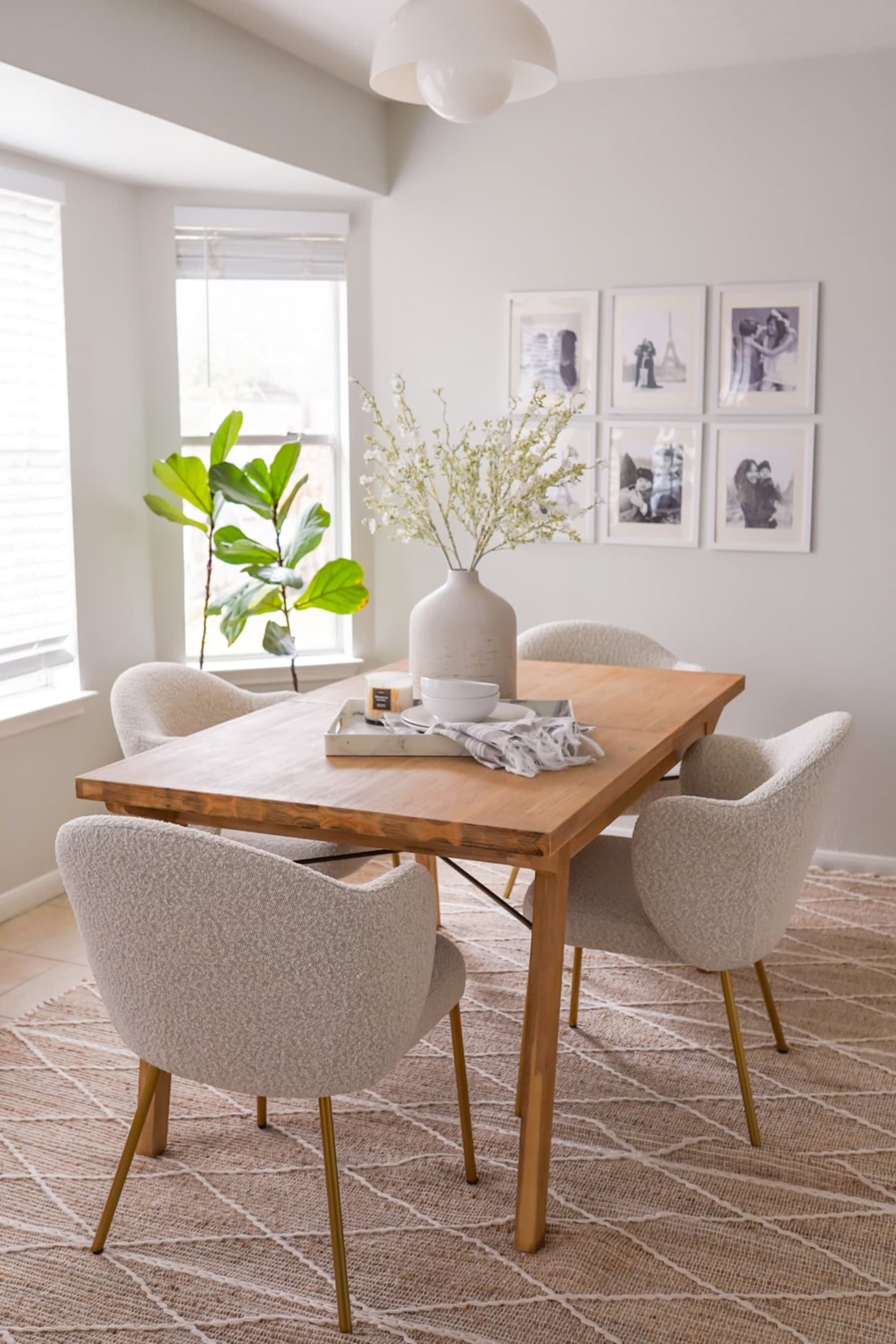
Credit: www.castlery.com
Space-saving Furniture
Choosing the right furniture can save space in a small dining room. Space-saving furniture helps keep the area open and comfortable. It allows more movement and makes the room feel bigger. Smart furniture choices combine style and function. These pieces fit well in compact spaces without crowding them.
Extendable Tables
Extendable tables are perfect for small dining rooms. They stay compact for daily use. When guests arrive, the table expands easily. This feature saves space while offering flexibility. You can adjust the size to suit your needs. Choose designs with smooth mechanisms for easy use.
Round Tables
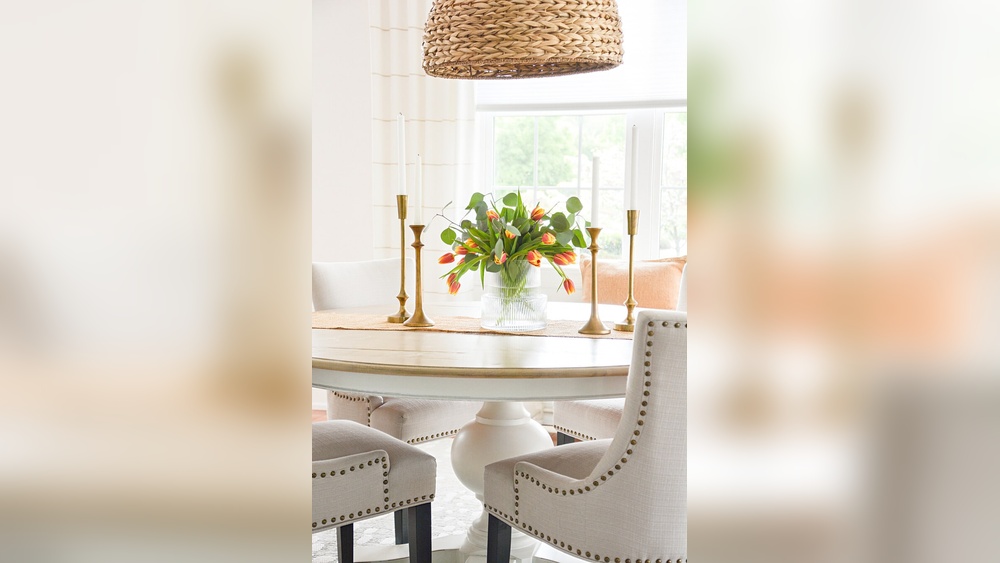
Round tables fit well in tight spaces. Their shape allows more flow around the table. No sharp corners help avoid bumps in narrow rooms. Round tables encourage conversation by seating people closely. Pick a small round table to keep the room open. This shape softens the room’s edges visually.
Banquette Seating
Banquette seating maximizes wall space in small dining rooms. It replaces bulky chairs with built-in benches. Benches provide more seating in less space. They can also include hidden storage underneath. This seating style creates a cozy and inviting dining area. It works well in corners or along walls.
Open-back Chairs And Benches
Open-back chairs and benches help keep the space light. Their design does not block sightlines. This makes the room feel less crowded. These seats are easy to move and tuck under the table. Choose slim and simple styles for a neat look. Open designs add airiness to small rooms.
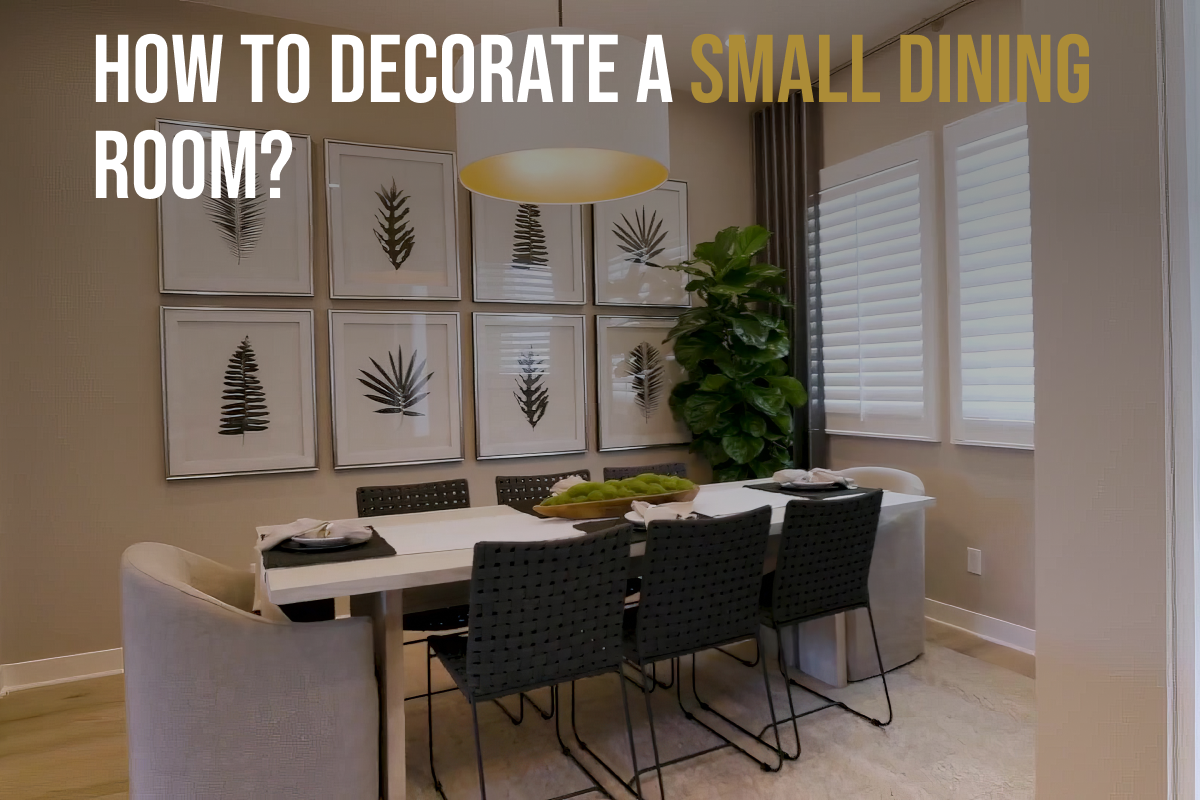
Credit: www.hearthsidefurniture.com
Color Choices
Choosing the right colors can change how your small dining room feels. Colors affect space perception and mood. Bright colors can open up the room. Dark colors create a cozy, intimate space. Pick colors that suit your style and the room’s size.
Neutral Tones
Neutral tones like white, beige, and light gray make a room feel larger. They reflect light well, brightening the space. These colors create a calm and clean look. Use soft neutrals on walls and furniture. Add texture with fabrics and rugs to avoid flatness. Neutral tones work well with many decorating styles.
Bold Accent Colors
Bold colors add energy and personality to small spaces. Choose one wall or accessories in bright hues like red, blue, or green. These accents create a focal point without overwhelming the room. Use bold colors in cushions, artwork, or curtains. Keep the rest of the room neutral to balance strong colors. This technique adds depth and interest.
Monochrome Palettes
Monochrome palettes use different shades of one color. This creates harmony and simplicity in the dining room. For example, various blues or grays layered together look stylish. This approach makes the space feel cohesive and elegant. Mix light and dark shades to add dimension. Monochrome schemes are easy to update with new accessories.
Lighting Ideas
Lighting shapes the mood and size perception of a small dining room. Proper lighting brightens the space and creates a warm atmosphere. It highlights key features and makes the room feel inviting. Choosing the right lighting style can transform your dining experience.
Small Chandeliers
Small chandeliers add charm without overwhelming the room. Select a simple design with clean lines. Crystal or glass fixtures reflect light and create sparkle. Hang the chandelier low enough to light the table well. This draws attention to the dining area and adds elegance.
Bold Statement Lighting
Bold lighting pieces bring personality to a compact space. Choose lights with unique shapes or colors. Pendant lamps with bright finishes make the room lively. A bold fixture becomes a focal point that distracts from size limits. Use dimmers to control brightness and set the mood.
Natural Light Enhancement
Natural light opens up a small dining room instantly. Use sheer curtains to let sunlight in while keeping privacy. Position mirrors opposite windows to reflect light around the room. Light-colored walls and furniture enhance brightness. Keep windows clear of heavy drapes or blinds to maximize daylight.
Wall And Decor
Wall and decor choices shape the feel of a small dining room. They add character and create a sense of space. Thoughtful decoration tricks can make the room feel larger and welcoming. Walls offer a perfect canvas to enhance your dining area’s style and depth.
Use mirrors, art, and accent walls smartly. These elements bring life and personality without crowding the space. The right decor can turn a small dining room into a charming spot for meals and gatherings.
Mirrors To Expand Space
Mirrors reflect light and open up the room visually. Place a large mirror on one wall to double the sense of space. Choose a frame that matches your dining room style. A mirror near a window bounces natural light around the room. This makes the space feel bright and airy.
Consider a group of smaller mirrors arranged creatively. This adds interest without overwhelming the wall. Mirrors are simple yet effective tools to combat cramped spaces.
Art And Photos
Art and photos personalize your dining room. Choose pieces that inspire calm or joy during meals. Soft landscapes or family pictures create a cozy vibe. Bold artwork injects energy and sparks conversation.
Keep the frames simple and light-colored to avoid visual clutter. Hang art at eye level to draw attention naturally. Use a few well-chosen pieces instead of many small ones. This keeps walls neat and visually appealing.
Accent Walls And Patterns
An accent wall adds depth and style without crowding. Pick one wall and paint it a different color or use patterned wallpaper. Light colors keep the room feeling open, while darker shades add warmth.
Patterns like subtle stripes or geometric shapes create interest. Avoid very busy patterns that can make the room feel smaller. Textured paint or wood panels can also add charm and dimension.
Accent walls create a focal point and bring balance to small spaces. They make the dining area feel intentional and stylish.
Textiles And Accessories
Textiles and accessories bring warmth and style to a small dining room. They soften hard surfaces and add color or texture. Using the right fabrics can make the space feel cozy and inviting without crowding it.
Choosing textiles with simple patterns or light colors helps keep the room bright and open. Accessories give personality and charm. Small touches can make a big difference in the overall look.
Area Rugs
An area rug anchors the dining table and defines the space. Pick a rug that fits well under the table and chairs. Avoid rugs that are too dark or busy in pattern. Light, neutral tones or soft patterns work best to keep the room feeling spacious.
Choose rugs made of natural fibers like cotton or jute. They add texture without overwhelming the room. A low-pile rug makes moving chairs easier and keeps the area neat.
Table Linens And Centerpieces
Table linens create a fresh, polished look instantly. Use a simple tablecloth or runner in soft colors. Avoid heavy fabrics that add bulk. Light cotton or linen materials work well for small spaces.
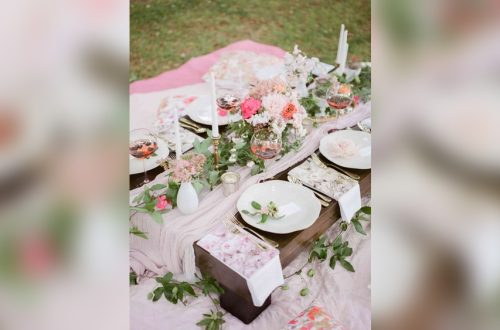
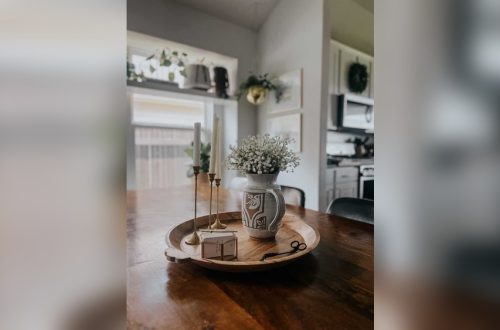
Centerpieces should be small and simple. A small vase with fresh flowers or a bowl of fruit adds life without clutter. Keep centerpieces low to maintain clear sightlines across the table.
Curtains And Drapery
Curtains frame windows and soften the room’s edges. Choose light, sheer fabrics to let in natural light. Light-colored curtains make the dining area feel larger and airier.
Install curtain rods close to the ceiling to create an illusion of height. Avoid heavy or dark drapes that can make the room feel cramped. Simple, clean designs work best in small dining rooms.
Storage Solutions
Storage solutions help keep a small dining room tidy and functional. Clever storage ideas save space and reduce clutter. These solutions also add style and character to the room. Finding the right storage options can transform your dining area into a neat, inviting space.
Shelving Options
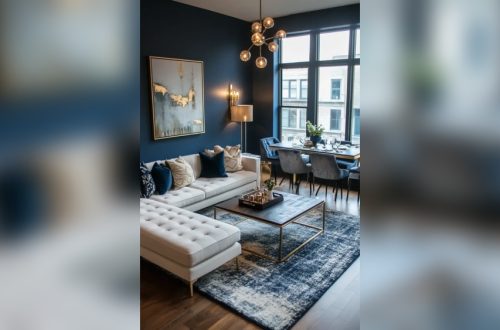
Wall shelves use vertical space without taking up floor area. Floating shelves create an open and airy feel. Use them to display dishes, glassware, or decorative items. Corner shelves fit into unused spaces and add charm. Adjustable shelving lets you customize storage based on needs.
Built-in Cabinets
Built-in cabinets offer hidden storage that blends with your dining room design. They save floor space and provide a streamlined look. Use them to store table linens, extra dishes, or dining accessories. Choose cabinets with doors to keep clutter out of sight. Built-ins also increase the room’s value and appeal.
Multi-functional Pieces
Furniture that serves more than one purpose maximizes small dining room space. Benches with storage compartments hide items while providing seating. Extendable tables adjust to fit guests and save room when not in use. Sideboards with drawers combine storage with surface space for serving. Multi-functional pieces help maintain order and style together.
Layout And Arrangement
Efficient layout and arrangement transform small dining rooms into cozy, inviting spaces. Smart planning maximizes every inch while keeping the area open and comfortable. Simple changes in furniture placement can create a sense of roominess and style.
Using Corners Effectively
Corners often become unused spaces. Place a small bench or corner table there. This adds seating without crowding the room. Corner shelves hold decor or dining essentials. This keeps surfaces clear and the room tidy.
Diagonal Table Placement
Positioning a dining table diagonally breaks the boxy room feel. It opens up pathways and creates visual interest. This arrangement can make the space feel larger. Choose a table size that fits well without blocking movement.
Creating Visual Flow
Arrange furniture to guide the eye smoothly through the room. Keep pathways clear and avoid clutter. Use matching or light-colored chairs to blend with walls. This creates a seamless flow and a relaxed atmosphere.

Credit: www.castlery.com
Texture And Materials
Choosing the right textures and materials can transform a small dining room. These elements add depth and interest without crowding the space. Mixing different materials brings balance and style. It also helps define the dining area clearly and comfortably.
Mixing Wood Tones
Combine light and dark wood tones for a rich, layered look. A light wood table with darker chairs creates contrast. Use wooden shelves or frames in varied tones to add warmth. Mixing wood tones keeps the space visually engaging but not busy. Wood adds natural beauty and a cozy feel.
Metal And Glass Elements
Metal and glass provide a sleek, modern touch. A glass tabletop opens the room visually, making it feel larger. Metal chairs or light fixtures add shine and structure. These materials reflect light, brightening the space. Use metal and glass sparingly to avoid a cold look.
Soft Textures For Warmth
Soft fabrics create a welcoming, cozy atmosphere. Cushions, curtains, or a rug add comfort and color. Choose materials like cotton, wool, or linen for natural softness. Soft textures contrast nicely with hard surfaces like wood or glass. They make the dining room feel inviting and warm.
Frequently Asked Questions
What Do You Put In The Middle Of Your Dining Room Table?
Place a stylish centerpiece like a vase, candleholders, or a bowl of fruit in your dining room table’s middle. Fresh flowers or potted plants add natural beauty. Keep it simple to avoid clutter and enhance the dining area’s appeal and comfort.
What Is The Best Color For A Small Dining Room?
The best colors for a small dining room are light shades like white, beige, and soft gray. These colors create an open, airy feel and make the space appear larger and inviting. Avoid dark tones that can make the room feel cramped.
How To Make A Small Dining Room Appear Bigger?
Use light colors and mirrors to reflect light. Choose round tables and slim furniture. Maximize corners with smart storage. Keep décor minimal and add bright lighting.
What Kind Of Pictures Should You Hang In A Dining Room?
Hang serene landscapes or cherished family photos for warmth and connection. Choose bold, dynamic art to add energy and personality. Select pieces that complement your dining room’s style and color scheme. Keep artwork proportionate to the wall space for balanced decor.
Conclusion
Decorating a small dining room can be simple and fun. Use light colors to open the space. Choose furniture that fits well without crowding. Add mirrors to create a sense of depth. Keep decorations minimal but meaningful. Play with textures to add warmth and interest.
A cozy, stylish dining area is possible in any size room. Small spaces can feel inviting with the right touches. Enjoy making your dining room both functional and beautiful.