Wondering how to decorate your dining room in a way that feels just right? Whether you want a cozy spot for family dinners or a stylish space to impress your guests, decorating your dining room is all about balancing comfort, style, and personality.
You don’t need to be a design expert to create a space that feels inviting and looks amazing. In this guide, you’ll discover simple tips and creative ideas that will help you transform your dining room step by step. Ready to make your dining room the heart of your home?
Let’s dive in and explore how you can decorate it to reflect your taste and lifestyle perfectly.
Pattern Mixing
Pattern mixing breathes life into your dining room. It combines different designs to create charm and depth. The key is to balance the patterns so the space feels lively yet calm. Pattern mixing invites creativity and lets you show your personal style.
Using Rugs And Curtains
Rugs and curtains offer large surfaces to showcase patterns. Choose a rug with a bold design to anchor the room. Match curtains in a softer or smaller pattern to avoid clashing. Both should share a color theme to tie the room together. Layering patterns in these areas adds texture and warmth.
Incorporating Pillows And Upholstery
Pillows and upholstery are easy ways to add pattern variety. Mix stripes, florals, and geometric shapes on chair cushions or seat covers. Use pillows to introduce new colors or repeat existing ones. Keep upholstery patterns subtle if other elements are busy. This mix creates interest without overwhelming the eye.
Balancing Solids And Prints
Solids give the eyes a place to rest amid patterns. Use solid-colored walls or furniture to balance printed fabrics and rugs. Choose solid tones that complement the patterns’ colors. This contrast prevents the room from feeling cluttered. Smart balance of solids and prints makes the dining room inviting and stylish.
Blending Styles
Blending styles in your dining room creates a unique and inviting space. Mixing different design elements adds character and depth. It also shows personal taste and creativity. This approach balances old and new, simple and bold. Here are some ways to blend styles effectively.
Traditional And Modern Fusion
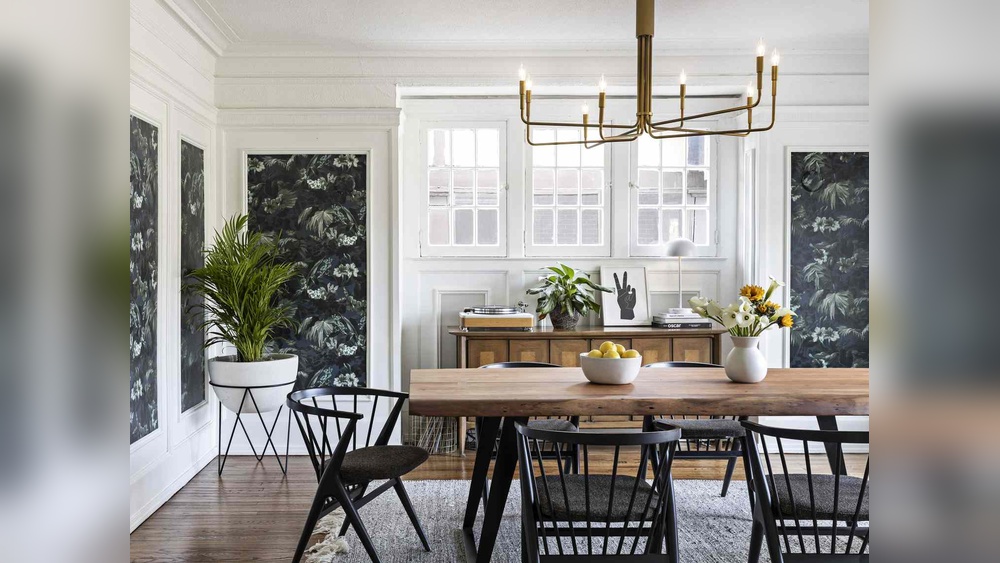
Combine classic furniture with sleek modern accents. For example, pair a wooden dining table with metal chairs. Use neutral colors to tie the styles together. Add modern lighting to brighten the space. Traditional rugs or artwork can add warmth and charm. This mix keeps the room timeless yet fresh.
Art Deco And Mid-century Modern
Art Deco brings bold shapes and rich textures. Mid-century modern offers clean lines and functional design. Blend these by choosing geometric decor and simple furniture. Use metallic finishes with wood tones for contrast. Keep the color palette balanced with muted and vibrant hues. This style pairing creates a stylish, elegant dining area.
Creating A Curated Look
Select pieces from different periods that complement each other. Use at least three patterns in textiles like cushions or curtains. Incorporate four design styles in furniture or accessories. Add five colors or textures to add depth and interest. This method helps make the room feel layered but balanced. It also reflects your personal style clearly.
Color And Texture
Color and texture shape the mood and feel of your dining room. They bring warmth, style, and personality to the space. Choosing the right colors and mixing textures create a balanced and inviting atmosphere. These elements can make your dining room cozy or elegant, simple or bold.
Focus on colors that complement your furniture and lighting. Mix fabrics and materials to add interest. Use natural elements like wood and metal to ground the design. This combination makes the room look lively and well put together.
Choosing A Color Palette
Start with a base color that sets the tone of the room. Soft neutrals like beige or gray work well for calmness. Bright colors such as blue or green add energy and freshness. Use accent colors in smaller doses to avoid overwhelming the space. Balance warm and cool tones for a pleasant look. Keep the palette simple for easy decorating choices.
Adding Texture With Fabrics
Use fabrics to bring softness and depth to the dining room. Velvet cushions add luxury and comfort. Linen curtains create an airy, casual vibe. A woven rug under the table grounds the area and adds warmth. Mix smooth and rough textures to keep the space interesting. Layering fabrics helps create a cozy and inviting feel.
Using Wood And Metals
Wood adds natural warmth and timeless charm. Choose a wooden dining table or chairs for a classic touch. Metal elements like light fixtures or chair legs bring modern style. Combine metals such as brass and black iron for contrast. These materials balance each other and add visual appeal. Their mix creates a strong, stylish foundation for the room.

Credit: www.castlery.com
Personal Touches
Personal touches make your dining room feel warm and inviting. They reflect your personality and create a space that is truly yours. Adding these elements helps the room stand out and feel comfortable for guests. Small details can change the entire atmosphere. Here are some ways to add personal touches effectively.
Showcasing Your Style
Start by identifying what style you love. Whether it is modern, rustic, or classic, use it as your base. Choose colors, furniture, and lighting that match your taste. Display art or photos that tell your story. This makes the dining room unique and personal.
Using Unique Decor Pieces
Select decor items that have meaning or catch your eye. Vintage vases, handmade bowls, or travel souvenirs add character. Mix in some handmade crafts or family heirlooms. These pieces bring history and charm to the space. They also spark conversations during meals.
Balancing Eclectic Elements
Combine different styles and textures carefully. Mix patterns, materials, and colors to create interest. Use the rule of three for patterns and five for colors or textures. This keeps the look balanced and not overwhelming. Blend old and new items for a curated feel. The goal is harmony, not clutter.
Centerpiece Ideas
Choosing the right centerpiece can transform your dining room. It draws eyes and sets the mood for every meal. Centerpieces should suit your style and fit the table size. Below are some simple and effective ideas to inspire your next dining room look.
Fresh Flowers And Greenery
Fresh flowers bring life and color to your table. Use seasonal blooms for a natural feel. Greenery adds calm and freshness without overpowering the space. Keep arrangements low to encourage easy conversation across the table. Simple vases or rustic jars work well with most decor styles.
Fruit Bowls And Natural Elements
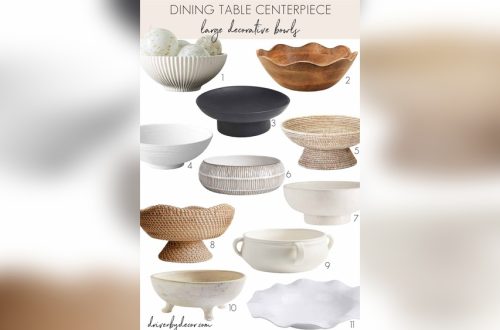
Fruit bowls add a bright, healthy touch to the dining room. Choose colorful fruits like apples, oranges, or lemons. Natural elements such as pinecones, nuts, or shells create an earthy vibe. These items are easy to change with the seasons or your mood. Use wooden or ceramic bowls for a cozy look.
Candles And Lanterns
Candles create a warm and inviting atmosphere. Place a few candles of different heights in the center. Lanterns add charm and a soft glow, perfect for evening meals. Choose unscented candles to avoid clashing with food aromas. Safety first: never leave candles unattended.
Decorative Trays And Vintage Finds
Decorative trays organize items and add style to your table. Use trays to group candles, flowers, or small objects. Vintage finds like old books, glassware, or antiques add character and stories. Mix old and new pieces for a personal and unique centerpiece. Keep the display simple to avoid clutter.
Lighting Choices
Lighting shapes the mood and function of your dining room. Good lighting highlights your decor and creates a warm atmosphere. Choose lights that fit your style and daily needs. Consider brightness, design, and placement. Mixing different lighting types improves comfort and style.
Statement Chandeliers
A statement chandelier draws attention in the dining room. It acts as a centerpiece and adds charm. Pick a chandelier that matches your table size and room style. Bold designs or classic styles both work well. Ensure it hangs at the right height for a cozy feel.
Ambient And Task Lighting
Ambient lighting gives a soft, overall glow. Use ceiling lights or wall sconces to light the whole space. Task lighting focuses on specific areas like the dining table. Use pendant lights or adjustable lamps for meals or reading. Both types keep the room functional and inviting.
Layering Light Sources
Layering means using different lights together. Combine ambient, task, and accent lights for depth. Add dimmers to control brightness easily. This approach creates a flexible and cozy dining area. It also helps highlight decor details and textures.
Furniture Arrangement
Furniture arrangement shapes the dining room’s look and feel. Thoughtful placement of tables and chairs sets the tone for comfort and style. It also influences how people move and interact in the space.
Choosing the right layout helps maximize room use. It creates a welcoming atmosphere for meals and gatherings. Proper arrangement balances function with aesthetics, making the dining room both practical and beautiful.
Optimizing Space
Place the dining table centrally for easy access. Allow enough space around the table for chairs to move freely. Keep walkways clear to avoid crowding.
Use rectangular or oval tables in narrow rooms to save space. Round tables work well in square rooms to improve flow. Consider built-in benches or corner seating to add more room.
Mixing Chairs And Tables
Combine different chair styles for a relaxed look. Use matching chairs for a classic and tidy feel. Mixing upholstered chairs with wooden ones adds texture and interest.
Choose chairs that fit the table height and style. Keep color tones similar to maintain harmony. Adding a bench on one side can create an inviting, casual vibe.
Creating Conversation Areas
Arrange furniture to encourage face-to-face interaction. Keep chairs close enough for easy talking without crowding. Position seats around the table to include everyone comfortably.
Use smaller side tables nearby for drinks or snacks. Add soft lighting to create a cozy environment. This setup makes meals and gatherings more enjoyable and social.
Wall Decor
Wall decor plays a key role in shaping your dining room’s atmosphere. It sets the tone and adds personality to the space. Thoughtful wall decoration can make the room feel inviting and stylish. It also enhances the dining experience by adding visual interest.
Choose wall decor that fits your style and complements your furniture. Balance colors, shapes, and textures for a harmonious look. Use walls to showcase your taste and create a warm, welcoming environment.
Artwork And Mirrors
Artwork adds color and character to your dining room walls. Choose pieces that reflect your personality and match the room’s style. Large paintings or a gallery wall can become a focal point. Use frames that blend well with your furniture.
Mirrors make the room feel larger and brighter. Place a mirror opposite a window to reflect natural light. Choose decorative frames to add elegance or rustic charm. Mirrors also create depth and enhance the dining room’s ambiance.
Shelving And Display
Wall shelves provide space for decoration and storage. Use them to display plants, books, or ceramics. Floating shelves keep the look clean and modern. Arrange items carefully to avoid clutter.
Display cabinets with glass doors protect valuable items. Showcase your best dinnerware or collectibles. Mixing open shelves and closed storage gives balance and style. This method adds personality and keeps the dining room organized.
Accent Walls
An accent wall creates a bold statement in your dining room. Paint one wall a contrasting color to draw attention. Choose deep or bright hues for drama and warmth. Wallpaper with patterns adds texture and interest.
Use materials like wood, brick, or stone for a natural, rustic look. Textured accent walls add depth without overwhelming the space. Keep the other walls neutral to maintain balance and harmony.
Flooring And Rugs
Flooring and rugs set the foundation for your dining room’s style and comfort. The right choices create warmth and define the dining area. Flooring materials and rug placement influence the room’s overall feel and functionality.
Consider durability and ease of cleaning for flooring in dining spaces. Rugs add softness and protect floors from chair movement. They also bring color and texture into the room, enhancing its look.
Choosing The Right Rug Size
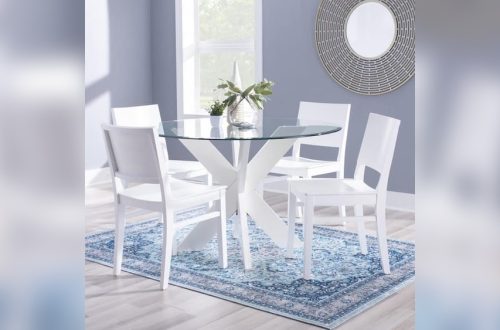
Select a rug that fits under the dining table and chairs. The rug should extend at least two feet beyond the table edges. This space allows chairs to move without leaving the rug. Avoid rugs that are too small or they will look awkward and unbalanced.
Square or rectangular rugs suit most dining tables. Round tables work well with round rugs for a harmonious shape match. Measure your dining set before buying a rug to ensure the right fit.
Layering Rugs
Layering rugs adds depth and interest to your dining room floor. Place a larger neutral rug beneath a smaller patterned rug. This technique highlights the space without overwhelming it.
Use natural fiber rugs as a base and softer rugs on top. Layering also helps define zones in open-concept rooms. Keep colors and patterns balanced to avoid a cluttered look.
Complementing Flooring Types
Match your rug style with your flooring material for a cohesive look. Hardwood floors pair beautifully with plush or woven rugs. Stone or tile floors benefit from softer rugs to warm the space.
Vinyl or laminate flooring works well with low-pile rugs that are easy to clean. Consider the room’s color scheme when choosing rug tones. Contrast or blend rugs with flooring to highlight your dining area.
:strip_icc()/wood-dining-room-windows-table-BUxPfKPUKAj8UrHgqTEJZM-a3bfb1728dc24f29a83f451bd4046e70.jpg)
Credit: www.bhg.com
Seasonal Touches
Seasonal touches bring life and freshness to your dining room. They keep your space feeling lively and inviting all year. Changing decorations with the seasons adds charm and warmth. You can easily update your dining room without a full makeover. Small, thoughtful changes create a big impact.
Holiday Decorations
Holiday decorations create a festive dining room instantly. Use themed table runners, centerpieces, and candles. For Christmas, add wreaths, red and green accents, and fairy lights. During Thanksgiving, pumpkins and autumn leaves bring warmth. Keep decorations simple to avoid clutter and maintain elegance.
Changing Textiles
Switching textiles refreshes your dining room each season. Swap out curtains, cushions, and tablecloths with seasonal colors. Light fabrics and pastel tones work well in spring. Rich, warm fabrics like velvet suit winter months. Textiles are an easy way to change the room’s mood.
Incorporating Nature
Natural elements connect your dining room to the outdoors. Use fresh flowers, pinecones, or branches in vases. Seasonal plants like poinsettias or tulips add color and life. Natural decor feels cozy and brings a peaceful vibe. It also adds texture and interest to your space.

Credit: www.castlery.com
Frequently Asked Questions
What Is The 3 4 5 Rule In Interior Design?
The 3-4-5 rule in interior design means using at least three patterns, four design styles, and five colors or textures. This creates a balanced, layered, and personalized space. It guides choices, adds depth, and blends styles for a unique, eclectic look without chaos.
What Do You Put In The Middle Of Your Dining Room Table?
Place a centerpiece like fresh flowers, succulents, or a fruit bowl in the dining table’s middle. Candles, lanterns, or decorative bowls add charm. Unique vintage items or functional decor, such as a decorative tray, also work well to enhance the table’s look.
What Kind Of Pictures Should You Hang In A Dining Room?
Hang artwork featuring food, nature, or abstract designs to enhance dining ambiance. Choose warm colors and balanced sizes for visual appeal. Personal photos or vintage prints add charm and warmth. Keep frames cohesive to maintain harmony in the dining room décor.
What Is The Dining Room Style For 2025?
The 2025 dining room style blends at least three patterns, four design eras, and five colors or textures. This creates a personalized, balanced, and visually layered space that feels unique and inviting.
Conclusion
Decorating your dining room should reflect your style and comfort. Mix patterns, colors, and textures for a balanced look. Use furniture from different eras to add unique charm. Keep the space inviting with lighting and simple decor. Remember, small changes can make a big difference.
Enjoy creating a place where meals and memories come alive. Trust your taste and have fun with the process. Your dining room can become a warm, stylish gathering spot.