A 21-foot dining room offers you a rare chance to create a stunning and spacious area that feels both elegant and welcoming. But how do you make sure your long dining room doesn’t feel empty or awkward?
How do you fill the space without overcrowding it? In this guide, you’ll discover simple yet powerful decorating tips to transform your dining room into a balanced, stylish, and inviting space. Whether you want a modern look, a cozy vibe, or something totally unique, these ideas will help you make every inch count.
Ready to turn your long dining room into the heart of your home? Let’s dive in!
Credit: www.bedbathandbeyond.com
Layout Planning
Planning the layout is the first step in decorating a 21-foot dining room. It helps organize furniture and space efficiently. A good layout creates comfort and style. It also makes the room easy to use.
Consider the size and shape of the room before placing furniture. Think about how many people will dine and how much walking space is needed. This ensures a balanced and functional dining area.
Measure And Map The Space
Start by measuring the length, width, and height of the dining room. Use a tape measure for accuracy. Draw a simple floor plan on paper or use an app. Mark doors, windows, and any built-in features.
Note the space for furniture and walking paths. This map guides the placement of tables, chairs, and storage pieces. It prevents overcrowding and shows where to add decor.
Define Dining And Traffic Zones
Separate the dining area from traffic paths clearly. Dining zones include the table and chairs. Traffic zones are pathways people use to move around freely.
Keep at least 36 inches between furniture edges and walking paths. This space avoids bumping into chairs or walls. It helps guests move comfortably during meals.
Consider Flow And Accessibility
Plan the layout so people can reach seats and doors easily. Avoid blocking entryways or windows with large furniture. Leave space for serving food and clearing dishes.
Check that all guests can sit and stand without trouble. Good flow improves comfort and safety. It makes the dining experience more enjoyable for everyone.

Credit: www.amazon.com
Choosing Furniture
Choosing furniture for a 21 foot dining room requires careful thought. The right pieces will fill the space without overcrowding it. Balance size, style, and comfort to create a welcoming dining area. Each element should work together to enhance the room’s function and look.
Selecting The Right Table Size
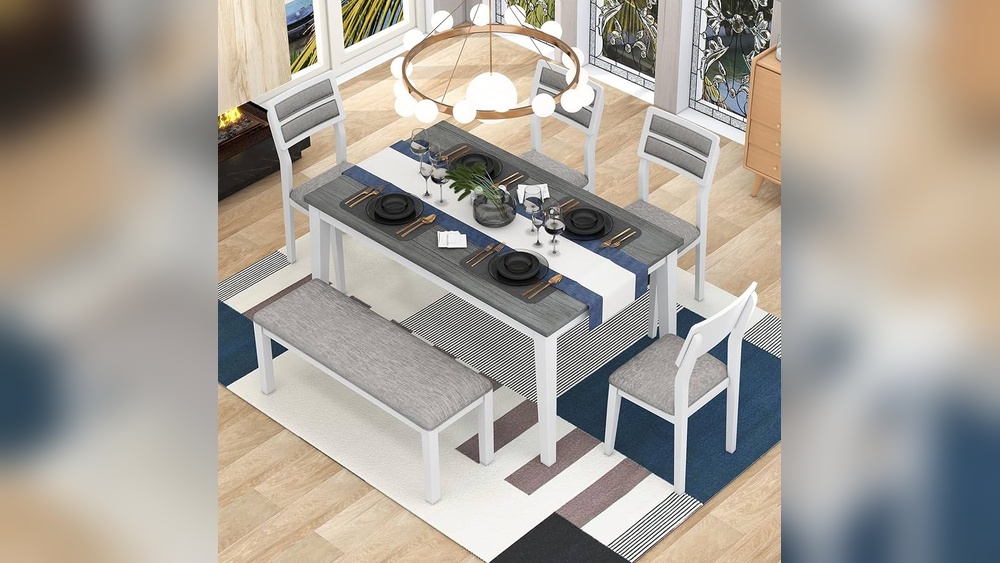
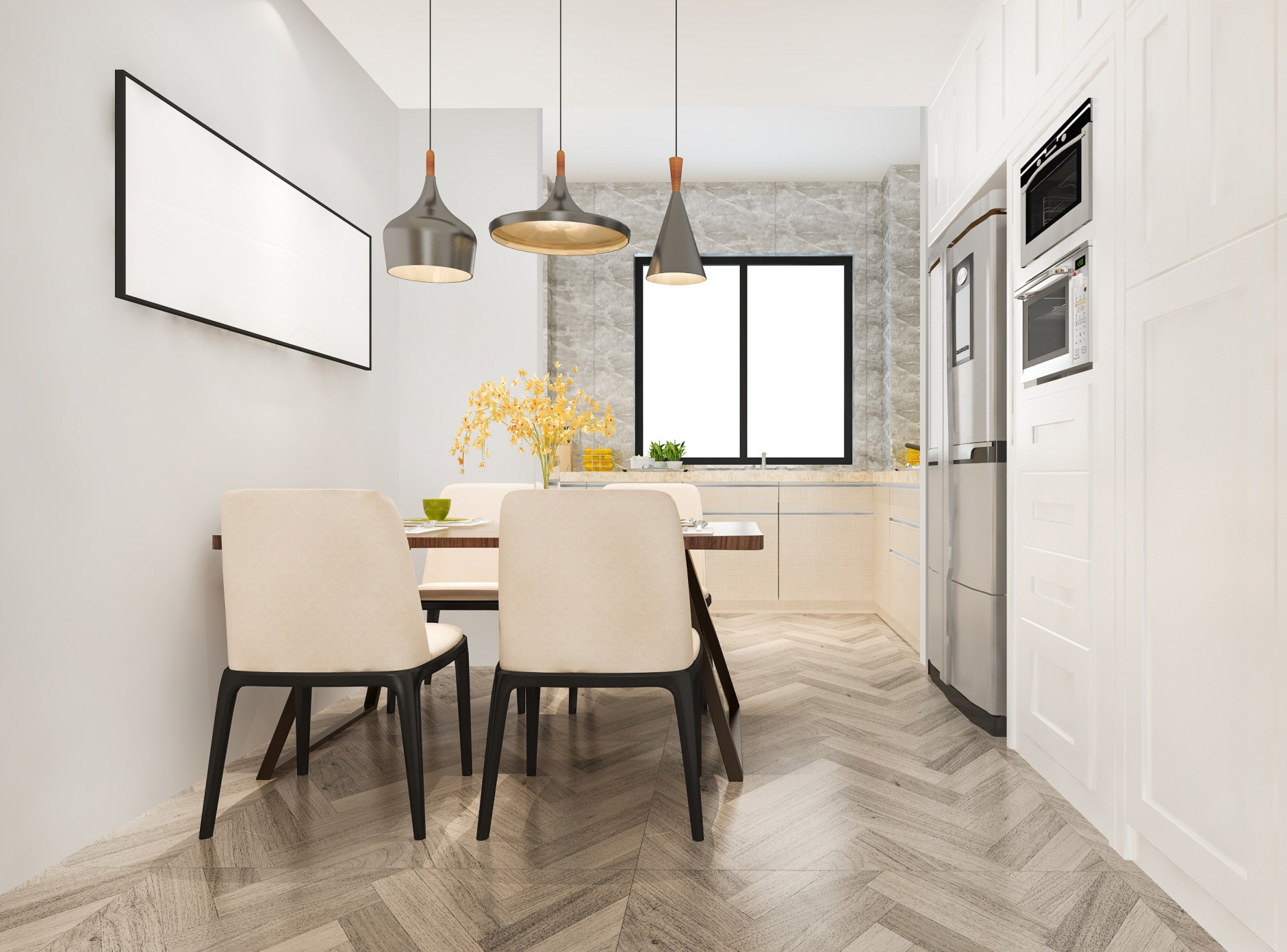
The dining table is the room’s centerpiece. Choose a table that fits the length and width comfortably. For a 21 foot room, a longer table works best. It allows more guests without making the space feel cramped. Leave at least 36 inches around the table for easy movement. Oval or rectangular tables suit long rooms well. Avoid round tables that may reduce seating capacity.
Mixing Styles And Eras
Blend furniture styles for a unique look. Combine modern chairs with a vintage table to add character. Use different textures like wood, metal, and fabric for depth. Layering styles creates visual interest without chaos. Keep colors balanced to unify the pieces. The mix should feel intentional and not random. This approach gives your dining room a personal touch.
Comfortable Seating Options
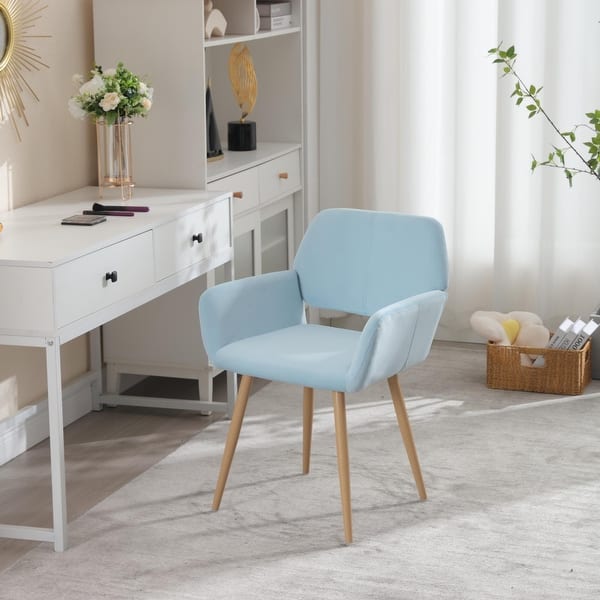
Seating must be both stylish and comfortable. Choose chairs with cushioned seats or soft upholstery. Add armchairs at the ends for extra comfort and style. Consider bench seating to save space and add flexibility. Make sure chairs fit well under the table. Test the height and comfort before buying. Comfortable seating encourages longer, relaxed meals and good conversation.
Color Schemes And Textures
Choosing the right color schemes and textures can transform a 21-foot dining room. This large space offers a great canvas to experiment with colors and tactile materials. Smart use of these elements creates warmth, balance, and visual interest. Focus on mixing colors and textures that complement each other. This approach enhances the room’s style and comfort.
Incorporating Five Colors Or Textures
Use at least five colors or textures to add richness to your dining room. These can come from paint, furniture, fabrics, or decor items. For example, pair a soft blue wall with a wooden table, velvet chairs, a patterned rug, and linen curtains. The mix keeps the space lively but coordinated. Choose colors that suit your style and mood. Textures like smooth wood and plush velvet bring a tactile element. This variety makes the room feel inviting and complete.
Balancing Solids And Patterns
Combine solid colors with patterns to avoid monotony in the dining area. Solids provide a calm base, while patterns add flair and character. Use solid-colored upholstery or walls with patterned cushions or curtains. Patterns can be floral, geometric, or stripes, depending on your taste. Keep patterns in different scales to prevent clashing. This balance creates harmony and draws the eye without overwhelming the senses. It also helps define different areas or features in the room.
Using Texture For Depth
Texture adds depth and dimension to a long dining room. Mix materials like wood, metal, fabric, and glass. A wooden dining table paired with metal light fixtures and fabric chairs enriches the space. Use textured rugs or wall art to create focal points. Textures break up flat surfaces and add warmth. They also invite touch, making the room feel more comfortable. Layering textures ensures the space never feels dull or too flat.
Lighting Ideas
Lighting plays a key role in decorating a 21 foot dining room. It sets the mood and highlights your style. The right lighting makes the space feel warm and inviting. Combining different light sources adds depth and interest. Use lighting to create a cozy and functional dining area.
Statement Chandeliers And Pendants
Choose a large chandelier or pendant light to fill the tall ceiling space. A bold fixture becomes the room’s focal point. Pick designs that match your dining room style. Crystal chandeliers add elegance, while metal pendants offer a modern look. Hang the fixture about 30 to 36 inches above the dining table. This draws attention and provides good light for meals.
Layered Lighting With Lamps
Use floor lamps and table lamps to add layers of light. Lamps create soft, warm glows that balance the overhead fixture. Place a floor lamp in a corner to brighten dark spots. Table lamps on a sideboard or buffet add charm and extra light. Layered lighting allows you to adjust brightness for different moods. It also makes the room feel cozy and well-designed.
Natural Light Enhancement
Maximize natural light to open up the long dining room. Use sheer curtains to let sunlight flow in. Avoid heavy drapes that block light. Position mirrors to reflect daylight and brighten the space. Light-colored walls and furniture help bounce light around. Natural light keeps the room fresh and cheerful during the day.
Wall And Ceiling Details
Wall and ceiling details shape the mood of a 21-foot dining room. They can make the space feel warm, inviting, or stylish. Thoughtful choices in these areas add character and charm.
Enhancing the walls and ceiling helps define the room’s style and scale. Small touches can create a big impact.
Adding Architectural Features
Architectural features add depth and interest to plain walls. Consider installing wainscoting or beadboard for a classic look. Crown molding along the ceiling edge creates elegance. Ceiling beams or coffered ceilings add texture and dimension. These details break up large spaces without overwhelming them. They also highlight the room’s height and length.
Using Wallpaper And Paint
Wallpaper and paint bring color and pattern to the room. Choose light tones to keep the space open and airy. Bold wallpaper on one wall creates a focal point without crowding. Stripes or geometric prints can add visual length or height. Paint the ceiling a soft color to draw eyes upward. This makes the dining room feel taller and more spacious.
Hanging Art At Eye Level
Art personalizes the dining area and adds visual appeal. Hang pictures or mirrors at eye level for the best effect. This keeps the room balanced and comfortable to look at. Large art pieces fit well on long walls, filling empty space. Group smaller artworks together to create a gallery wall. Art draws attention and complements other wall details.
Window Treatments
Window treatments play a vital role in decorating a 21-foot dining room. They frame the windows and impact the room’s style and mood. Well-chosen window coverings can make the space feel taller and cozier. They control light and privacy, enhancing comfort during meals and gatherings.
Hanging Curtains Higher
Mount curtain rods close to the ceiling, not just above the window frame. This technique creates the illusion of higher ceilings. It draws the eye upward and makes the dining room feel more spacious. Make sure curtains slightly touch or hover above the floor for a polished look.
Choosing Fabrics And Patterns
Opt for fabrics that match the dining room’s style and color scheme. Light fabrics like linen or cotton bring softness and airiness. Heavier fabrics add a sense of luxury and warmth. Patterns can add personality but keep them subtle to avoid overwhelming the space.
Balancing Light And Privacy
Select window treatments that allow you to adjust natural light easily. Sheer curtains soften sunlight without blocking it completely. Combine them with blinds or shades for privacy when needed. This balance keeps the room bright during the day and private at night.
Centerpiece Ideas
Choosing the right centerpiece can transform a 21-foot dining room. It creates a focal point that ties the room together. A well-chosen centerpiece adds charm and personality. It also complements the dining table’s size and style. Consider options that fit the room’s scale and theme. Here are some simple yet elegant centerpiece ideas to inspire you.
Fresh Flowers And Succulents
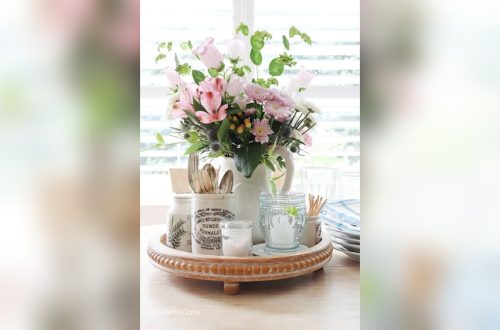
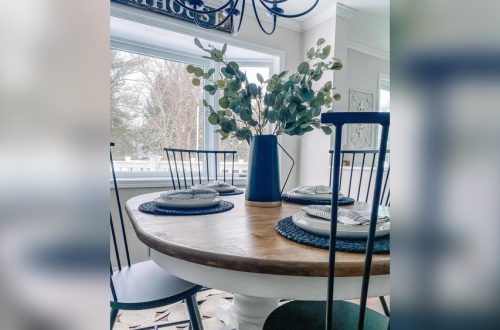
Fresh flowers bring life and color to your dining room. Choose seasonal blooms for a natural, vibrant look. Use low vases to keep sightlines clear across the table. Succulents offer a modern, low-maintenance alternative. Their unique shapes add texture and interest. Mix different sizes and types for a dynamic display. Grouping succulents in a long planter suits a long table perfectly.
Fruit Bowls And Decorative Trays
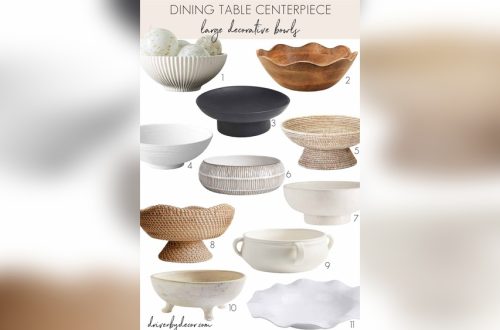
Fruit bowls add a fresh and inviting touch. Use colorful fruits to brighten the space naturally. Select bowls that match your dining room decor style. Decorative trays organize smaller items and create a neat look. Arrange candles, small plants, or cutlery on trays for a stylish effect. Trays also make it easy to move centerpieces when needed. Choose trays with interesting patterns or materials for added style.
Candles And Lanterns
Candles create a warm, cozy atmosphere for dinners. Use candle holders of different heights for visual interest. Lanterns bring a rustic or coastal vibe, depending on their design. Combine candles and lanterns for a layered look. Choose unscented candles to avoid clashing with food aromas. Use LED candles for safety and ease during long meals. Candles and lanterns enhance ambiance without overwhelming the table.
Decor And Accessories
Decor and accessories transform a 21-foot dining room into a warm, inviting space. They bring personality, texture, and balance to the area. Choosing the right pieces creates harmony and keeps the room from feeling empty or cluttered.
Thoughtful decor complements the room’s size and enhances its function. Accessories add layers of style and practical use. The key lies in mixing items that reflect your taste while maintaining a cohesive look.
Incorporating Personal Style
Use decor that reflects your personality and lifestyle. Display artwork, family photos, or unique collections. Personal touches make the dining room more inviting and memorable.
Choose colors and shapes that match your preferences. These details create a space that feels truly yours. Avoid trends that don’t suit your taste or home vibe.
Layering Patterns And Period Styles
Mix at least three patterns in rugs, curtains, or pillows. Combine solids and prints for visual interest. Use patterns that complement each other in color and scale.
Blend furniture or decor from four design eras. For example, pair a traditional table with mid-century chairs. This method adds depth and a curated feel to the room.
Incorporate five colors or textures to enrich the space. Try velvet cushions, wooden frames, and linen curtains. This layering creates a balanced and lively atmosphere.
Using Functional Decor Items
Choose decor that looks good and serves a purpose. Stylish storage, elegant lighting, and attractive dishware fit well in a dining room. They keep the space neat and practical.
Consider decorative trays, bowls, or candle holders. These add charm while organizing small items. Functional accessories enhance comfort and usability without clutter.
Use mirrors or wall art to open up the space visually. They reflect light and add personality. Functional decor boosts both style and dining room utility.
Maximizing Space
Maximizing space in a 21-foot dining room creates a comfortable and open atmosphere. Smart use of the room’s length avoids crowding and makes dining enjoyable. Small details and thoughtful furniture choices can greatly improve how spacious the room feels.
Embracing Negative Space
Negative space is the empty area around furniture and decor. It helps the room breathe and look less cluttered. Avoid filling every inch with items. Leave clear pathways and open zones. This makes the dining room feel larger and more inviting.
Keep walls simple with minimal artwork or mirrors. Use light colors to enhance openness. Negative space balances the room and highlights key pieces like the dining table.
Multipurpose Furniture
Choose furniture that serves more than one purpose. Benches with storage under the seats save space and hold extra items. Foldable or extendable tables fit small gatherings or larger groups. Chairs that stack or tuck neatly under the table free up floor space.
This approach reduces the number of items needed. It keeps the dining room tidy and flexible. Multipurpose pieces adapt to different needs and occasions.
Storage Solutions
Good storage keeps the dining room organized and clutter-free. Use built-in cabinets or floating shelves to save floor space. Storage benches and sideboards hide dishes and linens. Keep everyday items within reach but out of sight.
Storage solutions help maintain a clean look. They reduce visual chaos and make the room more functional. Smart storage supports a calm and spacious dining environment.
Credit: www.lxhausys.com
Frequently Asked Questions
What Is The 3 4 5 Rule In Interior Design?
The 3-4-5 rule in interior design suggests using at least three patterns, four styles, and five colors or textures. This creates a balanced, layered, and visually interesting space. It encourages personal style and guides design choices for a harmonious, eclectic look.
How To Decorate A Room With 20 Foot Ceilings?
Add tall curtains and hang art at eye level to balance height. Use large furniture and layered lighting. Paint or add beams to the ceiling for warmth. Incorporate textures and keep negative space to avoid clutter.
What Do You Put In The Middle Of Your Dining Room Table?
Place a centerpiece like fresh flowers, succulents, or fruit bowls in the middle of your dining table. Candles or decorative lanterns also enhance its look. Choose items that complement your room’s style and add warmth or color to create an inviting atmosphere.
What Is The 2 3 Rule For Furniture?
The 2-3 rule for furniture means using at least three patterns, four styles, and five colors or textures. This creates balance, depth, and a personalized look in any room. Adjust numbers based on your style and space size for a unique, layered design.
Conclusion
Decorating a 21-foot dining room offers many exciting options. Use patterns, colors, and textures to add interest and balance. Mix different styles to create a unique and personal space. Keep furniture proportional to the room’s size for comfort. Lighting plays a key role in setting the mood and defining areas.
Small details like rugs and curtains bring warmth and style. With thoughtful choices, your dining room can feel inviting and stylish. Enjoy the process of making the space your own.