Imagine stepping into your dining room and instantly feeling the warm, inviting breeze of the Mediterranean coast. You want your space to capture that perfect blend of rustic charm and elegant comfort, where every meal feels like a special occasion.
Decorating a Mediterranean dining room is all about creating a cozy, sun-kissed atmosphere filled with natural textures, rich colors, and timeless details. If you’re ready to transform your dining area into a stylish retreat that reflects your personality and passion for beautiful design, keep reading.
This guide will show you simple, effective ways to bring Mediterranean magic into your home, making every gathering unforgettable.
Color Palette
The color palette defines the mood of a Mediterranean dining room. It reflects the warmth and charm of coastal homes. Choosing the right colors creates a cozy and inviting space.
Mediterranean style favors natural hues inspired by the earth and sea. These colors bring a relaxed, sunlit feel to your dining area. Balance is key to avoid overwhelming the room.
Warm Earth Tones
Warm earth tones are the foundation of Mediterranean decor. Shades like terracotta, burnt orange, and deep reds evoke rustic charm. These colors mimic sun-baked clay and natural stone.
Use these tones on walls, tiles, or accent furniture. They add richness and depth without feeling heavy. Pair with wood elements to enhance the natural look.
Sunwashed Neutrals
Sunwashed neutrals keep the room light and airy. Soft beiges, creamy whites, and light taupes reflect sunlight beautifully. They create a calm backdrop for brighter accents.
These colors work well on larger surfaces like walls and ceilings. They help open up the space and keep it fresh. A neutral base balances warmer shades effectively.
Accent Colors
Accent colors add life and character to the palette. Mediterranean style often uses blues, turquoise, and olive green. These shades recall the sea, sky, and lush landscapes.
Use accents in cushions, ceramics, or art pieces. They create focal points and bring vibrancy. Keep accents in small doses to maintain harmony.
Furniture Choices
Choosing the right furniture shapes the heart of a Mediterranean dining room. It brings warmth and invites comfort. This style favors natural materials and earthy tones. Furniture should feel sturdy but not heavy. It blends rustic charm with elegant simplicity. Each piece tells a story, adding to the room’s character.
Rustic Wooden Tables
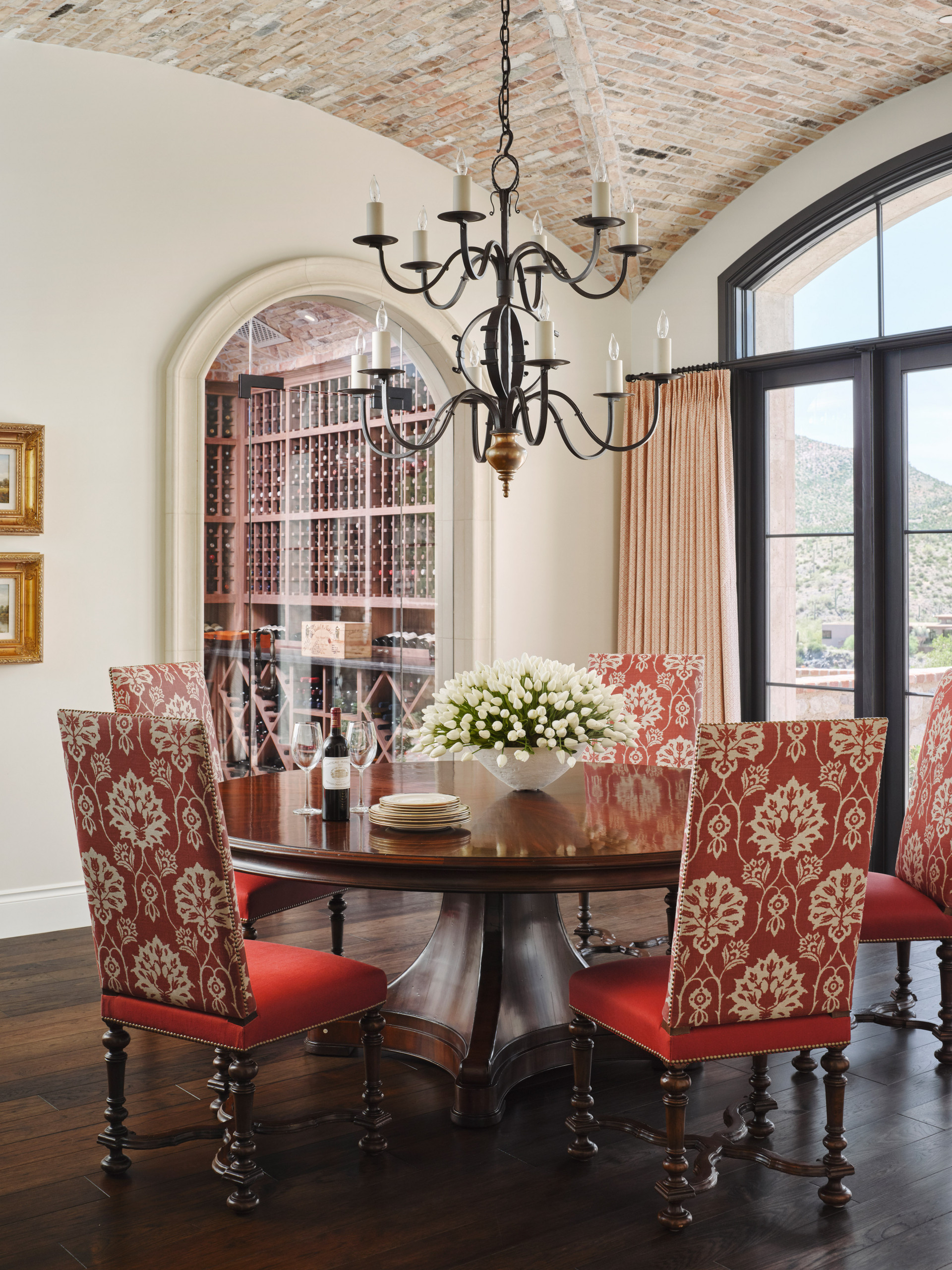
A wooden table anchors the dining space. Opt for rough-hewn wood with visible grain. Dark or honey tones fit well with Mediterranean themes. Large, rectangular tables encourage gatherings. Round tables add a softer, friendly touch. Look for tables with simple, strong legs. Avoid overly polished or shiny finishes.
Woven And Upholstered Chairs
Chairs mix comfort and texture in a Mediterranean dining room. Choose woven seats made from natural fibers like rattan or wicker. These add a casual, earthy feel. Upholstered chairs offer softness and color. Use fabrics in warm tones or simple patterns. Chairs should be inviting and not too formal. Mixing woven and upholstered styles works beautifully.
Sideboards And Hutches
Sideboards and hutches provide storage and style. Pick pieces in wood that matches or complements the table. Look for handcrafted details like carved doors or iron handles. These add an artisanal touch. Use them to display ceramics, glassware, or rustic pottery. They balance function with the room’s relaxed elegance.
Textures And Materials
Textures and materials create the heart of a Mediterranean dining room. They bring warmth and character to the space. Using natural elements adds an earthy, timeless feel. A mix of rough and smooth surfaces invites touch and creates visual interest. This section explores key textures and materials to shape your room.
Stone And Plaster Walls
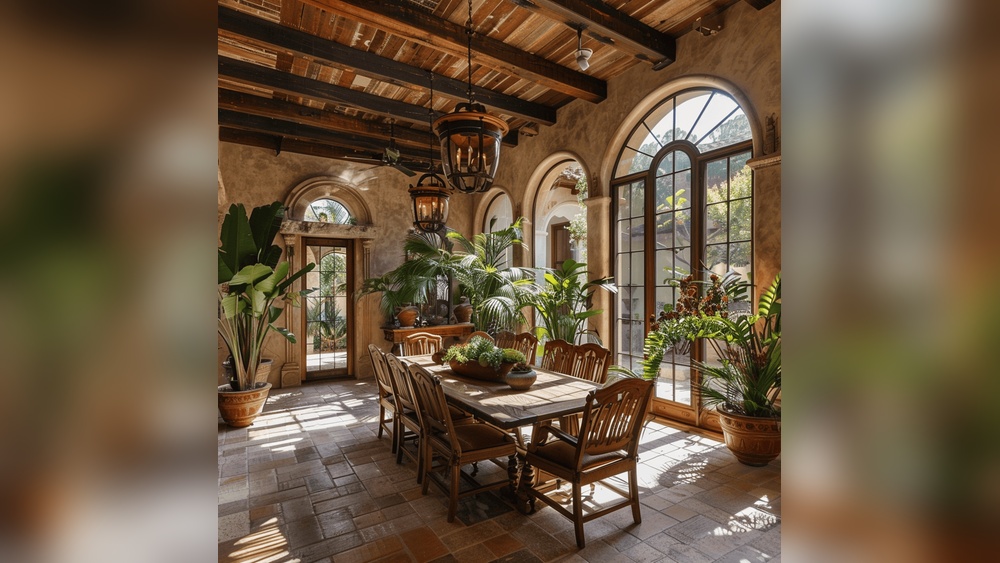
Stone walls are a signature of Mediterranean style. Their rough, uneven surfaces add depth and authenticity. Plaster walls offer a softer, warmer look. Choose natural tones like white, cream, or light terracotta. These materials reflect light and make the room feel airy. They provide a perfect backdrop for rustic or elegant décor.
Wooden Beams And Ceilings
Wooden beams create a cozy, inviting atmosphere. Exposed ceiling beams show craftsmanship and history. Use dark or medium wood tones to add richness. Wood contrasts beautifully with stone or plaster walls. It also adds warmth and texture overhead. This feature connects the room with traditional Mediterranean architecture.
Textiles And Rugs
Textiles soften the space and add color. Use woven rugs with geometric or floral patterns. Natural fibers like wool, cotton, and linen work best. Choose warm, earthy colors such as rust, ochre, and deep blue. Layer cushions and table runners to increase comfort. These fabrics balance the room’s harder textures and make it inviting.
Credit: www.houzz.com
Lighting Ideas
Lighting plays a vital role in creating the warm, inviting atmosphere typical of Mediterranean dining rooms. It highlights the rich textures, earthy tones, and intricate details that define this style. Clever lighting choices can transform the space, making meals feel special and the room cozy.
Statement Fixtures
Choose bold light fixtures that act as a focal point. Wrought iron chandeliers with curved designs bring authentic Mediterranean charm. Look for fixtures with warm bronze or copper finishes. These add an old-world feel and complement natural materials like wood and stone. Large pendant lights over the dining table provide both style and function.
Natural Light Enhancement
Maximize sunlight by using sheer curtains or leaving windows uncovered. Light-colored walls reflect daylight, brightening the room. Use mirrors to bounce natural light across the space. This creates an open, airy feeling common in Mediterranean homes. Skylights also work well to bring in extra sunshine during the day.
Candle And Ambient Lighting
Soft candlelight adds warmth and intimacy at dinner. Place candles in rustic holders made of metal or clay. String lights or lanterns offer gentle ambient lighting for relaxed evenings. These soft lights enhance the cozy, relaxed mood that Mediterranean dining rooms embody. Layering different light sources improves the atmosphere.
Decor And Accessories
Decor and accessories bring the Mediterranean dining room to life. They reflect the warmth and charm of coastal living. Choose pieces that add color, texture, and personality. Each item should create a cozy and inviting atmosphere. The right decor can transport you to sunlit shores and vibrant villages.
Mediterranean Artwork
Select artwork that shows Mediterranean landscapes, sea views, or village scenes. Use bright colors like blue, terracotta, and olive green. Paintings with rustic frames add an authentic touch. Consider prints of olive branches or citrus fruits to enhance the theme. Art is a simple way to add culture and history to the space.
Ceramic And Pottery Pieces
Hand-painted ceramics and pottery bring texture and tradition. Use bowls, vases, and plates with bold patterns. Choose blues, yellows, and earthy tones to match Mediterranean colors. Display these pieces on shelves or dining tables for charm. These handmade items add warmth and character to the room.
Mirrors And Reflective Elements
Mirrors open up the space and reflect natural light. Look for mirrors with wrought iron or wooden frames. Round or oval shapes fit well with Mediterranean style. Metallic accessories like bronze or copper candle holders add sparkle. Reflective elements brighten the room and create a lively mood.
Flooring Options
Choosing the right flooring sets the tone for a Mediterranean dining room. The floor must blend warmth, texture, and color. It should bring out the charm and rustic feel typical of Mediterranean style. Several flooring options work well to create this inviting atmosphere. Each choice adds character and comfort to the dining area.
Terracotta Tiles
Terracotta tiles are a classic choice for Mediterranean floors. Their warm, earthy tones create a cozy and natural look. These tiles are durable and easy to clean. Their rustic finish adds authenticity to the room. Terracotta works well with wooden furniture and bright textiles. The natural clay material helps keep the floor cool in warm weather.
Patterned Rugs
Patterned rugs add color and texture to the dining room floor. Choose rugs with geometric or floral designs in warm tones. They soften hard floors like stone or tile. Rugs create a cozy spot under the dining table. Layering a rug over tiles adds depth and visual interest. They also protect floors and reduce noise.
Wood And Stone Floors
Wood floors bring warmth and natural beauty to the space. Choose wide planks with a matte finish for an authentic look. Stone floors, such as marble or limestone, offer elegance and durability. These materials reflect the Mediterranean’s love for natural elements. Both wood and stone pair well with textured walls and wrought iron decor. They create a timeless foundation for your dining room.
Plants And Greenery
Plants and greenery bring life and freshness to a Mediterranean dining room. They create a natural, calming vibe that matches the warm, earthy tones of the style. These elements add texture and color, making the space inviting and cozy.
Choosing the right plants helps capture the Mediterranean spirit. Olive trees, herbs, and hanging plants fit perfectly in this decor. They reflect the natural beauty and relaxed atmosphere of Mediterranean living.
Potted Olive Trees
Potted olive trees are a classic choice for Mediterranean dining rooms. Their slender trunks and silvery leaves add elegance and charm. Place them near windows or corners to create a natural focal point. Olive trees also symbolize peace and abundance, enhancing the room’s ambiance.
Herb Displays
Herb displays bring freshness and function. Small pots of rosemary, thyme, or basil fit well on shelves or the dining table. They add green color and pleasant scents. Using herbs also connects the dining area to Mediterranean cooking traditions.
Hanging Greenery
Hanging plants add vertical interest and soften the room’s edges. Trailing vines like ivy or pothos work well. Hang them in macramé holders or rustic pots for an authentic look. This style saves space and creates a lush, layered effect typical of Mediterranean homes.

Credit: www.decorpad.com
Layout And Space
Designing the layout and space of a Mediterranean dining room shapes its comfort and style. Space planning focuses on how furniture fits and flows within the room. It also considers light and openness to create a warm, inviting atmosphere. Proper layout enhances both function and beauty in this classic style.
Creating Flow
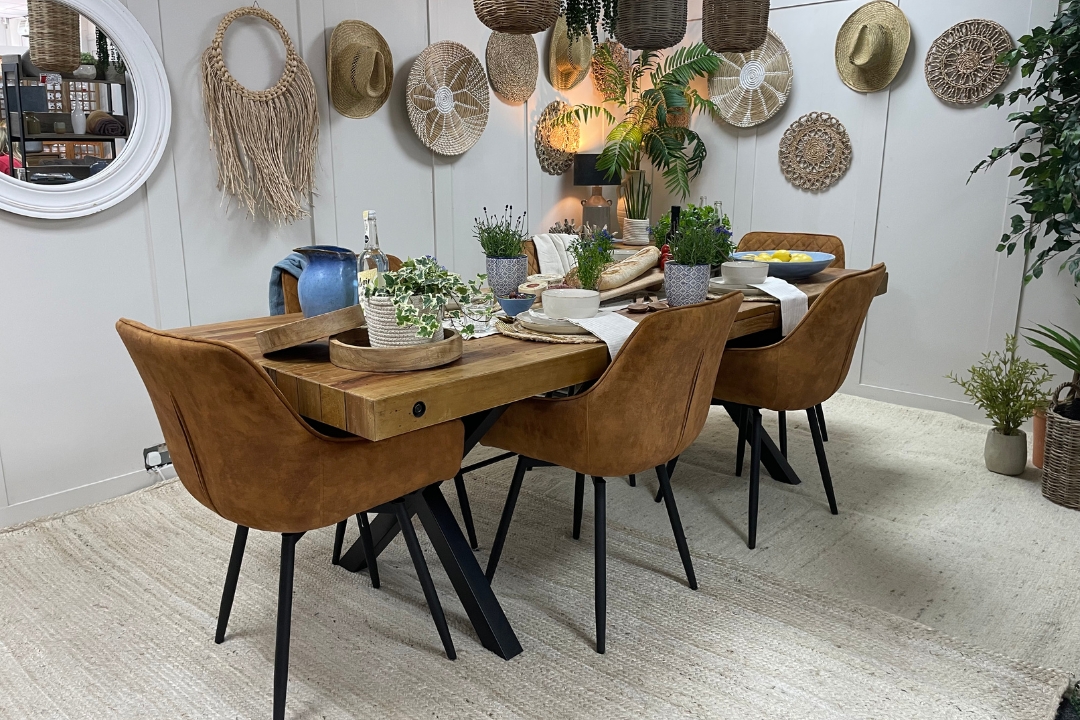
Flow means easy movement through the dining room. Avoid crowding furniture or blocking pathways. Arrange chairs and tables so people can walk freely. Use rugs or floor patterns to guide the eye and connect areas. Flow creates a relaxed, natural feel typical of Mediterranean homes.
Balancing Furniture
Balance means placing furniture evenly around the space. Mix large pieces like a wooden table with smaller items such as chairs or sideboards. Keep the scale in mind to prevent overwhelming the room. Symmetry often works well, but slight asymmetry adds charm. Balanced furniture keeps the space comfortable and elegant.
Maximizing Light
Light brightens a Mediterranean dining room and highlights colors. Use large windows or glass doors to bring in daylight. Choose light-colored walls and reflective surfaces to spread light. Position mirrors opposite windows to bounce light around. Proper lighting makes the room feel open and lively.
Credit: furnitureoutletstores.co.uk
Frequently Asked Questions
What Colors Suit A Mediterranean Dining Room Best?
Warm earth tones like terracotta, mustard yellow, and deep red work well. These colors evoke a rustic, inviting Mediterranean vibe. Pair them with neutral whites or beiges for balance and brightness.
How To Choose Furniture For Mediterranean Dining Rooms?
Opt for wooden furniture with a distressed or rustic finish. Wrought iron chairs or tables add authentic Mediterranean charm. Mix rough textures with smooth textiles for a cozy feel.
What Lighting Complements Mediterranean Dining Room Decor?
Statement light fixtures, such as wrought iron chandeliers or lanterns, enhance the Mediterranean look. Use warm-toned bulbs to create a soft, inviting ambiance that highlights natural textures.
Which Wall Treatments Enhance Mediterranean Dining Rooms?
Stone or textured plaster walls add depth and authenticity. Alternatively, warm-toned paint like terra cotta or mustard yellow can evoke a rustic Spanish or Italian feel.
Conclusion
Creating a Mediterranean dining room brings warmth and charm to your home. Use natural materials like wood and stone for authenticity. Choose warm colors such as terracotta, mustard, or deep red. Add simple textiles and soft lighting to enhance comfort.
Include decorative elements like pottery or rustic mirrors for character. This style invites relaxation and joyful meals with family and friends. Enjoy the cozy, timeless feel of Mediterranean design every day.