You have a long wall in your living dining room combo, and it feels like a blank canvas waiting to come alive. But how do you decorate it without making the space look cluttered or disconnected?
The secret lies in creating a balanced, inviting look that ties both areas together beautifully. Whether you want to showcase your personal style, add depth with textures, or highlight a stunning focal point, this guide will give you simple, effective ideas to transform that long wall into a showstopper.
Keep reading, and discover how to turn your living dining room combo into a space that feels both spacious and stylish—just the way you want it.

Credit: uptodateinteriors.com
Plan The Layout
Planning the layout is the first step in decorating a long wall living dining room combo. A good layout maximizes space and improves comfort. It helps separate the living and dining areas without making the room feel crowded. Careful planning creates a smooth transition between zones. This way, the room looks balanced and inviting.
Define Zones With Furniture
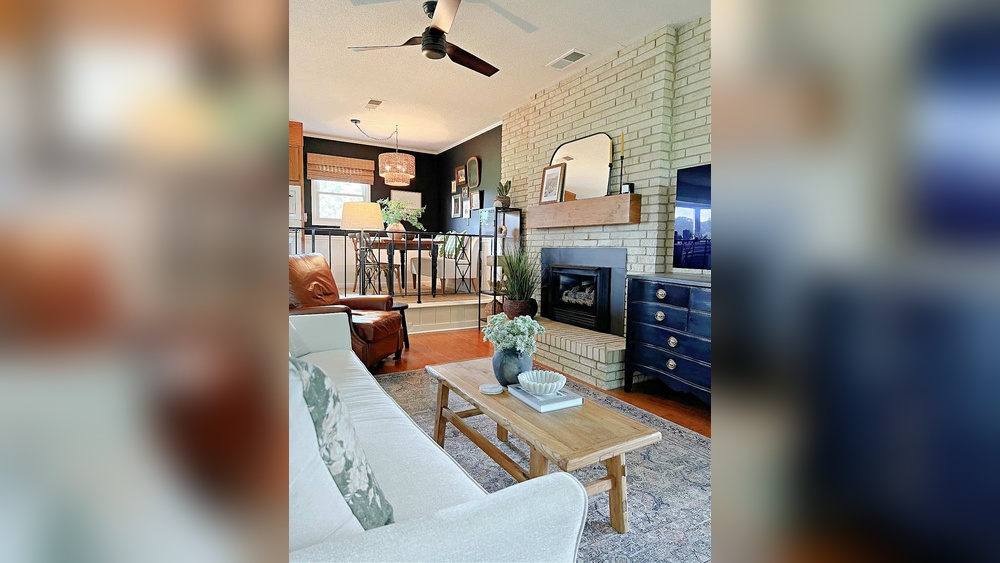
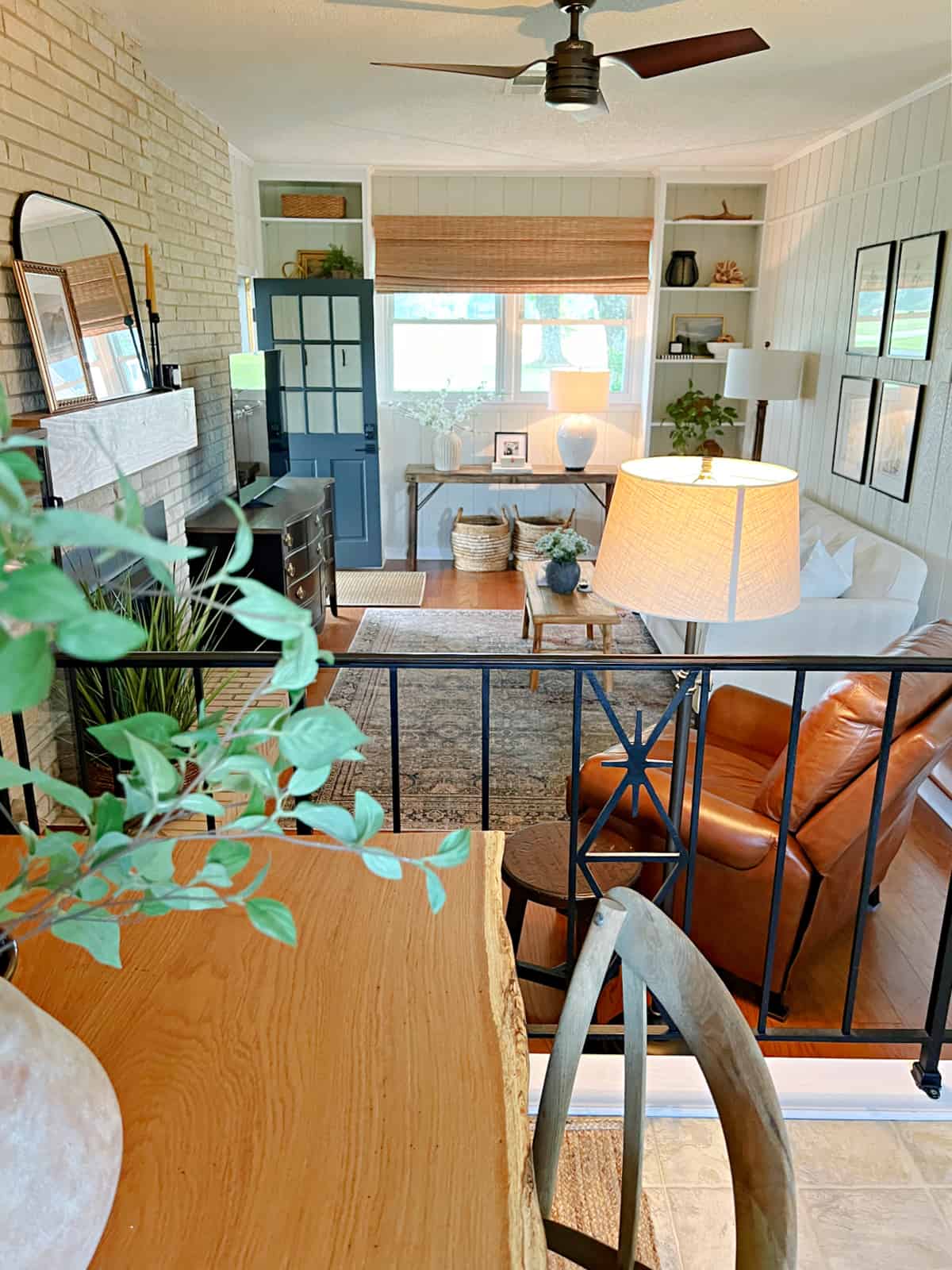
Use furniture to mark different zones in the room. Place a sofa and chairs to create the living area. A dining table with chairs defines the dining space. Rugs can also help separate zones visually. Choose furniture that fits the scale of the room. Avoid oversized pieces that block movement or view. Each zone should have its own clear boundary but still feel connected.
Create Flow And Balance
Arrange furniture to allow easy movement through the room. Leave enough space between pieces for walking paths. Balance heavy furniture on one side with lighter items on the other. Use matching or complementary colors to tie zones together. Keep the long wall visually interesting with artwork or shelves. This adds depth and prevents the space from feeling empty or dull.
Credit: www.chatfieldcourt.com
Choose A Color Scheme
Choosing the right color scheme is key to decorating a long wall in a living dining room combo. Colors set the mood and tie the spaces together. A good scheme makes the room feel balanced and inviting. It also helps to define areas without walls or dividers. Pick colors that work well with your furniture and lighting. Keep the palette simple to avoid a cluttered look. Use shades that flow smoothly from one zone to another.
Use Warm Neutrals
Warm neutrals create a cozy and timeless base. Shades like beige, soft taupe, or warm gray add comfort. They also reflect natural light and make the space look bigger. Use these colors on the long wall for a calm backdrop. Warm neutrals pair well with wooden furniture and soft fabrics. This choice allows accent colors to stand out without clashing. It keeps the room feeling connected and peaceful.
Add Accent Colors
Accent colors bring energy and personality to the room. Choose one or two bright or deep hues to highlight key areas. Use them in cushions, artwork, or rugs. Accent colors break the monotony and add visual interest. They also help separate the living and dining zones subtly. Avoid overusing accents to keep the space balanced. Small touches can make a big impact.
Balance Colors Across Spaces
Balance is crucial in a combined space with a long wall. Spread colors evenly between living and dining areas. Repeat the same accent shades or neutrals to create harmony. This approach avoids a jarring shift from one zone to another. Use similar tones in furniture, curtains, and decor items. Balanced colors guide the eye along the wall and unify the room. It makes the entire space feel intentional and well planned.
Incorporate Textures And Patterns
Incorporating textures and patterns can transform a long wall in a living dining room combo. It breaks the monotony and adds depth to the space. Textures and patterns create interest and make the room feel warm and inviting.
Using varied fabrics, layering rugs and curtains, and mixing patterns help balance the long wall visually. This approach supports a harmonious yet lively room design.
Mix Fabrics And Materials
Combine soft fabrics like velvet or linen with harder materials such as wood or metal. This contrast adds tactile interest to the long wall area. Use cushions, throws, or upholstered chairs to introduce fabric textures. Wooden shelves or metal frames can complement the softness of textiles. Mixing materials creates a rich, layered look without overcrowding.
Layer Rugs And Curtains
Place rugs of different textures and sizes to anchor the living and dining zones. Layering rugs adds warmth and defines each area. Choose curtains with subtle textures or light patterns to soften the wall height. Sheer or linen curtains bring lightness while heavier fabrics add coziness. Layering textiles on the floor and windows enhances depth along the long wall.
Combine Different Patterns
Use at least three different patterns in the room’s soft furnishings. Mix solids with stripes, florals, or geometric shapes to avoid visual clutter. Keep the color palette consistent to unify the patterns. Patterned pillows, rugs, and curtains can work together if balanced carefully. Combining patterns adds personality and keeps the long wall from feeling flat or dull.
Decorate The Long Wall
The long wall in a living dining room combo offers a perfect canvas to enhance the room’s style. Decorating it well can balance the space and bring character to the entire area. Focus on creating visual interest without overcrowding the wall. Choose elements that complement both living and dining zones for a cohesive look.
Hang Oversized Art
Oversized art commands attention and fills the wall beautifully. Choose one large piece that matches your room’s color scheme. It creates a focal point that anchors the space. Large art also adds personality and makes the room feel curated. Position it at eye level for the best effect.
Create Gallery Walls
Gallery walls add variety and tell a visual story. Mix photos, prints, and small paintings in coordinating frames. Arrange them in a balanced grid or an organic pattern. This method adds charm and makes the wall engaging. Keep frame colors consistent for a neat look.
Use Wall Shelves And Bookcases
Wall shelves and bookcases provide both style and function. Display books, plants, and decorative objects on the shelves. This breaks up the long wall and adds texture. Choose shelves that match your furniture for harmony. Open shelves keep the space light and airy.
Add Mirrors For Depth
Mirrors create the illusion of more space by reflecting light. Place a large mirror or a set of smaller ones on the wall. This adds depth and brightens the room naturally. Mirror frames can also add a decorative touch. Position mirrors opposite windows to maximize light.
Use Furniture To Break Up Space
Using furniture to break up space in a long wall living dining room combo creates clear zones. It stops the room from feeling like one long, empty stretch. Smart furniture placement adds function and style at once. Furniture acts as a natural divider without blocking light or flow. It helps balance the open space and draws the eye to different areas. Below are some simple ways to use furniture to divide your living and dining areas effectively.
Place Console Tables
Console tables fit well against a long wall. They create a visual break between living and dining zones. Use a slim console to avoid crowding the space. Decorate with lamps, books, or small plants for interest. Position them behind sofas or along walkways for easy access. Console tables add storage and style while defining each area.
Add Room Dividers Or Screens
Room dividers create separation without permanent walls. Folding screens or open shelving units work well in combos. They add privacy and texture to the room. Choose designs that complement your decor style. Place them between seating and dining sets to mark boundaries. Dividers are flexible and easy to move when needed.
Incorporate Multi-functional Pieces
Multi-functional furniture saves space and breaks up areas smoothly. Ottomans with storage, benches, or sideboards work double duty. Use a storage bench as a divider and extra seating. Sideboards offer surface space and hide clutter at once. These pieces keep the room organized and visually balanced.
Lighting Strategies
Lighting plays a key role in decorating a long wall living dining room combo. It shapes the room’s mood and highlights key areas. Good lighting adds depth and warmth to the space. It balances function with style for both living and dining zones.
Using varied lighting sources prevents the room from feeling flat. It makes the long wall inviting and lively. Thoughtful lighting choices also create zones without physical barriers. This section covers smart lighting strategies to brighten your combo space.
Layer Ambient And Task Lighting
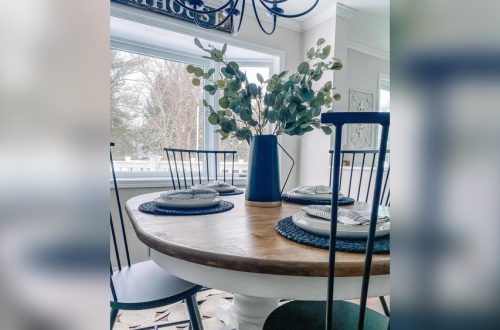
Start with ambient lighting to light the whole room softly. Use ceiling lights or recessed fixtures for even glow. Add task lighting for focused areas like reading corners or dining tables. Table lamps, floor lamps, or pendant lights work well here. Layering these lights creates a flexible and cozy atmosphere.
Add Statement Fixtures
Choose one or two statement fixtures to draw attention. A bold chandelier or oversized pendant works above the dining table. Unique light fixtures add character and style to the long wall. They act as art pieces and brighten the space simultaneously. Keep the style consistent with your decor theme.
Use Wall Sconces
Wall sconces save floor space and add vertical interest. Place them evenly along the long wall for balanced lighting. They create soft pools of light that enhance the room’s texture. Sconces also highlight artwork or architectural details. Select designs that blend with your room’s style.
Add Greenery And Accessories
Adding greenery and accessories transforms a long wall in a living dining room combo. Plants bring life and color to the space. Accessories add character and reflect your personality. Together, they create a welcoming and stylish atmosphere.
Include Plants For Freshness
Plants refresh the room with natural beauty. Choose different sizes and shapes to add interest. Tall plants work well near corners or ends of the wall. Small potted plants fit on shelves or side tables. Green leaves soften the long wall and improve air quality.
Display Personal Items
Personal items make the space unique and warm. Display photos, souvenirs, or art that you love. Use floating shelves or wall hooks to keep things organized. Mixing different items adds charm and tells a story. Keep the arrangement balanced to avoid clutter.
Use Decorative Objects
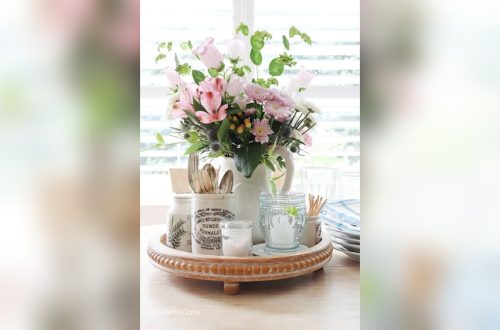
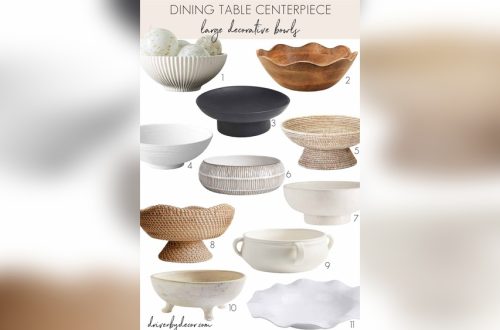
Decorative objects complete the look with style and texture. Consider vases, sculptures, or candles in various shapes. Use trays or bowls to group smaller items. Choose colors that match your room’s palette. These pieces create focal points along the long wall.
:max_bytes(150000):strip_icc()/AtelierSteve1-e14d617a809745c68788955d9e82bd72.jpg)
Credit: www.thespruce.com
Blend Styles For Interest
Blending styles adds depth and character to a long wall living dining room combo. It breaks monotony and invites the eye to explore the space. Mixing different design elements creates a lively and personal atmosphere. This approach balances variety with harmony, making the room feel welcoming and unique.
Mix Design Eras
Choose furniture and decor from various design periods. Combine Mid-Century Modern chairs with a Victorian-style sideboard. Use Art Deco lighting alongside rustic wooden tables. This mix creates a curated look that tells a story. It adds interest without cluttering the space.
Combine Modern And Traditional
Pair sleek modern pieces with classic traditional items. A clean-lined sofa fits well with ornate rugs or vintage frames. This blend softens the sharpness of modern design. It adds warmth and comfort to the long wall. The contrast keeps the room balanced and inviting.
Balance Minimalist And Maximalist Elements
Use minimalist furniture with bold, maximalist accents. Keep large pieces simple and add colorful pillows or patterned curtains. Let one or two statement pieces shine without overwhelming the room. This balance creates a dynamic but calm space. It also allows personal style to stand out clearly.
Frequently Asked Questions
What Is The 3 4 5 Rule In Interior Design?
The 3-4-5 rule in interior design means using at least three patterns, four styles, and five colors or textures. This creates a balanced, layered, and personalized space. Adjust numbers for your style and room size to avoid chaos and add depth effectively.
How To Style A Long Wall In A Living Room?
Style a long living room wall with one oversized art piece or a gallery wall. Add varied textures and mix furniture styles for balance. Use rugs, pillows, and curtains with different patterns and colors to create depth and visual interest.
What Decor Works Well In Combo Rooms?
Use a mix of three patterns, blend four design styles, and incorporate five colors or textures. This creates balance, depth, and a personalized look in combo rooms.
How To Break Up A Long Wall In A Living Room?
Break up a long living room wall with large artwork, varied textures, or a mix of furniture styles. Use rugs, shelves, and lighting to add visual interest and create distinct zones. Incorporate colors and patterns to enhance depth and balance.
Conclusion
Decorating a long wall in a living dining room combo brings style and function. Use patterns, colors, and textures to create balance. Mix different furniture styles for a unique look. Keep the space open and inviting for comfort. Small touches like artwork and lighting add personality.
Plan carefully to make the room feel cozy yet spacious. Your long wall can become a focal point that ties the whole room together. Enjoy designing a space that reflects your taste and fits your lifestyle.