Have you ever wondered why some meals just feel more enjoyable than others? It’s not always about the food itself.
Your dining experience is shaped by much more than taste—it’s influenced by the way a place looks and feels. The decor of a restaurant or dining area sets the mood before you even take your first bite. From the colors on the walls to the lighting and furniture, every detail plays a role in how you perceive your meal.
When done right, decor can make your dining feel cozy, exciting, or even luxurious. Keep reading to discover how the right atmosphere can transform your meals and why paying attention to decor might just be the secret to a better dining experience.
Visual Impact
Visual impact shapes the first impression diners have in a restaurant. It influences their mood and anticipation. A well-thought decor captures attention and invites guests to enjoy their meal. Every visual element works together to create an atmosphere that fits the dining style. This section explores how color schemes, artwork, and furniture affect the dining experience.
Color Schemes And Mood
Colors affect emotions and appetite. Warm tones like red and orange stimulate hunger and energy. Cool colors such as blue and green create calm and relaxation. Neutral shades offer balance and comfort. Choosing the right color scheme sets the tone for the meal. It connects with the food style and the restaurant’s personality.
Artwork And Decorations
Artwork adds character and tells a story. Paintings, photos, or sculptures can reflect culture or theme. Decorations give spaces personality and depth. They create interest and invite conversation. Properly placed artwork enhances the dining mood. It makes the environment feel unique and memorable.
Furniture And Layout
Furniture style affects comfort and visual appeal. Chairs and tables should match the restaurant’s theme. The layout guides movement and interaction. Spacious arrangements allow privacy and ease. Tight spaces may feel crowded and rushed. Good furniture and layout create a pleasant and inviting dining space.
Lighting Effects
Lighting plays a key role in shaping the dining experience. It affects the mood, comfort, and even the taste perception of diners. Proper lighting enhances the decor and creates a welcoming atmosphere. Different types of lighting serve unique purposes and influence how people feel while eating.
Warm Vs Cool Lighting
Warm lighting uses yellow and orange tones. It creates a cozy and inviting environment. This type of light encourages relaxation and longer meals. Cool lighting has blue and white hues. It feels bright and clean but can be less comfortable for long dining. Warm lights suit casual and intimate spaces. Cool lights work well in modern or fast-paced settings.
Natural Light Benefits
Natural light improves mood and energy levels. It makes food look fresh and colorful. Daylight changes throughout the day, offering variety in ambiance. Large windows or skylights allow sunlight to fill the room. This connection to the outdoors makes diners feel more relaxed and happy. Natural light also reduces the need for artificial lighting during daytime.
Accent And Task Lighting
Accent lighting highlights specific decor elements like artwork or plants. It adds depth and character to the space. Task lighting focuses on practical needs, such as illuminating the dining table. It ensures guests can see their food clearly without harsh glare. Combining accent and task lighting balances beauty and function in the dining area.
Sensory Influence
The dining experience depends on more than just taste. Decor plays a key role by engaging the senses. Sensory elements shape how diners feel and enjoy their meal. They influence mood, appetite, and comfort. Each sense works together to create a memorable atmosphere.
Sound And Music Choices
Sounds affect the dining mood greatly. Soft background music helps guests relax. Upbeat tunes can energize the space. Noise levels also matter. Loud noise can distract and reduce appetite. Quiet, gentle sounds encourage conversation and calm. Choosing music that fits the restaurant’s style enhances the overall experience.
Aroma And Scent Design
Smell triggers strong memories and feelings. Pleasant aromas can stimulate hunger and excitement. Scented candles or fresh flowers add subtle fragrances. Avoid overpowering smells that clash with food scents. Clean air and a fresh environment improve guest comfort. Well-chosen scents invite guests to savor their meal more deeply.
Texture And Materials
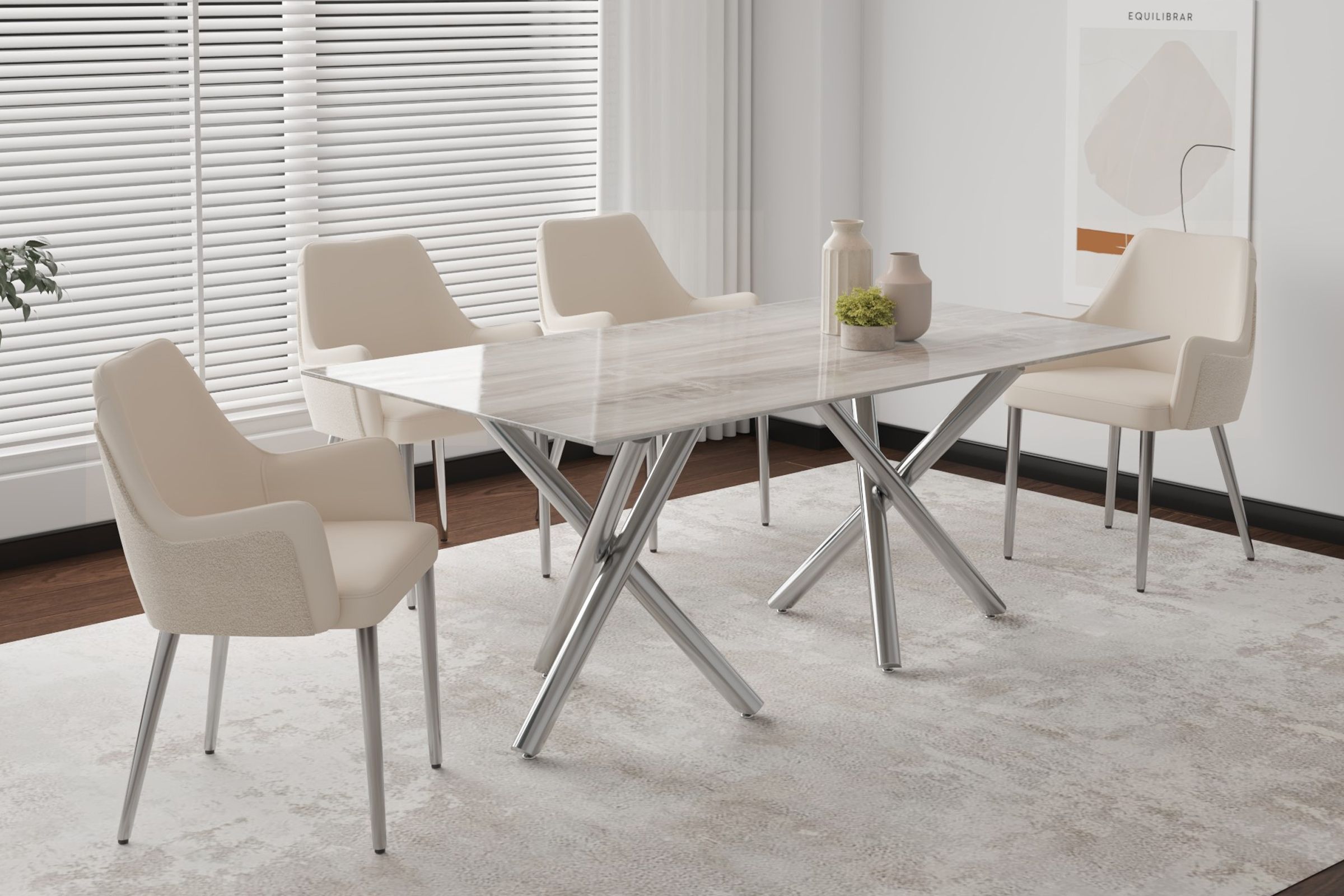
Touch influences comfort and perception. The feel of chairs, tables, and linens matters. Soft fabrics and smooth surfaces add luxury. Rough or cold materials may feel uninviting. Natural textures like wood or stone create warmth. Quality materials signal care and attention to detail. They help diners feel relaxed and valued.
Credit: www.gardner-white.com
Cultural And Theme Consistency
Cultural and theme consistency plays a vital role in shaping the dining experience. It connects the decor with the cuisine served. This harmony helps guests feel immersed and comfortable.
When decor and theme align, diners sense authenticity. It enhances the mood and complements the flavors on the plate. This creates a memorable visit that guests want to repeat.
Matching Decor To Cuisine
Decor should reflect the type of cuisine offered. For example, a Japanese restaurant may use minimalistic designs and natural materials. This matches the clean and simple style of Japanese food.
Matching decor with cuisine sets guest expectations. It prepares them for the tastes and traditions they will experience. This attention to detail shows respect for the culture behind the food.
Creating Authentic Atmospheres
Authentic atmospheres transport diners to another place. Using cultural symbols, traditional colors, and genuine artwork helps achieve this. It makes the dining space feel real and inviting.
Authenticity in decor supports the story of the restaurant. It deepens the connection between food and environment. Guests enjoy meals more when the setting feels true to its origins.
Incorporating Local Elements
Adding local touches to decor enriches the theme. It blends the cuisine’s culture with the local community’s spirit. This mix can create unique and welcoming dining spaces.
Local elements might include regional art, crafts, or materials. They add warmth and character to the restaurant. Diners appreciate these thoughtful details that celebrate place and culture.
Psychological Effects
The design and decor of a dining space influence more than just looks. They deeply affect how people feel and behave. These psychological effects shape the entire dining experience. Colors, lighting, and layout all work together to create a mood. This mood can change emotions, appetite, and comfort levels. Understanding these effects helps restaurants create spaces where guests enjoy their meals more.
Emotional Responses To Design
Colors and shapes trigger feelings without words. Warm colors like red and orange can create excitement and energy. Cool colors such as blue and green often bring calm and peace. Soft lighting tends to make people feel cozy and safe. Sharp lines and modern designs can make a place feel lively and fresh. These emotional responses affect how diners enjoy their time and food.
Stimulating Appetite Through Decor
Certain decor elements can increase hunger naturally. Bright, warm colors often make food look more appealing. Natural materials like wood and plants create a fresh atmosphere. These elements remind people of home and nature, which can boost appetite. The smell of fresh flowers or herbs can also enhance the desire to eat. A well-thought-out decor makes food look and taste better in the mind.
Comfort And Relaxation Factors
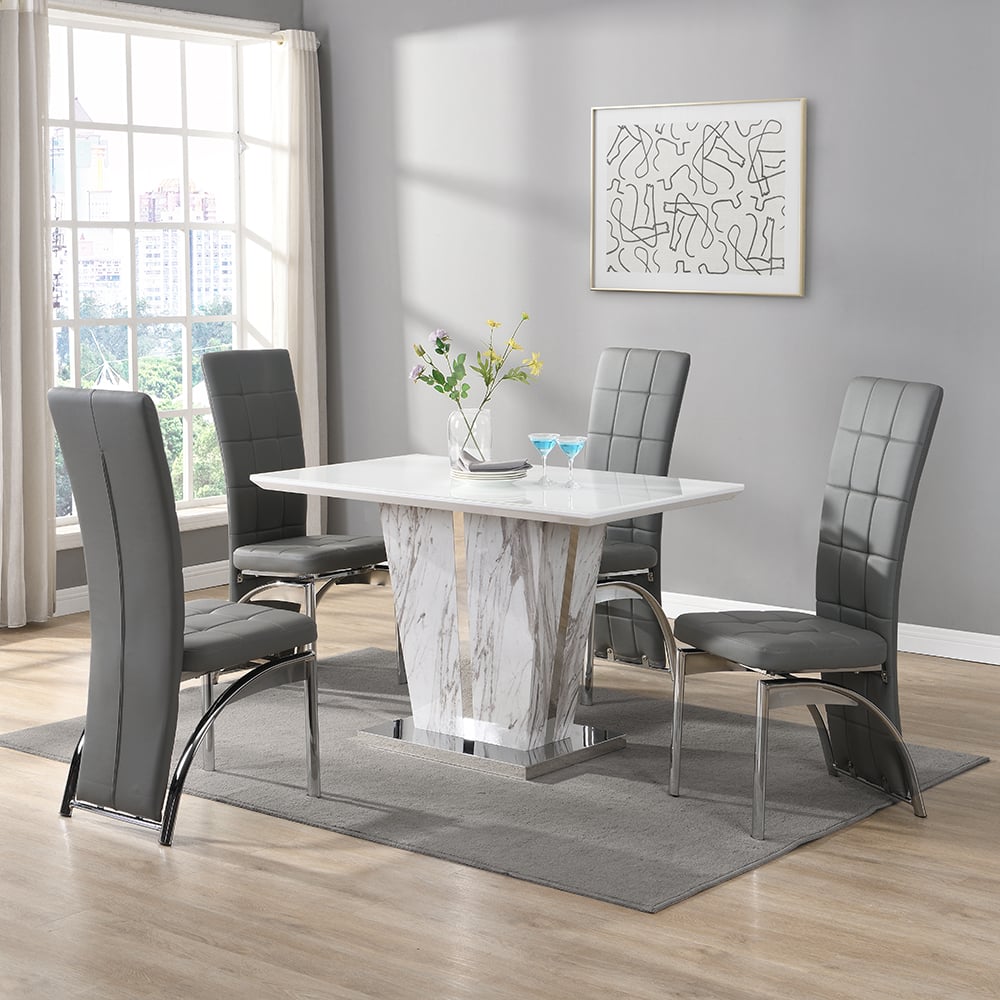
Comfort is key to a positive dining experience. Soft seating and proper spacing help guests relax. Quiet background music and gentle lighting reduce stress. When people feel relaxed, they stay longer and enjoy meals more. Good decor balances style with comfort. A comfortable space encourages conversation and makes meals more enjoyable.
Credit: www.furnitureinfashion.net
Enhancing Customer Experience
The décor of a dining space plays a vital role in shaping customer experience. It sets the tone and mood for the meal. Thoughtful design can make guests feel welcome and relaxed. Every detail, from lighting to furniture, influences how diners enjoy their time. Enhancing customer experience goes beyond aesthetics. It involves creating an environment that supports comfort and interaction.
Encouraging Social Interaction
Decor can invite guests to connect and share moments. Open layouts with communal tables promote friendly conversations. Bright colors and lively art spark energy and engagement. Comfortable seating arranged in clusters helps groups gather easily. Soft background music and warm lighting add to the inviting atmosphere. These elements encourage diners to enjoy each other’s company more.
Privacy And Seating Arrangements
Privacy is important for many diners. Decor that offers cozy corners and booths creates a sense of intimacy. Partition walls and plants can separate tables without feeling closed off. Flexible seating options allow guests to choose their preferred space. This helps them feel safe and relaxed during meals. Proper spacing reduces noise and distractions, improving overall comfort.
Accessibility And Comfort
Comfort affects how long customers stay and return. Ergonomic chairs and appropriate table heights support good posture. Smooth flooring and wide pathways ensure easy movement for everyone. Clear signage and well-lit areas help guests navigate with ease. Inclusive design considers people with disabilities, making the experience enjoyable for all. Comfortable spaces invite diners to relax and savor their meal.
Practical Considerations
Choosing the right decor for a dining space requires practical thought. It affects how easy it is to keep the area clean and looking nice. The decor should also fit the budget without losing its charm. Another key point is how well the decor can change for special events or different moods. These factors make the dining experience smooth and enjoyable.
Maintenance And Durability
Dining decor must be easy to clean and maintain. Surfaces that resist stains and scratches last longer. Furniture should hold up to frequent use. Durable materials save money over time. They keep the space looking fresh and welcoming. Avoid items that need frequent repairs or special care.
Cost Vs Impact
Decor costs should match the value they add. Spending too much may not improve the dining feel enough. Simple changes can create strong impressions. Focus on key pieces that catch the eye. Choose decor that balances quality and price. This keeps expenses under control without losing style.
Flexibility For Different Occasions
Decor that adapts to events adds value. Removable decorations allow quick changes. Tables and chairs that rearrange easily suit small or large groups. Lighting that adjusts sets the right mood. Flexible decor supports diverse dining experiences. It helps make each visit special and fitting.

Credit: www.amazon.com
Trends And Innovations
Dining spaces are evolving with new trends and innovations. These changes improve comfort, style, and guest satisfaction. Modern decor goes beyond looks to include eco-friendliness, technology, and personal touches. This helps create memorable dining experiences that customers appreciate and remember.
Sustainable Materials
Eco-friendly decor is a growing trend in restaurants. Materials like reclaimed wood, bamboo, and recycled metals are popular choices. These choices reduce waste and pollution. Sustainable decor also signals care for the environment. Diners feel better eating in spaces that respect nature. This trend supports both style and responsibility.
Technology Integration
Technology shapes modern dining environments. Digital menus on tablets or screens replace paper ones. Smart lighting adjusts the mood based on time or event. Sound systems create immersive audio experiences. Some restaurants use apps for ordering and payment. Technology streamlines service and adds convenience. It makes dining faster and more enjoyable.
Personalized Dining Spaces
Personalization enhances the dining atmosphere. Restaurants design areas for groups, couples, or solo diners. Adjustable seating and lighting let guests control their space. Custom decor themes reflect local culture or cuisine. This makes guests feel special and comfortable. Personalized spaces encourage longer visits and repeat business.
Frequently Asked Questions
Why Is Restaurant Decor Important?
Restaurant decor shapes atmosphere, influences mood, and enhances the overall dining experience. It aligns with the cuisine style and attracts customers.
What Are The 5 Meal Experience Factors?
The five meal experience factors are taste, presentation, ambiance, service, and comfort. Each enhances overall dining satisfaction.
What Is The 30 30 30 Rule For Restaurants?
The 30 30 30 rule for restaurants means allocating 30% of revenue to food costs, 30% to labor, and 30% to overhead expenses. This helps maintain balanced expenses and achieve profitability.
What Makes The Best Dining Experience?
The best dining experience combines delicious food, attentive service, inviting ambiance, and thoughtful decor. Cleanliness and comfortable seating enhance enjoyment. Background music and lighting set the mood. Personal touches and efficient service make guests feel valued and relaxed.
Conclusion
Decor plays a key role in shaping the dining experience. It sets the mood and makes guests feel welcome. Simple colors and good lighting help food look better. Comfortable seating invites people to relax and enjoy their meal. Artwork and decorations add personality to the space.
All these details work together to create a memorable visit. A well-thought-out decor can turn an ordinary meal into a special occasion. Dining becomes more than just eating—it becomes an experience to cherish.