Are you struggling to make your living room and dining room combo feel both stylish and functional? Combining these two important spaces can be a challenge, but it’s also a fantastic opportunity to create a cozy, versatile area that suits your lifestyle perfectly.
Imagine having a seamless flow where you can entertain guests, enjoy family dinners, and relax without feeling cramped or cluttered. In this guide, you’ll discover simple yet powerful decorating tips—like using area rugs to define zones, clever furniture placement, and smart lighting choices—that will transform your combined space into a beautiful and practical haven.
Ready to turn your living-dining combo into a space you truly love? Keep reading to unlock easy, effective ideas tailored just for you.
Defining Zones
Defining zones in a living room and dining room combination helps organize the space. Clear zones make the area functional and stylish. It also improves flow and comfort. Use simple tricks to separate each space without walls.
Focus on visual and physical dividers. This creates a feeling of different rooms while keeping openness. Small changes can make a big impact. Here are easy ways to define zones effectively.
Area Rugs For Separation
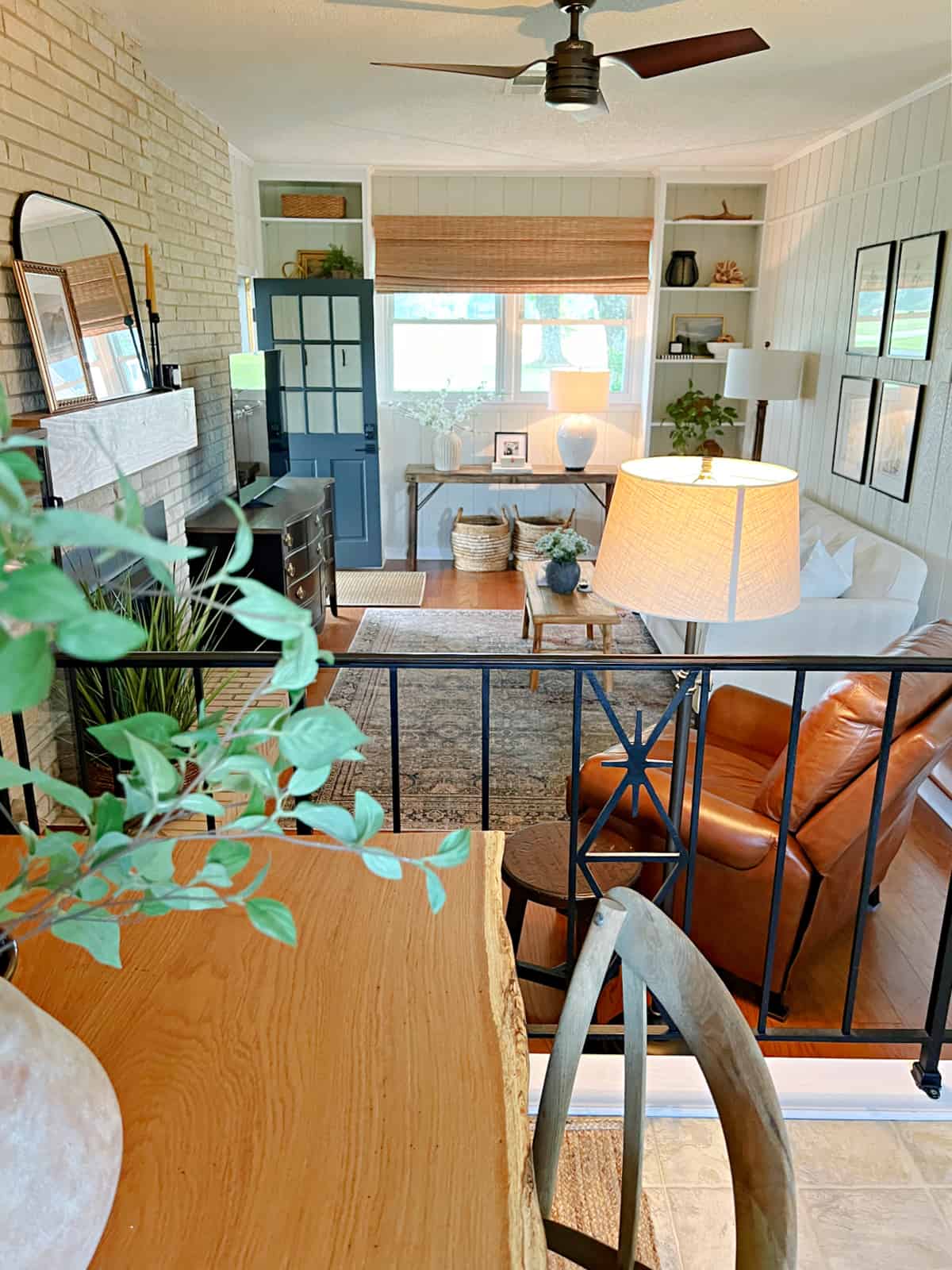
Area rugs anchor each zone and add texture. Place a rug under the living room furniture. This marks the seating area clearly. Use another rug under the dining table. It sets the dining space apart visually. Choose rugs that match in style or color. This keeps the room feeling unified.
Strategic Furniture Placement
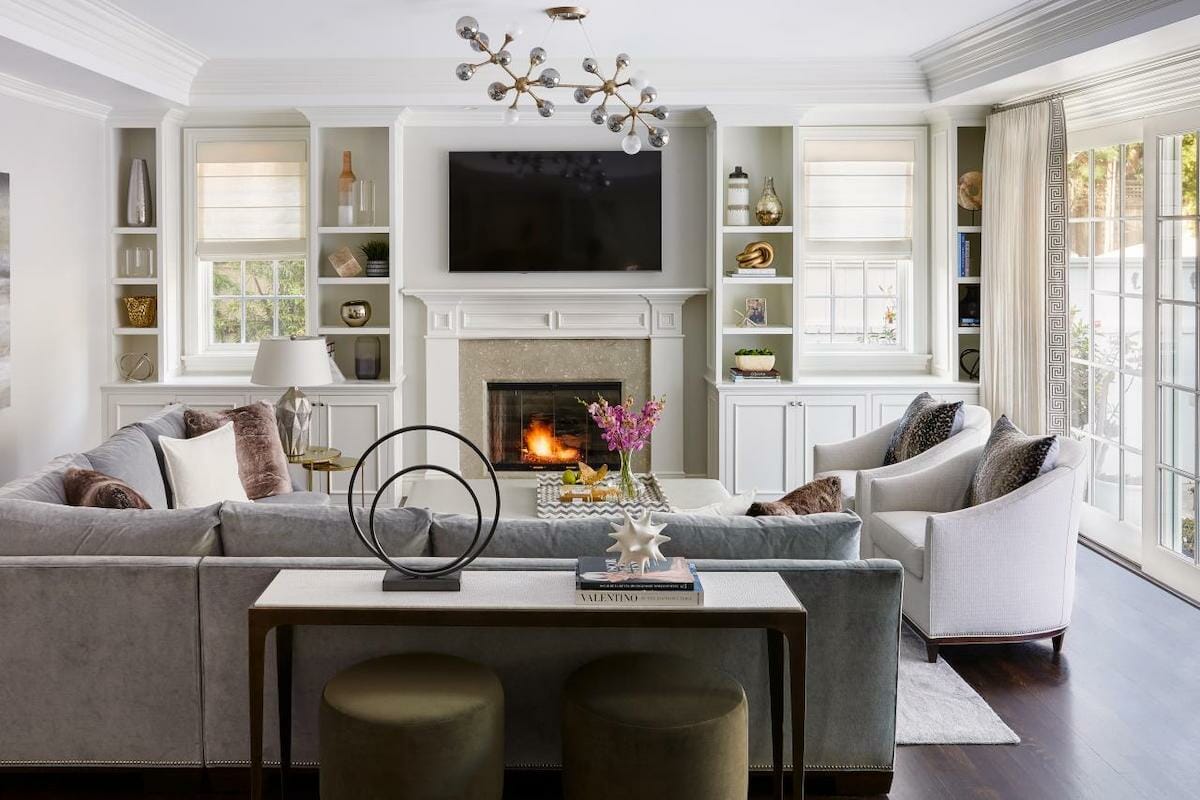
Arrange furniture to create natural boundaries. Position the sofa with its back to the dining area. This acts as a room divider. Add armchairs or a small table to form a cozy nook. Keep pathways clear for easy movement. Proper layout helps each zone feel like its own place.
Wall-mounted Storage Solutions
Use wall shelves or floating cabinets to save floor space. A wall-mounted sideboard works as a buffet or storage. It separates dining and living areas without bulk. Floating shelves add display space and decoration. These options keep zones defined and clutter-free.
Credit: www.usfallprotection.com
Lighting Tips
Lighting plays a key role in decorating a living room dining room combination. It helps create different moods and defines each area clearly. Proper lighting makes the space inviting and functional. Use a mix of lighting types to balance style and comfort.
Statement Pendant Lights
Choose a bold pendant light above the dining table. It acts as a focal point and draws attention to the eating area. Pick a design that matches your style and room size. A large pendant light adds drama, while a cluster of smaller ones creates charm. Position it low enough to light the table well without blocking views.
Soft Ambient Lighting
Use soft ambient lighting in the living area for a relaxed feel. Floor lamps and table lamps work perfectly here. They provide gentle light that is easy on the eyes. Warm bulbs create a cozy atmosphere. Place lamps near seating to make reading or chatting comfortable. Layering light sources helps balance brightness across the whole room.
Furniture Choices
Choosing the right furniture is key to decorating a combined living and dining room. The furniture should fit the space well without crowding it. It must serve the needs of both areas while keeping the style consistent. Thoughtful furniture choices help create a smooth flow and make the room feel larger.
Focus on pieces that match the room’s size. Look for options that offer more than one function. Consider smaller tables that suit the combined space. These ideas help balance comfort, style, and practicality in your living-dining combo.
Scaled-down Pieces
Select furniture that is smaller and lighter in scale. Large sofas or dining sets can overwhelm the space. Choose slim chairs and compact sofas to keep the room open. Low-profile furniture creates a spacious feel. Scaled-down pieces improve movement and keep the area from feeling cluttered.
Multifunctional Furniture
Pick furniture that serves more than one purpose. A storage bench can provide seating and hide items. Console tables work as desks, serving stations, or extra surfaces. Multifunctional pieces reduce the need for extra furniture. This approach saves space and adds flexibility to your layout.
Bistro Table Options
Bistro tables are ideal for small dining spaces. They take up less room than full dining sets. These tables fit well in corners or near windows. Bistro tables create cozy dining spots without crowding the living area. Choose a round or square bistro table to suit your style and space.
Color And Style
Choosing the right colors and style is key to decorating a living room dining room combination. A well-planned color scheme can bring harmony and balance. Style choices set the mood and express personality. Together, they create a space that feels both cozy and elegant.
Consistent Color Palette
Use a consistent color palette to tie the two areas together. Pick two or three main colors and repeat them in both spaces. This creates flow and avoids visual chaos. Neutral tones with pops of color work well. Soft grays, beige, or white can be the base. Add color with cushions, rugs, or art. Keep furniture in similar tones for cohesion.
Match wood finishes or metal accents for a uniform look. Avoid clashing colors that break the room into separate zones. Instead, let color guide the eye smoothly from the living room to the dining area. This approach makes the space feel larger and more inviting.
Gallery Wall Features
Gallery walls add style and personality to a combined space. Choose art or photos that share a color theme or style. Arrange frames in a balanced way to avoid clutter. Use frames with similar colors or materials for a unified look.
A gallery wall can act as a visual link between the two zones. Place it where it can be seen from both the living and dining areas. It draws attention and adds interest without overwhelming the space. Keep the wall neat and organized to maintain harmony.
Gallery walls also reflect your taste and make the space feel lived in. Mix different sizes and shapes but keep colors consistent. This creates a stylish, curated look that enhances the overall design.
Space Optimization
Optimizing space in a living room dining room combination is key to making the area feel open and functional. Smart use of layout and design tricks can enhance comfort and style without clutter. Each element should serve a purpose while maintaining flow and balance.
Using Room Dividers
Room dividers help define separate areas without building walls. They create privacy and structure in open spaces. Choose lightweight screens or open shelving units to keep light and air moving freely. Transparent or slatted dividers add separation but still connect the two zones. This approach keeps the combo room airy and organized.
Creating Visual Balance
Visual balance brings harmony to a combined living and dining area. Arrange furniture to avoid crowding one side. Use matching colors and materials to link both spaces. Keep decor simple and consistent to prevent visual chaos. Balanced lighting also enhances the mood and improves the room’s flow. A well-proportioned setup feels inviting and spacious.
:max_bytes(150000):strip_icc()/living-dining-room-combo-4796589-hero-97c6c92c3d6f4ec8a6da13c6caa90da3.jpg)
Credit: www.thespruce.com
Credit: www.chatfieldcourt.com
Frequently Asked Questions
How To Style A Living Room And Dining Room Combo?
Define zones with area rugs and lighting. Arrange furniture to separate spaces. Use scaled, multifunctional pieces. Maintain a cohesive color palette. Add statement lighting and personalized decor for unity.
What Is The 3 4 5 Rule In Interior Design?
The 3-4-5 rule in interior design helps create balanced room layouts using proportions of 3, 4, and 5 units. It guides furniture placement for harmony and visual appeal. This rule ensures spaces feel well-proportioned and comfortable, enhancing overall design flow.
What Is The 2 3 Rule For Living Rooms?
The 2-3 rule for living rooms suggests arranging two to three seating pieces to create balance and encourage conversation. This layout promotes comfort and optimal space use.
How To Divide A Living Room And Dining Room Combo?
Use area rugs to define each zone and arrange furniture strategically to create separation. Add distinct lighting and choose scaled, multifunctional pieces. Maintain a cohesive color palette to unify the space while visually dividing living and dining areas.
Conclusion
Creating a combined living and dining room can be both practical and stylish. Define each area with rugs and lighting to separate the zones. Choose furniture that fits well and offers multiple uses. Stick to one color palette for a neat, unified look.
Small touches like a gallery wall add character without clutter. This approach makes your space feel open, cozy, and welcoming. Enjoy decorating your living-dining combo with simple, smart choices that work for everyday life.