Your living and dining rooms are more than just spaces in your home—they’re where memories are made, where you relax, entertain, and connect with loved ones. But decorating these areas can feel overwhelming.
How do you create a look that’s both stylish and comfortable? How do you make the most of your space without sacrificing function? In this guide, you’ll discover simple, effective decoration ideas that transform your living and dining rooms into inviting, beautiful spaces you’ll love to spend time in.
Keep reading to unlock tips that bring harmony, warmth, and personality to your home.
Credit: planner5d.com
Living And Dining Layouts
Living and dining layouts shape the heart of a home. They influence comfort, flow, and style. A well-planned layout blends function with beauty. It creates spaces where people gather, eat, and relax together.
Choosing the right layout depends on space size and lifestyle. Each layout style offers unique benefits. Understanding these options helps design a harmonious living and dining area.
Open Plan Arrangements
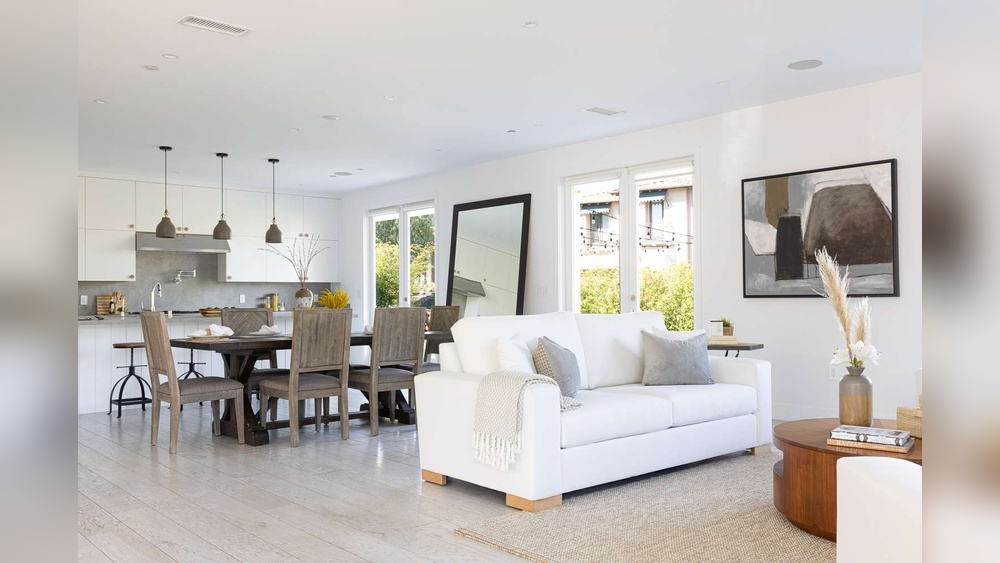
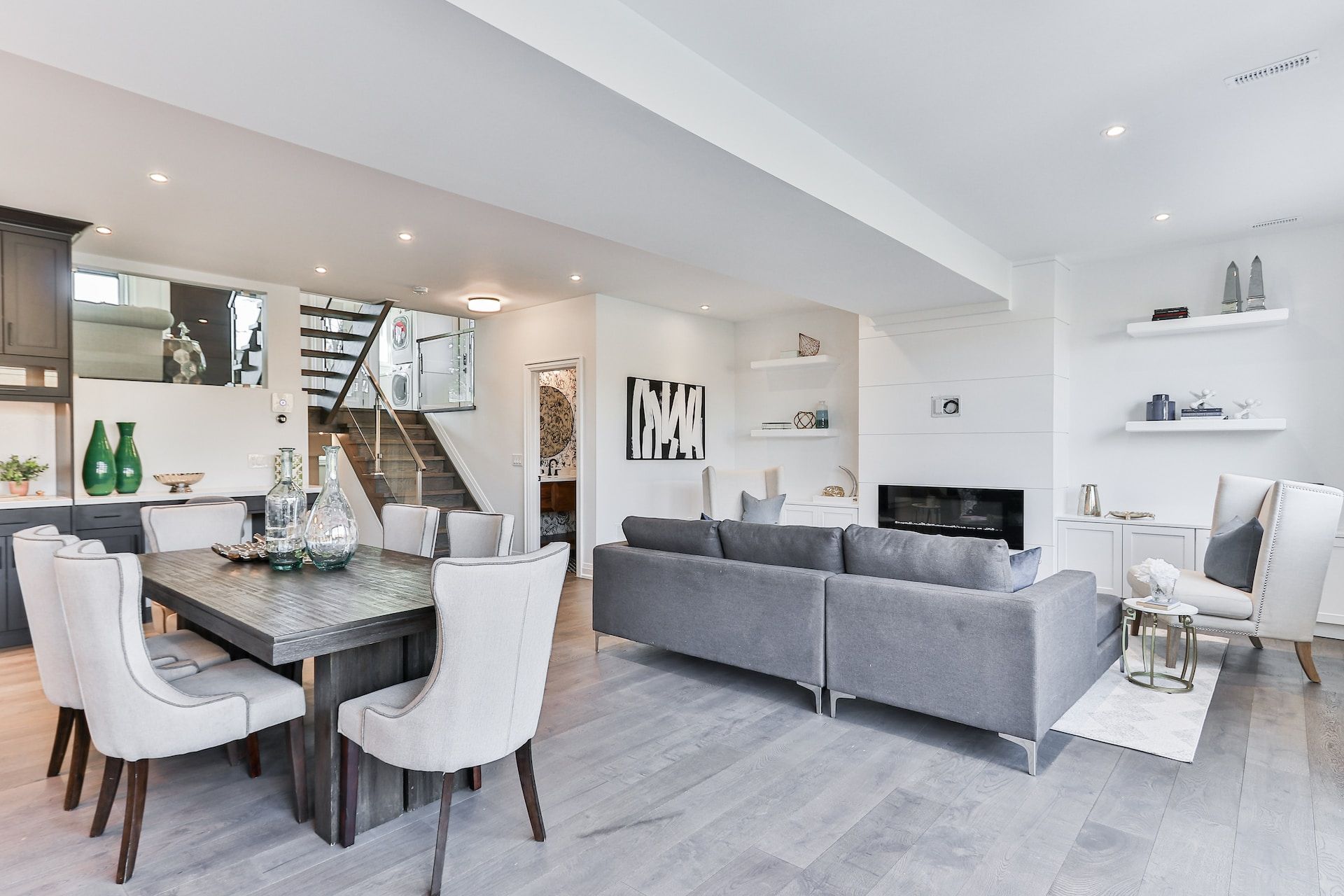
Open plan layouts join the living and dining spaces. Walls disappear, creating a large, airy room. This design promotes easy movement and socializing. Natural light spreads across the entire area. Furniture placement defines each zone without barriers. It suits modern homes and busy families well.
Zoning With Rugs And Lighting
Use rugs to mark the living and dining sections. Different textures and colors separate areas clearly. Lighting also plays a key role in zoning. Pendant lights over the dining table highlight the eating space. Floor lamps or ceiling lights add warmth to the living area. These elements create cozy, distinct zones without walls.
Corner Placement Tips
Corners often become tricky spots in layouts. Position dining tables near a corner to save space. Use corner sofas in the living area for comfortable seating. Add corner shelves or plants to soften edges. This approach maximizes room use and adds charm. Corners become functional and inviting parts of the layout.

Credit: www.vivandtimhome.com
Color Schemes And Palettes
Choosing the right color schemes and palettes is key to decorating living and dining rooms. Colors affect mood and create a sense of harmony between these spaces. A well-planned palette can make the rooms feel larger, brighter, and more inviting. It also helps to blend the two areas into a seamless design.
Unifying Colors For Both Areas
Using unifying colors links the living and dining rooms together. Pick a base color that works well in both spaces. Soft tones like beige, light gray, or pastel blue create a smooth flow. These colors keep the rooms connected without overwhelming them. You can add small touches of matching colors in furniture or decor to strengthen unity.
Accent Wall Ideas
Accent walls add depth and personality to your rooms. Choose one wall in either the living or dining area to highlight. Bold colors like navy, emerald green, or deep red create a striking contrast. For a subtle look, pick a textured wallpaper or a slightly darker shade of the room’s main color. Accent walls bring focus and break up monotony.
Neutral Vs Bold Choices
Neutral colors offer timeless elegance and flexibility. Shades like white, taupe, and soft gray suit minimalist and classic styles. These shades make it easy to change decor later. Bold colors create energy and express personality. Bright yellows, rich blues, or vibrant oranges make a statement. Choose bold shades carefully to avoid overpowering the space.
Furniture Selection
Choosing the right furniture sets the tone for your living and dining room. It affects comfort, style, and how well the space works. Good furniture selection balances beauty and function. It creates a welcoming space for family and guests.
Choosing Multi-functional Pieces
Multi-functional furniture saves space and adds versatility. Think of storage ottomans that hold blankets or coffee tables with shelves. Sofa beds offer extra sleeping space for guests. These pieces help small rooms feel larger and more organized.
Using furniture that serves more than one purpose makes daily living easier. It keeps the area tidy and practical without sacrificing style.
Size And Scale Considerations
Furniture size must fit the room’s dimensions. Large pieces can overwhelm small spaces. Small furniture may look lost in large rooms. Measure your room before buying to find the right fit.
Scale also relates to how pieces relate to each other. Chairs, tables, and sofas should balance well. This creates harmony and comfort in the room’s layout.
Material And Texture Mix
Mixing materials and textures adds depth to your space. Combine wood, metal, and fabric for interest. Soft cushions contrast with hard surfaces like glass or metal.
Textures create a cozy feeling and prevent the space from looking flat. Use rugs, pillows, and throws to introduce different textures. This makes your living and dining rooms inviting and stylish.
Storage Solutions
Storage is key to keep your living and dining room neat and inviting. Smart storage solutions help organize items without cluttering space. They also add style and functionality to your rooms.
Choosing the right storage options can highlight your room’s design. It creates a balance between beauty and practicality. Below are some effective storage ideas to try.
Built-in Cabinets
Built-in cabinets fit perfectly into your room’s layout. They use wall space efficiently and provide ample storage. Store dishes, books, or décor items neatly behind closed doors. This keeps surfaces clear and rooms tidy.
Customizable finishes and sizes match your style and needs. They offer a seamless look that blends with your walls. This solution maximizes storage without taking extra floor space.
Floating Shelves
Floating shelves create open storage that feels light and airy. Use them to display plants, photos, or small decorations. They add height and interest to your walls.
These shelves keep items within easy reach but off tabletops. They work well in both living and dining areas. Choose wood or metal shelves to complement your room’s style.
Hidden Storage Options
Hidden storage keeps clutter out of sight but close by. Think about ottomans with storage inside or benches with compartments. These pieces serve double duty as seating and storage.
Under-sofa drawers or storage baskets also hide away items neatly. Hidden storage helps maintain a clean look without sacrificing space. It is ideal for smaller rooms needing clever solutions.
Lighting Strategies
Lighting plays a vital role in living and dining room decoration. It enhances mood, highlights features, and creates a welcoming space. Choosing the right lighting strategies can transform your rooms into comfortable and stylish areas. Focus on combining different types of lighting for a balanced and flexible setup.
Layered Lighting Concepts
Layered lighting uses multiple light sources at different heights. It blends ambient, task, and accent lights for a full effect. This approach adds depth and dimension to rooms. It avoids harsh shadows and bright spots. Consider ceiling lights, floor lamps, and wall sconces together. This method suits open living and dining spaces well.
Statement Fixtures
Statement fixtures act as focal points in rooms. They add personality and style instantly. Choose chandeliers or pendant lights with unique designs. These fixtures can highlight dining tables or seating areas. Opt for pieces that match your decor theme. Statement lights also provide ambient illumination while looking great.
Task And Ambient Lights
Task lighting focuses on specific activities like reading or dining. Use table lamps or adjustable wall lights for these needs. Ambient lights create general illumination and set the mood. Recessed lights or dimmable fixtures work well here. Combining both types ensures practical and cozy spaces. Adjust brightness to suit different times and tasks.
Decor And Accessories
Decor and accessories shape the look and feel of your living and dining rooms. They add character, warmth, and style. Small details create a big impact. Choosing the right pieces makes the space inviting and balanced.
Wall Art And Mirrors
Wall art brings personality to empty walls. Choose paintings, prints, or photos that match your style. Art can set a color theme or mood. Mirrors reflect light and make rooms feel larger. They also add a touch of elegance. Place mirrors opposite windows to brighten the space.
Textiles And Rugs
Textiles add comfort and color to your rooms. Use cushions, throws, and curtains to soften hard surfaces. Rugs anchor furniture and define areas. Pick rugs that fit the room size and style. Layering textiles creates a cozy and welcoming atmosphere. Natural fabrics like cotton and wool feel warm and look great.
Greenery And Plants
Plants bring life and freshness indoors. They improve air quality and add natural beauty. Use potted plants, hanging baskets, or small succulents. Greenery complements any decor style. Group plants of different heights for visual interest. Choose low-maintenance varieties if you prefer easy care.
Styling Tips For Small Spaces
Small living and dining rooms need smart decoration ideas. Styling these spaces well makes them feel open and inviting. Clever tips help you use every inch effectively. Focus on visual tricks, furniture choices, and light to enhance the room.
Maximizing Visual Space
Use mirrors to reflect light and widen the room visually. Keep window treatments light and simple to allow more natural light. Clear clutter often to keep the space feeling open. Choose furniture with legs to create a sense of airiness. Use vertical space for storage to free floor area.
Compact Furniture Choices
Pick smaller furniture that fits the room size well. Foldable or stackable chairs save space when not in use. Multi-functional pieces like storage ottomans add utility without bulk. Round tables improve flow and avoid sharp corners. Avoid heavy, oversized furniture that overwhelms the room.
Color And Light Tricks
Use light colors to make the room feel bigger and brighter. White, pale blues, and soft pastels work best. Add layers of lighting with lamps and ceiling lights for warmth. Reflective surfaces like glass or metallic finishes increase brightness. Keep curtains and rugs in light tones to avoid visual heaviness.

Credit: www.vivandtimhome.com
Modern And Traditional Mix
Combining modern and traditional styles in your living and dining room creates a unique, inviting space. This mix brings freshness and warmth under one roof. It balances sleek lines with classic charm. The style blend invites creativity and personal expression.
Blending Styles Seamlessly
Start with a neutral base for walls and floors. Use simple colors like white, beige, or gray. Add traditional furniture pieces with modern accessories. For example, pair a classic wooden dining table with metal chairs. Use rugs and curtains to link both styles visually. Keep patterns subtle to avoid clutter.
Key Elements For Cohesion
Choose a color palette that suits both styles. Earth tones work well for warmth and calmness. Mix materials like wood, glass, and metal. Lighting plays a big role; use modern lamps with vintage shades. Art and decor can combine old and new themes. Keep the space balanced with even furniture sizes.
Balancing Old And New
Highlight traditional pieces as focal points. Surround them with modern items to create contrast. Avoid overcrowding; let each piece stand out. Use modern technology discreetly to keep the classic feel. Maintain a clean and organized look for harmony. This balance makes the room feel timeless and fresh.
Frequently Asked Questions
What Are The Best Colors For Living And Dining Rooms?
Choosing neutral and warm tones creates a cozy, inviting atmosphere. Soft grays, beiges, and pastel shades complement various furniture styles. Adding accent colors through decor enhances visual interest without overwhelming the space.
How To Maximize Space In Combined Living-dining Rooms?
Use multifunctional furniture and open layouts to save space. Place the dining table near the kitchen or living area for convenience. Incorporate vertical storage and mirrors to create a sense of spaciousness.
What Lighting Suits Living And Dining Room Decoration?
Layered lighting works best: combine ambient, task, and accent lights. Use chandeliers or pendant lights above the dining table. Add floor lamps or wall sconces in the living area to enhance mood and functionality.
How To Choose Furniture For Living And Dining Rooms?
Opt for furniture that fits the room’s scale and style. Select cohesive designs to unify both areas visually. Prioritize comfort and practicality, especially in seating and dining tables to enhance usability.
Conclusion
Creating a cozy and stylish living and dining room is simple. Choose colors that match and furniture that fits well. Add personal touches like art or plants to bring life. Keep the space tidy and organized to enjoy it fully.
Small changes can make a big difference in comfort and look. Your home will feel warm and welcoming with these ideas. Start decorating today and enjoy your refreshed space every day.