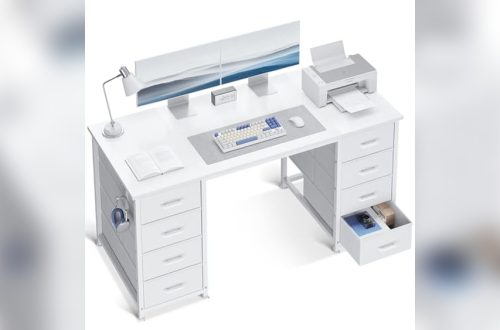
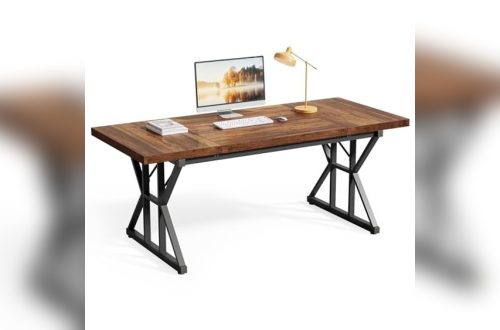
Are you wondering if you can write off a desk for your home office on your taxes? It’s a question many people working from home ask, especially now that home offices have become so common.
Knowing whether your desk qualifies as a deductible expense can save you money and reduce your taxable income. But the rules aren’t always straightforward, and making a mistake could cost you. You’ll discover exactly when and how you can claim a desk as a business expense, what the IRS looks for, and practical tips to make sure you get the deduction you deserve.
Keep reading to turn your home office setup into a smart tax move!
Home Office Deduction Basics
Understanding the basics of the home office deduction helps clarify if you can write off a desk. This deduction allows taxpayers to reduce taxable income by claiming expenses related to a home workspace. The IRS sets specific rules on eligibility and usage to qualify for this benefit. Knowing these rules saves you time and avoids errors on your tax return.
Eligibility Criteria
To claim the home office deduction, you must use part of your home for business. The space should be your workplace or where you meet clients. It applies to self-employed individuals and some employees. Your home office must be necessary and regularly used for work tasks.
Principal Place Of Business
Your home office must be your main place of business. This means you do most of your work there. It can also qualify if you use the space to meet customers or clients. If you have another office, your home office must be used substantially for work.
Exclusive And Regular Use
The IRS requires your home office to be used only for business. You cannot use the same area for personal activities. The use must be regular, not occasional or incidental. This rule ensures the deduction applies only to true workspaces.
Desk Write-off Rules
Understanding the rules for writing off a desk in your home office helps you save on taxes. The IRS has specific guidelines on what qualifies and how deductions work. Knowing these details ensures you claim the right amount without trouble.
Qualifying Desks And Furniture
The desk must be used only for your business activities. It should be in a space dedicated to work, not shared with personal use. Furniture like chairs or shelves also qualify if they support your office work. Personal or mixed-use items do not qualify for write-offs.
Depreciation Vs. Immediate Deduction
Desks and furniture are often considered assets and depreciated over time. This means you deduct a portion of the cost each year. Alternatively, you might take an immediate deduction if the cost is low enough. Choosing between these depends on the desk’s price and your tax situation.
De Minimis Safe Harbor Rule
This IRS rule lets you deduct small purchases immediately. If the desk costs less than $2,500, you can write it off in the year you buy it. This rule simplifies record-keeping and speeds up your tax benefits. Larger expenses need to follow depreciation rules instead.
Calculating Deductible Amounts
Calculating the deductible amount for a desk in your home office requires careful steps. You must figure out how much of the desk’s use is for business. This affects the total deduction you can claim on your taxes.
Understanding the method to calculate your deduction helps you avoid errors. It also ensures you get the correct amount back. Below are key points to guide you through this process.
Business Use Percentage
Calculate the percentage of your desk used for work. Measure the time or space dedicated only to business tasks. For example, if you use the desk half the time for work, your business use percentage is 50%.
This percentage applies to the desk’s cost to find your deductible amount. Only the business portion of the desk’s cost qualifies for a deduction. Keep a clear record of how you determined this percentage.
Simplified Vs. Regular Method
The IRS offers two ways to calculate home office deductions. The simplified method uses a standard rate per square foot of your office. It’s easier but might give a smaller deduction.
The regular method allows you to deduct actual expenses. This includes the cost of your desk, furniture, and repairs. It requires more detailed records but can result in a larger deduction. Choose the method that best fits your situation.
Common Expense Examples
Expenses related to your desk can include the purchase price and delivery fees. You may also deduct repairs or maintenance costs for the desk. If you buy office chairs or lamps, these can sometimes be included.
Remember, only expenses tied to your business use of the desk count. Personal use costs are not deductible. Keep receipts and records for all expenses to support your deduction claim.
Tax Implications For Employees
Employees who work from home face specific tax rules about deducting home office expenses. Understanding these rules helps avoid mistakes on your tax return. The tax code changed recently, affecting how employees can claim deductions for desks and other office furniture.
Changes In Deductibility
Since 2018, employees cannot claim home office deductions on federal taxes. The Tax Cuts and Jobs Act removed the deduction for unreimbursed employee expenses. This means you cannot write off a desk for your home office as an employee. Only self-employed individuals or business owners may qualify for these deductions.
Some states still allow deductions for home office expenses. Check your state tax laws for details. The federal rules apply to your federal tax return only. Changes in tax laws aim to simplify the tax process but limit employee deductions.
Reimbursed Vs. Unreimbursed Expenses
If your employer reimburses you for a desk or office supplies, the amount is not taxable income. Your employer can pay you back tax-free for these expenses. Keep receipts and records of all reimbursements. They prove the expenses were work-related.
Unreimbursed expenses, like buying a desk without reimbursement, are no longer deductible for employees. You cannot reduce your taxable income by these costs. Employers may offer a home office stipend or reimbursement to help with expenses.
Tax Tips For Self-employed
Managing taxes as a self-employed individual can be tricky. Knowing how to handle home office expenses like a desk helps reduce your taxable income. Smart tax tips ensure you claim what you deserve without trouble.
Claiming Furniture And Equipment
Desks and chairs used only for work qualify as business expenses. You can write off the cost if you use them regularly in your home office. Keep receipts and note the purchase date. Some items may be deducted fully in the year bought. Others might need to be depreciated over several years.
Record-keeping Best Practices
Maintain clear records of all home office purchases. Separate personal and business use to avoid confusion. Use a dedicated file or digital folder for receipts and invoices. Track the percentage of your home used for work. This helps calculate the exact deductible amount. Good records make tax filing easier and reduce audit risks.
Working With Tax Professionals
Tax laws change often and can be complex. A tax professional offers guidance tailored to your situation. They can help maximize deductions and avoid mistakes. Consult them early to plan your expenses properly. Their expertise saves time and stress during tax season.

Credit: www.carsonthorncpa.com
Common Mistakes To Avoid
Claiming a deduction for a home office desk can save money. Yet, many make errors that cause problems with the IRS. Avoiding these mistakes helps keep your tax filing smooth and correct. Below are common errors to watch out for.
Misusing The Deduction
Only claim the desk if you use it mainly for business. Personal use disqualifies the full deduction. The IRS expects the desk to serve your work, not hobbies or family activities. Claiming more than allowed can trigger audits and penalties. Keep your claim honest and accurate.
Inaccurate Business Use Claims
The IRS requires you to use the desk regularly and exclusively for business. Guessing or exaggerating your business use percentage causes trouble. Estimate your business use carefully and document it. If you share the desk with others, only claim your portion. Precise records protect you from fines.
Failing To Track Expenses
Save all receipts and invoices related to the desk purchase. Without proof, you cannot justify the deduction. Track costs for the desk, delivery, and setup separately. Mixing these expenses with unrelated items weakens your claim. Good record-keeping makes tax time easier and safer.
Additional Resources
Finding reliable information about writing off a desk for your home office is important. The right resources help you understand tax rules and avoid mistakes. Below are key tools and references to guide you through the process.
Irs Publications
The IRS offers official publications about home office deductions. Publication 587 explains what expenses qualify. It covers rules for furniture, including desks, and how to claim them. Reading these guides helps you follow the law correctly.
Home Office Deduction Calculators
Online calculators estimate your potential tax savings. They ask simple questions about your workspace size and expenses. These tools provide quick, clear results. Calculators help you decide if claiming a desk deduction is worth it.
Professional Advice Sources
Tax professionals and accountants offer personalized guidance. They understand complex tax laws and recent updates. Talking to experts can clarify doubts about your specific situation. They ensure you use all legal deductions properly.

Credit: www.carsonthorncpa.com

Credit: www.ledgerfi.co
Frequently Asked Questions
Can I Claim A Desk For A Home Office?
You can claim a desk for your home office if you use it exclusively and regularly for business purposes. Keep receipts to support your deduction.
Can You Write Off A Home Office Desk?
You can write off a home office desk if you use it regularly and exclusively for business. Deduct it as a business expense.
What Items Are Tax-deductible For Home Office?
Tax-deductible home office items include desks, chairs, computers, office supplies, and a portion of utilities and rent. Expenses must be for regular, exclusive business use.
What Is The $2500 Expense Rule?
The $2500 expense rule allows small business owners to immediately deduct business property purchases costing $2,500 or less. This simplifies tax reporting by avoiding depreciation. It applies to tangible assets used for business, like office furniture or equipment.
Conclusion
Claiming a desk for your home office depends on strict IRS rules. The desk must be used only for work and regularly. Keep good records and receipts to support your claim. Personal use or mixed use can disqualify the deduction.
Small business owners often benefit most from these write-offs. Always check the latest IRS guidelines or consult a tax expert. Doing so helps you avoid mistakes and maximize your tax savings. Understanding the rules makes home office deductions clearer and easier.