Are you wondering if your company will cover the cost of a home office desk? With remote work becoming more common, many people face the same question: who pays for the furniture that helps you work comfortably from home?
You might be surprised to learn that the answer isn’t always straightforward. Whether your employer provides a desk, reimburses you, or expects you to handle it yourself depends on several factors. Keep reading to discover what companies usually pay for, what your rights are, and how you can make the most of your home office setup without breaking the bank.

Credit: homegallerystores.com
Home Office Costs And Employer Policies
Setting up a home office often involves various costs. Desks, chairs, and other equipment can add up quickly. Employers have different policies on whether they cover these expenses. Understanding who pays for home office desks helps employees plan better. Employer policies vary widely based on company size and industry. This section explains common practices and variations around home office costs and employer support.
Who Typically Pays For Home Office Desks
Many companies expect employees to provide their own desks. Employees working remotely may buy desks themselves. Some employers offer a stipend or reimbursement for home office furniture. Others supply desks directly or through a third party. Often, companies provide desks only if required for health or safety reasons. Policies depend on company budget and work-from-home expectations.
Common Company Reimbursement Practices
Reimbursement usually requires submitting receipts or purchase proof. Some companies set a spending limit for desks and furniture. Others include desks in a general home office allowance. Some firms reimburse only specific items, like chairs or monitors, not desks. Reimbursement policies often aim to balance employee needs with cost control. Clear guidelines help avoid confusion about covered expenses.
Variations Across Industries And Company Sizes
Tech companies often offer more generous home office support. Startups may provide flexible stipends or equipment options. Large corporations might have formal reimbursement programs with strict rules. Small businesses sometimes leave furniture costs to employees. Industries with frequent remote work tend to invest more in home office setups. Company culture and remote work policies shape reimbursement decisions.
Legal Requirements For Reimbursement
Understanding the legal requirements for reimbursement helps employees and employers navigate home office expenses. These rules clarify when companies must pay for items like desks. The law does not always require reimbursement for home office furniture. It depends on various factors, including wage laws and state rules. Knowing these details prevents confusion and ensures fair treatment.
Federal Regulations On Home Office Expenses
The Fair Labor Standards Act (FLSA) guides employer reimbursements. Employers must not reduce pay below minimum wage after expenses. If buying a desk cuts wages below legal limits, reimbursement is required. Otherwise, federal law does not force companies to cover home office costs. This rule aims to protect employee earnings, not to mandate all expenses.
Minimum Wage And Expense Coverage
Employers cannot lower wages under minimum wage because of job costs. This includes expenses like desks or chairs for work. If an employee pays for these items, their pay must stay above minimum wage. Reimbursement is necessary only if expenses cause wages to drop too low. Otherwise, companies decide their own policies on home office payments.
State-level Differences
States may have stricter rules than federal law. Some states require employers to reimburse more home office costs. Others follow the federal minimum wage rule alone. Employees should check state labor laws for specific protections. Employers must comply with both federal and state regulations. This creates variation in reimbursement policies across the country.
Types Of Home Office Equipment Covered
Many companies offer support for home office setups. The types of equipment covered vary by employer and job role. Understanding what items companies usually pay for helps employees plan their workspace better.
Desks And Chairs
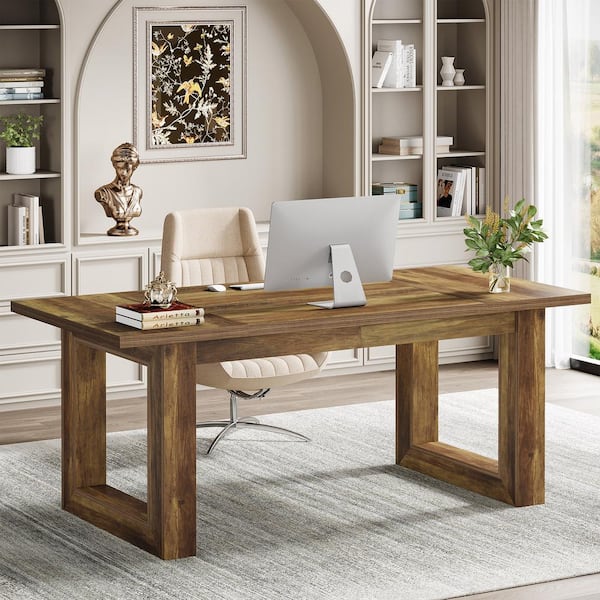
Employers often cover basic desks and chairs. They focus on ergonomic furniture to ensure comfort and health. Some companies provide standing desks or adjustable chairs for better posture. Others reimburse employees after purchase with proof of expense. This support helps create a productive work environment at home.
Technology And Accessories
Companies commonly pay for laptops, monitors, and keyboards. Headsets and webcams are also included for smooth communication. Some employers offer printers or docking stations for convenience. These tools help employees stay connected and efficient. Technology support is vital for remote work success.
Internet And Utility Allowances
Internet costs are sometimes reimbursed or partially covered. Employers may offer monthly allowances to offset higher utility bills. This helps maintain reliable connectivity during work hours. Some companies set a fixed amount, while others require receipts. These allowances reduce the financial burden of working remotely.
Credit: www.homedepot.com
How Companies Provide Support
Companies support employees working from home in several practical ways. Providing the right office furniture and equipment helps maintain productivity and comfort. Different firms choose different methods based on their policies and budgets. Here are some common ways companies offer support for home office setups.
Direct Equipment Provision
Some companies supply office desks and chairs directly to employees. They send the equipment to the employee’s home address. This method ensures workers get quality furniture suited to their tasks. It also removes the hassle of buying and claiming expenses. This option works well for companies with larger budgets or specific ergonomic standards.
Reimbursement And Stipends
Other companies give employees money back after they buy office furniture. Employees submit receipts to claim reimbursement. Sometimes, companies offer a fixed stipend to cover home office costs. This method gives workers freedom to choose their own desks and chairs. It also helps companies control expenses with clear limits.
Flexible Spending Accounts
Flexible Spending Accounts (FSAs) let employees use pre-tax dollars for home office supplies. Some companies include home office furniture as an eligible expense. Employees save money by paying with tax-free funds. This option encourages careful spending and can lower overall costs. It requires employees to plan purchases and keep receipts for proof.
Employee Tax Deductions Related To Home Offices
Employees working from home often wonder about tax deductions linked to their home office setup. Understanding these deductions can help reduce taxable income. Tax laws provide specific rules for claiming home office expenses. These rules differ based on employment status and the nature of the workspace.
Eligibility For Self-employed Individuals
Self-employed people can claim deductions for a home office. The space must be used regularly and exclusively for business. It should be the primary place of work. Shared spaces or occasional work areas usually do not qualify. Meeting these rules is key to claiming deductions safely.
Deducting Furniture And Supplies
Office furniture like desks and chairs may be deductible. These items must be used mainly for work purposes. Supplies such as paper, pens, and printer ink qualify too. Expenses must be reasonable and directly related to the business. Personal use items do not count towards deductions.
Documentation And Limits
Keeping detailed records is essential. Save receipts and proof of purchase for all home office items. Track the percentage of home used for work to calculate deductions accurately. The IRS limits how much can be deducted based on income and expenses. Proper documentation helps avoid issues during tax filing.
Negotiating Home Office Expenses With Employers
Negotiating home office expenses with employers requires clear communication and a well-prepared approach. Many companies have varying policies on covering home office costs. Understanding how to present your case can increase your chances of receiving support for office furniture like desks.
Approach the conversation with facts and focus on mutual benefits. Show how investing in your home office setup can improve your work quality and efficiency. Be ready to listen and adapt to your employer’s perspective.
Tips For Requesting Equipment Support
Start by outlining your specific needs clearly and simply. Provide examples of how the equipment will help your daily tasks. Offer to share price options to show you are mindful of costs. Keep your request professional and focused on work-related benefits.
Highlighting Productivity Benefits
Explain how a proper desk supports better posture and reduces fatigue. Emphasize that comfort boosts concentration and output. Mention reduced distractions and improved organization. Connect these points to how they help meet deadlines and improve work quality.
Understanding Company Budget Constraints
Recognize that budgets can be tight, especially for smaller companies. Show flexibility by suggesting partial reimbursement or installment plans. Offer to start with essential items and upgrade later. Demonstrating awareness of budget limits builds goodwill and trust.
Trends In Remote Work Support
Remote work is changing how companies support their employees. Many businesses now offer help to create efficient home offices. This support ranges from providing equipment to giving financial allowances. Employers see the value in comfortable workspaces at home. This shift improves employee productivity and satisfaction.
Increasing Employer Investment
More employers invest in home office setups than before. They provide desks, chairs, and other essentials. This investment helps workers stay focused and healthy. Companies understand good furniture reduces discomfort and boosts output. Some even offer ergonomic options to prevent injuries.
Standardizing Home Office Allowances
Many companies create clear policies for home office costs. They set fixed budgets for employees to buy desks and chairs. This standardization makes the process fair and simple. Employees know what to expect and how to claim expenses. It also helps employers manage budgets better.
Future Outlook For Remote Work Benefits
Support for remote work will likely grow in the coming years. More businesses might cover full home office setups. Some could include upgrades and maintenance services. This trend reflects the lasting role of remote work. Employers want to keep their teams happy and productive.

Credit: www.amazon.com
Frequently Asked Questions
Do Companies Pay For Home Office Setup?
Some companies pay for home office setup, providing equipment or reimbursements. Policies vary by employer and local laws. Employers usually cover essential tools, but not all expenses. Employees should check their company’s specific remote work policies for details on home office support.
Should My Employer Pay For My Office Chair?
Employers are not legally required to pay for office chairs. Many provide chairs or reimburse costs as a reasonable accommodation or company policy.
Do Companies Provide Equipment To Work From Home?
Many companies provide essential equipment like laptops and monitors for remote work. Some also offer desks, chairs, or reimbursements. Policies vary by employer and job role.
Can I Write Off A Desk For My Home Office?
You can write off a desk for your home office if you are self-employed and use the space regularly for work. The desk must be necessary and used exclusively for business to qualify for a tax deduction. Keep receipts and accurate records for the deduction.
Conclusion
Many companies offer some support for home office desks. Policies vary depending on the employer and job role. Some provide full reimbursement, others only partial or no payment. Employees should check with their HR department about available options. Remember, employers must cover costs only if wages drop below minimum wage after expenses.
For freelancers, tax deductions can help offset home office furniture costs. Understanding your company’s policy helps you plan your workspace budget better. Ultimately, clear communication with your employer ensures you get the support you need.