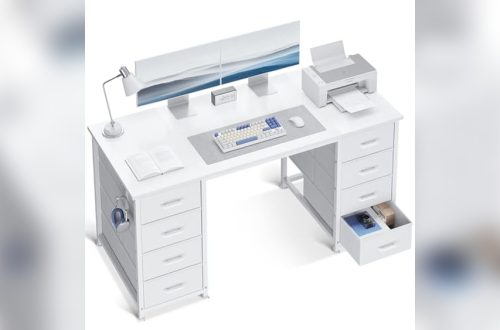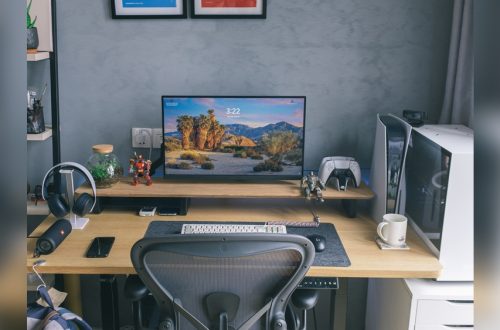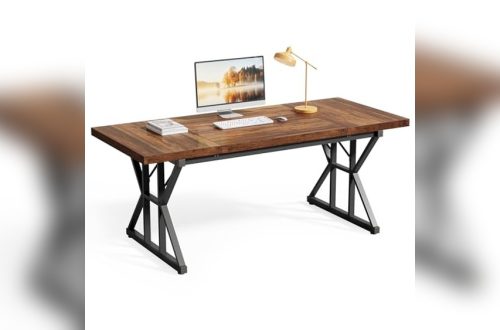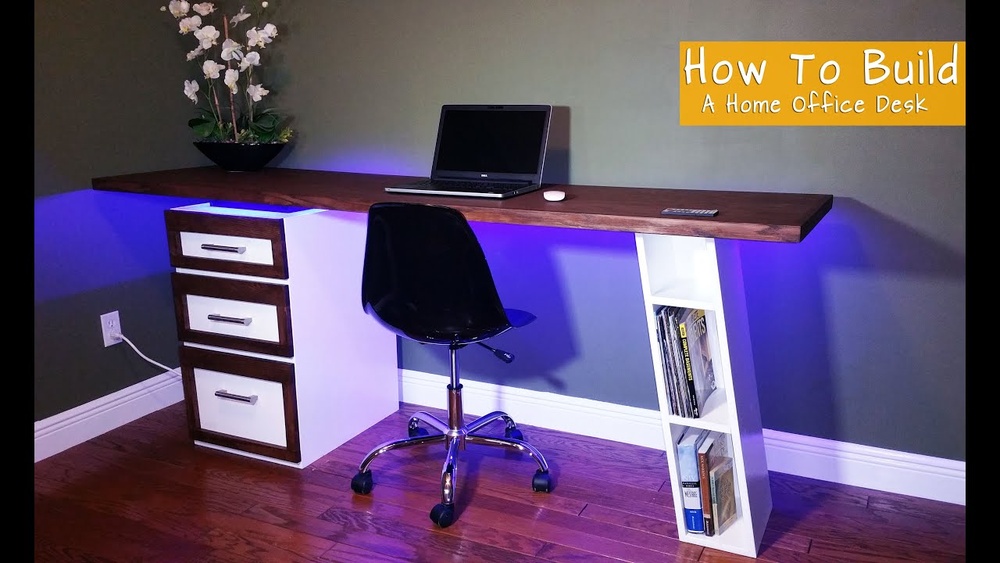
Are you tired of searching for the perfect office desk that fits your space, style, and budget? Why not create one yourself, right at home?
Building your own office desk gives you complete control over its size, design, and materials. Plus, it can be a fun and rewarding project that transforms your workspace into a place you truly enjoy. In this guide, you’ll discover simple steps to make a sturdy, stylish desk without needing expert skills or expensive tools.
Ready to take charge of your work area and craft a desk tailored just for you? Let’s get started!
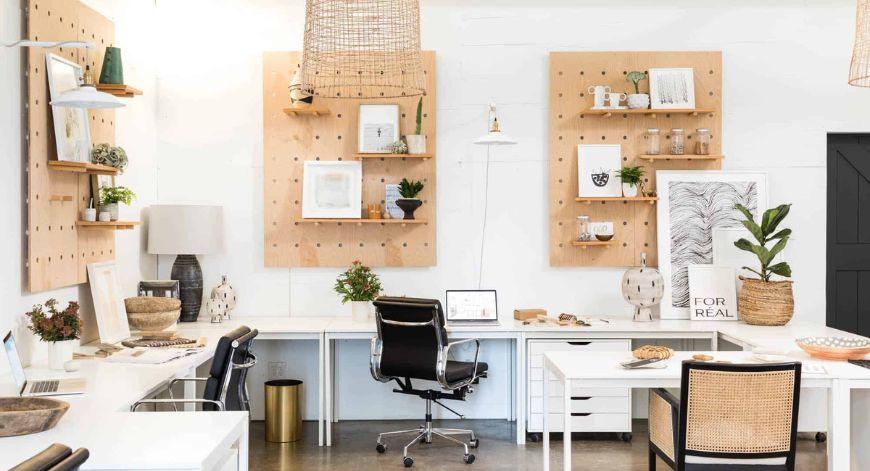
Credit: haywoodofficeservices.co.uk
Planning Your Desk
Planning your desk is the first step in creating a workspace that fits your needs. Careful thought helps avoid mistakes and saves money. Good planning makes the building process smoother and faster.
Consider the space you have and how you want to use your desk. This helps you decide on the right size and materials. Taking time to plan ensures your desk will be practical and comfortable.
Measuring Your Space
Start by measuring the area where the desk will go. Use a tape measure and write down the width, depth, and height. Check for any obstacles like doors, windows, or heaters.
Allow extra room for moving around and placing chairs. Think about nearby power outlets for your computer and lamps. Accurate measurements help you build a desk that fits perfectly.
Choosing Desk Dimensions
Decide on desk dimensions that suit your work style. A common desk height is about 29 to 30 inches. The width and depth depend on what you will put on the desk.
For a laptop or small workspace, a width of 40 to 48 inches works well. If you need space for multiple monitors, add more width. Depth should be at least 24 inches for comfort.
Selecting Materials
Pick materials that match your budget and style. Wood is popular for its look and strength. Pine is affordable, while oak and maple are more durable.
Engineered wood is a budget-friendly choice and resists warping. Metal legs add stability and a modern touch. Consider laminate surfaces for easy cleaning and low cost.
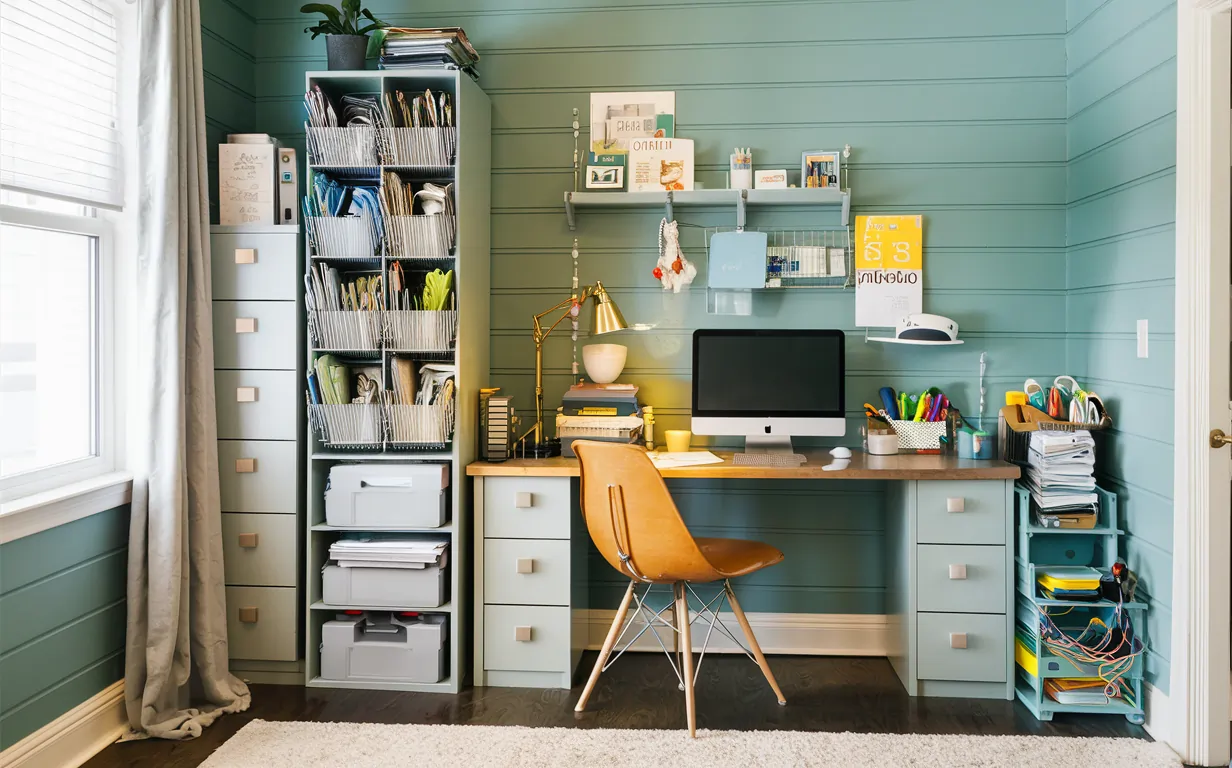
Credit: foyr.com
Gathering Tools And Supplies
Gathering the right tools and supplies is the first step to making an office desk at home. Having everything ready helps the building process go smoothly. It also makes the project safer and more enjoyable. Here is a simple guide to what you will need.
Basic Power Tools Needed
A few power tools make desk building easier and faster. A circular saw or jigsaw is useful for cutting wood. A drill helps with making holes and driving screws. A sander smooths the wood surface for a clean finish. A screwdriver set is handy for smaller screws. These tools cover most basic desk-building tasks.
Recommended Materials For Beginners
Start with easy-to-work materials. Plywood is strong and affordable. It cuts and sands easily. Pine wood is soft and good for beginners. Use wood screws to hold pieces together firmly. Wood glue adds extra strength. Choose paint or stain to finish your desk. These materials are beginner-friendly and widely available.
Safety Gear Essentials
Safety gear protects you while working with tools. Always wear safety glasses to shield your eyes. Use ear protection to avoid loud noises. Wear gloves to protect your hands from splinters and cuts. A dust mask keeps you from breathing sawdust. Proper safety gear keeps your workspace safe and comfortable.
Cutting And Preparing Wood
Cutting and preparing wood is a key step in making your office desk at home. This process shapes your materials to fit your design perfectly. Proper preparation ensures a smooth finish and sturdy desk. Precision and safety matter most during these tasks.
Marking Your Wood
Start by measuring your wood pieces carefully. Use a pencil and a ruler to mark cutting lines clearly. Double-check all measurements before cutting. Straight and accurate marks guide your saw for clean cuts. Avoid rushing this step to prevent mistakes.
Using A Circular Saw Safely
Wear safety goggles and gloves before cutting wood. Keep your hands away from the saw blade. Secure the wood firmly to prevent movement. Cut slowly along your marked lines for better control. Turn off the saw before adjusting or moving your wood.
Sanding Techniques
Sand all cut edges to remove splinters and rough spots. Start with coarse sandpaper to smooth large imperfections. Follow with fine sandpaper for a polished finish. Sand in the direction of the wood grain. Clean dust off the wood before assembly or painting.
Assembling The Desk
Assembling your office desk at home is a rewarding step. It brings all your preparation to life. This stage requires focus and patience. Each part must fit well for a strong desk. Follow clear steps to build a desk that lasts.
Work on a clean surface with all tools at hand. Check your pieces before you start. This helps avoid mistakes and saves time. Let’s break down the assembly into simple tasks.
Joining Boards Together
Start by aligning the boards for the desktop. Use wood glue along the edges for a strong bond. Press the boards together firmly. Clamp them to keep the boards tight while drying. Check for any gaps between boards. Wipe off any extra glue with a damp cloth. Let the glue dry fully before moving on.
Securing The Frame
Attach the legs to the desktop frame next. Use screws or brackets for a solid hold. Drill pilot holes first to avoid splitting the wood. Make sure each leg is straight and even. Tighten screws securely but do not overdo it. The frame must support your desktop weight safely.
Adding Support And Stability
Add cross supports between the legs to prevent wobbling. Use sturdy wood pieces cut to size. Fix these supports with screws or nails. Check the desk for any movement. Adjust and tighten fasteners as needed. A stable desk feels solid and safe to use.
Finishing Touches
Finishing touches bring your homemade office desk to life. These final steps protect the wood and enhance its look. They also add personality and function. Spend time on this part for a desk you will love and use every day.
Painting Vs Staining
Painting gives your desk a solid color and hides wood grain. It creates a modern or bright look. Staining shows the wood’s natural beauty and grain. It adds warmth and a classic feel. Choose paint for a bold style. Pick stain to highlight wood texture.
Applying Protective Coatings
Protective coatings guard your desk from scratches and spills. Polyurethane is a popular clear coat that lasts long. Apply two or three thin layers for the best defense. Let each layer dry before adding the next. This step keeps your desk looking new for years.
Adding Desk Accessories
Accessories make your desk more useful and personal. Add organizers for pens, papers, and gadgets. A small lamp improves lighting for work. Use cable holders to keep wires neat. Personal touches like plants or photos create a cozy space.
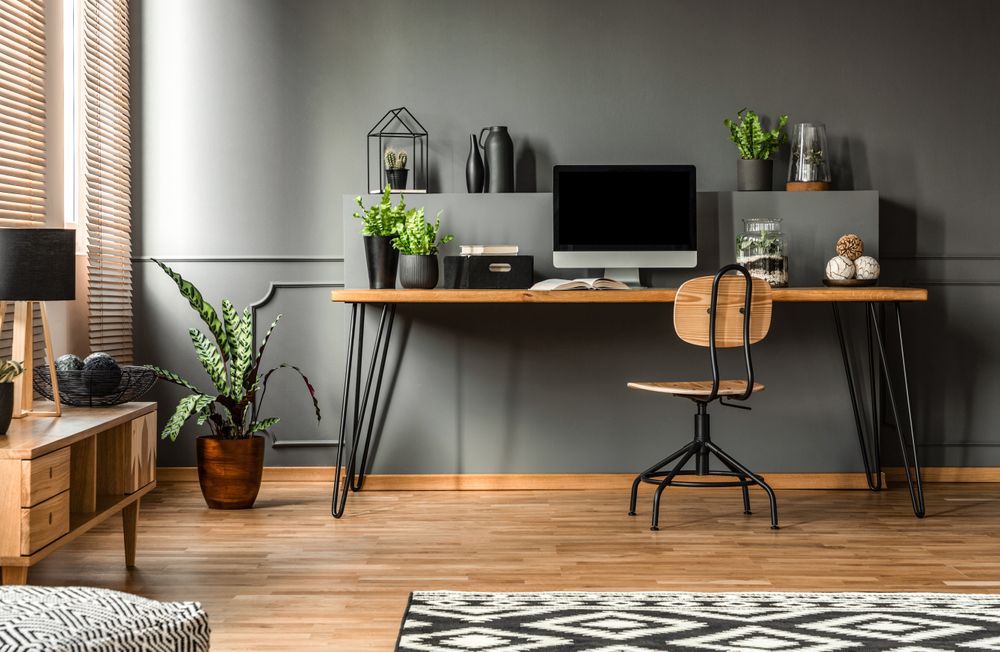
Credit: www.bestar.com
Budget-friendly Desk Ideas
Creating a home office desk does not have to drain your wallet. Budget-friendly desk ideas can help you build a workspace that suits your needs and saves money. With simple materials and creative design, you can craft a desk that fits your home and style.
Focus on using materials you already have or find cheaply. Choose affordable surfaces and easy-to-build frames. These choices reduce costs without losing quality or function.
Using Repurposed Materials
Repurposed materials give a unique look and keep costs low. Old doors, wooden pallets, or scrap wood work well. Sand and paint to refresh their appearance. This method cuts down waste and creates a desk with character. It also lets you customize size and shape easily.
Affordable Countertop Options
Countertops can make great desk surfaces. Laminate countertops are inexpensive and come in many colors. They are durable and easy to clean. You can find them at home improvement stores or online. Cut to size and add simple supports underneath for stability.
Diy Pipe And Wood Desk
Combining wood and pipe fittings creates a sturdy and stylish desk. Use wooden planks for the top and metal pipes for legs. Pipes are affordable and available in hardware stores. Assemble the frame with pipe connectors and screws. This desk looks modern and can be built quickly.
Customizing Your Workspace
Customizing your workspace is key to creating a desk that fits your needs perfectly. A personalized desk helps you stay organized and comfortable. It also makes work more enjoyable and productive.
Focus on adding storage, decor, and ergonomic features. These elements will transform a simple desk into a functional and inviting area.
Incorporating Storage Solutions
Storage keeps your desk tidy and clutter-free. Use drawers or shelves to store office supplies. Small containers or organizers help separate items clearly. Consider vertical storage to save desk space. A clean desk means better focus and less stress.
Personalizing With Decor
Decor adds character to your workspace. Choose items that inspire you, like photos or artwork. A small plant can brighten the area and improve air quality. Pick colors that calm or energize you. Keep decor simple to avoid distractions during work.
Optimizing Ergonomics
Ergonomics supports your body while working long hours. Adjust chair height so feet rest flat on the floor. Keep your screen at eye level to avoid neck strain. Use a keyboard and mouse that fit your hands comfortably. A good setup reduces pain and boosts productivity.
Frequently Asked Questions
How To Create An Office Desk?
Measure your space and choose desk size. Cut and sand wood pieces. Assemble with glue or screws. Finish with paint or stain.
Can I Build A Desk By Myself?
Yes, you can build a desk yourself using basic tools and materials like plywood. It’s beginner-friendly with patience and planning.
What Is The Best Material For A Diy Desk?
Hardwoods like oak and maple offer durability and a classic look for DIY desks. Engineered wood and metal provide strong, budget-friendly alternatives. Choose based on strength, style, and budget for the best DIY desk material.
What Is The Best Cheap Countertop For A Desk?
The best cheap countertop for a desk is laminate. It’s affordable, durable, low-maintenance, and available in many styles. Laminate mimics expensive surfaces without the high cost, making it ideal for budget-friendly DIY desks.
Conclusion
Creating an office desk at home can be simple and rewarding. Start with clear measurements and good materials. Take your time cutting and assembling each part carefully. Sand and finish the desk to make it smooth and durable. A homemade desk can fit perfectly in your space and budget.
With patience, you can enjoy a functional workspace made by your own hands. Keep your tools ready and follow the steps one by one. Your perfect home office desk is within reach.