Creating your own home office desk and hutch might sound like a big project, but it’s easier than you think—and the results are totally worth it. Imagine having a workspace tailored exactly to your needs, with plenty of storage right where you want it.
Whether you’re tired of clutter or struggling to find the perfect desk, building your own gives you full control over size, style, and functionality. In this guide, you’ll discover simple steps to design and build a beautiful, practical desk and hutch that fit your space perfectly.
Ready to transform your home office into a more organized, inspiring place? Let’s dive in and get started!
Planning Your Desk And Hutch
Planning your desk and hutch is the first step to a successful DIY project. Careful preparation saves time and avoids mistakes. It lets you create a workspace that fits your needs perfectly. Think about how you will use your desk. Consider the style that suits your room. Plan storage space in the hutch for easy access to your items.
Choosing The Right Design
Select a design that matches your work habits. Simple designs work well for small spaces. Larger desks with more storage fit bigger rooms. Decide if you want open shelves or cabinets in the hutch. A clean, modern look or a classic style? Pick what feels right for your home office.
Measuring Your Space
Measure the area where the desk will go. Note the width, depth, and height limits. Check for outlets, windows, and doors nearby. Make sure there is enough room to move around. Use these measurements to pick the right desk size. Accurate measuring helps avoid problems later.
Selecting Materials And Tools
Choose materials that are strong and look good. Common options include plywood, hardwood, or MDF boards. Consider the finish: paint, stain, or laminate. Gather tools like a saw, drill, screws, and sandpaper. Using quality tools makes the build easier. Prepare everything before starting to build.
Building The Desk Base
Building the desk base is the first key step in creating your home office desk and hutch. A strong base ensures your desk will hold up over time. Focus on precise cuts and solid assembly. This foundation supports all parts of your desk and hutch.
Follow simple steps to prepare wood, build the frame, and add stability. Careful work here saves effort later and results in a durable desk.
Cutting And Preparing Wood
Select quality wood like pine or oak for durability. Measure twice and cut once to avoid mistakes. Use a saw to cut the wood into pieces for the desktop, legs, and frame. Sand all edges smooth to prevent splinters. Clean the wood surface to remove dust before assembly.
Assembling The Frame
Start by joining the legs to the desktop frame. Use wood screws and wood glue for a strong bond. Check that all corners are square using a carpenter’s square. Tighten screws evenly to keep the frame balanced. Attach crosspieces between legs to create a solid rectangle.
Adding Support And Stability
Add extra braces under the desktop to stop wobbling. Attach diagonal supports between legs and frame. These braces keep the desk steady during use. Check the desk base on a flat surface to ensure it does not rock. Adjust or add shims if needed for perfect stability.
Constructing The Hutch
Constructing the hutch adds valuable storage and style to your home office desk. It creates space for books, supplies, and decor. Building the hutch yourself allows customization to fit your needs perfectly. Follow simple steps to design, build, and attach your hutch securely.
Designing Storage Compartments
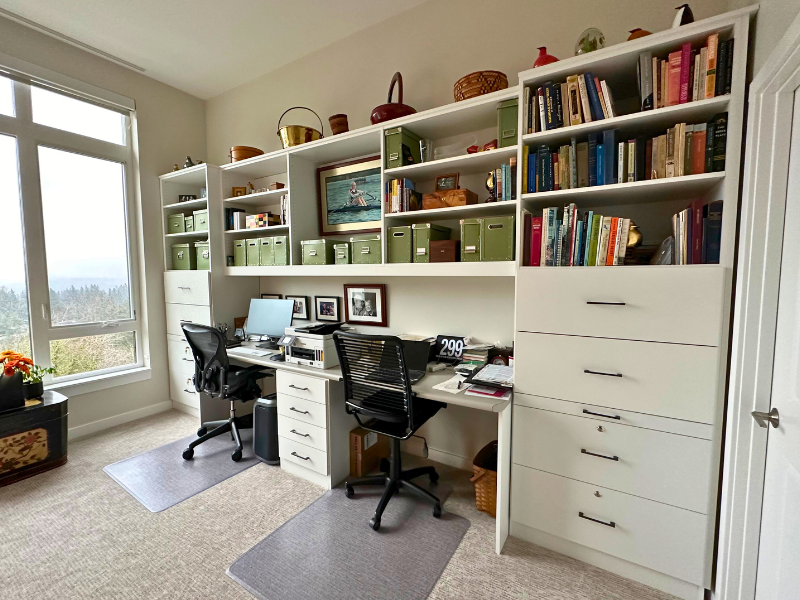
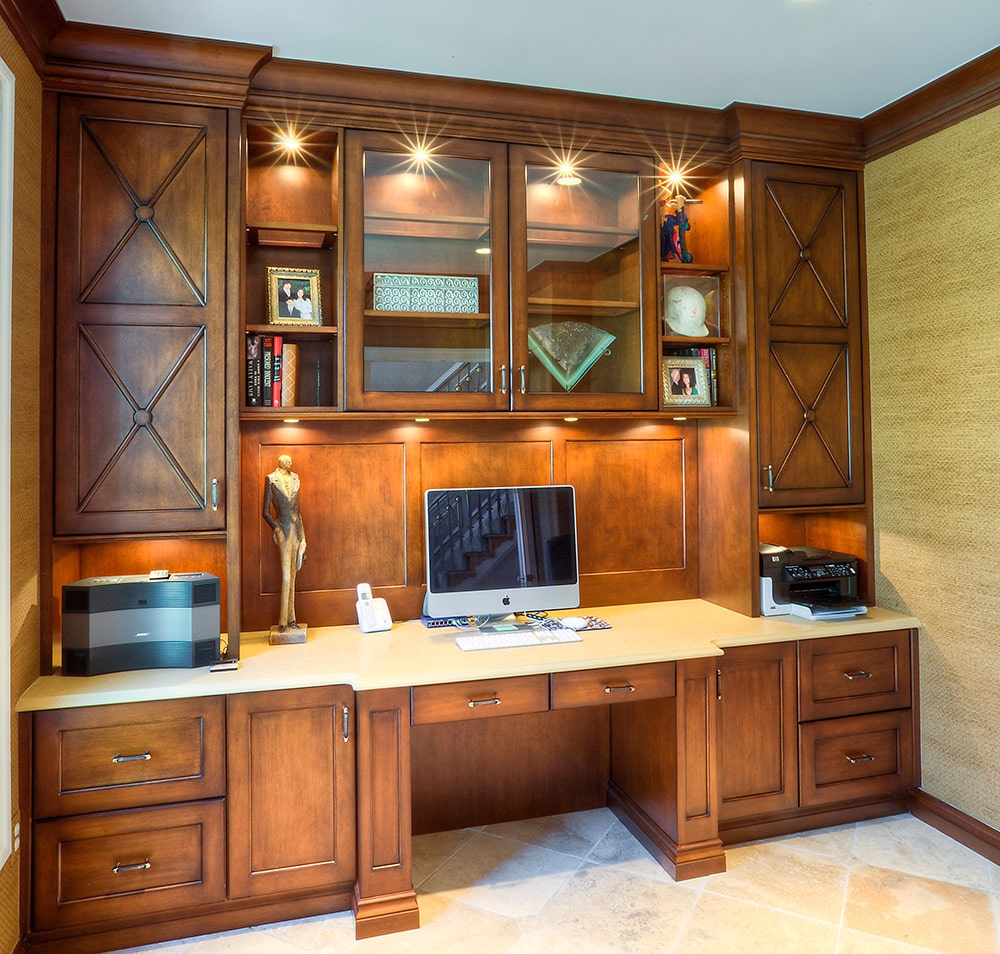
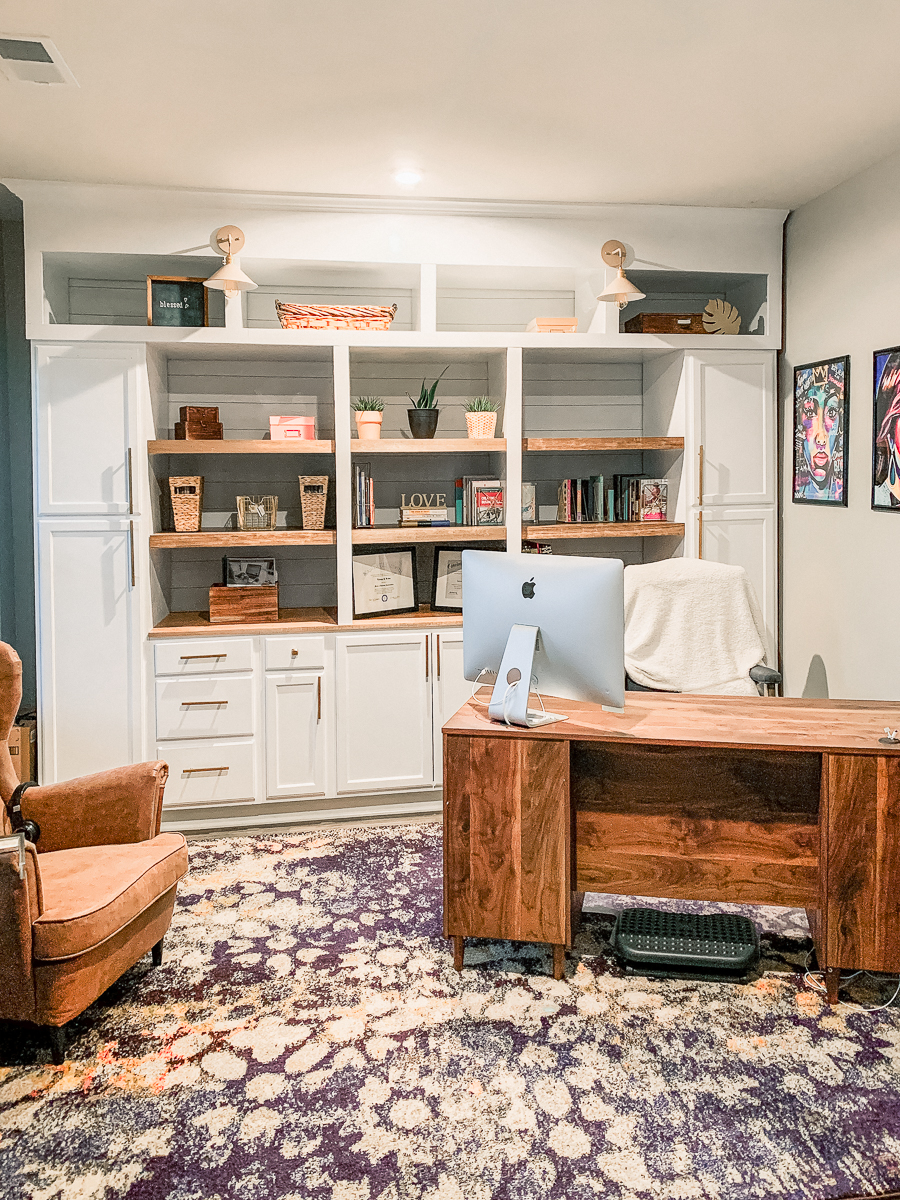
Plan the compartments based on what you want to store. Use a mix of open shelves and closed cabinets. Open shelves keep frequently used items visible and accessible. Cabinets hide clutter and protect items from dust. Measure your desk width and height to fit the hutch properly. Sketch a simple layout before cutting any wood.
Building Shelves And Cabinets
Cut wood panels according to your design measurements. Assemble shelves by joining panels with wood glue and screws. For cabinets, build box frames with doors attached by hinges. Sand all surfaces smooth for a clean finish. Paint or stain the wood to match your desk. Let pieces dry completely before moving on to assembly.
Attaching The Hutch To The Desk
Place the hutch on top of the desk carefully. Use clamps to hold it steady and aligned. Drill pilot holes through the hutch base into the desk surface. Secure the hutch with wood screws from underneath. Check for stability by gently shaking the hutch. Add brackets inside for extra support if needed. Your hutch is now ready to organize your workspace.
Credit: portlandcloset.com
Finishing Touches
Finishing touches bring your home office desk and hutch to life. They create a smooth, polished look. Careful finishing protects your work for years. Follow these steps to complete your project with pride.
Sanding And Smoothing Surfaces
Start with sanding all surfaces carefully. Use medium-grit sandpaper to remove rough spots. Follow with fine-grit sandpaper for a smooth finish. Sand edges and corners to avoid splinters. Clean dust with a damp cloth before moving on.
Applying Paint Or Stain
Choose paint or stain that matches your room’s style. Apply thin coats evenly with a brush or cloth. Let each coat dry completely before adding another. Stain enhances wood grain, while paint offers color variety. Seal your work with a clear finish for durability.
Installing Hardware And Accessories
Select hardware like handles, knobs, and hinges to complement your design. Attach pieces carefully, using proper screws and tools. Add accessories such as drawer dividers or cable organizers. These small details improve function and style greatly.
Maximizing Organization
Maximizing organization in your home office desk and hutch keeps your workspace tidy and efficient. A well-organized desk helps you focus and saves time. Thoughtful design choices improve your workflow and reduce clutter.
Incorporating Cable Management
Messy cables distract and create clutter. Plan cable routes when building your desk and hutch. Drill small holes at the back to guide wires. Use cable clips or sleeves to bundle cords. This keeps cables hidden and untangled. It also makes cleaning easier.
Adding Drawer Dividers
Drawers can become a jumble without dividers. Add simple wooden or plastic dividers inside drawers. Separate pens, paper clips, and other supplies. This keeps items easy to find and prevents mixing. Custom dividers fit your needs perfectly. They save space and keep drawers neat.
Using Vertical Space Efficiently
Vertical space above your desk is valuable. Add shelves or compartments in the hutch for books and files. Use hooks under shelves for headphones or keys. Stack storage boxes to hold documents or tools. This frees up your desktop and keeps essentials close. Vertical organization makes your workspace cleaner and larger.
Customizing For Your Needs
Customizing your home office desk and hutch lets you create a space that truly fits your work style. Tailoring the design to your specific needs boosts comfort and productivity. Each part of your setup can be adjusted or designed to suit your daily tasks and preferences.
Focus on key areas like height, ergonomic features, and personal style. This ensures your workspace feels inviting and works well for you. Thoughtful customization turns a simple desk into a powerful tool for your workday.
Adjusting Height And Dimensions
Set the desk height to match your chair and body size. A proper height reduces strain on your back and shoulders. Measure your elbow height while sitting, then adjust the desk accordingly. Consider the width and depth to fit your room and tools. Leave enough space for your computer, paperwork, and other items. Custom dimensions make your workspace comfortable and practical.
Incorporating Ergonomic Features
Add features that support good posture and reduce fatigue. Include a keyboard tray to keep wrists straight. Design a monitor shelf at eye level to avoid neck strain. Add cable management to keep cords tidy and out of the way. Ergonomic details help maintain comfort during long work hours.
Personalizing Style And Color
Choose colors and finishes that match your taste and room decor. Paint or stain the wood for a unique look. Add decorative handles or trim for extra character. Personal touches make your desk feel like your own space. A stylish desk can inspire creativity and improve mood.
Maintenance And Durability
Maintaining your home office desk and hutch is key to keeping them strong and looking good. A well-cared-for desk lasts longer and stays useful. Simple steps can protect your investment and save money on repairs. Regular care also keeps the wood and finishes in top condition.
Cleaning Tips
Dust your desk and hutch often with a soft cloth. Use a damp cloth for sticky spots, but avoid soaking the wood. Mild soap and water work well for most surfaces. Dry everything quickly to stop water damage. Avoid harsh chemicals; they can ruin the finish. Clean glass or metal parts with suitable cleaners to keep them shiny.
Repairing Minor Damage
Fix small scratches with a wood touch-up marker or crayon. For dents, try a damp cloth and iron to steam the wood back to shape. Tighten loose screws or hinges to keep the hutch steady. Use wood filler for tiny holes or chips, then sand smooth. Regular checks help catch problems early before they get worse.
Extending Lifespan
Keep your desk away from direct sunlight to avoid fading. Avoid placing heavy items on shelves to prevent sagging. Use coasters under drinks to stop stains and rings. Control room humidity to prevent wood warping or cracking. Apply a fresh coat of polish or wax once a year for protection and shine.
Credit: jackrosen.com
Credit: kenyarae.com
Frequently Asked Questions
Can You Add A Hutch To A Desk?
Yes, you can add a hutch to a desk by securely attaching it using screws or brackets for extra storage and organization.
What Is A Desk With A Hutch Called?
A desk with a hutch is called a hutch desk. It combines a workspace with vertical storage above the desktop. This design maximizes space and improves organization.
Is A Desk Hutch Worth It?
A desk hutch is worth it for saving space, enhancing organization, and adding style to your workspace. It maximizes vertical storage effectively.
Can I Make My Own Desk At Ikea?
Yes, IKEA lets you customize desks by mixing tabletops, legs, and storage for a personalized workspace.
Conclusion
Building your own home office desk and hutch saves money and adds personal touch. You control the size, design, and storage options. Using simple tools and clear steps makes the process easier. A custom desk helps keep your workspace neat and efficient.
Enjoy the satisfaction of creating furniture that fits your needs perfectly. Start small, be patient, and learn with each step. Your ideal home office is just a project away.