Choosing the right desk for your home office is more than just picking a piece of furniture. It’s about creating a space where you feel productive, comfortable, and inspired every day.
You want a desk that fits your room perfectly, supports your work style, and helps you stay focused without distractions. But with so many options out there, how do you know which desk is the best for you? Keep reading, and you’ll discover simple tips and smart choices to find the perfect desk that transforms your home office into a place you love to work in.
Credit: www.apartmenttherapy.com

Desk Types
Choosing the right desk for a home office depends on space, work habits, and comfort. Different desk types offer unique benefits. Understanding each type helps you pick a desk that suits your needs. Below are some common desk styles used in home offices.
Traditional Desks
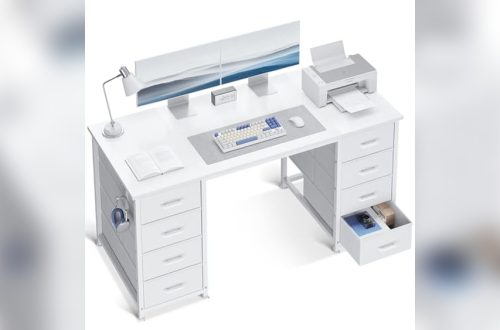
Traditional desks have a classic design with drawers and a flat surface. They often come in wood or metal finishes. These desks provide ample space for writing and computer work. Storage options help keep office supplies organized. Ideal for those who prefer a timeless look and practical features.
Standing Desks
Standing desks allow you to work while standing or sitting. They help reduce sitting time and improve posture. Many models have adjustable heights for flexibility. Perfect for users who want to move more during the day. They promote better health and increased energy.
L-shaped Desks
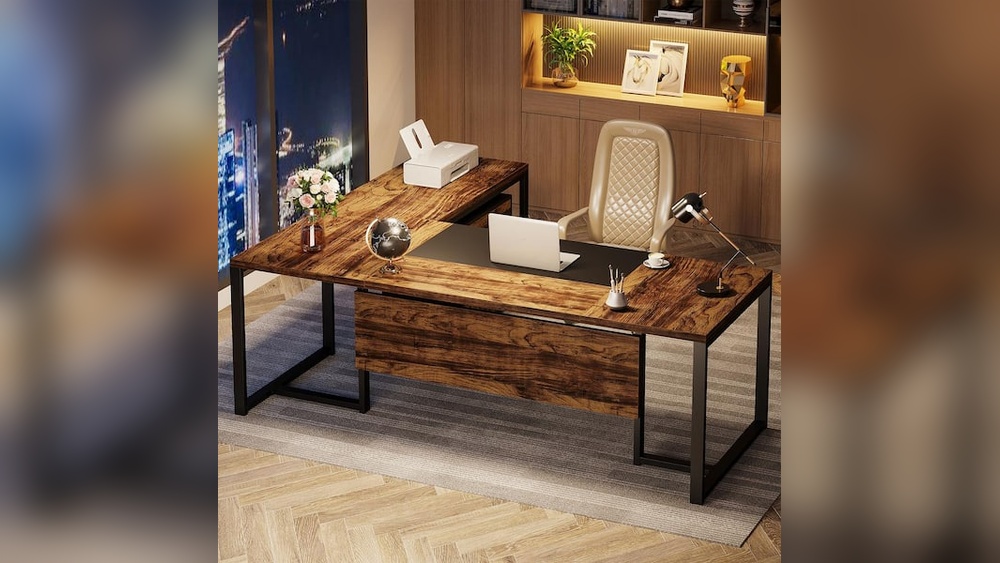
L-shaped desks fit into corners and offer two work surfaces. This design maximizes room space and keeps everything within reach. Great for multitasking or using multiple monitors. Suitable for larger rooms or open layouts. They create a professional and efficient workspace.
Compact Desks
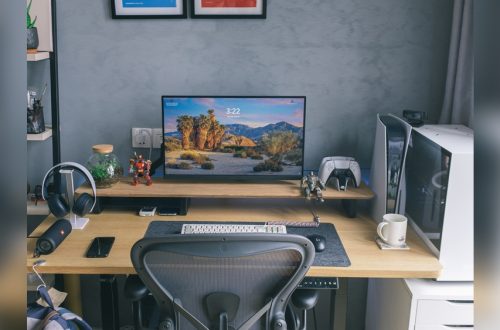
Compact desks are small and space-saving. They work well in tight spaces or apartments. Despite their size, many have shelves or small drawers for storage. Ideal for minimalists or those with limited room. These desks provide just enough surface for a laptop and essentials.

Credit: www.amazon.com
Size And Space
Choosing the right desk size for a home office is key to a comfortable workspace. The desk must fit well in the room and leave enough space to move freely. Proper size and space help keep the area neat and boost productivity.
Room Dimensions
Measure the room before buying a desk. Know the length, width, and height of the space. This helps avoid buying a desk that is too big or too small. Consider doors, windows, and other furniture. Leave enough space to walk around easily. A good rule is to leave at least 3 feet of clearance around the desk.
Desk Size Options
Desks come in many sizes. Small desks fit tight spaces and provide basic work areas. Medium desks offer more surface for computers and papers. Large desks give plenty of room for multiple monitors and extra equipment. Choose a desk size that matches your work needs and room size. A bigger desk is not always better if it crowds the room.
Space-saving Ideas
Use space-saving desks in small rooms. Wall-mounted desks free floor space. Corner desks fit into unused corners and use space smartly. Desks with shelves or drawers reduce the need for extra storage. Foldable desks can be put away when not in use. These ideas help make the most of limited space without losing comfort.
Material Choices
Choosing the right material for your home office desk affects style, durability, and comfort. Each material offers unique benefits and fits different needs. Consider your workspace and personal taste to find the best match.
Wood Desks
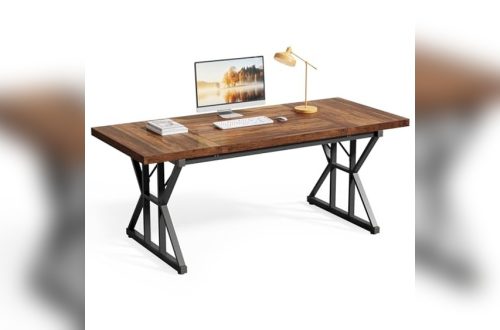
Wood desks bring warmth and classic beauty to any room. They are sturdy and last for years with proper care. Solid wood can handle heavy use and offers a natural, rich look. Wooden desks often come in various finishes, fitting many decor styles.
Metal Desks
Metal desks provide a modern, industrial feel to your workspace. They are strong and resist damage well. Metal frames often support glass or wood tops for added style. These desks are easy to clean and maintain, perfect for busy workdays.
Glass Desks
Glass desks create a sleek and open look in your office. They reflect light, making small rooms feel larger. Glass surfaces are smooth and simple to wipe clean. Tempered glass is strong and safe for daily use but may show fingerprints.
Composite Materials
Composite desks combine wood fibers, plastic, or metal for cost-effective options. They often mimic the look of wood at a lower price. These desks are lightweight and easy to move. Some composites resist scratches and moisture better than natural wood.
Desk Placement
Choosing the right desk placement in your home office affects your comfort and productivity. The position influences natural light, distractions, and space use. Consider where to place your desk for the best work environment.
Facing The Window
Placing your desk facing the window brings in natural light. This setup helps reduce eye strain and boosts mood. Enjoying an outside view can refresh your mind during breaks. Avoid glare by using blinds or curtains. This position suits those who like daylight and scenery while working.
Facing The Wall
Facing the wall creates a focused workspace with fewer distractions. It helps keep your attention on tasks without interruptions. This setup works well in small rooms or shared spaces. Add shelves or corkboards above the desk for organization. It is a simple and practical choice for many home offices.
Side Window Placement
Placing the desk next to a window balances light and focus. Natural light comes from the side, reducing glare on screens. This position allows for good airflow and comfort. It suits workers who want light without direct sunlight in their eyes. Use curtains to control brightness as needed.
Ergonomics
Ergonomics plays a crucial role in choosing the right desk for your home office. It focuses on creating a comfortable workspace that supports your body and reduces strain. A well-designed desk helps maintain good posture and prevents aches and pains. Prioritizing ergonomics improves productivity and overall well-being during work hours.
Proper Desk Height
The desk height should match your body size to avoid discomfort. Ideally, your desk surface should be at elbow height when sitting. This alignment helps keep your arms at a 90-degree angle. Too high or too low desks cause shoulder and neck pain. Adjustable desks offer flexibility for different users and tasks.
Chair Compatibility
Your desk and chair must work well together. The chair should fit under the desk easily without forcing you to slouch. Ensure there is enough legroom to move comfortably. A good office chair supports your lower back and encourages upright posture. Matching desk and chair heights reduces strain on your joints.
Posture Tips
Sitting straight with feet flat on the floor is key. Keep your back pressed against the chair for support. Your screen should be at eye level to avoid neck bending. Take short breaks to stretch and change positions often. Proper posture lessens fatigue and helps maintain focus during work.
Storage Options
Choosing the right desk for your home office means thinking about storage. Storage helps keep your workspace neat and organized. It makes work easier and reduces stress. Different desks offer various storage options. Knowing these options helps you pick a desk that fits your needs.
Built-in Drawers
Built-in drawers keep essential items close. You can store pens, papers, and gadgets in them. They hide clutter and protect items from dust. Drawers come in different sizes and numbers. Pick a desk with enough drawers for your supplies.
Shelving Units
Shelving units provide open storage space. They hold books, files, and decor. Shelves make it easy to find things fast. Some desks have shelves underneath or above the surface. Choose shelves that match your room size and style.
Cable Management
Cable management keeps wires tidy and out of sight. Good desks have holes or channels for cables. This prevents tangles and keeps your desk clean. Managing cables reduces accidents and saves time. Look for desks with built-in cable organizers for a neat setup.
Style And Aesthetics
Choosing the right desk for your home office is not only about function. Style and aesthetics play a big role in creating a workspace you enjoy. A desk that fits your taste can boost your mood and productivity. It also sets the tone for your entire room. Consider the design, color, and overall look before buying.
Modern Designs
Modern desks often feature clean lines and simple shapes. They use materials like metal, glass, and light wood. These desks fit well in minimalist and contemporary spaces. They create an open and uncluttered feel. Some modern desks have smart storage options. This helps keep your workspace tidy and organized.
Classic Looks
Classic desks offer a timeless charm. They usually come in rich wood finishes like mahogany or cherry. These desks have detailed craftsmanship and traditional shapes. They bring warmth and elegance to your home office. Classic desks suit those who prefer a more formal or vintage style. They often include drawers and compartments for extra storage.
Color Coordination
Color matters in creating harmony in your office. Choose a desk color that matches or complements your walls and furniture. Light colors make small rooms appear bigger and brighter. Darker desks add a sense of depth and sophistication. Neutral tones like white, gray, or beige fit almost any decor. Bold colors can make your desk a statement piece.
Budget Considerations
Choosing the right desk for your home office depends greatly on your budget. Setting a clear budget helps narrow down options and focus on desks that fit your financial plan. It also ensures you get the best value without overspending. Understanding different price ranges guides you in making smart choices for your workspace.
Affordable Choices
Affordable desks offer practical solutions for tight budgets. Many desks under $150 provide solid build and simple designs. Materials like particleboard and laminate keep costs low. These desks often come in compact sizes, ideal for small spaces. They suit basic work needs without extra features.
Mid-range Options
Mid-range desks usually cost between $150 and $500. They combine better materials and more stylish designs. Options include solid wood veneers and metal frames. Many feature extra storage like drawers or shelves. These desks balance durability and aesthetics well.
High-end Desks
High-end desks start around $500 and can go much higher. These desks use premium wood, metal, or glass materials. They offer advanced ergonomics and customizable options. Designs often focus on elegance and long-term comfort. Investing in a high-end desk suits those who spend many hours working.
Popular Brands
Choosing the right desk is key for a productive home office. Popular brands offer a wide range of desks. They vary in style, size, and price. This helps you find the perfect fit for your workspace and budget.
These brands provide quality desks that suit different needs. Many have options for small or large spaces. Some desks come with storage or adjustable features. Exploring popular brands can simplify your decision.
Ikea
IKEA is known for affordable and stylish desks. Their designs suit modern and minimalistic offices. Popular models include the Micke and Lagkapten Alex desks. These desks offer good storage and workspace.
IKEA desks are easy to assemble and durable. They come in various sizes to fit any room. Many customers praise their functionality and clean look.
Home Depot
Home Depot offers a range of desks for home offices. Their collection includes classic and contemporary styles. Desks here often feature sturdy build and useful storage.
Prices at Home Depot are competitive, with frequent discounts. Delivery options make shopping convenient. They also carry adjustable and computer desks for specific needs.
Wayfair
Wayfair has a vast selection of desks in many styles. From executive to compact desks, they cover all needs. Wayfair often offers sales and free shipping.
Their desks include L-shaped and corner designs. These maximize workspace in smaller rooms. User reviews help find desks with good quality and value.
Office Depot
Office Depot specializes in office furniture with professional appeal. Their desks are designed for comfort and efficiency. Executive and traditional styles are popular choices.
Office Depot desks often include extra storage and cable management. Prices are reasonable, with occasional promotions. Delivery and pickup options add convenience.

Credit: www.amazon.com
Additional Features
Choosing a home office desk with the right additional features can boost your productivity and comfort. These extras often make daily tasks easier and keep your workspace neat. Think about what features fit your work style and space best.
Adjustable Desks
Adjustable desks let you change the height to suit sitting or standing. This flexibility helps reduce back pain and improves focus. Many models have simple controls for quick height changes. They fit well in any home office setup.
Built-in Charging Ports
Desks with built-in charging ports keep your devices powered and ready. USB and power outlets on the desk surface cut down on cable clutter. This feature saves time and keeps your workspace organized. Ideal for those with many gadgets.
Multi-functional Desks
Multi-functional desks offer extra storage or convertible designs. Some include shelves, drawers, or fold-out sections. These desks help you store supplies and keep your area tidy. Great for small spaces needing versatile furniture.
Frequently Asked Questions
How To Pick A Desk For A Home Office?
Choose a desk that fits your room size and layout. Prioritize comfort, storage, and workspace needs. Consider natural light placement.
Is It Better To Have Your Desk Face A Window Or Wall?
Place your desk facing the window sideways. This setup offers natural light without screen glare or distractions. Avoid facing the window or wall directly to reduce eye strain and improve focus.
What Furniture Should Be In A Home Office?
A home office needs a comfortable desk, ergonomic chair, adequate lighting, storage solutions, and essential tech accessories.
What Is An Ideal Home Office Setup?
An ideal home office setup includes an ergonomic chair, spacious desk, good lighting, and minimal distractions. Organize essentials within reach for efficiency. Ensure reliable internet and proper ventilation. Personalize space to boost comfort and productivity.
Conclusion
Choosing the right desk shapes your home office experience. Consider your space size and work needs. A roomy desk suits tasks needing more surface. Smaller desks fit tight areas perfectly. Comfort and style matter for daily use. Think about storage to keep things tidy.
Natural light near your desk boosts focus. Personalize your space to feel motivated. A good desk helps work feel easier. Take time to find one that fits well.