Choosing the right desk for your home office is more than just picking a piece of furniture. It shapes how you work, how productive you feel, and even how comfortable you are throughout the day.
You want a desk that fits your space perfectly, supports your workflow, and inspires you every time you sit down. But with so many options out there, how do you find the one that’s truly right for you? This guide will help you cut through the noise and discover exactly what to look for, so your home office becomes a place where focus and creativity thrive.
Keep reading, and you’ll soon have the confidence to choose a desk that transforms your workday.
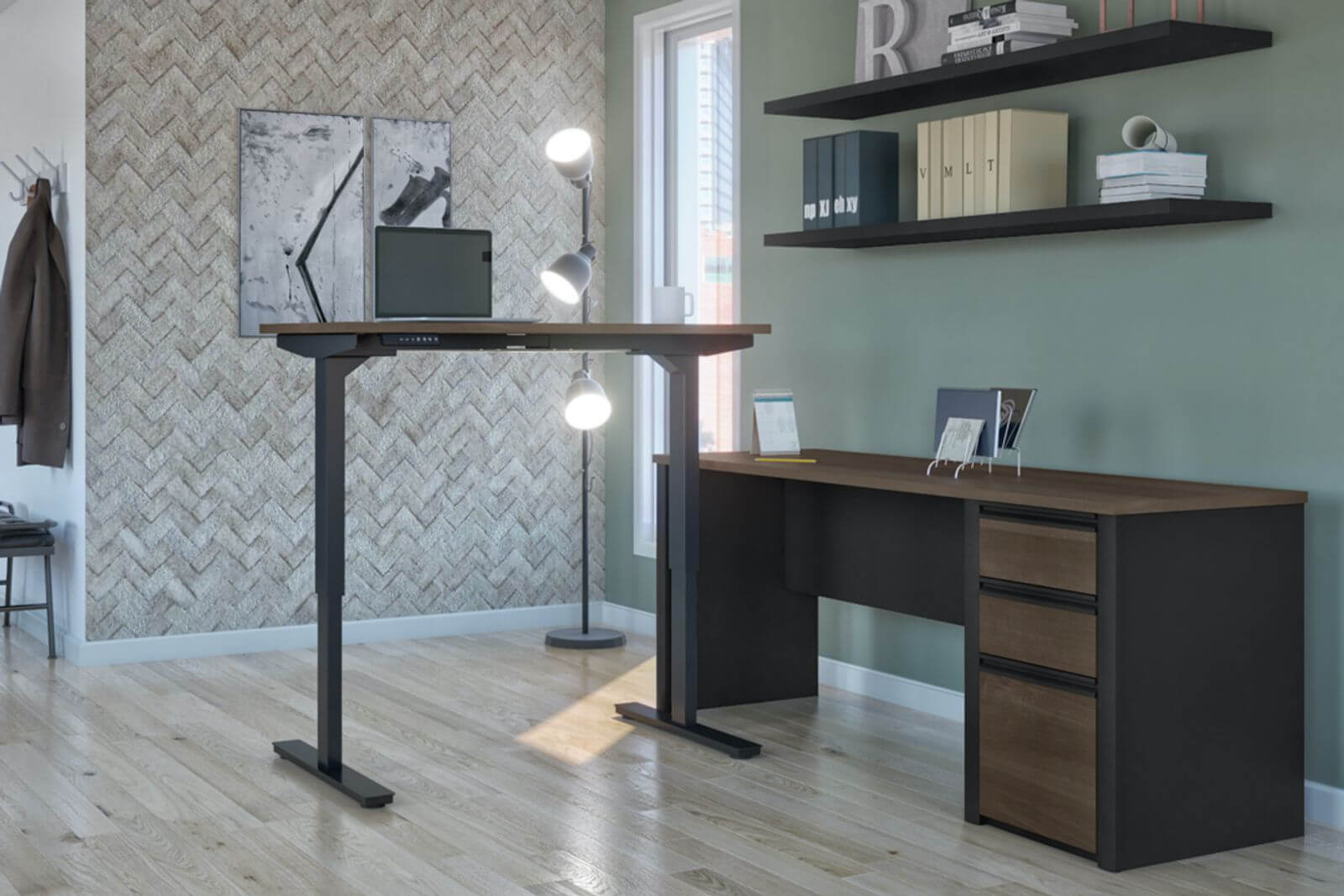
Credit: www.bestar.com
Desk Types
Choosing the right desk type is key for a productive home office. Each desk style offers unique benefits. Consider your work habits and space before deciding. Below are common desk types to help you find the best fit.
Traditional Desks
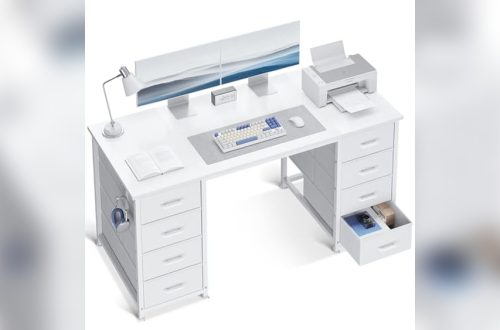
Traditional desks have a classic design with a flat surface and drawers. They provide plenty of storage and a stable work area. These desks suit those who need space for files and office supplies. They often fit well in larger rooms with a classic or formal style.
Standing Desks
Standing desks let you work while standing up. They improve posture and reduce sitting time. These desks are great for health-conscious users who want to stay active. Many models come with adjustable heights to switch between standing and sitting.
Adjustable Desks
Adjustable desks offer flexible height settings. You can change from sitting to standing in seconds. These desks help reduce fatigue and increase comfort during long work hours. Ideal for users who want a mix of sitting and standing options.
Compact Desks
Compact desks are designed for small spaces. They have a minimal footprint but still provide enough workspace. Perfect for apartments or rooms with limited space. These desks often have simple designs and may include shelves or small drawers.
Room Size And Layout
Choosing the right desk depends heavily on your room size and layout. Your workspace needs to fit comfortably without crowding the room. A desk that matches your space creates a better flow and increases productivity. Understanding your room dimensions and shape is key before buying a desk.
Measuring Your Space
Start by measuring the area where you want the desk. Use a tape measure to get the length and width of the space. Note any obstacles like doors, windows, or heaters. This helps avoid buying a desk that is too big or too small. Leave room for a chair and walking space around the desk.
Desk Shape Options
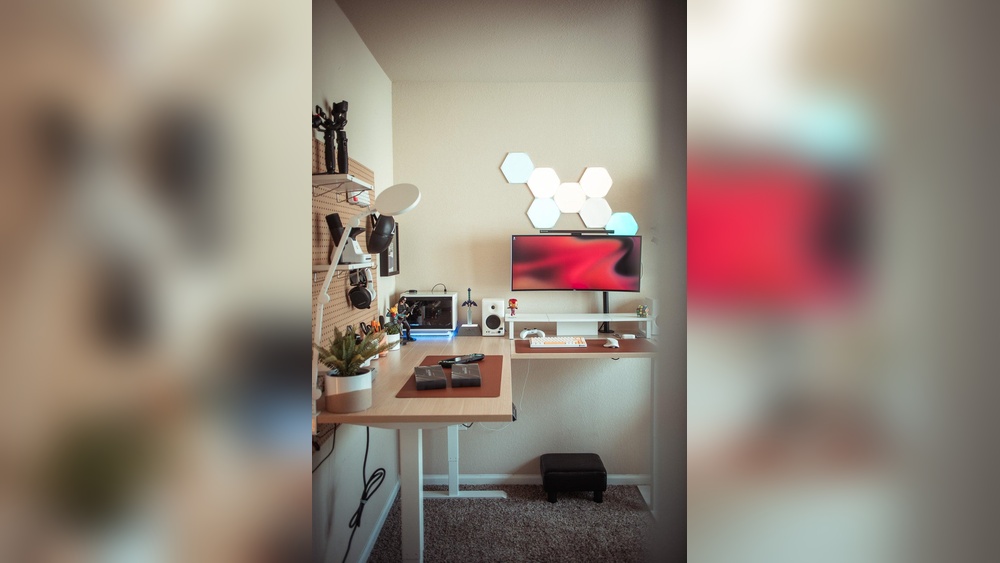
Desks come in many shapes to suit different rooms. A rectangular desk fits well in narrow spaces. L-shaped desks work best in corners, making good use of two walls. U-shaped desks offer large surfaces but need more room. Choose a shape that fits your layout and work style.
Maximizing Small Areas
Small rooms need desks that save space. Look for desks with built-in shelves or drawers to reduce clutter. Wall-mounted desks free up floor space and can fold away when not in use. Narrow desks fit tight spots but still offer enough work surface. Keep the area tidy to make the room feel larger.
Desk Placement
Desk placement plays a big role in your home office comfort and focus. Where you put your desk affects light, distractions, and how you feel while working. Choosing the right spot can improve productivity and reduce eye strain.
Consider the room layout and how natural light enters. Think about what view helps you concentrate or feel relaxed. Each position has its benefits and challenges.
Facing The Window
Placing your desk facing the window gives you fresh air and a nice view. Natural light brightens your workspace, boosting mood and energy. It helps to take short mental breaks by looking outside.
Distractions can happen if the view is busy or noisy. Screen glare may make it hard to see your monitor. Bright light contrast can cause eye strain after long hours.
Facing The Wall
Facing a wall means fewer distractions and a clear focus area. It can make your space feel neat and organized. This setup is good for video calls with a plain background.
The downside is that it may feel dull or boring. A blank wall might lower creativity and cause tired eyes. Adding art or color can help make it more inspiring.
Perpendicular To Window
This position offers the best of both worlds. Natural light comes from the side, reducing glare on your screen. It keeps your workspace bright without distractions from outside.
You get a view without being directly in front of it. This setup helps maintain focus and comfort over long work periods. It also avoids harsh shadows on your desk.
Facing The Room Entrance
Facing the door lets you see who enters, which can feel safe and confident. It can help you stay alert and ready for meetings or visitors. This position encourages openness and control.
Sometimes this view can be distracting if people pass by often. It may reduce privacy, depending on your room’s layout. Use room dividers if you want more separation.
Lighting Considerations
Lighting plays a key role in choosing the right desk for your home office. Good lighting reduces eye strain and boosts focus. It also creates a comfortable workspace where you can work longer hours without fatigue.
Consider how natural and artificial light will affect your desk setup. The right balance helps you stay alert and productive. Poor lighting can cause headaches and reduce work quality.
Natural Light Benefits
Natural light improves mood and energy levels. It helps regulate your body clock and reduces tiredness. A desk near a window lets you enjoy daylight and fresh air.
Natural light also makes colors look clearer. This helps when reading documents or working on creative tasks. Try to place your desk where sunlight can reach without causing glare.
Avoiding Screen Glare
Glare on your screen causes eye strain and headaches. Position your desk so windows are to the side, not in front or behind your screen. This reduces reflections and bright spots.
Use curtains or blinds to control strong sunlight. Adjust your monitor’s brightness and angle to minimize glare. A glare-free screen lets you work comfortably for hours.
Using Task Lighting
Task lighting focuses light where you need it most. A good desk lamp helps when natural light is not enough. It gives clear, direct light for reading, writing, or detailed work.
Choose lamps with adjustable arms and brightness levels. Warm white light reduces eye fatigue better than cool, harsh light. Position your lamp to shine over your work area, not your screen.
Ergonomics
Ergonomics plays a vital role in selecting a desk for your home office. It ensures comfort, health, and productivity during work hours. A well-chosen desk supports good posture and reduces strain on your body. Paying attention to ergonomics helps prevent aches and long-term injuries. Below are key ergonomic factors to consider when choosing your desk.
Desk Height
Choose a desk height that fits your body size. Your elbows should rest at a 90-degree angle when typing. The desk surface should be level with your forearms. Too high or too low desks cause shoulder and wrist pain. Adjustable height desks offer flexibility for different users.
Chair Compatibility
Your desk and chair must work well together. Ensure your chair fits under the desk easily. There should be enough legroom to move freely. The chair height should match the desk height. This balance helps maintain good posture and comfort.
Keyboard And Monitor Position
Place your keyboard and monitor to reduce strain. The keyboard should be close to the edge of the desk. Keep wrists straight while typing. Position the monitor at eye level to avoid neck bending. The screen should be about an arm’s length away. Proper placement reduces eye, neck, and wrist discomfort.
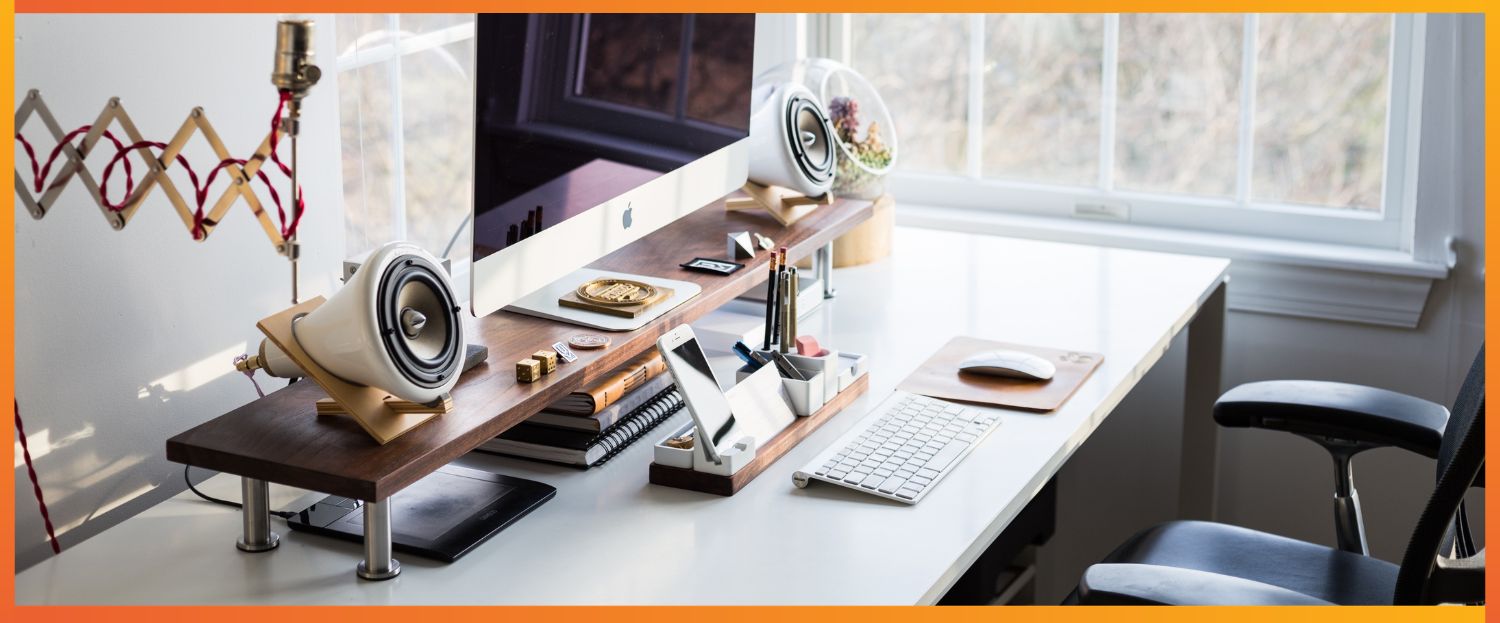
Credit: www.chairoffice.co.uk
Storage And Organization
Storage and organization are key to a productive home office. A well-organized desk keeps your workspace tidy. It helps you find items quickly and reduces clutter. Choosing a desk with smart storage options can improve your workflow and comfort.
Built-in Drawers
Built-in drawers offer convenient storage for office supplies. They keep essentials like pens, paper, and chargers within reach. Drawers help maintain a clean surface by hiding clutter. Look for desks with multiple drawer sizes for versatile storage.
Shelving Options
Shelving adds extra space for books, files, and decor. Open shelves allow easy access to frequently used items. Closed shelves or cabinets protect items from dust and keep the room neat. Choose shelves that fit your style and storage needs.
Cable Management
Cable management features prevent messy cords and tangles. Desks with built-in holes or trays guide cables out of sight. Keeping cables organized reduces distractions and improves safety. Good cable management creates a clean, professional look in your office.
Material And Style
Choosing the right material and style for your home office desk is important. It affects the look of your room and your comfort while working. The material impacts durability and maintenance. Style helps your workspace feel inviting and inspiring. Consider these aspects to find the perfect desk that fits your needs and taste.
Wood Finishes
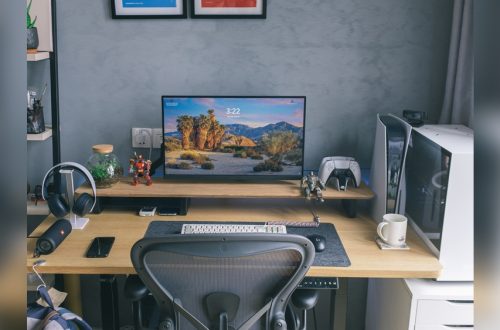
Wood desks offer warmth and natural beauty. They come in many finishes like oak, walnut, and pine. Light wood brightens small spaces, while dark wood adds elegance. Wood is sturdy and can last for years with care. It also hides scratches better than other materials. Choose a finish that matches your room’s decor and personal style.
Metal Frames
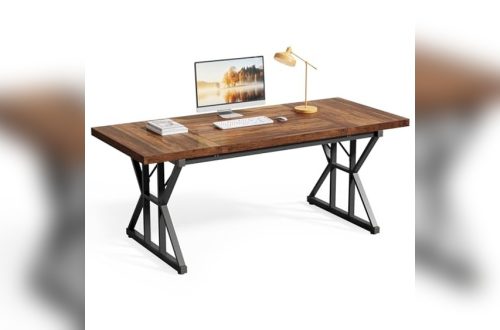
Metal frames give desks a modern and industrial look. They provide strong support and are often lightweight. Metal desks usually require less maintenance than wood. They resist dents and scratches well. Some combine metal with wood tops for a balanced design. Metal frames suit minimalistic and contemporary spaces perfectly.
Modern Vs Classic Designs
Modern desks focus on simplicity and clean lines. They use materials like glass, metal, and smooth wood. These desks fit well in small or bright rooms. Classic desks have detailed craftsmanship and curves. They often use rich wood tones and traditional shapes. Choose modern for a fresh feel or classic for a timeless look. Your choice sets the tone for your entire home office.
Budget And Quality
Choosing a desk for your home office involves balancing budget and quality. Your budget sets the range of options. Quality ensures the desk lasts and serves your needs well. Both factors affect comfort and productivity.
Affordable Options
Affordable desks come in many styles and materials. Look for simple designs with sturdy construction. Materials like laminate or engineered wood often cost less. These desks can fit small spaces and basic work needs. They offer good value without overspending.
Investing In Durability
Spending more on a durable desk pays off in the long run. Solid wood or metal desks resist wear and damage. A strong desk supports heavy equipment and daily use. Durable desks keep their appearance and function longer. This saves money over time by avoiding replacements.
Warranty And Support
Check the warranty before buying a desk. A good warranty shows confidence in the product’s quality. It covers repairs or replacements if problems occur. Customer support helps with assembly and questions. Reliable service adds peace of mind to your purchase.
Personal Preferences
Choosing a desk for your home office means thinking about your personal preferences. Your work style and habits play a big role in this choice. A desk should feel comfortable and support how you work best. Focus on what helps you stay productive and happy during work hours.
Creative Vs Focused Work
Your desk should match the type of work you do. Creative work needs space for brainstorming and tools like sketchpads or color samples. A larger desk with room for supplies suits this well. For focused work, a simple desk with minimal distractions works better. Keep only essential items on it to help maintain concentration.
Inspiration Elements
Adding inspiring elements to your desk can boost motivation. Small plants, photos, or art pieces make your space pleasant. Choose items that make you feel calm or energized. Avoid cluttering the desk with too many decorations. Keep it balanced to encourage creativity and clear thinking.
Maintaining Desk Cleanliness
A clean desk promotes a clear mind. Plan a daily routine to tidy your workspace. Remove unnecessary papers and organize supplies in containers or drawers. Use a simple system to keep items in place. A neat desk reduces stress and helps you focus on tasks.

Credit: fengshuimanhattan.com
Frequently Asked Questions
How To Pick A Desk For A Home Office?
Choose a desk that fits your room size and work needs. Prioritize comfort, storage, and surface area for productivity. Select a style matching your decor.
What Is The 20 8 2 Rule For Standing Desks?
The 20 8 2 rule for standing desks means standing for 20 minutes, sitting for 8 minutes, and moving for 2 minutes. This cycle promotes comfort and reduces fatigue.
What Are The 3 P’s For Having A Clean Desk?
The 3 P’s for a clean desk are Plan, Protect, and Pick up. Plan your tasks, protect your space, and pick up clutter daily.
Is It Better To Have Your Desk Face A Window Or Wall?
Place your desk perpendicular to a window for natural light without glare. Facing a window can distract; facing a wall may feel uninspiring. Side-facing balances light and focus, boosting productivity and comfort.
Conclusion
Choosing the right desk shapes your home office experience. Keep your room size and work needs in mind. Pick a desk that fits comfortably without crowding the space. Consider natural light and where to place your desk for focus. A side-facing window spot often works best.
Remember, comfort and function matter most for daily productivity. With these tips, your workspace can support your work and wellbeing. Take time to find a desk that feels right for you. Your ideal home office is just a few choices away.