Where you place your desk in your home office can make all the difference in how productive and comfortable you feel during your workday. You might be wondering: should your desk face the window to soak up natural light, or is it better to have your back to the wall for a sense of control?
Maybe you’ve tried both and still can’t find the perfect spot. The truth is, there’s no one-size-fits-all answer, but understanding the pros and cons of each layout can help you create a workspace that boosts your focus and creativity. Keep reading to discover smart, simple ways to position your desk so it works best for you—and transforms your home office into a place where you truly want to work.
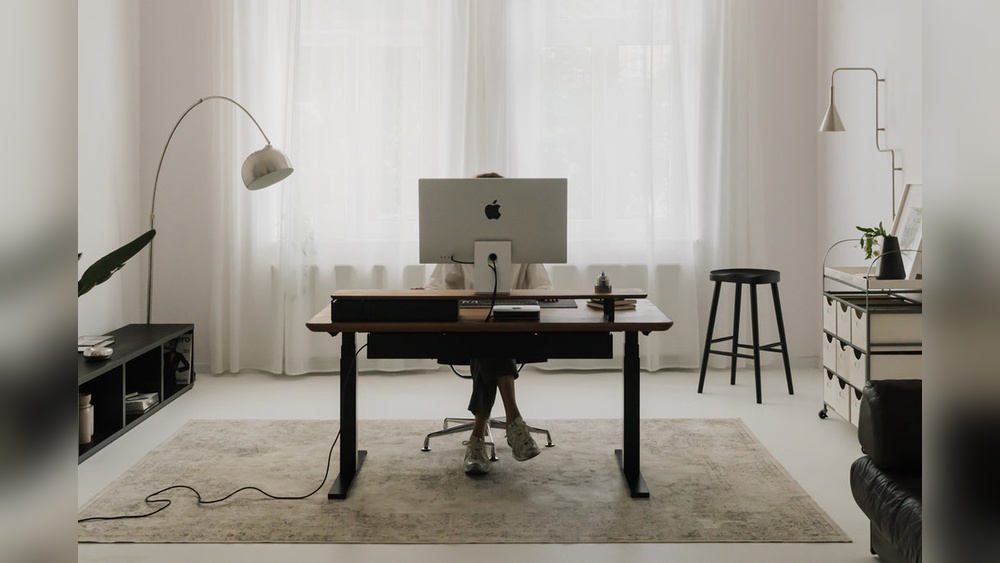
Credit: www.houzz.com.au
Desk Facing The Window
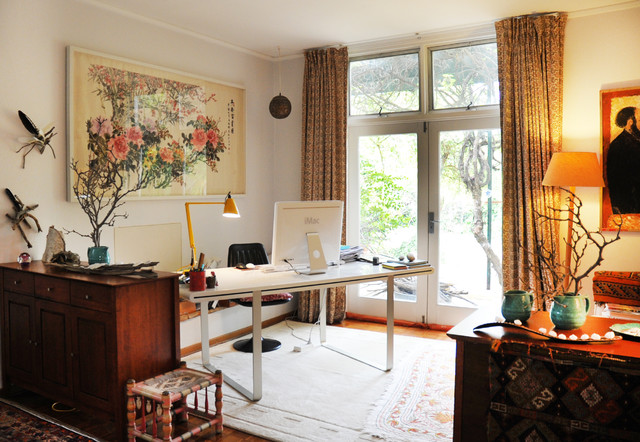
Placing your desk facing the window brings the outdoors into your workspace. This setup offers a bright, inviting environment. It can boost your mood and inspire creativity by connecting you with nature. The natural light brightens your room and helps you feel awake and alert. Still, this choice has its challenges. Understanding the benefits and drawbacks can help you decide if this arrangement suits your work style.
Benefits Of Natural Light
Natural light improves your mood and energy levels. It helps reduce eye strain caused by artificial lighting. Sunlight also supports your body’s natural rhythms, aiding concentration. Facing a window lets you enjoy fresh air and outdoor views. These views offer mental breaks, which refresh your mind. A well-lit room feels more open and less cramped. This setup can make long work hours more pleasant.
Potential Distractions And Glare
Outdoor views may distract your focus with movement or noise. Bright sunlight can cause screen glare, making it hard to see. Glare may force you to squint or adjust your screen often. Direct sunlight can also heat your workspace, causing discomfort. These issues might reduce your productivity if not managed. Using curtains or blinds helps control light and distractions. Positioning your monitor carefully can minimize glare problems.

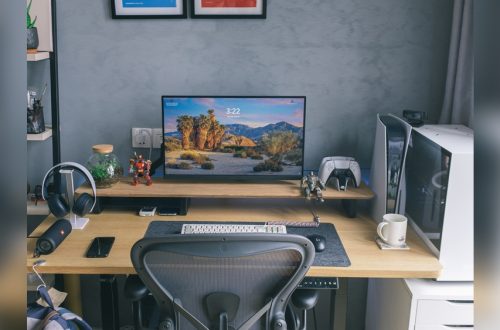
Credit: www.reddit.com
Desk Facing Away From The Window
Placing your desk facing away from the window can create a calm and focused home office. This setup helps reduce distractions from outside activities. It also improves control over lighting conditions and workspace security. Many prefer this position to keep their screens clear and stay productive throughout the day.
Reducing Screen Glare
Facing away from the window limits sunlight hitting your screen. This reduces glare and makes it easier to see your work. You avoid squinting and eye strain caused by bright reflections. This setup is ideal for people who spend long hours on a computer. It also helps maintain consistent screen brightness without adjusting blinds or curtains.
Creating A Secure Workspace
Having a solid wall behind you gives a feeling of security. You can focus without worrying about movements behind your back. This position helps you feel in control of your surroundings. It reduces distractions from people or vehicles passing outside. A secure workspace encourages concentration and improves work quality.
Desk Positioned Perpendicular To The Window
Feng Shui principles help create a balanced and productive workspace. Desk placement plays a key role in energy flow and focus. Applying Feng Shui tips can improve comfort and work efficiency. Simple changes in your desk’s position can bring positive energy and calmness.
Seeing The Door
Place your desk so you can see the door clearly. This position is called the “command position” in Feng Shui. It gives a sense of control and safety. Avoid sitting with your back to the door. This helps reduce stress and distractions during work.
Having A Solid Wall Behind
Always have a solid wall behind your desk. This provides support and stability in your work life. Avoid placing your desk in front of windows or open spaces behind you. A solid wall creates a feeling of security and confidence. It also helps maintain focus and reduces anxiety.
Credit: www.houzz.co.nz
Feng Shui Desk Placement Tips
Maximizing small spaces in a home office requires smart desk placement and furniture choices. Small rooms can feel crowded quickly. Proper use of every inch helps create an efficient workspace without clutter.
Choosing the right spot for your desk can open up the room. It also improves comfort and productivity. Small spaces benefit most from clever layouts and compact furniture designed for tight areas.
Using Corners Effectively
Corners often go unused in small rooms. Placing a desk in a corner saves space and creates a cozy work nook. A corner desk fits snugly, freeing up the center of the room.
This setup keeps your work area organized. It also reduces distractions by limiting what you see around you. Corner desks can have shelves or drawers for extra storage, keeping things neat.
Choosing Compact Desks
Compact desks fit well in small spaces without sacrificing functionality. Look for desks with slim profiles and built-in storage. These desks provide just enough room for your essentials.
Foldable or wall-mounted desks can also save space. They offer flexibility by folding away when not in use. Choosing a desk that matches your space keeps the room open and airy.
Maximizing Small Spaces
Lighting plays a crucial role in setting up your home office desk. Proper lighting reduces eye strain and boosts productivity. It also creates a comfortable and inviting workspace. Understanding how natural and artificial lights affect your desk placement is key. Careful planning helps you balance brightness and avoid discomfort.
Natural Vs Artificial Light
Natural light comes from windows and skylights. It helps improve mood and energy levels. Placing your desk near a window can give you fresh light and a nice view. Natural light changes throughout the day. It is soft in the morning and strong at noon.
Artificial light comes from lamps and ceiling fixtures. It is steady and reliable at any time. Use artificial light to fill dark corners or work after sunset. Position your desk so that artificial light does not cast harsh shadows on your work area.
Avoiding Screen Glare
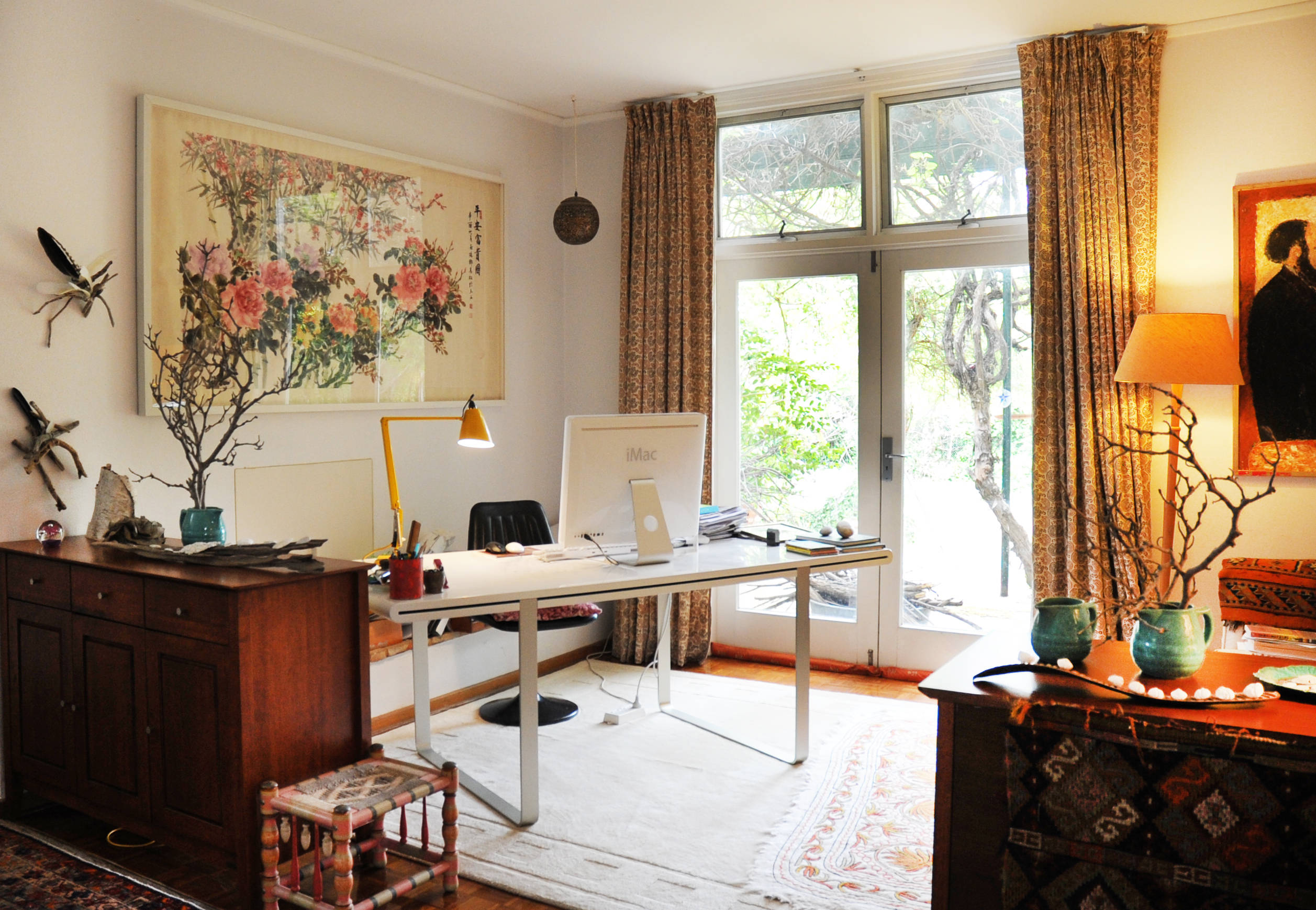
Glare on your computer screen causes eye strain and headaches. Avoid placing your desk directly facing a bright window. The light will reflect on your screen, making it hard to see. Position your desk at a right angle to windows for the best balance.
Use blinds or curtains to control strong sunlight. Adjust your screen brightness and contrast to reduce glare. Desk lamps with adjustable arms help focus light where you need it. Proper lighting prevents discomfort and keeps your work clear.
Lighting Considerations
Ergonomic placement of your desk is key to a healthy and productive workspace. It helps reduce strain and discomfort during work hours. Proper desk placement supports good posture and minimizes physical stress.
Setting your desk correctly can improve focus and energy. Small adjustments make a big difference in comfort and health. Consider how your body aligns with the desk and chair to avoid pain.
Ensuring Proper Posture
Sit with your back straight and shoulders relaxed. Keep your feet flat on the floor or on a footrest. Your elbows should form a 90-degree angle at the desk.
Align your eyes with the top of your computer screen. This position prevents neck and eye strain. Avoid leaning forward or slouching to maintain spinal health.
Adjusting Desk Height
The desk height should allow your forearms to rest parallel to the floor. Your wrists must stay straight while typing or using a mouse. Adjust the desk or chair height until this is comfortable.
Too high or too low desks cause shoulder and arm pain. Use an adjustable desk or add risers if needed. Proper height supports long hours of work without fatigue.
Ergonomic Placement
Finding the right spot for your desk can boost both your work output and creative energy. The balance between staying focused and feeling inspired matters a lot. Your workspace should help you complete tasks and spark new ideas. A well-placed desk can create a positive cycle of productivity and motivation.
Creating A Motivating View
Place your desk where you can see something uplifting. A window view of trees or open sky can calm your mind. Natural light brightens the room and improves mood. Even a tidy wall with artwork can inspire creativity. Avoid cluttered or dull views that drain your energy. A motivating scene helps keep your thoughts fresh and engaged.
Minimizing Outside Distractions
Choose a spot away from noisy streets or busy rooms. Sounds and movements outside can break your concentration. Position your desk so you do not face direct foot traffic. Use curtains or blinds to reduce visual distractions from windows. A quiet, calm area supports longer focus and better work quality. Protecting your attention helps you achieve more in less time.
Frequently Asked Questions
Should A Desk Face The Window Or Away?
Place your desk perpendicular to the window for natural light without glare. Facing away reduces distractions and glare but may feel isolating. Choose based on your focus and comfort needs.
Which Direction Is Best For A Work Table At Home?
Place your work table perpendicular to a window for natural light without glare. Ensure your back faces a solid wall to boost focus and security. This setup enhances productivity and reduces distractions, combining comfort and inspiration effectively.
Where Should A Desk Be Placed In A Feng Shui Home Office?
Place your desk facing the door with a solid wall behind you for support. Position it at a right angle to windows to enjoy natural light without glare. This setup enhances focus, security, and positive energy flow in a Feng Shui home office.
Which Direction Should I Keep My Desk?
Place your desk perpendicular to a window for natural light without glare. Ensure a solid wall behind for security and focus. Facing the door enhances control and productivity. Avoid direct window glare and distractions by choosing the right angle.
Conclusion
Choosing the right desk spot shapes your workday comfort and focus. Natural light boosts mood but watch for screen glare. Facing a wall offers calm and fewer distractions. Sitting beside a window blends light with control. Consider room size and your work style.
A well-placed desk creates a productive, pleasant home office. Take time to test layouts until it feels right. Your workspace should support your best work every day.