You want your home office to be a place where focus flows easily and creativity sparks naturally. But did you know that the simple act of placing your desk in the right spot can make a huge difference?
Where you position your desk according to Feng Shui principles can change how you feel, how productive you are, and even your overall energy while working. Imagine sitting in a spot that puts you in control, keeps distractions away, and fills your space with positive vibes.
Curious to find out where that perfect spot is? Keep reading to discover the best ways to arrange your desk in your home office so you can work smarter, feel better, and enjoy every minute at your workspace.

Credit: dougleschan.com
Desk Placement Basics
Placing your desk correctly is key in home office Feng Shui. It sets the tone for your work energy and focus. The right spot helps you feel calm and in control. It also supports productivity and reduces stress.
Start with basic principles to find the ideal place. Your desk should give you a clear view of the door. A solid wall behind you offers support and stability. Avoid glare and distractions for better concentration.
Command Position Benefits
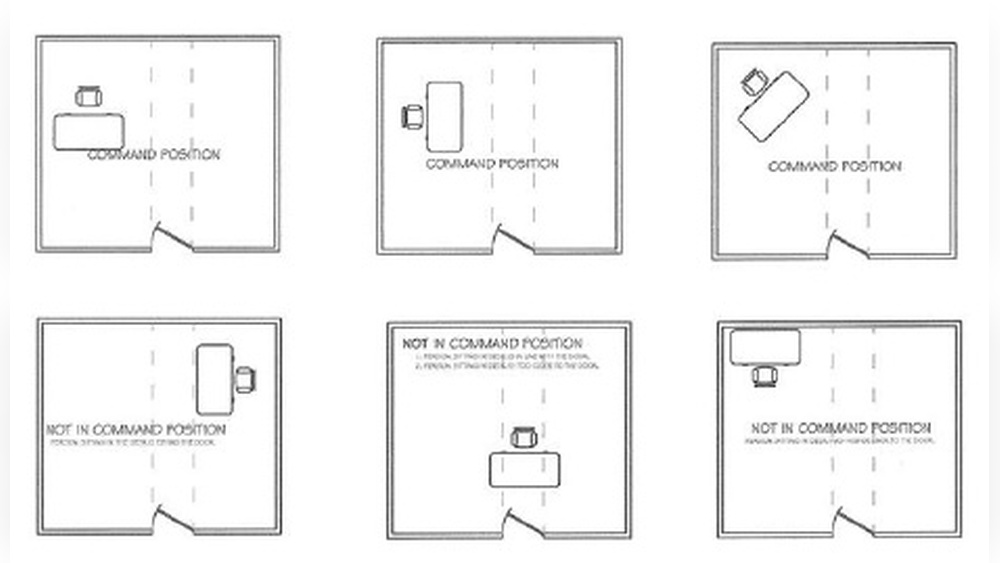
The command position means you face the door without being directly in line with it. This spot makes you feel safe and alert. You see who enters, avoiding surprises. It boosts confidence and control over your space. Sitting with your back to a wall adds a sense of security. This setup enhances focus and calm during work hours.
Natural Light Considerations
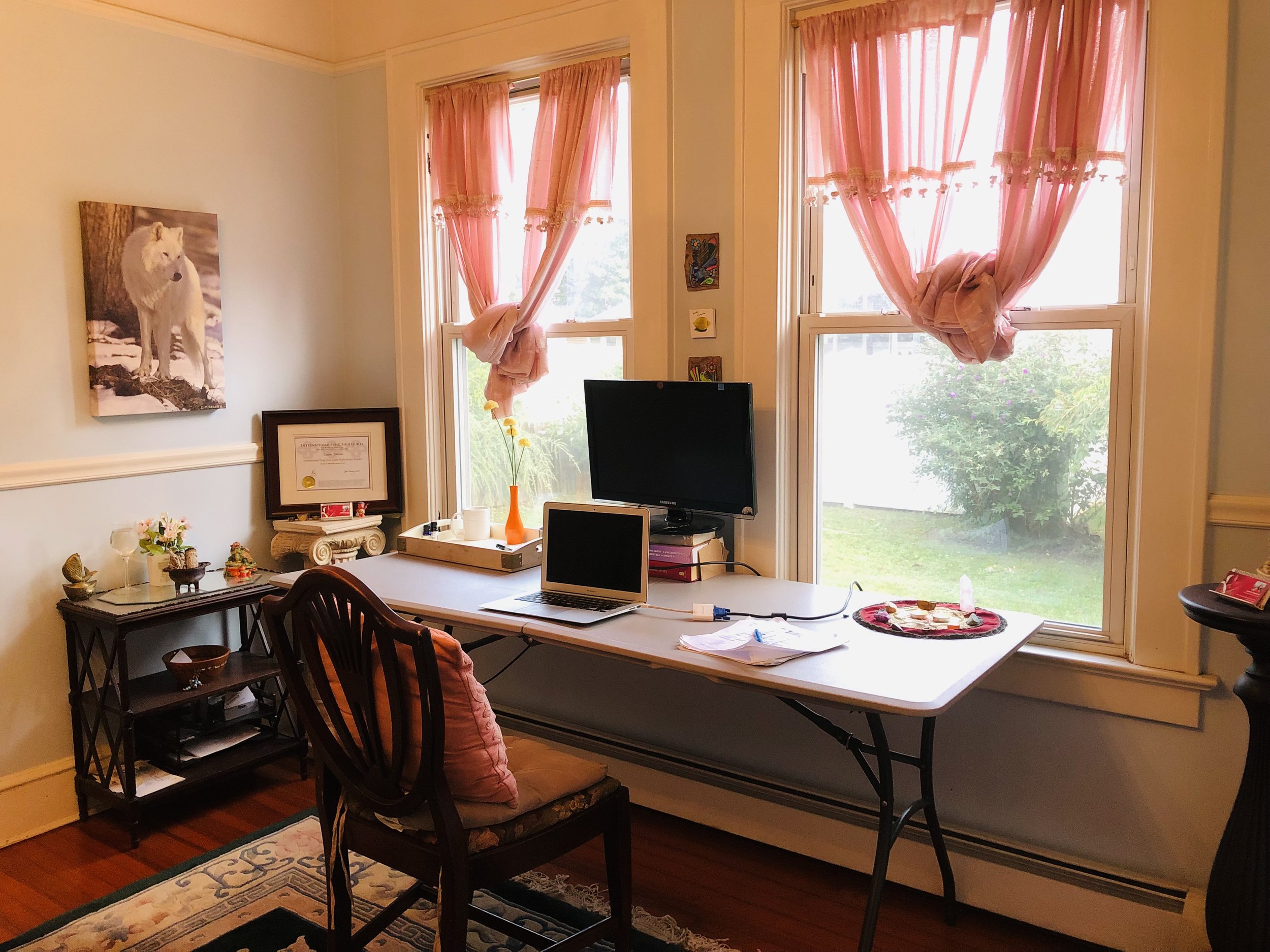
Natural light lifts your mood and energy. Place your desk near a window, but sideways to it. This position gives you daylight without screen glare. Too much light from behind or front causes eye strain. A side window lets you enjoy sunlight and avoid distractions. It creates a fresh and welcoming work environment.
Common Placement Mistakes
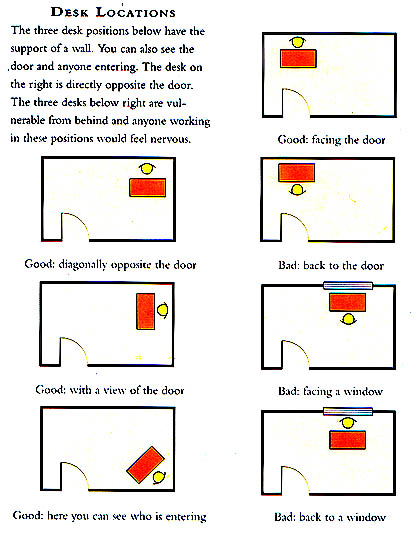
Placing the desk directly in front of the door causes distractions. You may feel exposed or uneasy. Sitting with your back to a window invites glare on your screen. Facing a blank wall can feel dull and uninspiring. Avoid cramped corners where you cannot see the door. These errors reduce comfort and focus.
Credit: fengshuimanhattan.com
Ideal Desk Positions
Choosing the right desk position in your home office affects focus and energy. Ideal desk placement follows simple Feng Shui rules to balance comfort and productivity. Proper positioning helps you feel secure and in control while working.
Here are three effective desk positions to consider for a harmonious workspace.
Back To Solid Wall, Facing Door
Place your desk so your back rests against a solid wall. This setup gives a strong support feeling. Facing the door lets you see who enters the room. It prevents surprises and helps maintain focus. This position creates a command spot, boosting confidence and calmness.
Facing Door
Facing the door directly allows you to watch room activity. It keeps you alert and aware of your surroundings. Avoid sitting too close to the door to reduce distractions. This position helps protect your space and energy. It promotes a sense of safety and readiness.
Perpendicular To Window
Place your desk at a right angle to the window. This position brings natural light to your side, not your front. It reduces glare on your computer screen. You get fresh air and sunlight without losing focus. This setup keeps your view open but limits distractions.
Positions To Avoid
Choosing the right desk position in your home office is important for good Feng Shui. Certain placements can create discomfort or block positive energy flow. Avoid these spots to keep your workspace calm and productive.
Back To Window
Placing your desk with your back to a window causes glare on your screen. It also makes you feel exposed because you cannot see who is behind you. This setup reduces your focus and creates stress.
Directly Facing Door
Facing the door directly can be distracting. Movement and noise from the entrance break your concentration. It can also make you feel uneasy as you see people entering constantly.
In Front Of Door
Having your desk right in front of the door is risky. Your chair may get bumped when someone opens the door. This position lowers your sense of control and safety.
Facing Blank Wall
Sitting facing a blank wall may feel lonely and uninspiring. It can block creative energy and make the space dull. You need a view that encourages motivation and positive thoughts.
Credit: mindfuldesignconsulting.com
Room Layout Tips
Arranging your desk in a home office affects focus and energy flow. Feng Shui guides desk placement to create balance and comfort. Thoughtful room layout helps maximize space and positive vibes.
Use smart strategies to fit your desk in any room size. Proper positioning reduces distractions and boosts productivity. Here are practical tips for your home office layout.
Small Room Strategies
In small rooms, every inch counts. Place your desk against a solid wall to create a stable backdrop. This position offers support and a sense of security.
Keep the desk perpendicular to windows for soft natural light. It brightens your space without causing screen glare. Avoid blocking pathways to keep the area open and easy to move.
Use light colors and minimal decor to make the room feel larger. Declutter often to maintain clear energy flow. Small desks or foldable tables save space and adapt to your needs.
Corner Desk Advantages
Corner desks fit well in many rooms and maximize floor space. They create a cozy, focused work zone with walls on two sides. This setup enhances concentration and reduces distractions.
Position the corner desk so you can see the door easily. This aligns with Feng Shui’s command position, helping you feel in control. Corners also offer more surface area for organizing work materials.
Use vertical storage nearby to keep essentials within reach. This keeps your desk tidy and your mind clear. Corners often receive natural light from two directions, brightening your workspace.
Ergonomics And Comfort
Ergonomics and comfort play a crucial role in desk placement for home office feng shui. A well-placed desk supports good posture and reduces strain. This creates a productive and healthy workspace. Comfort also affects focus and work quality. Proper ergonomics prevents fatigue and injuries.
Space For Movement
Allow enough room around the desk for easy movement. Avoid tight spaces that restrict stretching or turning. Clear pathways improve energy flow and reduce stress. Space to move helps maintain good blood circulation. It also makes the workspace feel open and inviting.
Desk Accessibility
Position the desk so all necessary items are within arm’s reach. This limits awkward stretching and twisting. Keep frequently used tools like the keyboard, mouse, and phone close. A clutter-free surface supports better concentration. Easy access to everything saves time and effort.
Lighting Solutions
Lighting plays a key role in creating a balanced home office with good Feng Shui. Proper lighting improves focus, reduces eye strain, and boosts energy. Both natural and artificial light sources matter. The goal is to have bright, even light without glare or harsh shadows. Positioning your desk with lighting in mind supports comfort and productivity.
Maximizing Natural Light
Place your desk near a window to catch natural light. Natural light lifts your mood and sharpens your mind. Avoid facing the window directly to reduce glare on your screen. Position the desk so the window is to your side. This setup provides soft, indirect light. It also allows you to enjoy outdoor views without distraction. Keep window treatments light and adjustable. Sheer curtains or blinds help control brightness and reduce glare.
Artificial Lighting Options
Use artificial lights to brighten your workspace when daylight fades. Choose lighting that mimics natural daylight for the best effect. Desk lamps with adjustable brightness and direction work well. Place lamps on the opposite side of your dominant hand to avoid shadows. Overhead lighting should be soft and even. Avoid harsh fluorescent bulbs that cause eye fatigue. Consider warm LED bulbs with dimmer switches. They offer comfort and control during long work hours.
Enhancing Productivity
Enhancing productivity in your home office starts with the right desk placement. The desk’s position affects focus, energy, and comfort. A well-placed desk creates a calm and efficient workspace. Feng Shui principles guide you to arrange your desk for maximum output.
Minimizing Distractions
Place your desk so you can see the door without sitting directly in front of it. This position helps you feel safe and aware of your surroundings. Avoid sitting with your back to the door to reduce surprise distractions. Position your desk perpendicular to a window to get natural light without facing outside. This setup limits visual distractions and prevents screen glare. Keep clutter off your desk to maintain clear energy and focus.
Creating An Inspiring View
Choose a spot where you face a solid wall or a pleasant view. A solid wall behind your desk supports your back and provides a sense of stability. Natural views, like plants or a garden, can boost creativity and calm your mind. Avoid facing a blank wall, which may feel dull and uninspiring. Add personal touches like artwork or photos to create a positive atmosphere. This helps keep your mood uplifted and your mind engaged.
Frequently Asked Questions
Where Is The Best Place To Put A Desk In A Home Office?
Place your desk facing the door with a solid wall behind for control and focus. Position it perpendicular to a window for natural light without glare. Avoid facing a blank wall or sitting directly in front of the door to reduce distractions and discomfort.
Where To Put A Desk In A Home Office Feng Shui?
Place your desk facing the door with a solid wall behind you to feel secure and in control. Position it perpendicular to a window for natural light without glare. Avoid sitting with your back to the window or directly facing the door to reduce distractions and screen glare.
Which Direction Should Work Desk Face At Home?
Place your desk facing the door with a solid wall behind you for control. Position windows to your side to avoid glare and distractions. Avoid facing the door directly or having your back to a window to reduce interruptions and screen glare.
Should A Desk Face A Window Or Door?
Place your desk facing the door with a solid wall behind you for control and focus. Position windows to the side to avoid glare and distractions. Avoid facing the door directly or having your back to the window to prevent discomfort and interruptions.
Conclusion
Choosing the right desk spot boosts comfort and focus daily. Place your desk with a solid wall behind you and face the door. This position helps you feel safe and aware of your surroundings. Let natural light come from the side to brighten your workspace without glare.
Avoid facing the door directly or sitting with your back to a window. Small rooms may need corner setups but keep the door in view. These simple Feng Shui tips help create a balanced, productive home office space. Your desk placement truly shapes your workday energy and flow.