Imagine stepping into your bedroom and feeling instantly relaxed, even if it has no windows. You might think decorating a windowless bedroom is a challenge, but it doesn’t have to be.
With the right colors, lighting, and design tricks, you can transform your space into a cozy, stylish retreat that feels bright and inviting. In this guide, you’ll discover simple yet powerful tips to open up your room, add personality, and make the most of every inch—even without natural light.
Keep reading to learn how to turn your bedroom with no windows into a place you’ll love to unwind in every day.
Credit: goforkady.com
Lighting Layers
Lighting layers play a key role in brightening a bedroom without windows. They build depth and warmth. Using different types of lights creates a cozy, inviting space. Each layer has a purpose to improve the room’s look and feel. Combining these layers helps avoid a dull or dark atmosphere.
Here are easy ideas to use lighting layers effectively in your windowless bedroom.
Ambient Lighting Ideas
Ambient lighting is the main source of light in the room. It provides overall illumination and sets the mood. Use ceiling fixtures like flush mounts or recessed lights for soft, even light. Choose warm white bulbs for a comforting glow. A dimmer switch helps adjust light levels based on time or activity. This layer makes the room feel open and less confined.
Task And Accent Lighting
Task lighting focuses on specific areas for activities like reading or dressing. Table lamps or adjustable wall sconces near the bed work well. They reduce eye strain and add a stylish touch. Accent lighting highlights decor elements, such as artwork or plants. Use small spotlights or picture lights to create visual interest. These lights add layers that break the monotony of flat lighting.
Using Led Strips And Lamps
LED strips offer flexible and energy-efficient lighting options. Place them under shelves, behind the headboard, or along the floor edges for subtle glows. Color-changing LEDs allow customization to fit moods or themes. Table lamps with soft bulbs add warmth and charm. These lights fill dark corners and create a relaxing ambiance. LED options help make the room feel larger and more inviting.
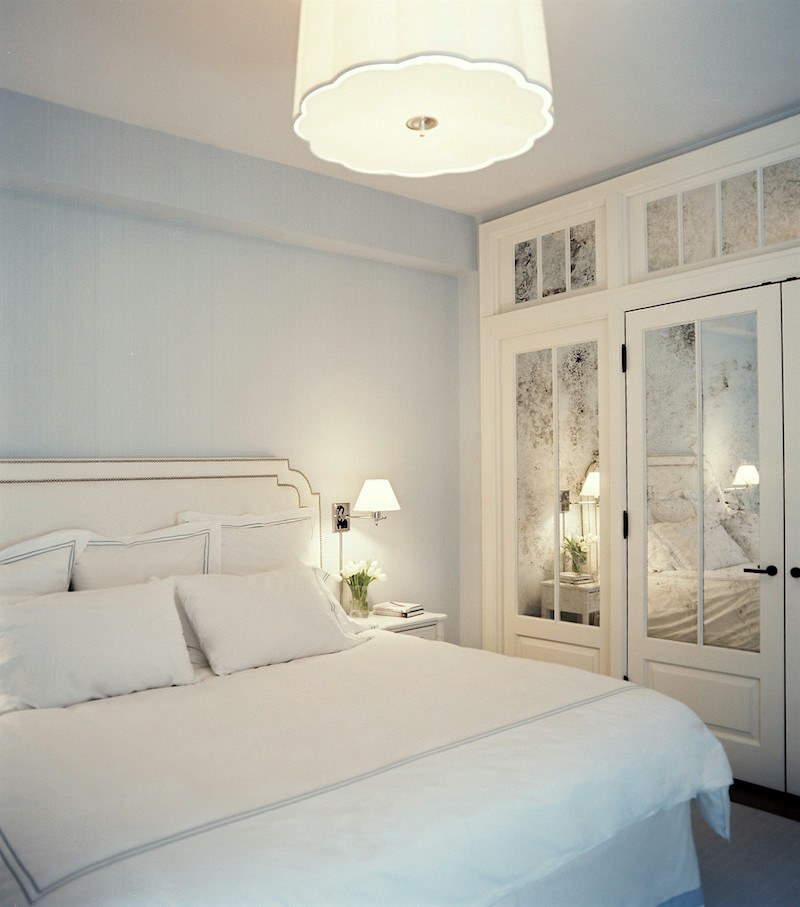
Credit: laurelberninteriors.com
Bright Colors
Bright colors can transform a bedroom with no windows. They bring light and energy to the space. Using bright colors helps make the room feel larger and more inviting. These colors can lift the mood and reduce the feeling of darkness. Choosing the right shades and tones is key to creating a fresh, airy atmosphere.
Choosing Light Wall Shades
Light wall colors reflect more light and open the room. Whites, creams, and soft yellows are excellent choices. These shades bounce light around, making the space seem brighter. Avoid dark colors as they absorb light and shrink the room visually. A light-colored wall creates a perfect backdrop for other decor elements.
Light-colored Furniture
Furniture in light colors adds to the brightness of the room. White, beige, or pale wood furniture looks clean and fresh. It does not overwhelm the space or make it feel crowded. Light furniture also complements bright walls and helps maintain a balanced look. Choose simple designs to keep the room feeling open and airy.
Using Pastel And Neutral Tones
Pastel colors add softness without darkening the room. Soft blues, pinks, and greens bring calmness and light. Neutral tones like taupe, light gray, and soft beige create warmth and depth. These shades work well on bedding, curtains, and rugs. They blend easily with bright colors and keep the space feeling peaceful.
Mirrors And Reflective Surfaces
Mirrors and reflective surfaces brighten a bedroom with no windows. They bounce light around the room, making it feel less dark. These surfaces also add style and depth. Using mirrors and shiny decor creates a fresh, open atmosphere in small spaces.
Placing Mirrors Strategically
Position mirrors where they catch light from lamps or other sources. Place a large mirror opposite your bed or next to a light fixture. This setup helps spread brightness evenly. Avoid crowding the walls; one or two well-placed mirrors work best. A tall mirror leaning against a wall adds height and interest.
Glossy And Metallic Decor
Use glossy finishes on furniture or decor to reflect light subtly. Metallic items like lamps, picture frames, or vases add sparkle. Choose silver, gold, or copper tones for warmth and shine. These small touches bring a lively vibe without overwhelming the space.
Creating Illusions Of Space
Mirrors make rooms feel larger by reflecting the space back. Use a large mirror to double the visual size of your bedroom. Reflective surfaces create layers that trick the eye. This effect reduces feelings of confinement and opens up the room visually. Combine mirrors with light colors for the best results.
Faux Windows And Artwork
Decorating a bedroom without windows can feel challenging. Faux windows and artwork offer creative solutions. They bring light, depth, and charm to windowless spaces. These elements trick the eye and make the room feel bigger and brighter.
Designing A Faux Window
Create a faux window to simulate natural light and openness. Use a frame with divided panes to mimic window styles. Add a sheer curtain or blinds for a realistic look. Place LED lights behind the frame for a glowing effect. Choose scenic prints or nature photos to fill the faux window. This adds a sense of outside view and fresh air. Position the faux window at eye level for best impact. A well-made faux window becomes a stunning focal point in the room.
Large-scale Wall Art
Large-scale wall art adds color and personality to the bedroom. Pick bold, bright pieces that attract attention and brighten the space. Landscape paintings or cityscapes create the illusion of looking outside. Abstract art with light colors can open up the room visually. Hang the artwork at eye height to draw focus. Use oversized frames or canvas prints for a dramatic effect. Large art fills empty walls and prevents the room from feeling closed in.
Nature-inspired Murals
Nature-inspired murals bring calm and freshness indoors. Choose designs with trees, flowers, or sky scenes. Soft colors like greens, blues, and earth tones soothe the mind. A mural covering one wall adds depth and interest. Use decals or wallpaper murals for easy application. Murals create a window-like view without actual windows. They connect the room to nature and promote relaxation. This option makes the space feel airy and inviting.
Decor Grouping
Decor grouping is a key strategy to brighten and enliven a bedroom with no windows. Grouping decor items thoughtfully helps create interest and depth. It draws the eye and adds personality to the space. Small clusters of items can make walls and surfaces feel intentional and styled.
In windowless bedrooms, decor grouping can simulate natural focal points. It helps break up plain walls and flat surfaces. Choosing the right number, size, and texture of items creates harmony and rhythm. These techniques make the room feel cozy and inviting, despite the lack of natural light.
Applying The Rule Of Odds
The rule of odds means grouping items in odd numbers like three, five, or seven. Odd numbers create a natural, appealing look. Start with three items on a nightstand or dresser for balance. Use a medium-sized item flanked by two smaller pieces. For larger surfaces, try groups of five or seven, mixing heights and shapes. Odd groups avoid stiffness and keep the arrangement lively. This method guides the eye smoothly across the display.
Balancing Sizes And Textures
Balance different sizes to avoid clutter or emptiness. Combine tall and short items to create layers. Mix soft textures like fabric with hard materials like glass or wood. This contrast adds depth and interest. Balance large, bold pieces with smaller, delicate ones. Texture variety brings warmth and dimension to the decor. Proper balance makes the space feel well-planned and comfortable.
Creating Visual Rhythm
Visual rhythm comes from repeating shapes, colors, or textures. Use similar items spaced evenly to create flow. For example, place three candles or picture frames with equal gaps. Rhythm helps the eye move naturally around the room. It prevents the space from feeling static or dull. Vary the decor slightly to keep rhythm dynamic and engaging.
Nature Elements
In a bedroom without windows, nature elements bring life and calmness. They create a soothing atmosphere and reduce the feeling of confinement. Using natural touches helps connect the space to the outdoors, making it more inviting. Simple additions like plants, textures, and colors inspired by nature refresh the room’s vibe.
Indoor Plants For Freshness
Indoor plants add green color and improve air quality. Choose low-light plants like snake plants or pothos that thrive without direct sunlight. Place them on shelves, nightstands, or corners to brighten dark spots. Plants bring a fresh, lively feel and help reduce stress. Their natural presence makes the room feel less closed in.
Natural Materials And Textures
Use materials like wood, bamboo, or rattan to add warmth and texture. A wooden headboard or wicker baskets create a cozy look. Soft linen or cotton bedding in earthy tones adds comfort. These materials feel organic and help soften the room’s atmosphere. They also add visual interest without overpowering small spaces.
Bringing Outdoor Vibes Inside
Decorate with nature-inspired art or patterns to evoke the outdoors. Choose wall prints with leaves, flowers, or landscapes to add depth. Use natural scents like essential oils with pine or cedar to enhance the experience. Add stones, driftwood, or shells as decorative pieces. These touches remind you of nature and make the room feel more open.
Architectural Details
Architectural details add character and depth to a bedroom without windows. These features bring texture and interest to plain walls. They create a sense of space and style without natural light.
Adding architectural elements helps break the monotony. They make the room feel more inviting and less closed in. Simple changes can transform a dull room into a cozy retreat.
Adding Molding And Panels
Molding and panels add shape to flat walls. Crown molding around the ceiling draws the eye upward. Baseboards and chair rails add balance and detail.
Wall panels create sections that add dimension. Use painted or wood panels for contrast. These details give the room a polished, finished look.
Textured Wall Treatments
Textured walls bring depth to a windowless bedroom. Options include plaster, wallpaper, or wood slats. Textures catch light from lamps, creating soft shadows.
Choose subtle textures to avoid overwhelming the space. A textured wall serves as a focal point. It adds interest without needing natural light.
Using Shelving For Depth
Shelves add storage and visual layers to the room. Floating shelves keep the space open and airy. Use shelves to display books, plants, or art.
Arrange items in different sizes and heights. This creates rhythm and avoids flatness on the wall. Shelves add both function and style to a windowless bedroom.
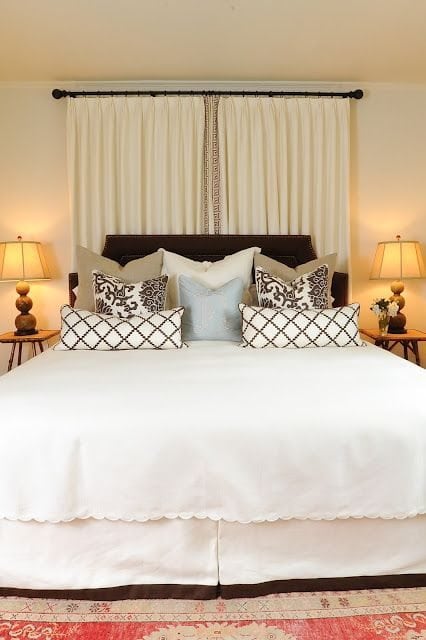
Credit: www.artsandclassy.com
Furniture Arrangement
Arranging furniture in a bedroom with no windows needs careful planning. The right layout can make the room feel larger and more inviting. Smart furniture placement helps improve flow and comfort in a space that lacks natural light.
Choosing the best positions for key pieces can brighten the room’s atmosphere. It also creates a sense of balance and purpose. Thoughtful arrangement can turn a windowless bedroom into a cozy retreat.
Maximizing Open Space
Keep the center of the room clear to open the space visually. Push larger furniture like beds and dressers against walls. Avoid cluttering corners with too many items. Use multi-functional furniture to reduce the number of pieces needed. Clear pathways for easy movement and a sense of openness.
Choosing Light And Airy Pieces
Select furniture with slim legs or transparent bases to keep the room feeling light. Avoid bulky or heavy pieces that close in the space. Light-colored furniture reflects light and brightens the room. Opt for materials like glass, metal, or light wood to add airiness. Keep designs simple and streamlined to avoid visual heaviness.
Creating Comfortable Zones
Divide the room into zones for different activities, like sleeping and reading. Use rugs or small furniture clusters to mark these areas. A cozy chair with a small lamp creates a perfect reading nook. Place a small desk or vanity in a quiet corner. Comfortable zones make the room feel functional and welcoming.
Frequently Asked Questions
How To Decorate A Bedroom That Has No Windows?
Use layered lighting, mirrors, and light, airy colors to brighten the space. Add large artwork and nature-inspired decor for depth and openness. Choose reflective surfaces and architectural details to avoid claustrophobia in a windowless bedroom.
What Is The 3-5-7 Rule In Decorating?
The 3-5-7 rule in decorating groups items in odd numbers—three, five, or seven—for balanced, dynamic, and visually appealing arrangements. It creates natural asymmetry, guides the eye, and adds depth by varying item size, height, and texture. This rule enhances rhythm and interest in any space.
What If A Bedroom Doesn’t Have A Window?
A bedroom without a window needs layered lighting, mirrors, and light colors to appear bright and spacious. Use airy decor and nature-inspired elements to add depth and avoid claustrophobia. Faux windows and reflective surfaces enhance openness and comfort effectively.
How To Bring Light Into A Windowless Room?
Use light-colored walls, mirrors, and indirect lighting to brighten a windowless room. Add light furniture and faux windows with backlighting.
Conclusion
Decorating a bedroom with no windows takes creativity and care. Use light colors to brighten the space. Add mirrors to reflect light and open the room visually. Layer different light sources for warmth and comfort. Include plants or nature-inspired decor to bring life inside.
Large artwork can add depth and personality. Thoughtful design helps the room feel cozy, not closed in. A well-decorated windowless bedroom can be inviting and relaxing. Keep experimenting until the space feels just right for you.