Where you place your desk in your home office can make all the difference between feeling focused and productive or distracted and drained. Imagine sitting down to work and instantly feeling calm, energized, and ready to tackle your tasks—that’s the power of the right desk placement.
But how do you find that perfect spot? Should you face the window, the door, or a blank wall? What about natural light and avoiding glare? You’ll discover simple, practical tips to arrange your desk in a way that boosts your creativity, focus, and overall work satisfaction.
Keep reading, because where you put your desk matters more than you think, and small changes can lead to big results in your home office.
Desk Placement Basics
Choosing the right spot for your desk shapes your workday. The basics of desk placement in a home office affect comfort, focus, and productivity. Small changes in position can make a big difference. Think about light, space, and how you feel while working. Understanding simple desk placement tips helps create a workspace that supports your tasks and well-being.
Command Position Benefits
The command position means placing your desk to face the door. It lets you see who enters without turning around. This position gives a feeling of control and safety. You feel more confident and alert. It also helps reduce stress by avoiding surprises. Many find this setup improves focus and work quality.
Avoiding Vulnerable Spots
Do not place your desk with your back to the door. This spot feels unsafe and distracting. Avoid corners that trap you or block natural light. Sitting too close to windows can cause glare on screens. Choose a spot that feels open and clear. This helps keep your mind calm and ready.
Using Mirrors For Visibility
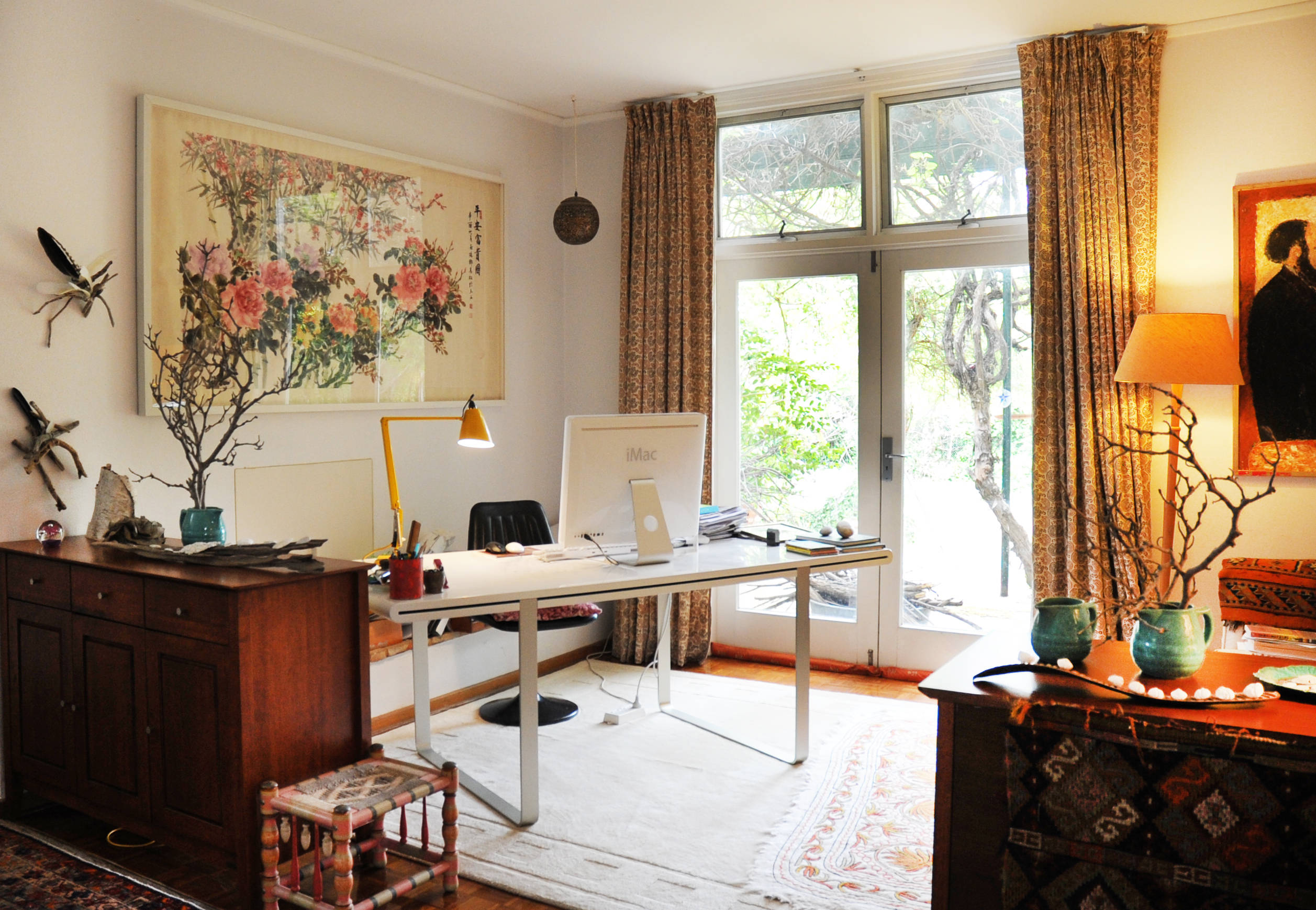
Mirrors can help if space is tight. Place a mirror so you can see the door from your desk. It adds a sense of security without moving your furniture. Mirrors also make the room look bigger and brighter. Use them carefully to avoid reflections that distract. This trick balances visibility and comfort.
Credit: www.houzz.com.au
Light And View Considerations
Choosing the right spot for your desk in a home office affects your work comfort. Light and view play major roles in this decision. Proper lighting boosts mood and energy. A good view can reduce stress and improve focus. This section covers how to use light and views wisely in your workspace.
Maximizing Natural Light
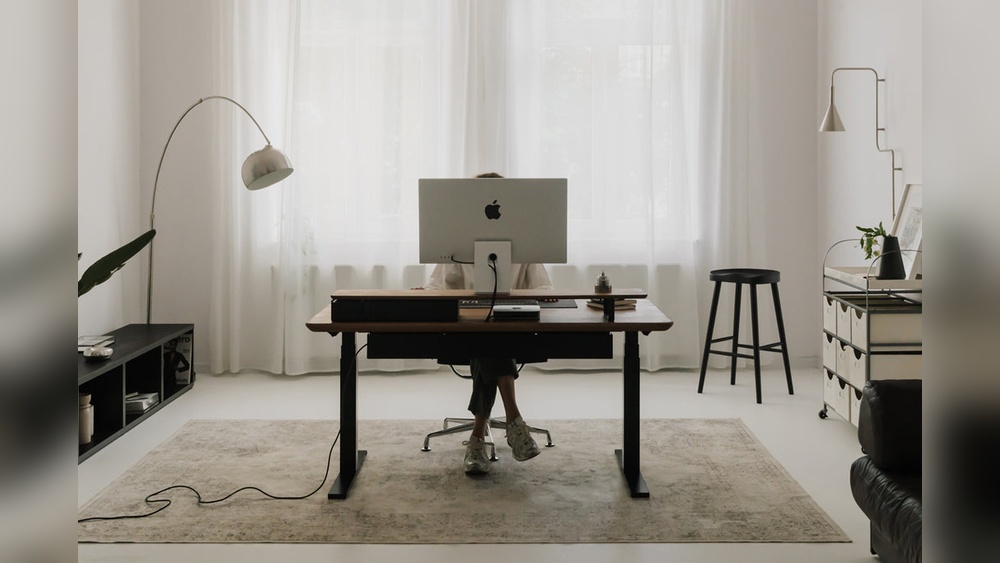
Place your desk near a window to catch daylight. Natural light helps keep you alert and awake. Avoid placing the desk where sunlight hits your screen directly. This can cause harsh reflections and discomfort. Use sheer curtains to soften strong sunlight. Bright rooms feel more open and inviting. Natural light also reduces the need for artificial lamps during the day.
Minimizing Screen Glare
Glare on your computer screen causes eye strain and headaches. Position your desk so windows are to the side, not in front or behind the monitor. This reduces reflections on the screen. Adjust blinds or curtains to control brightness. Use anti-glare screen protectors if needed. Proper desk lighting also helps reduce glare. Balanced lighting prevents eye fatigue and improves productivity.
Choosing Pleasant Views
Look for a view that relaxes and inspires. Greenery, trees, or a garden can calm your mind. Avoid busy streets or noisy areas that distract you. A peaceful view helps reduce stress and keeps you focused. If no nice view is available, decorate with artwork or plants. These elements bring nature indoors and boost creativity. A pleasant view makes long work hours more enjoyable.
Feng Shui Desk Directions
Feng Shui desk directions guide where to place your desk for better energy and focus. Positioning your desk correctly brings calmness and boosts productivity. It balances energy flow in your home office.
Small changes in desk direction can create a big difference in work quality. The goal is to find a spot that feels natural and empowering. Follow these Feng Shui tips to arrange your desk well.
Facing The Door Without Direct Alignment
Place your desk so you see the door clearly. This position helps you feel safe and aware. Avoid sitting directly in line with the door. This stops energy from rushing past you.
Your back should never face the door. Facing the door gives you control over your space. It also reduces stress and distractions while working.
Recommended Directions For Control
North, northeast, and east directions support focus and growth. Facing north brings good fortune and stability. Northeast sparks creativity and new ideas.
East direction promotes financial growth and fresh energy. Choose the direction that matches your work goals. This helps you stay motivated and calm.
Creating Positive Energy Flow
Keep your desk area clear and organized to let energy flow. Avoid clutter behind or around your desk. Add plants or natural elements for fresh energy.
Use soft lighting and avoid harsh glare on your screen. Open space in front of your desk invites opportunity. These steps create a peaceful and productive workspace.
Vastu Desk Orientation
Vastu desk orientation guides the ideal placement of your desk for better energy flow. This ancient Indian science suggests specific directions to boost work efficiency and harmony. Correct placement can improve focus, creativity, and financial success.
South And Southwest Placement
Placing your desk in the south or southwest part of the room brings stability. These directions offer strong support for decision-making and leadership. It helps you stay grounded and confident during work hours. Avoid facing your back to the south or southwest to keep positive energy flowing.
Facing North Or East For Productivity
Facing north or east while working increases concentration and productivity. North direction connects to calm and steady energy, ideal for detailed tasks. East direction brings fresh energy and new ideas, perfect for morning work. Keep your desk free from clutter in these directions to maintain focus.
Directions For Creativity And Finance
The northeast direction enhances creativity and innovative thinking. It is best for artists, writers, and designers. Facing east or southeast supports financial growth and prosperity. These directions help attract opportunities and improve money management. Place your desk so natural light comes from the east for better results.
Room Layout And Space Use
Designing your home office starts with understanding the room layout and space use. Proper desk placement improves comfort and productivity. It also helps create a pleasant work environment. Consider the size and shape of the room before choosing a spot. Look at natural light sources, doorways, and furniture arrangement. Plan to use the space efficiently to avoid overcrowding or wasted areas.
Avoiding Cluttered Areas
Choose a desk location away from cluttered spaces. Avoid corners filled with boxes or extra furniture. Keep your work area clear of distractions and mess. A tidy desk helps you focus better. Use storage solutions to keep supplies organized. Make sure there is enough room to move comfortably around your desk.
Considering Ceiling Height
Pay attention to the ceiling height in your chosen spot. Low ceilings can make the space feel cramped. Tall ceilings create a sense of openness and freedom. Position your desk where the ceiling height feels comfortable. Avoid placing the desk under sloping or uneven ceilings. This prevents a feeling of confinement and supports good posture.
Balancing Privacy And Accessibility
Find a balance between privacy and easy access. Place the desk where you can work without interruptions. Avoid high-traffic areas that cause noise and distractions. At the same time, keep your desk accessible for breaks and meetings. Choose a spot that offers some quiet but stays connected to the rest of your home. This balance improves focus and comfort during work hours.
Practical Productivity Tips
Setting up your desk in the home office is more than just picking a spot. Practical productivity tips help create a space where work flows smoothly. Small changes in desk placement can reduce stress and boost focus. Design your area to support comfort and efficiency every day.
Reducing Distractions
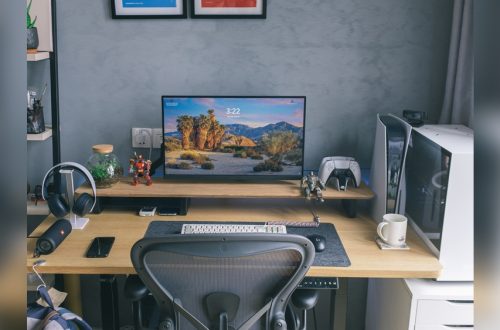
Place your desk away from noisy areas in your home. Avoid spots near televisions or high-traffic hallways. Use walls or shelves to block visual distractions. Facing a blank wall or a neat view helps keep your mind clear. Keep your desk clean and clutter-free to maintain focus.
Ergonomic Desk Positioning
Set your desk at a height where your arms rest comfortably. Your feet should touch the floor or a footrest. Position the screen at eye level to avoid neck strain. Ensure natural light comes from the side, not behind or in front. Adjust your chair and desk to support a healthy posture all day.
Incorporating Storage Solutions
Keep essential items within arm’s reach to save time. Use drawers or shelves to store supplies neatly. Vertical storage helps free up desk space for working. Label containers to find things quickly and avoid distractions. A tidy desk with smart storage keeps your workflow smooth and stress-free.
Desk Placement By Room Type
Desk placement varies widely depending on the room type in your home. Each space offers unique challenges and benefits. Choosing the right spot helps improve focus and comfort. Consider natural light, distractions, and space availability. Planning desk placement by room type makes your workspace more productive and pleasant.
Bedroom Office Setup
In a bedroom, find a quiet corner for your desk. Avoid placing it too close to the bed to reduce distractions. Near a window works well to bring in natural light. Use compact desks to save space. Keep your work area separate from sleep zones to maintain balance.
Living Room Workspaces
Living rooms are often busy and shared spaces. Position your desk where foot traffic is minimal. A spot near a window adds light and fresh air. Use room dividers or shelves to create a visual boundary. Choose desks that blend with living room decor for harmony.
Dedicated Home Office Rooms
Rooms dedicated to work offer more freedom in desk placement. Center your desk to face the door without being in direct line. This “command position” boosts focus and control. Arrange storage and equipment within easy reach. Ensure good lighting and minimal distractions for better productivity.

Credit: www.reddit.com
Credit: www.houzz.com.au
Frequently Asked Questions
Where Should A Desk Be Placed In A Home Office Window?
Place your desk perpendicular to the window to enjoy natural light without screen glare. Avoid direct sunlight on your monitor for comfort and productivity.
Which Direction Is Best For A Work Desk At Home?
Place your desk facing the door but not directly in line with it for control and focus. Face east or north to boost creativity and financial success. Position the desk near a window for natural light without screen glare. Avoid distractions by facing a calm area or wall.
Where Should A Desk Be Placed In A Feng Shui Home Office?
Place your desk in the command position—facing the door but not directly aligned with it. Maximize natural light by positioning it perpendicular to a window. Face north or east for positive energy and avoid distractions for better focus and productivity.
Should A Desk Face A Wall Or Door?
Place your desk to face the door without being directly in line with it. Avoid having your back to the door. Facing a wall is fine if it minimizes distractions. Position near natural light without glare for comfort and productivity.
Conclusion
Choosing the right spot for your home office desk boosts focus and comfort. Place it near natural light, but avoid glare on your screen. Facing the door without sitting directly in front helps you feel more in control. Keep distractions low by selecting a quiet corner.
Think about your room’s layout and your work habits. A well-placed desk can make work feel easier and more enjoyable. Small changes in desk placement may improve your daily productivity and mood. Experiment until you find what feels best for you.