Looking at your dining room walls and wondering how to bring them to life? You’re not alone.
Those blank spaces hold the secret to transforming your entire dining area from ordinary to extraordinary. Whether you want to create a cozy atmosphere for family dinners or impress guests during gatherings, how you decorate your walls makes all the difference.
Imagine walking into your dining room and feeling instantly inspired by the art, colors, and textures that surround you. In this guide, you’ll discover simple yet powerful ideas to decorate your dining room walls that fit your style, space, and budget. Ready to turn your dining room into the heart of your home? Let’s dive in and make your walls speak your style loud and clear.
Statement Art
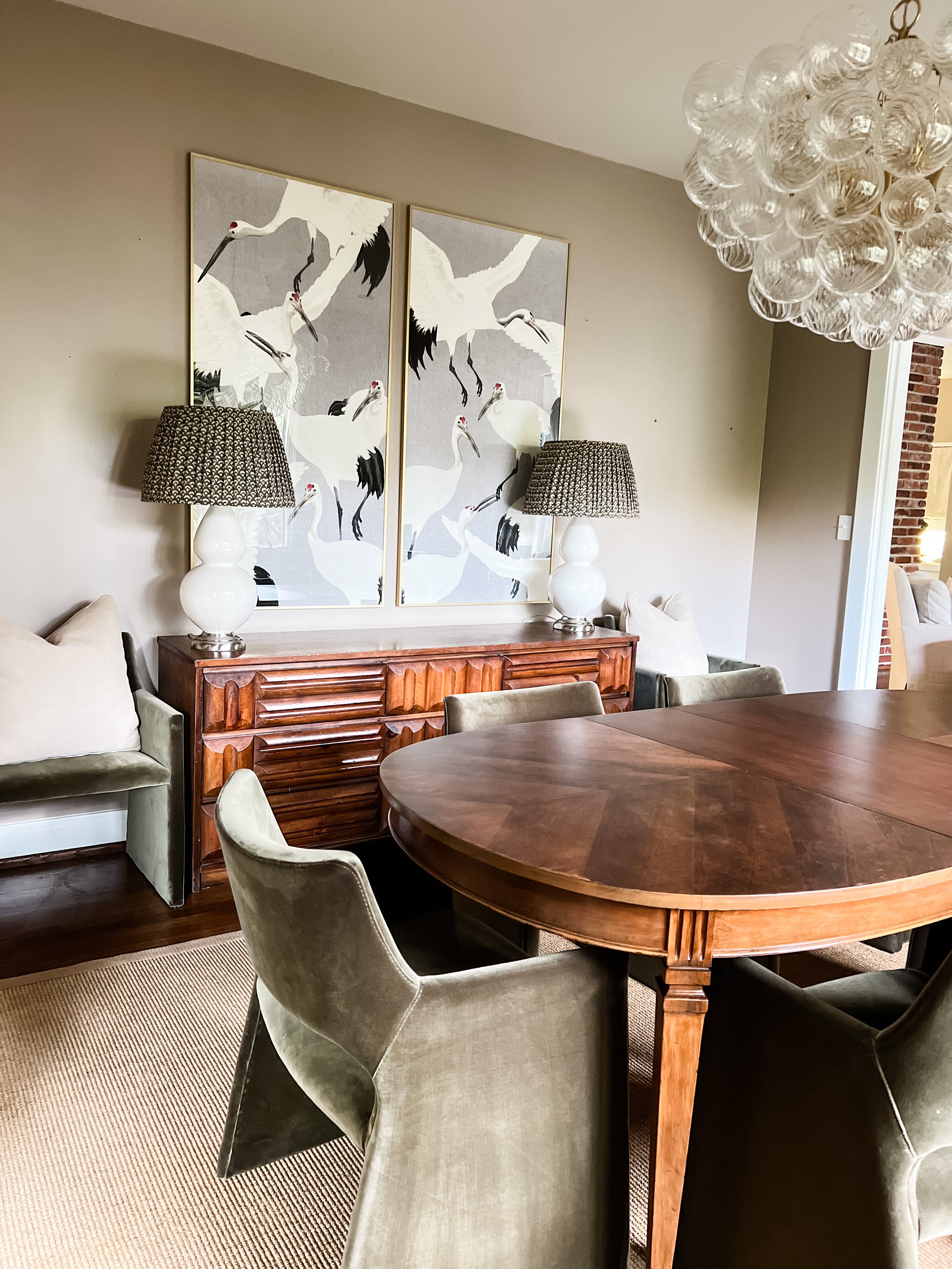
Statement art transforms dining room walls into a visual highlight. It adds personality and style instantly. Choosing the right piece creates mood and sparks conversation. Statement art turns a plain wall into a stunning display. It can reflect your taste and complement your decor.
Oversized Paintings
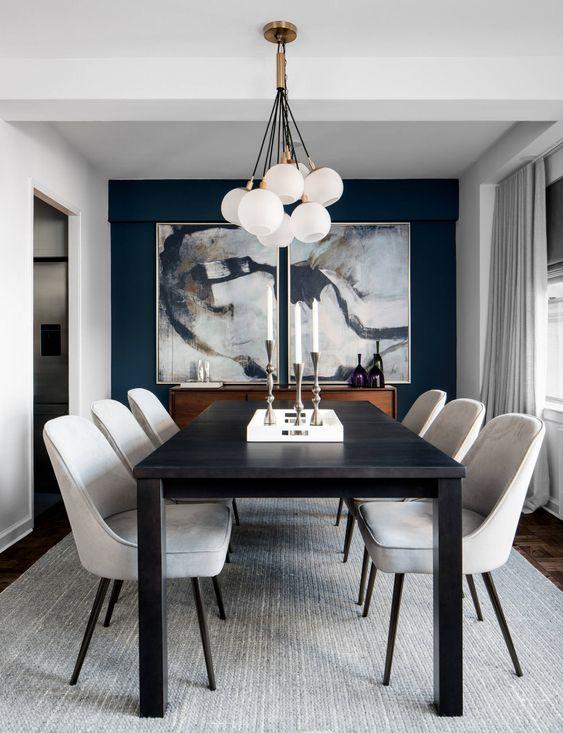
Large paintings draw the eye and fill empty space well. They add color and texture to the room. An oversized painting works best on a big, bare wall. Choose one that matches your dining room’s color scheme. It creates a bold and elegant look quickly.
Bold Prints And Photographs
Bright prints and striking photos add energy to the dining space. They bring life and personality to plain walls. Pick prints with sharp shapes or strong colors for impact. Black and white photos can add a classic feel. Frame them simply to keep attention on the art.
Creating A Focal Point
Statement art makes a clear focal point in your dining room. It anchors the room and guides the eye. Place the piece above the dining table or on the largest wall. Keep surrounding decor minimal to keep focus on the art. A strong focal point adds balance and style to the space.
Credit: www.clickandlove.co
Gallery Walls
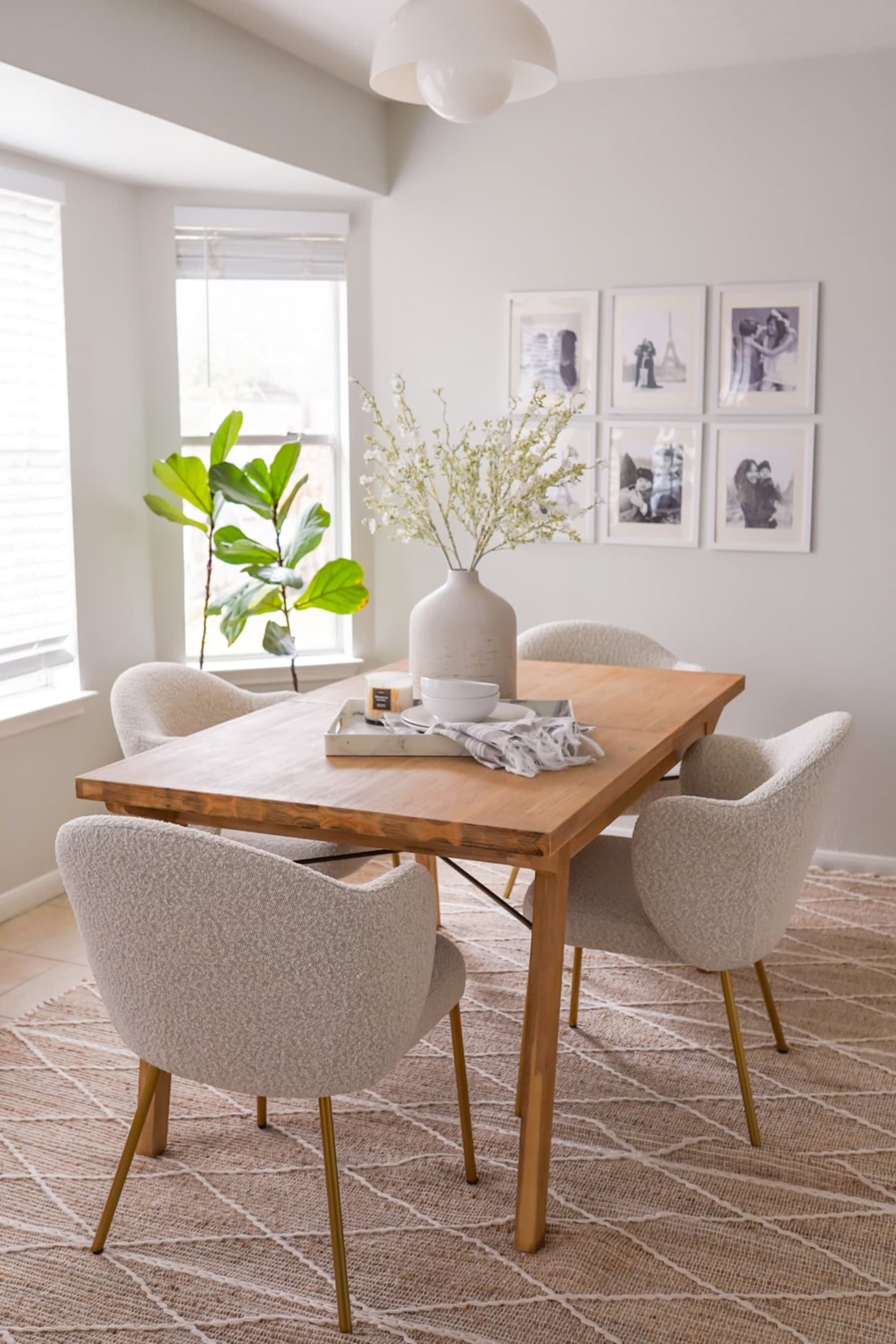
Gallery walls turn plain dining room walls into eye-catching displays. They bring personality and warmth to your space. You can mix photos, prints, and art pieces to create a unique look. This style works well in dining rooms of any size. It helps fill empty wall space without overwhelming the room.
Gallery walls invite guests to enjoy your favorite memories and artworks. They offer endless options for creativity and style. Choose a theme or keep it eclectic. The key is to balance the arrangement for a pleasing look.
Arranging Photos And Prints
Start by gathering your photos and prints. Lay them out on the floor to find the best order. Group pieces with similar colors or themes together. Keep the spacing between frames even for a clean look. Smaller pieces can fill gaps between larger ones. Use paper templates on the wall to plan before hanging.
Casual Vs Grid Layouts
Grid layouts use straight lines and equal spacing. They create a neat, organized appearance. Perfect for modern or minimalist dining rooms. Casual layouts feel relaxed and organic. Frames are placed in varied sizes and positions. This style suits eclectic or bohemian decor. Choose the layout that fits your room’s mood and style.
Mixing Art And Memorabilia
Combine artwork with personal items like souvenirs or letters. This mix adds depth and story to your gallery wall. Use shadow boxes for 3D objects such as medals or small crafts. Keep colors and styles cohesive to avoid clutter. Memorabilia makes your dining room feel lived-in and special. Balance personal items with art for a harmonious display.
Textured Wall Hangings
Textured wall hangings bring warmth and depth to dining room walls. They create a cozy and inviting atmosphere. These decorations add layers of interest beyond flat paint or wallpaper. Textured pieces catch the eye and invite touch. They make your dining space feel personal and unique.
Using Tapestries
Tapestries offer a large, soft surface to decorate walls. They come in many patterns and colors. Hanging a tapestry can fill empty wall space quickly. The fabric adds texture and a cozy vibe. Choose a tapestry that matches your dining room style. It can be traditional, modern, or boho. Secure it with a rod or clips for easy display.
Incorporating Decorative Plates
Decorative plates create a charming and textured wall display. Arrange plates in a pattern or scattered design. Use plates with different shapes, sizes, and colors. This mix adds depth and visual interest. Mount plates with wall-safe hooks or plate hangers. The glossy surface contrasts nicely with matte wall paint. Plates can reflect your personality and style.
Showcasing Personal Art
Personal art makes your dining room walls truly unique. Display family photos, children’s drawings, or handmade crafts. Use frames or clipboards to add neatness and texture. Layer art pieces to create a gallery feel. Personal art invites conversation and warmth. It turns your dining area into a space full of memories and stories.
Mirrors And Light
Mirrors brighten dining rooms by reflecting natural and artificial light. They add a sense of depth and make walls feel lively. Using mirrors on dining room walls creates an inviting and spacious atmosphere. This simple addition changes the room’s mood instantly.
Choosing Mirror Styles
Select mirrors that fit your dining room’s style and size. Round mirrors bring softness and balance to angular spaces. Rectangular or square mirrors offer a clean, modern look. Ornate frames add elegance for classic or vintage rooms. Frameless mirrors create a sleek, minimalist feel. Consider the mirror’s size; larger mirrors make a stronger impact. Small mirrors work well in clusters for a decorative effect.
Enhancing Space And Brightness
Place mirrors opposite windows to maximize natural light. They bounce sunlight around the room, making it appear larger and brighter. Mirrors near light fixtures enhance artificial light during evenings. Use multiple mirrors to create a gallery effect that adds dimension. Reflective surfaces increase the room’s visual space without extra furniture. This trick helps smaller dining areas feel open and welcoming.
Shelves And Functional Decor
Shelves and functional decor bring both style and practicality to dining room walls. They create space for displaying personal items and useful objects. This approach makes the dining area inviting and organized.
Choosing the right shelves and hooks can enhance the room’s look without clutter. These elements provide a place for art, plants, or everyday essentials. Functional decor combines beauty with purpose, perfect for dining spaces.
Floating Shelves For Display
Floating shelves offer a sleek and modern way to decorate walls. They seem to “float” without visible brackets, adding a clean look. Use them to showcase small plants, framed photos, or decorative plates.
These shelves help keep surfaces clear while adding height and dimension. Place them at eye level for easy viewing. Mixing different shelf sizes can create an interesting visual display.
Wood, metal, or glass floating shelves fit various decor styles. Choose materials that match your dining room’s theme. Keep the arrangement simple to avoid a cluttered feel.
Decorative Hooks For Style And Storage
Decorative hooks serve as stylish accents and storage solutions. Hang items like woven baskets, aprons, or lightweight utensils. This adds texture and color to the walls.
Hooks can fill empty wall space while keeping things within reach. Use unique designs that match your room’s style—vintage, modern, or rustic. Group hooks in patterns for visual interest.
Besides storage, hooks act as art pieces. Choose hooks with decorative shapes or finishes. They bring character and function without overwhelming the room.
Credit: www.castlery.com
Lighting Features
Lighting features can transform your dining room walls. They add warmth and style. Good lighting highlights your decor and sets the mood. Choose the right fixtures to complement your design. Lighting can be both practical and decorative.
Wall Sconces As Sculptural Elements
Wall sconces do more than light the room. They act as art pieces on your walls. Choose sconces with unique shapes or materials. Metal, glass, or ceramic sconces bring texture and interest. Place them symmetrically around artwork or mirrors. Their soft glow creates a cozy dining atmosphere. Sculptural sconces add depth and style without clutter.
Ambient Lighting Ideas
Ambient lighting creates a gentle, overall glow. Use dimmable LED strips behind wall panels or shelves. Soft uplighting highlights wall textures and colors beautifully. Candles or lantern-style fixtures add charm and warmth. Layer light sources for flexibility during meals or gatherings. Ambient light makes your dining room inviting and relaxing.
Wall Treatments
Wall treatments bring personality and style to your dining room walls. They create a backdrop that enhances your furniture and decor. Choosing the right wall treatment can change the whole mood of the room. Some options add color and pattern, while others add texture and depth. Here are two popular choices to consider.
Murals And Wallpaper
Murals and wallpaper add visual interest and charm to dining room walls. Choose from bold patterns or subtle designs to fit your style. A mural can tell a story or show a scenic view. Wallpaper comes in many colors and textures, making it easy to find the perfect match. It covers large areas quickly and hides wall imperfections. Both options turn plain walls into eye-catching features.
Textured Panels And Tiling
Textured panels and tiling add depth and dimension to your walls. They create a tactile experience that invites touch. Wood, stone, or 3D panels bring warmth and sophistication. Tiles come in many shapes, colors, and finishes for a unique look. These materials work well as accent walls or behind a dining table. They also protect walls from damage and are easy to clean.
Soft Textures And Drapery
Soft textures and drapery bring warmth and comfort to dining room walls. They create a cozy, inviting space for meals and gatherings. Using fabric elements adds depth and a gentle touch to hard surfaces.
Textured fabrics can soften the look of the room. Drapes or curtains provide style and function by controlling light and adding privacy. These elements make the dining area feel more complete and well-designed.
Adding Drapery For Warmth
Choose drapes in soft, natural fabrics like linen or cotton. These materials feel light yet provide a warm texture on the walls. Pick colors that match or complement your dining room palette. Floor-length curtains add elegance and draw the eye upward, making the room feel taller.
Use simple curtain rods in metal or wood for a clean look. Layering sheer curtains with heavier drapes offers flexibility. Sheers diffuse sunlight, while thick drapes block light and sound. This layering also adds visual interest and a plush feel.
Mixing Textures On Walls
Combine different textures to create a dynamic dining space. Pair soft drapery with textured wall art or fabric panels. Consider adding a woven wall hanging or tapestry for a tactile accent. These pieces add character without overwhelming the room.
Textured wallpaper or paint finishes can enhance the soft fabric feel. A subtle stucco or grasscloth wall covering works well. Balance is key; too many textures can clutter the space. Aim for a harmonious mix that invites touch and sight.
Natural Elements
Natural elements bring warmth and freshness to your dining room walls. They create a calm, inviting space where people enjoy meals and conversations. Using plants and greenery adds life and texture. The organic feel connects the indoors with nature. It also improves air quality and brightens the room.
Creating A Plant Wall
A plant wall is a great way to decorate your dining room with nature. Use small pots or hanging planters to build a green vertical garden. Choose plants that thrive indoors, like pothos, ferns, or succulents. Arrange them in a pattern or mix sizes for a more natural look. This wall becomes a vibrant focal point and adds fresh air to the space.
Incorporating Greenery With Decor
Greenery can blend with other wall decor to enhance natural vibes. Try framing pressed leaves or botanical prints for simple art. Use wooden shelves to hold small potted plants or herbs. Woven baskets or natural fiber wall hangings also complement greenery well. These touches create a cozy, earthy atmosphere in your dining room.
Layered Styling Techniques
Layered styling techniques bring depth and personality to dining room walls. This approach blends different elements, making your space feel warm and inviting. Mixing styles, colors, and textures helps create a balanced and visually appealing environment. Each layer adds its own charm and enhances the overall look.
Combining Patterns
Mixing patterns adds interest and energy to the walls. Use stripes, florals, or geometric shapes together, but keep colors similar. This balance avoids clashing and keeps the look cohesive. Patterns can appear in wallpaper, fabric wall hangings, or framed prints. Layering patterns in small doses creates a lively but calm effect.
Mixing Design Eras
Blend modern and vintage pieces for a unique style. Pair a sleek, contemporary frame with classic artwork or antique mirrors. This mix tells a story and adds character to your dining room. Combining old and new design eras shows your personality and creates a timeless feel. Use simple shapes and neutral tones to unify the look.
Using Colors And Textures
Colors and textures bring warmth and dimension to plain walls. Paint a wall in a bold color, then add textured art or fabric panels. Textures like wood, metal, and woven materials add tactile appeal. Choose colors that complement your furniture and lighting. This layering creates a cozy, inviting dining space that feels complete.
Credit: blog.displate.com
Frequently Asked Questions
What To Put On The Walls Of A Dining Room?
Decorate dining room walls with large statement art, gallery walls, mirrors, floating shelves, or stylish sconces. Add tapestries or murals for texture and color. Personal photos, decorative plates, and plant walls also enhance ambiance and style. Choose elements that brighten and complement your dining space.
What Is The 3 4 5 Rule In Interior Design?
The 3-4-5 rule in interior design guides furniture placement using a triangle with sides of 3, 4, and 5 feet. It ensures balanced spacing and flow in rooms. This method helps create harmonious layouts and comfortable movement between pieces.
What Is The 3-5-7 Rule In Decorating Interior Design?
The 3-5-7 rule in interior design balances color or decor elements. Use 3 items of one color, 5 of another, and 7 of a third for harmony. This creates visual interest and a well-coordinated space. It guides layering decor without overwhelming the room.
What Do You Put In The Middle Of Your Dining Room Table?
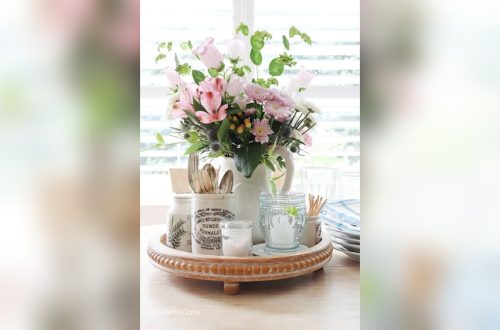
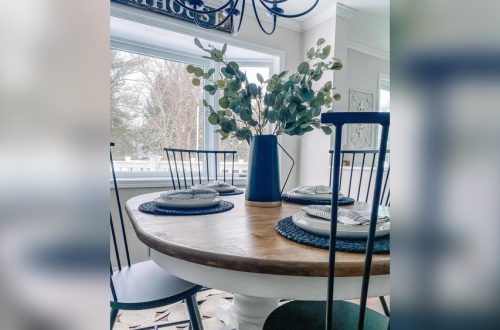
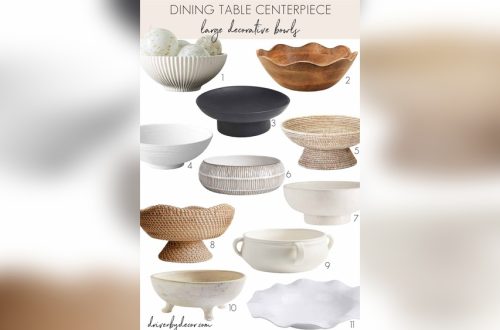
Place a centerpiece like a vase of fresh flowers, a decorative bowl, candles, or a seasonal arrangement. Choose items that complement your dining room style.
Conclusion
Decorating your dining room walls can brighten the entire space. Choose art or mirrors to add light and depth. A gallery wall creates interest with personal touches. Shelves and sconces offer both style and function. Don’t forget textures like tapestries or plants for warmth.
Keep your style simple and true to you. Small changes can make a big difference. Enjoy the process and create a space you love. Your dining room will feel fresh and inviting.