Does your dining room feel a bit dull or cramped because it has no windows? You’re not alone, and the good news is that a windowless dining space doesn’t mean it has to be dark or uninspiring.
In fact, with the right decorating ideas, you can transform your dining room into a cozy, stylish, and inviting place where every meal feels special. Imagine brightening up the room, creating a sense of openness, and adding personality—all without natural light.
Ready to discover simple yet powerful ways to decorate your dining room with no windows? Let’s dive in and make your space shine.
Lighting Solutions
Lighting plays a vital role in brightening dining rooms without windows. The right lights create warmth and depth. Proper lighting makes the space inviting for meals and gatherings. Without natural light, artificial lighting must be layered and well planned.
Layered Artificial Lighting
Use multiple light sources to mimic natural light layers. Start with ceiling lights for general brightness. Add wall sconces to soften shadows and spread light evenly. Combine with floor lamps to fill darker corners. Layered lighting balances brightness and creates a cozy feel.
Accent And Task Lighting
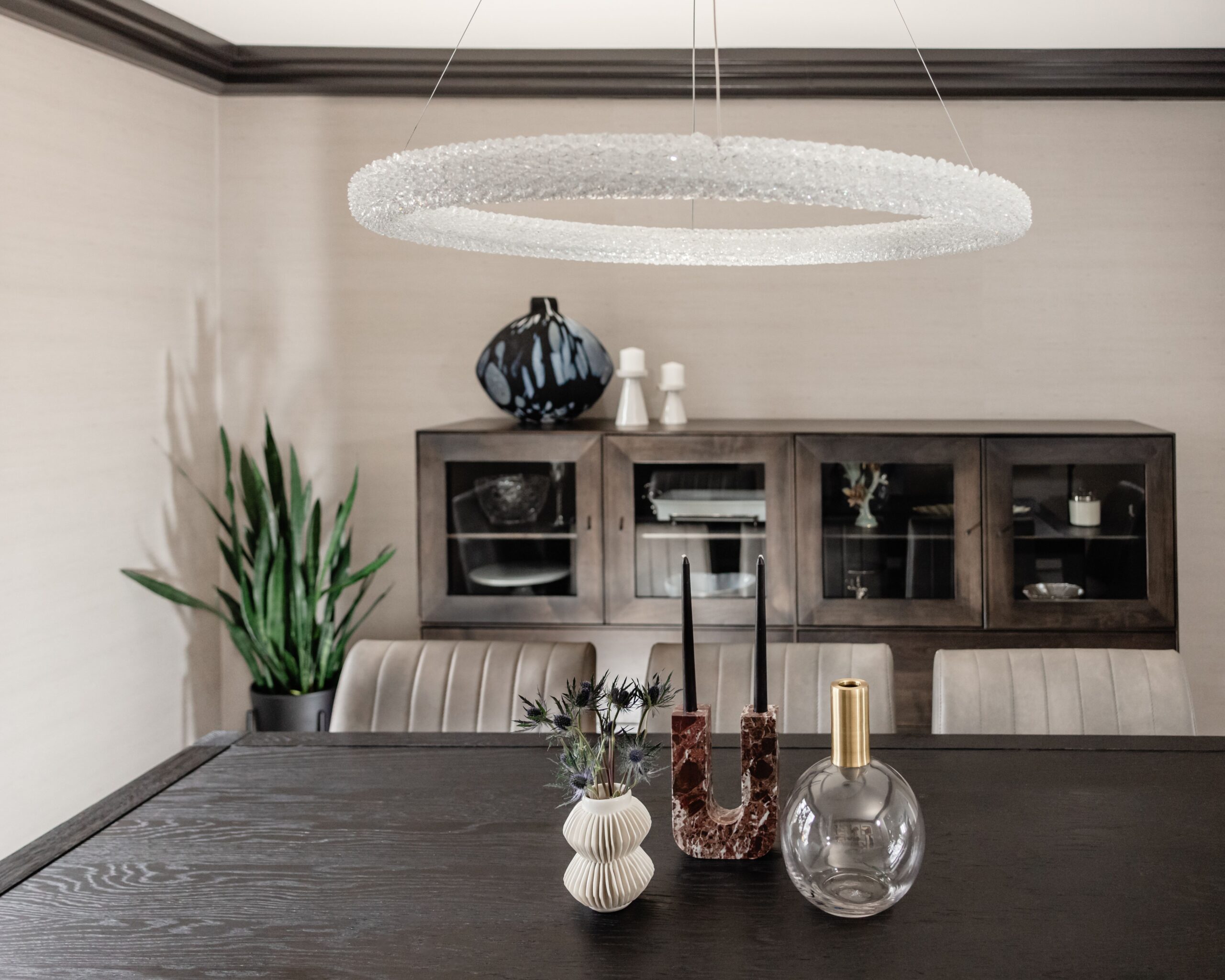
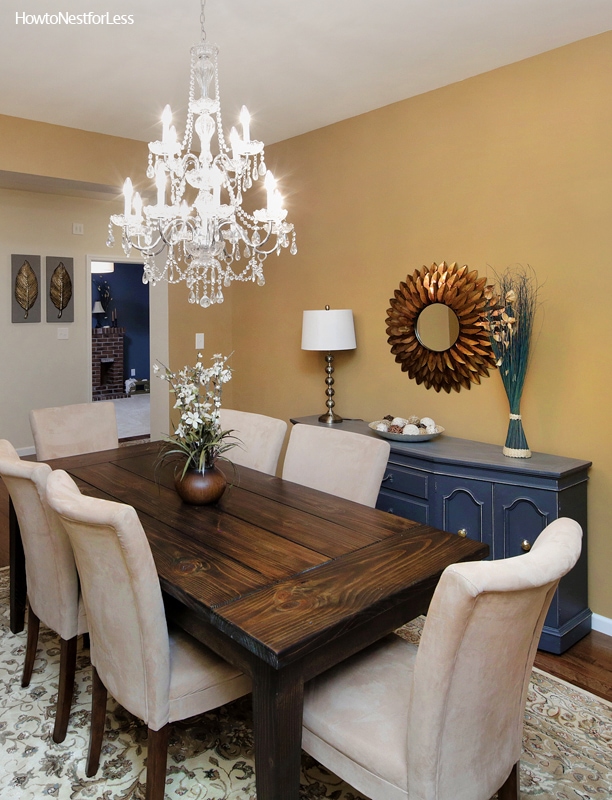
Highlight key areas with accent lighting. Use spotlights or track lights to focus on artwork or decor. Task lighting shines on the dining table for clear visibility. Pendant lights or chandeliers work well above the table. These lights add style and function at once.
Using Mirrors To Amplify Light
Mirrors reflect light and make the room feel bigger. Place a large mirror opposite light sources for maximum effect. Smaller mirrors can be grouped for decorative impact. Reflective surfaces boost brightness and add elegance. This simple trick enhances any windowless dining room.
Color Choices
Choosing the right colors can brighten a dining room without windows. Colors influence how spacious and welcoming a room feels. Light and bright shades help open up enclosed spaces. Using reflective surfaces and contrasting accents adds depth and interest. Thoughtful color choices create a lively dining atmosphere, even without natural light.
Bright And Light Wall Colors
Soft whites, pale yellows, and light pastels make the room feel larger. These colors reflect light well and keep the space airy. Avoid dark colors that absorb light and make the room feel smaller. Light shades also provide a clean backdrop for furniture and decor. Choose warm tones to add coziness without dullness.
Reflective Finishes
Glossy paints and satin finishes bounce light around the room. Mirrors and metallic accents boost brightness and create visual interest. Reflective surfaces prevent the space from feeling flat or dull. Use glass or shiny materials in decor to add sparkle. These finishes help simulate the effect of natural light indoors.
Contrasting Accents
Add pops of color with cushions, rugs, or artwork to avoid monotony. Darker accents provide balance and depth against light walls. Use bold colors in small doses to create focal points. Contrasting tones guide the eye and make the room dynamic. Keep accent colors harmonious with the main palette for flow.
Furniture Selection
Choosing the right furniture can change a dining room with no windows. It helps make the space feel open and inviting. The wrong pieces may make the room feel cramped and dark. Select furniture that adds lightness and function. This creates a balanced and cozy dining area without natural light.
Lightweight And Minimalist Pieces
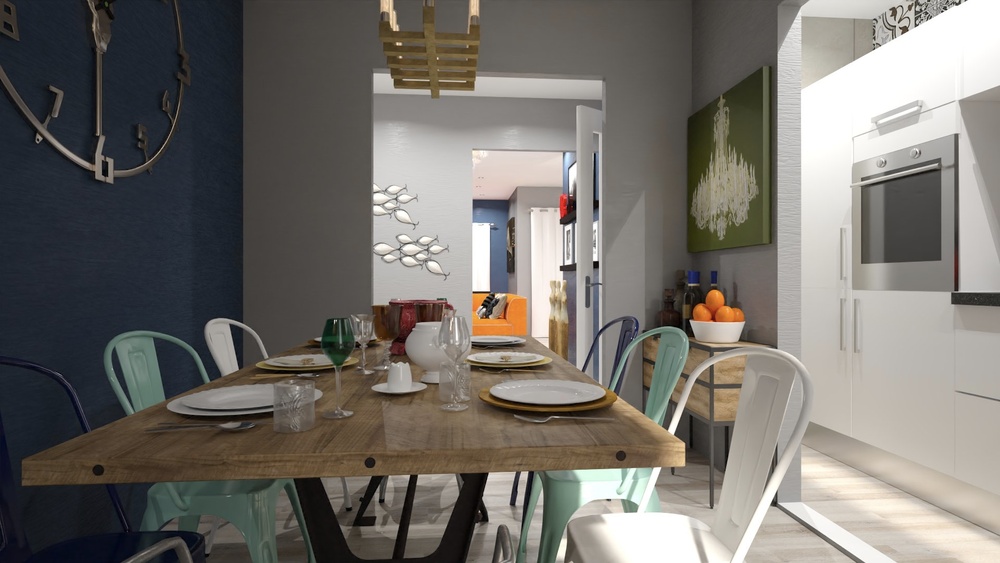
Opt for chairs and tables with slim legs and simple shapes. Bulky furniture blocks light and shrinks the room’s feel. Lightweight pieces create an airy look and allow easy movement. Minimalist designs keep the space neat and calm. Choose neutral or light colors to brighten the area.
Glass And Transparent Materials
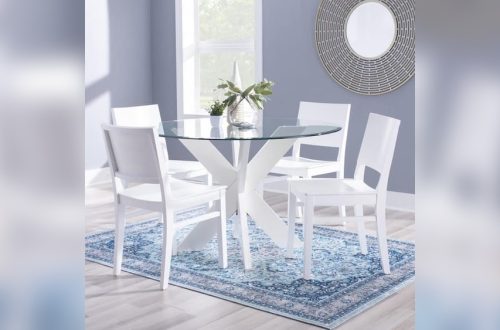
Glass tabletops and acrylic chairs reflect and spread light. They do not block sightlines, which helps the room feel larger. Transparent furniture adds modern style without heaviness. Consider a glass dining table to open up the space visually. These materials reduce visual clutter and enhance brightness.
Multi-functional Furniture
Furniture that serves more than one purpose saves space in a windowless dining room. Look for extendable tables for extra seating when needed. Benches with storage underneath keep the room tidy. Foldable or stackable chairs allow easy rearranging. Multi-functional pieces increase comfort and utility without crowding.

Credit: design-tips.floorplanner.com
Decorative Elements
Decorative elements play a key role in brightening dining rooms without windows. They bring life, texture, and personality to the space. Thoughtful choices can create a warm and inviting atmosphere that compensates for the lack of natural light. Use pieces that add color, interest, and a touch of nature. Keep arrangements low so guests can easily see each other across the table. Here are some ideas to inspire your décor.
Nature-inspired Centerpieces
Fresh flowers offer timeless beauty and a pleasant scent. Choose blooms in vibrant colors to brighten the room. A bowl filled with seasonal fruit adds both color and a tasty treat. Succulents in a small terrarium bring greenery and are easy to care for. Branches or dried lavender in a tall vase add height and a rustic feel. These natural touches help the room feel fresh and lively.
Candles And Lantern Arrangements
Candles create a cozy and warm ambiance perfect for dining. Group several candles of different heights on a tray or stand. Use lanterns for a charming, rustic look. Battery-operated candles are safe and long-lasting. Soft candlelight adds depth to the room and makes it feel intimate. Arrange candles near reflective surfaces to enhance the glow.
Unique Bowls And Trays
Decorative bowls can serve as both art and function. Choose bowls with interesting shapes, textures, or colors. Use trays to organize salt, pepper, or napkins stylishly. A tray can also hold a small plant or candle arrangement. These items add layers and structure to the table setting. They help keep the dining area neat while showcasing your style.
Wall Treatments
Wall treatments can transform a dining room without windows. They add character and help create a cozy atmosphere. Choosing the right wall decor brightens the space and avoids the feeling of confinement. Use walls to bring in texture, color, and light reflection. These ideas turn a plain room into an inviting dining area.
Artwork To Create Depth
Large artwork can make walls feel less flat and dull. Choose paintings or prints with perspective or landscapes. These images give the illusion of depth and space. Bright colors and bold designs draw attention and add energy. Place art at eye level to engage diners and enhance the room.
Textured Wall Panels
Textured panels add visual interest without needing natural light. Materials like wood, stone, or fabric create a warm, tactile feel. Patterns such as geometric shapes or natural waves work well. Panels break the monotony of plain walls and add style. Choose light colors to keep the room feeling open.
Decorative Mirrors
Mirrors reflect light and visually expand the room. Use large or multiple small mirrors with stylish frames. Position mirrors across from light sources to maximize brightness. They add elegance and make the dining space feel larger. Mirrors also create a sense of openness in windowless rooms.
Floor And Rugs
Floors and rugs play a key role in brightening a dining room without windows. The right floor color and rug choice can open up the space. They bring warmth and style that light cannot provide. Thoughtful flooring and rug selection also set the room’s mood and comfort. This section explores ideas for choosing floors and rugs that enhance windowless dining rooms.
Light-colored Flooring Options
Light floors reflect light and make the room feel larger. Whitewashed wood, pale laminate, or soft beige tiles work well. They create a clean and airy look that lifts the whole space. Choose smooth finishes to keep the floor bright. Avoid dark floors that can make the room feel closed in and heavy.
Patterned Rugs For Interest
Patterned rugs add life and personality to a plain floor. Choose rugs with light backgrounds and subtle patterns. Geometric or floral designs can bring energy without overwhelming. Rugs help define the dining area and add color layers. They also soften the space and reduce echo, making it more inviting.
Layering Textures
Mix different textures in flooring and rugs to add depth. Pair smooth floors with soft, plush rugs or natural fiber mats. Wool, cotton, or jute rugs introduce tactile interest. Layer a smaller patterned rug over a larger plain one for a cozy effect. Textures break monotony and create a warm, welcoming feel in windowless rooms.
Greenery And Plants
Greenery and plants bring life to dining rooms with no windows. They add color, texture, and a sense of calm. Plants can brighten dull spaces and improve air quality. Using greenery cleverly creates a fresh, inviting atmosphere without natural light.
Succulents And Terrariums
Succulents need little sunlight and water, perfect for windowless rooms. Their unique shapes and colors add interest. Terrariums hold small plants in glass containers, creating a mini garden. They bring nature indoors and are easy to care for. Place them on the dining table or shelves for a stylish touch.
Planter Boxes For Tables
Planter boxes fit well on dining tables as centerpieces. They hold multiple plants, creating a lush look. Choose low-maintenance plants that survive low light. Wooden or metal boxes add rustic or modern charm. Keep the arrangement low so guests can see each other easily.
Dried Branches And Greenery
Dried branches and greenery offer a natural, long-lasting decor option. They need no water or light, perfect for windowless rooms. Use tall branches in vases to add height and texture. Combine with artificial or dried leaves for fullness. This style adds an organic feel without needing care.
Credit: daraagrussdesign.com
Maximizing Space
Maximizing space in a dining room with no windows is essential for comfort and style. Without natural light, the room can feel smaller and cramped. Clever use of space can open up the area and make it inviting. Focus on keeping the room neat and organized. Smart storage and layout choices help create a spacious feel. These tips will help you maximize your dining room space effectively.
Decluttering Tips
Start by removing items that do not belong in the dining room. Keep the table clear of unnecessary objects. Use only essential dishes and utensils during meals. Store away extra decor that clutters surfaces. A tidy room looks larger and more welcoming. Regularly assess the space to avoid buildup of clutter. Minimalism brings calmness and improves the dining experience.
Storage Solutions
Use furniture with built-in storage to save space. A dining bench with storage underneath works well. Wall-mounted shelves keep items off the floor. Choose slim cabinets that fit the room’s size. Store table linens, dishes, and candles in these areas. Clear containers help find things quickly. Proper storage reduces mess and frees up floor space.
Open Layout Ideas
Arrange furniture to create easy movement around the room. Avoid blocking pathways with large pieces. Position the dining table near the room’s center. Use chairs without arms to save space. Consider folding or extendable tables for flexibility. Open layouts make the room feel airier. Clear sightlines help in making the space appear bigger.
Credit: howtonestforless.com
Frequently Asked Questions
Can A Dining Room Have No Windows?
Yes, a dining room can have no windows. Use bright lighting and light colors to keep it inviting and airy.
What Do You Put In The Middle Of Your Dining Room Table?
Place a low centerpiece like fresh flowers, succulents, or a fruit bowl. Use candles, lanterns, or decorative trays for style and function. Keep arrangements low to maintain clear sightlines for guests. Vintage items or planter boxes add unique charm to the dining table.
How To Make A Room With No Window Look Better?
Use bright paint and mirrors to reflect light. Add layered lighting with lamps and LED strips. Incorporate plants and light-colored furniture to create a fresh, open feel. Choose minimalist decor to avoid clutter and enhance space perception.
Should A Dining Room Have Windows?
A dining room benefits from windows by providing natural light and ventilation. Windows create a bright, inviting atmosphere and enhance meal experiences. However, windowless dining rooms can also look stylish with proper lighting and decor.
Conclusion
Decorating a dining room without windows is simple and fun. Use light colors to make the space feel bigger. Add mirrors to reflect light and create depth. Choose bright lighting with warm tones for a cozy mood. Bring in plants and natural elements for freshness.
Keep furniture and decor minimal to avoid clutter. These tips help your dining room feel welcoming and stylish. Enjoy creating a space that suits your taste and needs perfectly.