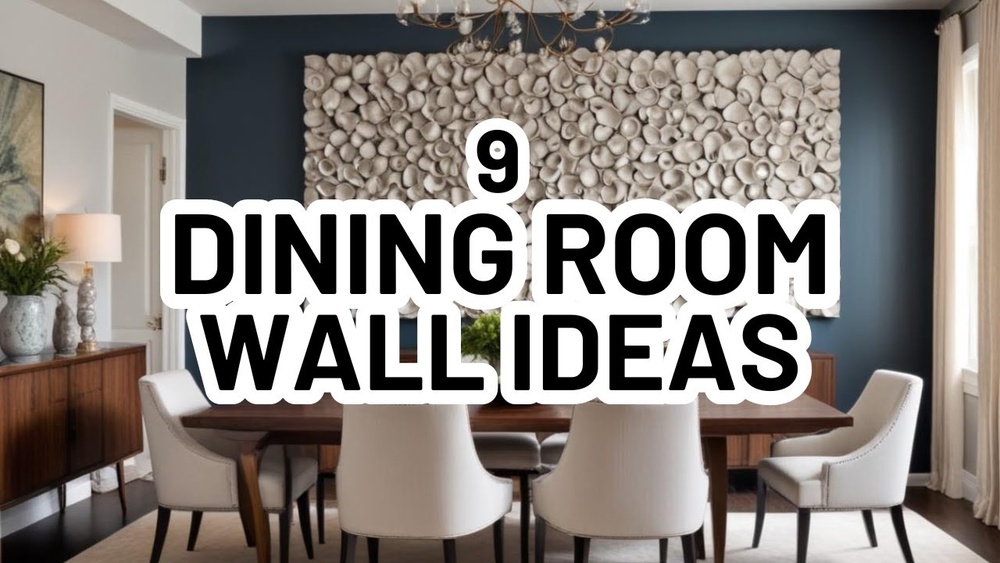
Your dining room walls hold more potential than you might think. They’re not just empty spaces; they’re opportunities to express your style, set the mood, and make every meal feel special.
Imagine walking into your dining room and feeling instantly welcomed by a warm, inviting atmosphere that reflects who you are. Whether you want a bold statement or a subtle charm, how you decorate your dining room walls can completely transform the space.
Ready to discover simple, creative ideas that can turn your walls into a stunning backdrop for memorable gatherings? Let’s dive in and explore how you can make your dining room truly shine.
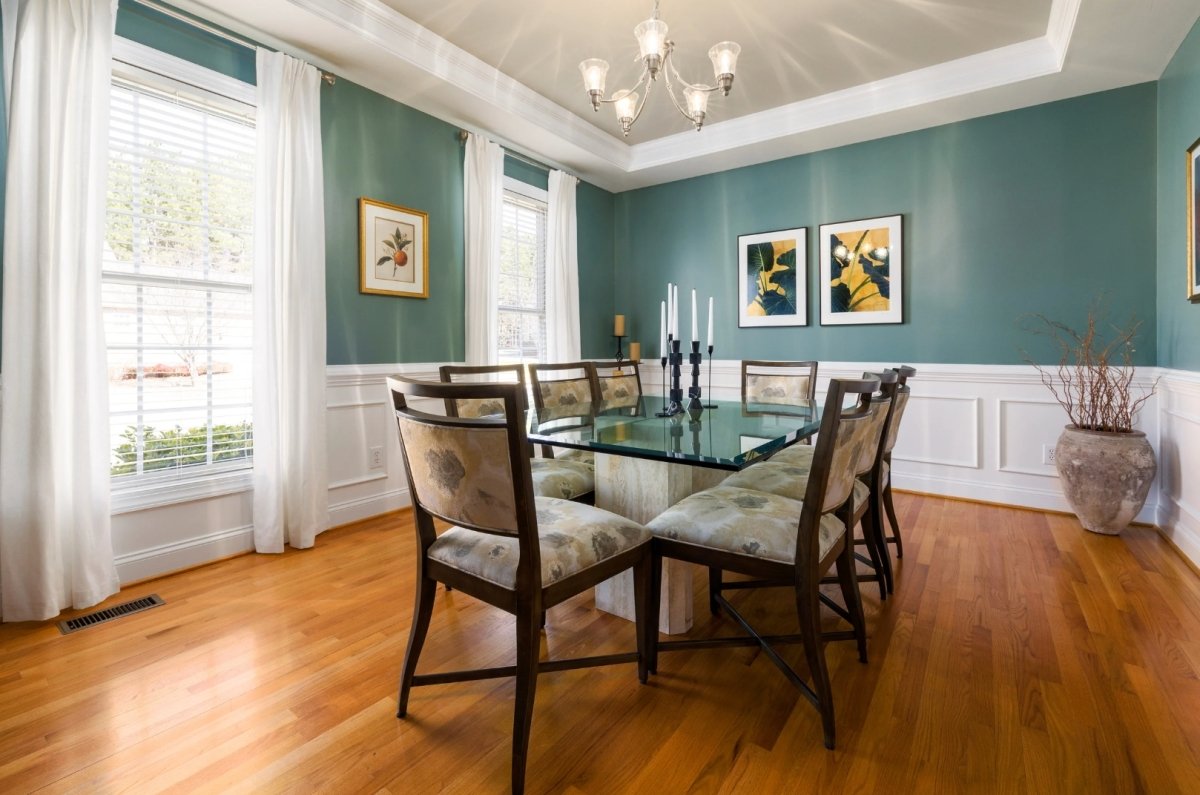
Credit: vybeinterior.com
Accent Wall Ideas
Creating an accent wall in your dining room adds character and focus. It breaks the monotony of plain walls and brings warmth to the space. Accent walls can reflect your style and set the mood for meals and gatherings.
Choose a wall that naturally draws attention, like the one behind your dining table. Use colors, textures, or patterns that contrast with the other walls. This makes the accent wall stand out without overwhelming the room.
Wood Slats And Shiplap
Wood slats and shiplap offer a classic, natural look. They add depth and texture with simple, horizontal lines. Light or dark wood tones create a cozy, inviting atmosphere. You can paint them white for a clean, modern feel or keep the wood natural for rustic charm. These materials are easy to install and work well with many design styles.
Black And Gold Themes
Black and gold create a bold, elegant accent wall. Black brings sophistication and drama. Gold adds warmth and a touch of luxury. Use matte black paint with gold accents like trim or stencils for a refined look. This theme suits formal dining rooms and adds a stylish flair without being too flashy.
Rustic And Industrial Styles
Rustic and industrial accent walls use raw, textured materials. Exposed brick, concrete, or reclaimed wood work well here. These materials give a rugged, authentic look that feels welcoming. Pair with metal light fixtures or vintage decor for a cohesive style. This theme is perfect for those who like a casual yet trendy dining space.
Wallpaper Patterns
Wallpaper offers endless patterns and colors for your dining room wall. Choose floral, geometric, or abstract designs to match your taste. Textured or metallic wallpaper adds extra interest and light reflection. Wallpaper is an easy way to introduce personality and style without permanent changes. It brightens the room and makes the wall a true centerpiece.
Credit: www.castlery.com
Gallery Wall Designs
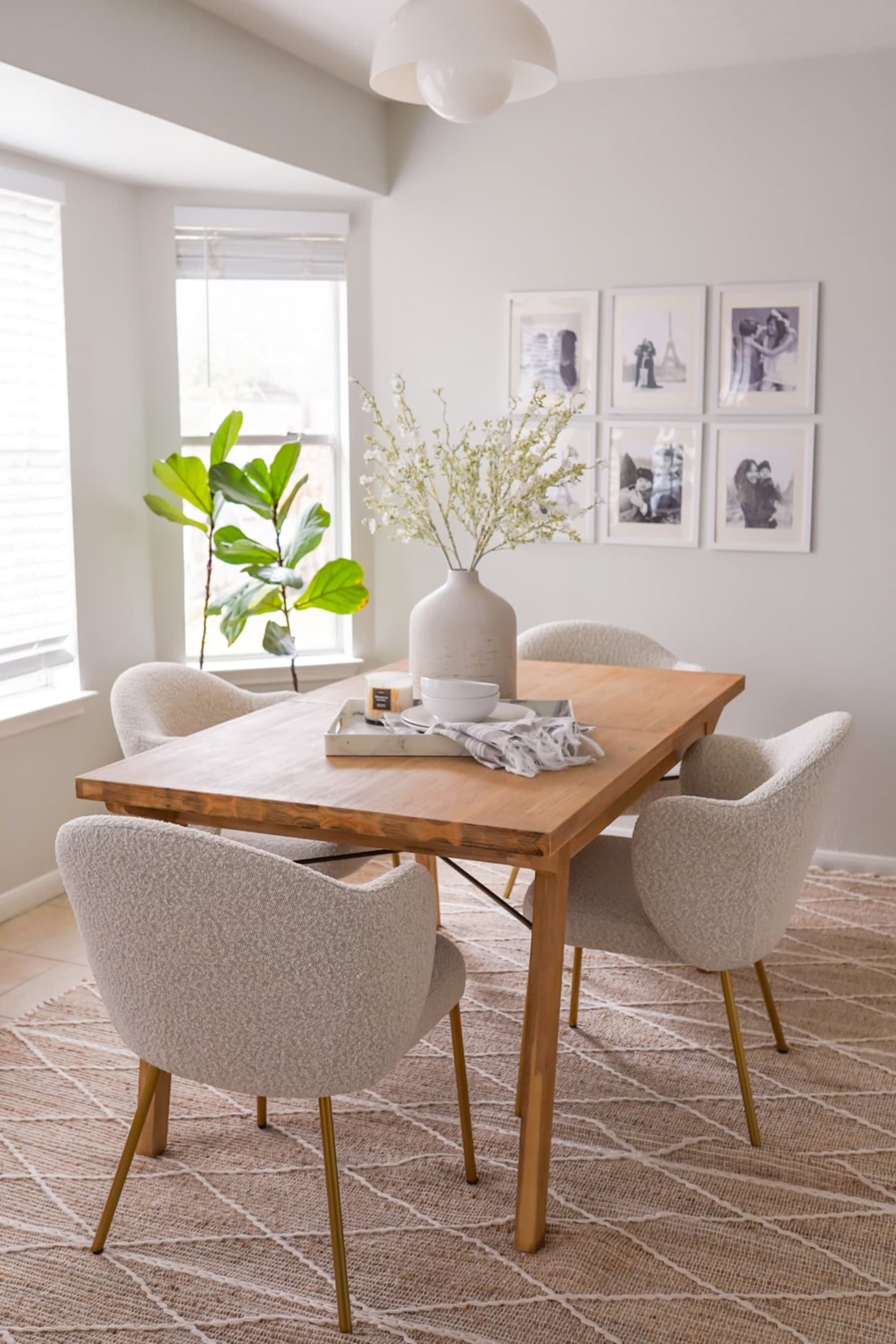
Gallery walls bring life and personality to your dining room walls. They create a focal point that draws attention and sparks conversation. Using a mix of photos, prints, and personal items, you can design a unique display that matches your style.
Start with a plan for arrangement and stick to a theme or color palette. This keeps the gallery wall balanced and pleasing to the eye. A well-designed gallery wall turns your dining space into a warm and inviting area.
Arranging Photos And Prints
Choose photos and prints that tell a story or share memories. Lay them out on the floor before hanging to find the best order. Keep spacing even between frames for a neat look. Use similar frames or mix styles for a diverse feel. Align the center of the gallery at eye level for easy viewing.
Mixing Art And Personal Items
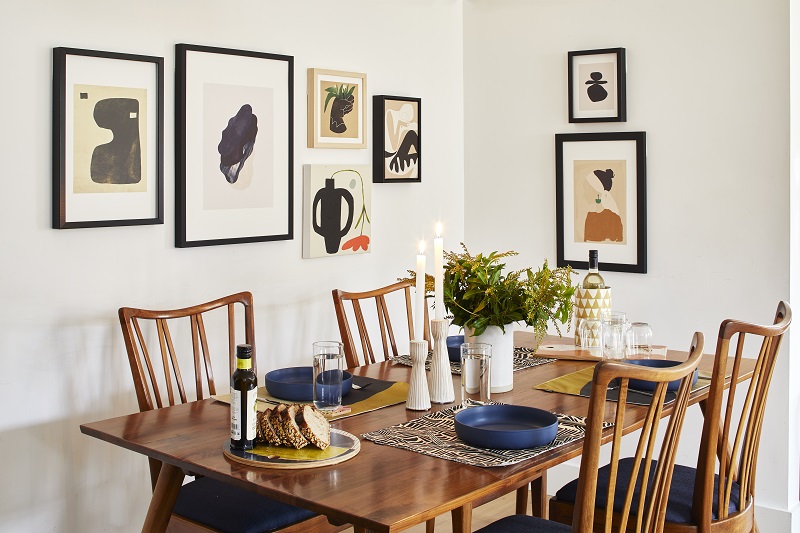
Combine artwork with personal items like plates, small sculptures, or keepsakes. This adds texture and depth to the wall. Keep the size of items balanced to avoid clutter. Personal objects bring warmth and make the space feel more lived-in. Use shelves or hooks to hang non-flat items safely.
Casual Vs Grid Layouts
Casual layouts feel relaxed and organic with varied frame sizes and spacing. They suit informal dining rooms or eclectic styles. Grid layouts use uniform frames and equal spacing for a clean, modern look. They work well in formal dining rooms or minimalist designs. Choose a layout that fits your room’s vibe and your personal taste.
Statement Art Pieces
Statement art pieces transform dining room walls with personality and style. These artworks create a focal point and set the room’s mood. Bold choices invite conversation and enhance the dining experience.
Oversized Paintings
Oversized paintings fill large wall spaces and draw attention instantly. They add drama without cluttering the room. Choose colors that complement your dining furniture and lighting. A single large piece can unify the space beautifully.
Bold Abstracts
Bold abstract art brings energy and creativity to dining rooms. Bright shapes and lines spark interest and conversation. Abstracts work well in modern or eclectic decor styles. They offer a fresh look without specific imagery.
Lively Botanicals
Lively botanical prints introduce nature and freshness indoors. Green leaves and colorful flowers brighten walls and create calm vibes. These pieces suit rustic, farmhouse, and traditional settings. They connect the dining area to the outdoors.
Mirror Placement
Mirrors can transform your dining room walls with simple placement. They reflect light and add style without crowding the space. Choosing the right spot for a mirror enhances your room’s charm and feel. Small rooms especially benefit from well-placed mirrors that brighten and open up the area.
Brightening Small Spaces
Placing a mirror opposite a window brings in more natural light. It doubles the light source and makes the room feel airy. In a dining room, this brightens the space and creates a welcoming mood. Use large mirrors to reflect the entire room and add brightness.
Creating Illusion Of Depth
Mirrors add depth by reflecting parts of the room. Position them where they reflect interesting features like artwork or a chandelier. This trick makes the dining room appear bigger than it is. Avoid placing mirrors where they reflect clutter or unappealing views.
Framed Vs Frameless Mirrors
Framed mirrors add a decorative touch to your dining walls. Choose frames that match your room’s style, like rustic wood or sleek metal. Frameless mirrors offer a modern, clean look. They blend into the wall and create a smooth surface. Both types serve different design goals. Pick what fits your room’s vibe best.
Shelving And Displays
Shelving and displays bring style and function to dining room walls. They provide space to show off your favorite items. Shelves keep things organized and add depth to the room. Displays create interest with art, dishes, or decor. Use them to reflect your personality and enhance the dining experience.
Floating Shelves
Floating shelves look clean and modern on any wall. They do not show brackets, giving a sleek, simple feel. Use them to hold small plants, candles, or books. Arrange items with different heights for a balanced look. Choose wood or metal shelves to match your room’s style. They add charm without taking up floor space.
Decorative Hooks
Decorative hooks add a practical and pretty touch. Hang lightweight items like aprons, hats, or small baskets. Hooks come in many shapes and finishes to fit your theme. Place them in a row or cluster to create a pattern. This adds texture and breaks up empty wall space. Hooks keep things handy and add character.
China And Plate Displays
Displaying china or plates adds a classic dining room feel. Use plate racks or wall-mounted holders to show off your collection. Mix patterns and colors for a lively look. Arrange plates in rows or creative shapes like circles or diamonds. This display turns everyday items into art. It adds warmth and history to the space.
Credit: blog.society6.com
Textiles And Tapestries
Textiles and tapestries bring life to dining room walls. They add softness and charm without heavy frames or nails. These fabric pieces create a cozy atmosphere. Their rich textures invite touch and warmth. They also help reduce echo in the room.
Using textiles or tapestries is a simple way to refresh your dining space. They offer endless style choices, from boho chic to classic elegance. Here’s how to use them effectively on your dining room walls.
Adding Warmth And Texture
Textiles add a warm, inviting feeling to your dining room. The soft fibers break up hard surfaces. This creates a more comfortable space for meals and gatherings. Tapestries with thick weaves or embroidered details give depth to bare walls. They also improve room acoustics by absorbing sound. Choose textiles that feel pleasant and look rich. This boosts the dining room’s cozy appeal.
Choosing Patterns And Colors
Pick patterns that match your dining room style. Geometric shapes add modern flair. Floral or nature-inspired prints bring softness. Colors should complement your furniture and paint. Warm tones like reds or golds energize the space. Cool shades such as blues or greens calm the mood. Neutral colors suit a minimalist or classic look. Balance bold designs with simple surroundings to avoid clutter.
Hanging Techniques
Use rods or wooden dowels to hang tapestries smoothly. Clips or curtain rings work well for easy removal. For lighter textiles, adhesive hooks avoid wall damage. Stretch fabric on a frame for a clean, art-like display. Make sure the tapestry hangs flat and straight. Center it at eye level for best impact. Layer smaller textiles for a creative, layered look.
Lighting And Sconces
Lighting plays a key role in dining room wall decor. It enhances style and function. Sconces add charm and provide practical light. They can transform plain walls into stunning focal points. The right lighting sets the mood for meals and gatherings. Explore ways to use sconces and wall lighting to decorate.
Wall-mounted Fixtures
Wall-mounted fixtures save space and add elegance. Choose sconces with clean lines for a modern look. Antique-style sconces bring vintage charm. Position fixtures evenly to balance the room. Use dimmable sconces to adjust brightness. Fixtures with shades soften the light and reduce glare.
Highlighting Art
Sconces can highlight artwork on your walls. Place sconces above or beside paintings for focus. Warm light enhances colors and details. Avoid harsh or direct light that can damage art. Adjustable sconces allow you to change angles. This draws attention to favorite pieces and adds depth.
Creating Ambiance
Soft wall lighting creates a cozy dining atmosphere. Use warm bulbs for a friendly glow. Layer sconces with ceiling lights for balanced light. Flickering candle-like sconces add romance. Sconces with decorative designs become art themselves. Proper lighting invites guests to relax and enjoy meals.
Color And Texture Choices
Choosing the right colors and textures can transform your dining room walls. These elements set the mood and highlight your style. Careful selection creates a welcoming and stylish space for meals and gatherings.
Neutral Vs Bold Colors
Neutral colors bring calm and make the room feel spacious. Shades like beige, gray, or soft white suit many styles. They also allow furniture and decor to stand out.
Bold colors create energy and draw attention. Deep blues, rich greens, or vibrant reds make a strong statement. Use bold shades on one wall or in accents for balance.
Mixing Materials
Combining different materials adds depth and interest. Wood, metal, and fabric textures can work well together. A wooden panel with metal wall art gives a rustic yet modern look.
Try using fabric wall hangings or woven baskets to soften the space. Mixing smooth and rough textures keeps the design lively and tactile.
Using Tiles And Millwork
Tiles offer patterns and shine that catch the eye. Ceramic or glass tiles add color and reflect light beautifully. Consider a tile backsplash or a tiled accent wall behind the dining table.
Millwork like wainscoting or crown molding adds classic charm. It creates structure and elegance on plain walls. Painted or stained wood trim can highlight the room’s architectural details.
Personal Touches
Personal touches make your dining room walls feel warm and inviting. They show your story and style. These details create a unique space where guests feel welcome and comfortable. Use items that mean something special to you and your family. This adds charm and personality to your dining area.
Family Photos
Display family photos to bring warmth and memories. Choose frames that match your dining room style. Arrange pictures in a grid or a casual layout. Mix black and white photos with color for a balanced look. These images create a cozy atmosphere and spark conversation.
Travel Memorabilia
Showcase souvenirs from your travels to add color and interest. Hang postcards, maps, or small artifacts on the wall. Use shadow boxes to protect delicate items. This display highlights your adventures and adds a personal story. Travel memorabilia makes your dining room feel unique and inviting.
Custom Art Pieces
Commission custom art to reflect your taste and personality. Choose paintings or prints that fit the room’s mood. Art with meaningful themes adds depth and character. Custom pieces can match your color scheme perfectly. This is a great way to make your dining room truly one of a kind.
Frequently Asked Questions
What To Put On The Walls Of A Dining Room?
Decorate dining room walls with statement art, gallery walls, mirrors, floating shelves, or textured accent walls for style and warmth.
What Is The 3-5-7 Rule In Decorating Interior Design?
The 3-5-7 rule in interior design balances color or decor items: use three large, five medium, and seven small pieces for visual harmony.
What Do You Put In The Middle Of Your Dining Room Table?
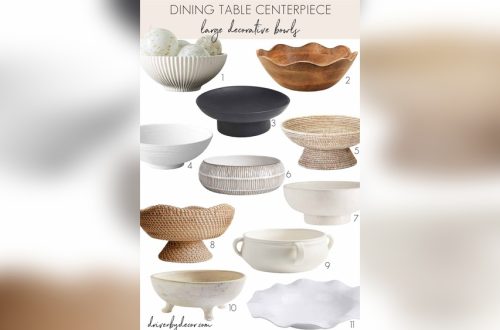
Place a stylish centerpiece like a vase with fresh flowers, a decorative bowl, or a candle arrangement on your dining table.
What Kind Of Pictures Should You Hang In A Dining Room?
Hang serene landscapes or family photos for warmth and connection. Use bold art to add energy. Large statement pieces or gallery walls create focal points. Mirrors brighten and enlarge the space. Choose art that reflects your style and complements the dining room’s ambiance.
Conclusion
Decorating your dining room walls adds charm and personality to your space. Choose art and decor that reflect your style and mood. Simple touches like shelves or mirrors can brighten the room. Play with colors and textures for a fresh look.
Remember, your dining room should feel warm and inviting. Take your time to create a space you enjoy every day. Enjoy the process of making your dining room truly yours.