Your dining room is more than just a place to eat—it’s where memories are made, conversations flow, and style shines. But how do you transform this space into something truly inviting and beautiful?
You might feel overwhelmed by the choices—colors, patterns, furniture styles, and decor pieces all compete for your attention. What if you had a simple, proven way to bring everything together effortlessly? In this guide, you’ll discover easy and effective tips to decor your dining room with personality and balance.
From mixing patterns and textures to selecting the perfect centerpiece, you’ll learn how to create a space that feels just right for you and your guests. Ready to make your dining room the heart of your home? Let’s dive in!
Credit: www.castlery.com
Dining Room Patterns
Blending design styles brings charm and character to your dining room. This approach combines different elements to create a unique space. It offers flexibility and allows personal expression. You can mix old and new, simple and bold to find your perfect look.
Traditional And Art Deco
Traditional style adds warmth and timeless elegance. Think rich wood furniture and classic shapes. Art Deco introduces glamour with shiny surfaces and geometric patterns. Pair a dark wood dining table with mirrored or metallic accents. Use velvet cushions or bold wallpaper to highlight Art Deco flair. This mix balances comfort and sophistication beautifully.
Mid-century Modern Elements
Mid-Century Modern brings clean lines and natural materials. Choose furniture with tapered legs and simple forms. Add colors like mustard yellow, teal, or olive green for a retro vibe. Combine these with soft textures like wool or linen for warmth. This style fits well with both traditional and Art Deco pieces. It creates a fresh, inviting dining room that feels both classic and current.
Blending Design Styles
Color and texture shape the soul of your dining room. They bring life and warmth to the space. Thoughtful choices make the room inviting and stylish. Use them to express your personality and create comfort.
Combining Five Colors
Choose five colors that work well together. Include a mix of light and dark shades. Use a main color for large areas, like walls or furniture. Add secondary colors in smaller items, such as cushions or curtains. Use accent colors in decor pieces to create interest and contrast. Keep the palette balanced to avoid overwhelming the room.
Layering Different Textures
Mix textures to add depth and comfort. Combine soft fabrics like velvet or linen with harder surfaces like wood or metal. Use a plush rug under the table for warmth. Add smooth ceramics or glassware for shine. Layering textures makes the dining area feel cozy and dynamic.
Color And Texture
Creating visual balance in a dining room is essential for a comfortable and inviting space. It helps the room feel harmonious and pleasing to the eye. Visual balance brings together colors, shapes, and textures in a way that feels natural and relaxed. This balance makes the dining experience more enjoyable and the room look well put together.
Layering For Depth
Layering adds depth and interest to the dining room decor. Start with a base, like a solid-colored rug or tablecloth. Then add patterns through cushions, curtains, or wall art. Use at least three different patterns to keep the space dynamic but not overwhelming.
Mixing furniture styles from different eras creates a unique look. Combine pieces from traditional, modern, or vintage collections. This variety adds character without chaos. Choose five or more colors and textures to enrich the room. Velvet cushions, wooden chairs, and linen curtains work well together. These layers create a cozy and inviting atmosphere.
Avoiding Clutter
Clutter disrupts visual balance and makes a room feel cramped. Keep surfaces tidy and only display a few key items. Use storage solutions like cabinets or shelves to hide extra items. This keeps the dining room open and welcoming.
Choose decor that complements the room’s style and color palette. Avoid overcrowding the space with too many decorations. A few well-placed pieces create a clean and balanced look. Leave enough empty space to let the design breathe. This simple approach helps maintain calm and order in the dining room.
Creating Visual Balance
Personalizing your dining room makes it feel unique and welcoming. This space reflects your style and personality. Simple touches can transform a plain room into a warm gathering spot. Focus on combining colors, textures, and decor that speak to you. Balance creativity with comfort for a perfect dining experience.
Choose items that tell your story. Mix old and new pieces. Create a space that invites conversation and enjoyment.
Eclectic Style Tips
Use the eclectic style to mix patterns, colors, and textures. Start with three different patterns in rugs, curtains, or pillows. Combine furniture from four styles like traditional and mid-century modern. Add five colors or textures like velvet, wood, or linen for depth. This method creates a balanced, interesting room without chaos. It shows your personality through a creative blend of elements.
Adjusting For Room Size
Small dining rooms need lighter colors and slim furniture. Use mirrors to open up the space visually. Large rooms can hold bigger tables and bold colors. Keep balance by not overcrowding the room with too many items. Adjust the number of patterns, styles, and colors to fit the room size. This way, the space stays comfortable and beautiful.
Personalizing Your Space
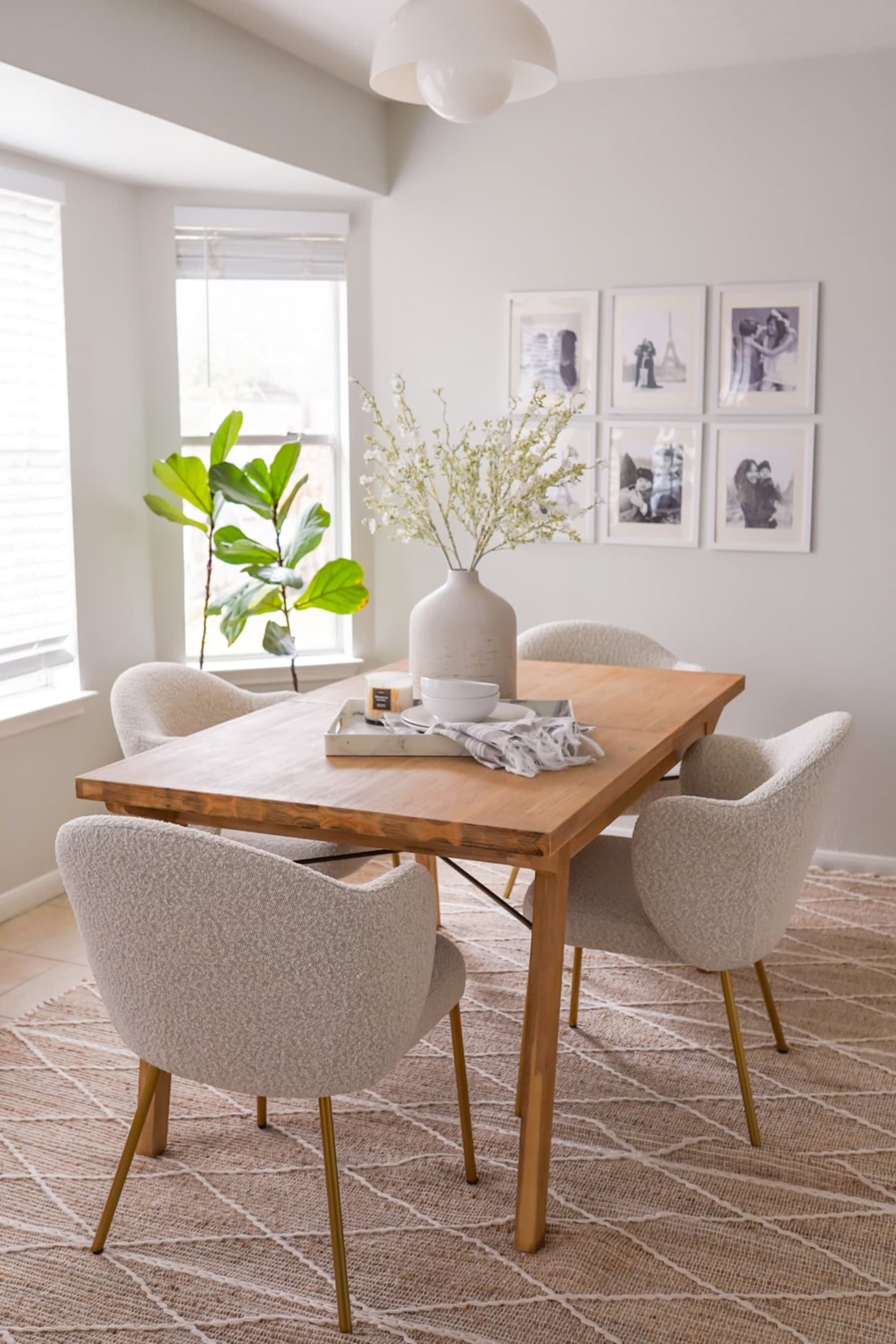
The dining table centerpiece draws attention and sets the mood for the room. It creates a focal point that complements the dining space. Choosing the right centerpiece can enhance the style and feel of your dining room. Centerpieces vary from natural elements to decorative objects, offering many options to fit any decor style.
Fresh Flowers And Greenery
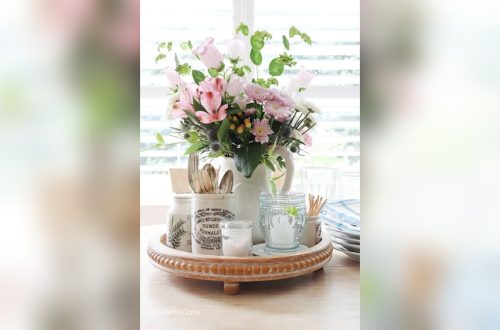
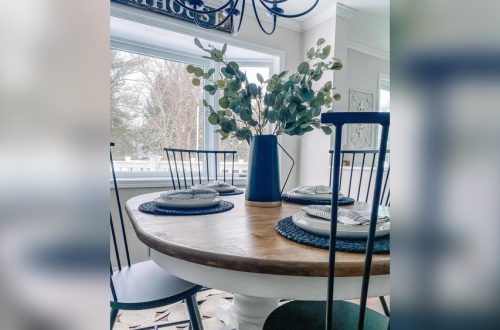
Fresh flowers bring color and life to the dining table. Simple bouquets or single stems in elegant vases work well. Greenery like eucalyptus or ferns adds texture and freshness. Choose seasonal blooms for a natural and inviting look. Change the flowers regularly to keep the table vibrant.
Fruit Bowls And Succulents
Fruit bowls add a pop of color and a healthy touch. Use clear or ceramic bowls for a clean look. Succulents offer a low-maintenance option with a modern feel. Arrange a mix of small pots or a single large planter. Both fruit and succulents create a casual yet stylish centerpiece.
Candles And Lanterns
Candles add warmth and a soft glow to dining settings. Use pillar candles or tea lights in decorative holders. Lanterns create a cozy and elegant atmosphere. Choose holders that match your dining room’s style. Be mindful of safety when placing candles on the table.
Decorative Bowls And Trays
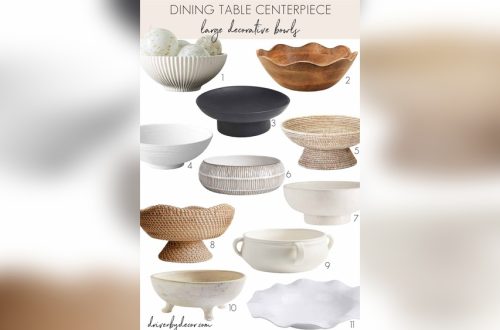
Decorative bowls and trays organize items while looking chic. Use trays to group smaller decor pieces together. Bowls can hold potpourri, ornaments, or seasonal decorations. Select materials like wood, metal, or ceramic for texture. These pieces add interest without cluttering the table.
:strip_icc()/wood-dining-room-windows-table-BUxPfKPUKAj8UrHgqTEJZM-a3bfb1728dc24f29a83f451bd4046e70.jpg)
Credit: www.bhg.com
Dining Table Centerpieces
Texture plays a vital role in dining room decor. It adds depth and warmth to the space. A well-chosen texture scheme can make your dining room feel cozy and inviting. Texture also creates visual interest and balance. It helps separate different elements without using bold colors. This subtle approach works well for a peaceful dining area.
Uniform Texture Scheme
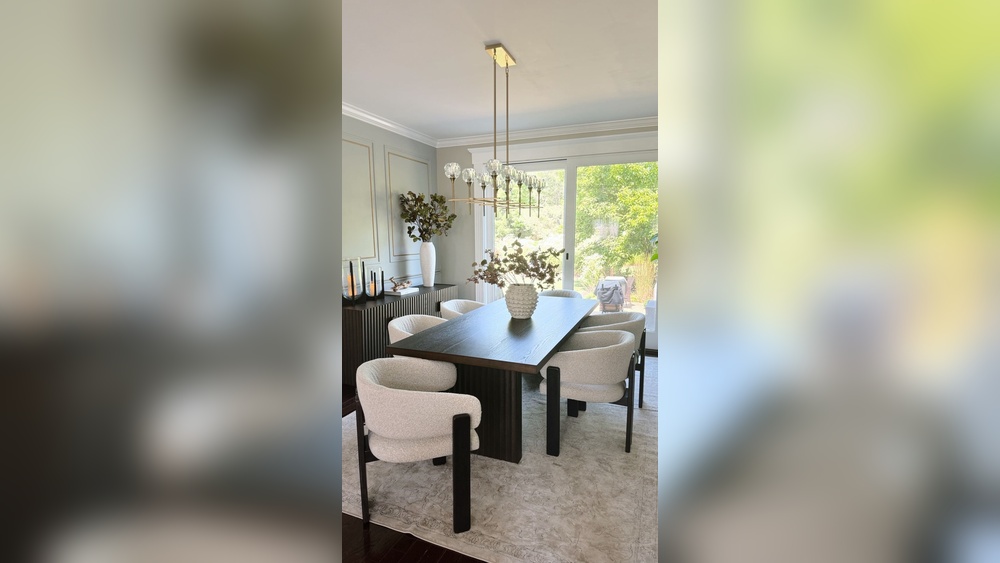
Choose a consistent texture theme for your dining room. Keeping textures uniform ties the room together. For example, use natural fibers like cotton or linen on cushions and curtains. Pair them with a wooden dining table and chairs. This creates a warm, organic feel without clashing textures.
Stick to a few texture types to avoid chaos. Mixing too many textures can confuse the eye. A uniform texture scheme keeps the look clean and simple. It also makes the room feel larger and more open.
Materials To Consider
Select materials that add character to your dining room. Wood offers a classic, sturdy texture for tables and chairs. Velvet cushions bring softness and luxury. Linen curtains add a light, airy feel that contrasts nicely with heavier wood.
Metal accents, like a chandelier or chair legs, introduce a sleek, smooth texture. Stone or ceramic vases add an earthy element. Try combining rough and smooth materials for a balanced look. This mix keeps the room lively without overwhelming the senses.
Texture In Decor
Setting a simple table creates a calm and inviting dining space. It focuses on clean lines and essential items. A simple table setting makes meals feel special without clutter. It helps highlight the food and conversation.
Start with basics: a plate, cutlery, and glass. Add small touches that bring warmth and function. Keep each piece purposeful and easy to use. This approach fits any dining room style.
Minimalist Table Settings
Choose plain or lightly patterned dishes to keep the look fresh. Use one set of cutlery per person to avoid confusion. Clear glasses or simple cups work best. Avoid too many decorations on the table.
Place a neutral-colored napkin beside the plate or under the fork. Use a simple placemat or runner to add texture without distraction. This style keeps the table neat and ready for any meal.
Adding Functional Decor
Include items that serve a purpose and add style. A small vase with fresh flowers brings color and life. Use salt and pepper shakers that match the tableware. A simple candle can create a warm glow.
Keep these items in the center or at easy reach for guests. Avoid large or tall decorations that block views or take up too much space. Functional decor enhances comfort and beauty together.
:max_bytes(150000):strip_icc()/201105-MV-CandaceMaryLongfellow_008-1-25517521e3604a32b7aa525246ec25db.jpg)
Credit: www.thespruce.com
Frequently Asked Questions
What Is The 3 4 5 Rule In Interior Design?
The 3-4-5 rule in interior design means using at least three patterns, four styles, and five colors or textures. This creates a balanced, layered, and personalized space. It encourages mixing different eras and materials for visual interest and depth without overwhelming the room.
What Do You Put In The Middle Of Your Dining Room Table?
Place a low centerpiece like fresh flowers, succulents, or a fruit bowl in the middle of your dining table. Add candles or decorative trays for style and functionality, ensuring the arrangement allows clear views across the table.
What Kind Of Pictures Should You Hang In A Dining Room?
Hang artwork that complements your dining room’s style, such as food-themed prints, landscapes, or abstract pieces. Choose colors that enhance the room’s palette and evoke a welcoming atmosphere. Select frames and sizes that balance the wall space without overwhelming the dining area.
What Is The Dining Room Style For 2025?
The 2025 dining room style blends eclectic patterns, textures, and colors for a personalized, balanced, and inviting space. It mixes vintage and modern elements, emphasizing natural materials and layered decor for depth and warmth.
Conclusion
Decorating a dining room is about making the space warm and inviting. Mix patterns, styles, colors, and textures for a balanced look. Choose items that show your personality and fit your lifestyle. Small changes like a centerpiece or new cushions can refresh the room.
Keep things simple and thoughtful to enjoy every meal in style. Your dining room can become a favorite spot for friends and family.