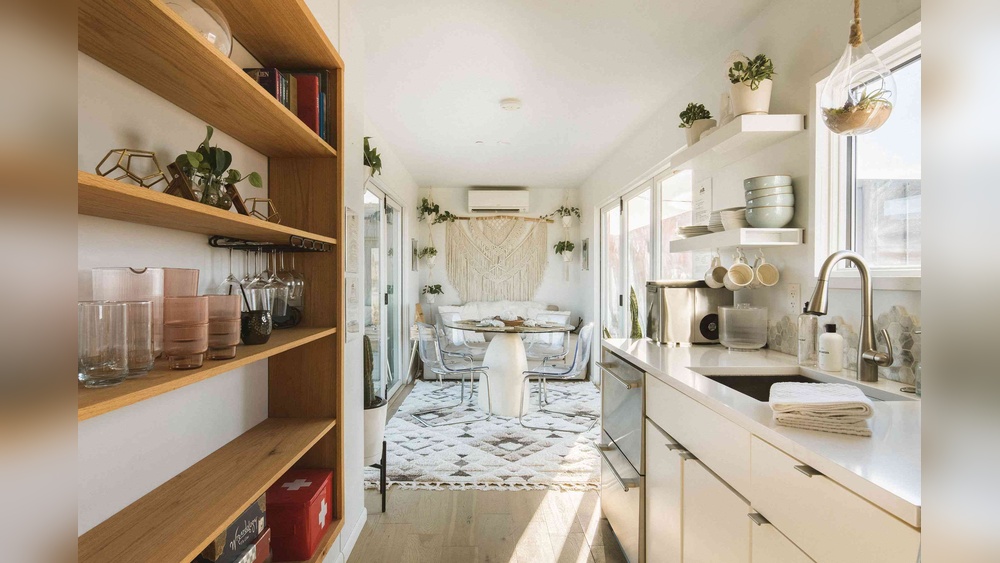
Struggling with a long, narrow dining and living room that feels cramped or awkward? You’re not alone.
These spaces can be tricky to decorate, but with the right approach, you can transform your room into a stylish, comfortable area that flows beautifully. Imagine a space where every inch works for you—where dining, relaxing, and entertaining happen effortlessly.
In this guide, you’ll discover simple yet powerful tips to make your long, narrow room feel wider, brighter, and perfectly balanced. Ready to unlock the full potential of your home? Let’s dive in.

Credit: thedecorforum.com
Layout Strategies
Designing a long narrow dining and living room can be challenging. The key lies in smart layout strategies that create balance and flow. Proper planning helps the space feel open and inviting instead of cramped. Each choice shapes how you move and use the room.
Focus on dividing the space, arranging furniture thoughtfully, and avoiding common mistakes. These methods improve comfort and style without clutter. Let’s explore ways to make your room work better for daily life and entertaining.
Zoning The Space
Divide the room into clear zones for dining and living. Use rugs or lighting to mark each area visually. This separation helps the room feel organized and purposeful.
Place the dining table closer to the kitchen or natural light. Set the seating area at the opposite end. Keep enough space between zones to allow easy movement.
Floating Furniture
Avoid pushing all furniture against the walls. Pull pieces away from the edges to create a cozier, balanced look. This technique opens pathways and makes the room feel wider.
Arrange sofas and chairs to face each other. Use coffee tables or side tables to connect seating. Floating furniture invites conversation and comfort.
Avoiding Wall Push
Pushing furniture against walls can make the space feel like a hallway. Leave breathing room around pieces to add depth and interest.
Use slim-profile furniture to save space while adding style. Angling some items slightly can break the linear feel. This approach softens the room’s shape and adds personality.
Furniture Choices
Choosing the right furniture is key to decorating a long narrow dining and living room. The furniture must fit well without crowding the space. It should help balance the room’s shape and improve flow. Smart furniture choices make the area feel inviting and spacious.
Selecting Clean Lines
Furniture with clean lines suits a long narrow room perfectly. Straight edges and simple shapes avoid visual clutter. They keep the space looking neat and open. Slim legs and low profiles help furniture appear lighter. This style helps maintain a smooth and airy feel throughout.
Incorporating Curved Pieces
Curved furniture softens the room’s long, narrow shape. Rounded chairs or a curved sofa add flow and movement. A round coffee table or ottoman breaks up straight lines. Curves create a more welcoming and balanced look. They also help guide the eye smoothly across the room.
Using Multi-functional Furniture
Multi-functional furniture saves space and adds flexibility. A storage ottoman or bench can hold items and provide extra seating. Foldable tables or extendable dining sets adjust to your needs. Pieces that serve more than one purpose reduce clutter. They make the room feel organized and roomy.
Color And Lighting
Color and lighting play a key role in decorating a long narrow dining and living room. The right choices make the space feel open and inviting. They help balance the length and create harmony between the two areas. Thoughtful use of color and light can transform a tight, narrow room into a warm and functional space.
Choosing A Cohesive Palette
Pick colors that flow well together across the dining and living areas. Light, neutral tones like soft whites, beiges, and pastels open up the space. Use a few accent colors to add interest but keep them subtle. Avoid dark or heavy shades that make the room feel smaller. Keep the palette simple and consistent to create a seamless look.
Layering Light Sources
Use multiple types of lighting to brighten the room evenly. Combine overhead lights, floor lamps, and table lamps for balance. Place lights at different heights to add depth and warmth. Task lighting near dining and seating areas improves function. Dimmable lights allow you to adjust the mood easily throughout the day.
Using Mirrors To Expand Space
Mirrors reflect light and create an illusion of depth. Hang large mirrors opposite windows to boost natural light. Use mirrors with thin frames or no frames for a modern, airy feel. Position mirrors to reflect the dining area into the living room, linking the spaces visually. This simple trick opens up the room and reduces any sense of narrowness.

Credit: thedecorforum.com
Dining Area Ideas
The dining area in a long narrow dining and living room needs smart planning. It should feel open yet cozy. Proper choices can make the space inviting and balanced. Focus on furniture shape, storage, and connection with other areas. These ideas help create a practical dining zone without crowding.
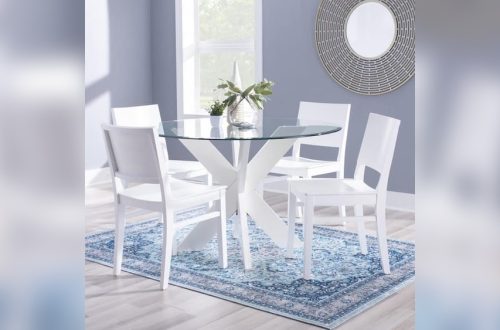
Opting For Round Tables
Round tables fit well in narrow spaces. They break the room’s linear look. Without sharp corners, they allow easy movement around. Round tables invite conversation and create a warm atmosphere. Choose a size that fits the space without blocking pathways. Smaller round tables keep the dining area airy and open.
Adding Storage Solutions
Storage is crucial in a combined dining and living room. Use slim sideboards or wall-mounted shelves. These provide space for dishes and decor. Built-in storage units save floor space and reduce clutter. Storage with clean lines blends well in narrow rooms. Keep items organized to maintain a tidy dining area.
Integrating With Kitchen Islands
A kitchen island can double as a dining spot. It saves space by combining cooking and eating areas. Use bar stools to create a casual dining space. This setup works well in open-plan long rooms. The island acts as a room divider and a functional dining table. It makes the dining area feel connected to the kitchen.
Living Area Ideas
The living area in a long, narrow room needs smart design choices. It should feel open yet cozy. Proper planning can make the space inviting and functional. Use these living area ideas to create a balanced and comfortable zone.
These tips help separate the living area from the dining space. They also make the room feel wider and more connected.
Creating Conversation Zones
Group seating to encourage easy talking. Arrange chairs and sofas facing each other. Avoid lining furniture along the walls only. Place a coffee table in the center to anchor the space. This setup invites guests to sit and chat comfortably.
Using Rugs To Define Areas
Rugs visually separate the living area from other parts. Choose rugs that fit the seating group size. Place the rug under all furniture legs or just the front legs. This helps anchor the furniture and creates a clear zone. Select colors and patterns that complement the overall room style.
Choosing Comfortable Seating
Pick seats that fit the room’s scale. Avoid bulky sofas that crowd the space. Use slim armchairs or loveseats for better flow. Consider furniture with exposed legs to create a light look. Add cushions and throws to increase comfort and style.
Decor And Accessories
Decor and accessories bring personality and warmth to a long, narrow dining and living room. They help break the linear feel and create cozy spots. The right choices make the space inviting and stylish.
Decor can highlight different zones in the room. Accessories add texture and color. Together, they soften the room’s shape and improve flow.
Softening Angles With Curves
Curves balance the room’s long, straight lines. Choose round coffee tables or curved sofas. These shapes ease the eye and add comfort.
Round mirrors and lamps also soften edges. Use circular rugs to anchor seating areas. Curved forms create a gentle rhythm in the space.
Incorporating Artwork
Artwork breaks up wall space and adds interest. Hang pieces at eye level for balance. Large-scale art works well on long walls.
Choose colorful or textured art to brighten the room. Group smaller frames in a gallery style for variety. Art draws attention and defines zones without clutter.
Adding Plants And Textiles
Plants bring life and fresh air indoors. Use tall plants to fill empty corners. Small potted plants work well on shelves or tables.
Textiles add softness and comfort. Layer rugs, cushions, and throws in different fabrics. Mix patterns and solids to create depth and warmth.
These elements make the room feel cozy and inviting. They add natural tones and help visually break the space.
Maximizing Functionality
Maximizing functionality in a long narrow dining and living room transforms the space into a practical and comfortable area. Each element should serve a purpose without overcrowding. Thoughtful design helps balance utility with style, making daily life easier and more enjoyable.
Smart Storage Options
Use vertical storage to save floor space. Tall shelves and cabinets fit well along narrow walls. Choose furniture with built-in storage like ottomans or benches. Keep items organized to reduce clutter. Open shelving can display decor and keep essentials handy.
Flexible Seating Arrangements
Select seating that adapts to different needs. Lightweight chairs and stools move easily around the room. Consider a bench that fits under the dining table when not in use. Modular sofas offer versatility and maximize seating. Keep pathways clear for comfort and flow.
Maintaining Traffic Flow
Plan furniture layout with clear walkways. Avoid blocking the natural path between dining and living areas. Use rugs to define spaces without interrupting movement. Keep the center open to create a sense of spaciousness. Proper flow prevents the room from feeling cramped.
:max_bytes(150000):strip_icc()/decorate-long-narrow-living-room-2213445-hero-9eff6e6629af46c39de2c8ca746e723a.jpg)
Credit: www.thespruce.com
Frequently Asked Questions
How Do You Decorate A Long And Narrow Living Room?
Use round furniture to soften angles and create flow. Arrange seating in conversational groups. Add mirrors and lighting to open space. Choose light colors and streamline furniture for balance. Incorporate rugs to define areas and enhance warmth.
What Is The 3-5-7 Rule In Interior Design?
The 3-5-7 rule in interior design guides color layering: use 3 parts dominant, 5 parts secondary, and 7 parts accent colors for balance.
What Is The 3 4 5 Rule In Interior Design?
The 3-4-5 rule in interior design helps create balanced layouts using furniture groupings of three, four, or five pieces for harmony.
How To Combine Dining And Living Room?
Combine dining and living rooms by using a round table, clean-lined furniture, and cohesive colors. Add storage and arrange seating to define spaces.
Conclusion
Decorating a long narrow dining and living room can feel simple. Choose furniture that fits the space well. Use light colors to open up the room. Add mirrors or round items to soften sharp lines. Keep pathways clear for easy movement.
Create separate zones for dining and relaxing. Small details make a big difference here. With these tips, your room will feel cozy and balanced. Enjoy designing a space that works for you!